
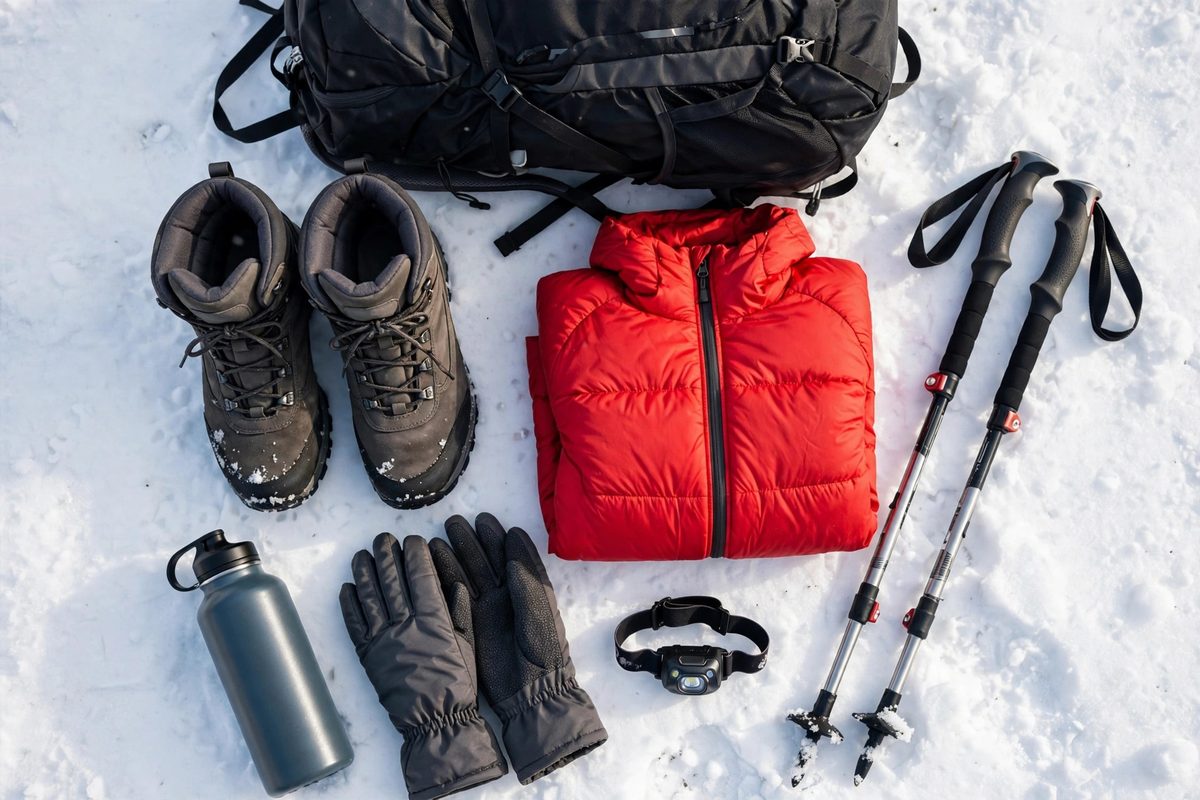
 Featured imageBest hiking gear for winter hikes 2026
Winter hiking punishes weak gear: a summer tent collapses under snow, a light jacket leaks heat, and a dead headlamp ends the day at 4 p.m. These 20 proven picks cover the ten systems that matter in the cold — pack, shelter, sleep, cooking, water, safety, footwear, clothing, lighting and first aid.
Buy the pack, shelter and sleep system first — they decide warmth and comfort — then add cooking, water treatment and safety. The 20 picks below give you one proven option per job, so you can build a complete winter kit without guessing.
Position and Plan
Position: A buying guide to the 20 products a winter hiker needs, organised by system — backpack, shelter, sleep, cooking, water, navigation and safety, footwear, clothing, lighting, and first aid and repair — with honest trade-offs and no fixed prices.
Plan: Go system by system, compare the two picks in each one, and buy the big three first. Read the winter hiking safety guide before your first cold-weather trip.
The 20 picks at a glance
| Product | System | Best for |
|---|---|---|
| Osprey Atmos AG 65 | Backpack | Backpackers who carry multi-day loads and want the weight to sit comfortably. |
| Osprey Talon 22 | Backpack | Day hikers and fast packers who want a ventilated pack that carries close to the body. |
| Big Agnes Copper Spur HV UL2 | Shelter | Two-person teams who want a light tent with real living space. |
| MSR Hubba Hubba HD 2-Person | Shelter | Backpackers who want a proven two-person tent that pitches fast. |
| NEMO Tensor Trail | Sleep system | Backpackers who want a quiet, comfortable pad at a fair trail weight. |
| Sea to Summit Ether Light XR | Sleep system | Sleepers who want extra thickness and warmth without a heavy pad. |
| MSR PocketRocket 2 | Cooking | Backpackers who want a tiny stove that boils water fast. |
| Deuter Futura 27 | Cooking | Day hikers who want airflow and easy access on longer day routes. |
| Sawyer Squeeze | Water | Hikers who want a simple, light filter for streams and lakes. |
| Platypus QuickDraw 1 Liter Water Filter System | Water | Hikers who want a fast filter with a clear view of the water flow. |
| Garmin inReach Mini 2 | Navigation & safety | Hikers who go beyond phone signal and want two-way contact. |
| LEKI Makalu Lite | Navigation & safety | Hikers who want a light, proven pole for long-distance trails. |
| Merrell Moab 3 | Footwear | Hikers who want a forgiving, comfortable shoe that breaks in easily and works on most trails. |
| Salomon X Ultra 5 Mid GTX | Footwear | Day hikers needing wet-weather protection and a secure foothold on uneven trails. |
| Marmot Men’s PreCip Eco Rain Jacket | Clothing | Hikers who want dependable rain cover at a fair price. |
| Outdoor Research Men’s Helium UL Jacket | Clothing | Weight-focused hikers who want the lightest rain shell in the pack. |
| Black Diamond Spot 400 | Lighting | Hikers who want a bright, reliable headlamp for camp and night trails. |
| Therm-a-Rest NeoAir XLite NXT | Lighting | Ultralight backpackers who want a proven pad that packs tiny. |
| Darn Tough Men’s Hiker Micro Crew Cushion Socks | First aid & repair | Hikers who want one durable merino sock that resists blisters mile after mile. |
| BLACK DIAMOND Trail Trekking Poles | First aid & repair | Hikers who want sturdy poles that save knees on descents. |
1. Backpack for winter hikes: carry the load in comfort
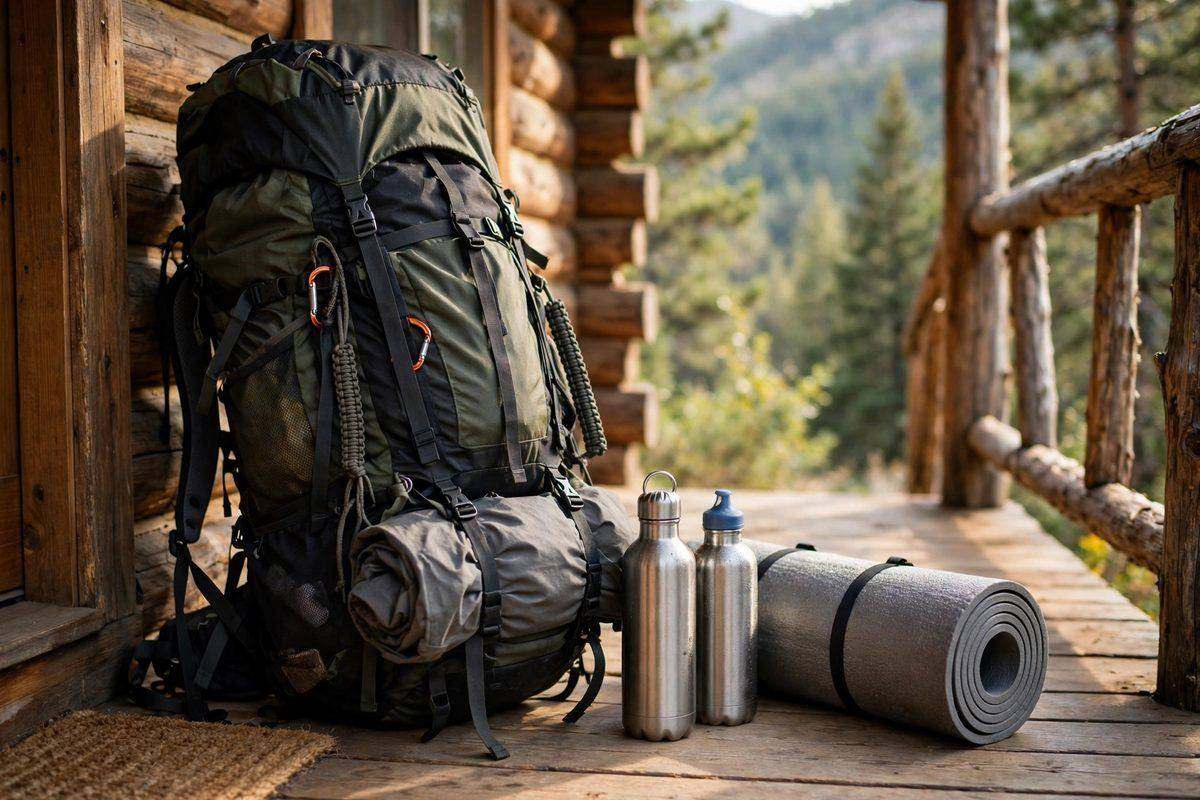
Winter loads are bigger: extra layers, a heavier sleeping bag, traction, a stove and fuel, and food that weighs more per calorie. You need roughly 55 to 70 litres, a hip belt that takes the weight off your shoulders, and a fit you can adjust with gloves on. A pack that is too small forces gear onto the outside, where it ices up; a pack that is too big invites you to overfill it. Our guide to how to choose a daypack covers the fit check to do before you buy.
The Atmos AG 65 is the main winter pick: a full-size pack built to carry food, water and camp gear for days without wrecking your shoulders. The Talon 22 is the light second pack — for a fast winter day hike, or as a summit pack for side trips from a base camp.
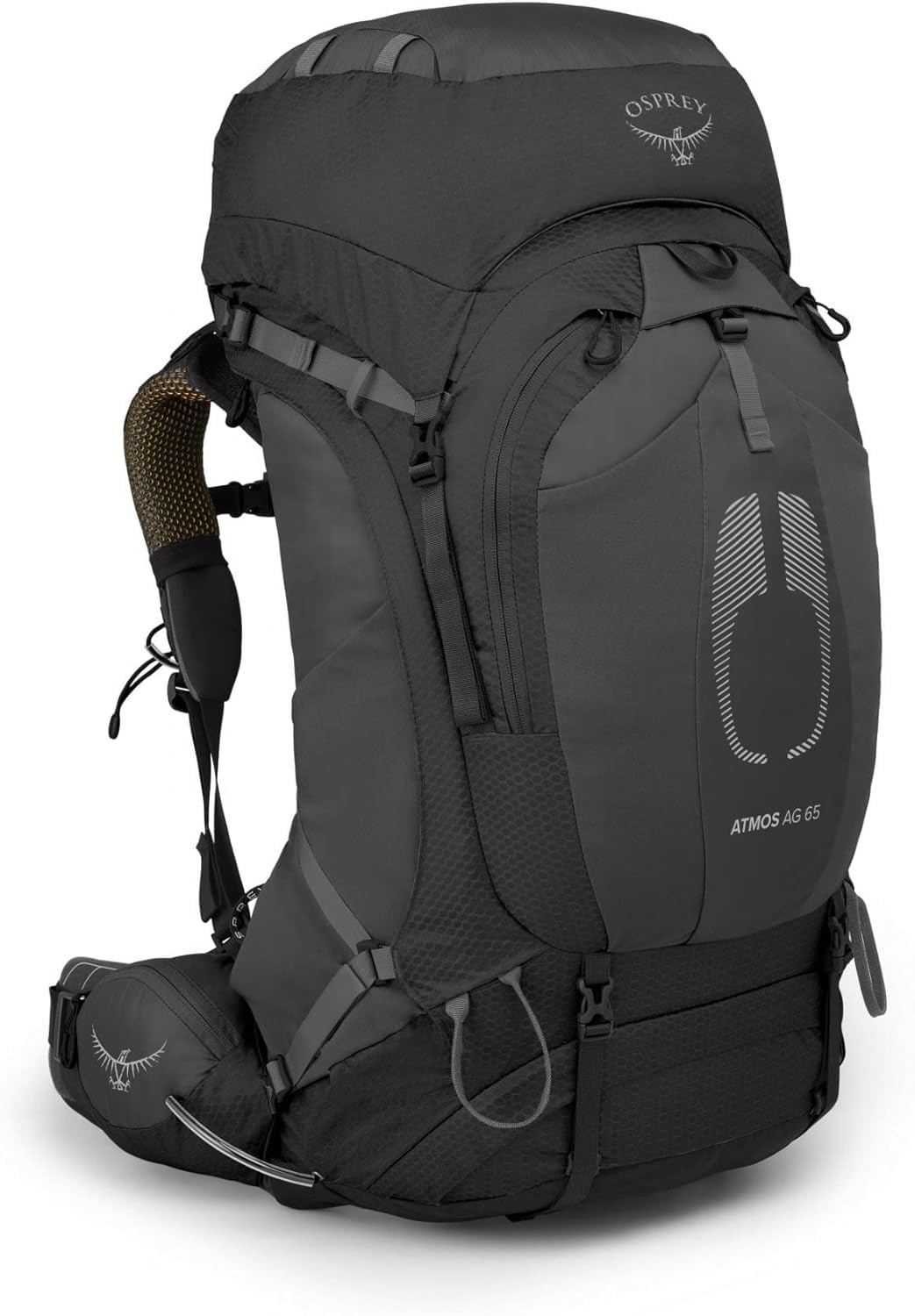
Osprey Atmos AG 65
Best for: Backpackers who carry multi-day loads and want the weight to sit comfortably.
A ventilated multi-day backpack with a load-carrying suspension for longer trips.
1. Backpack for winter hikes: carry the load in comfort
- Ventilated suspension for heavy loads
- Comfortable fit across long days
- Good organisation for multi-day trips
- You want a frameless pack or the lightest possible base weight.
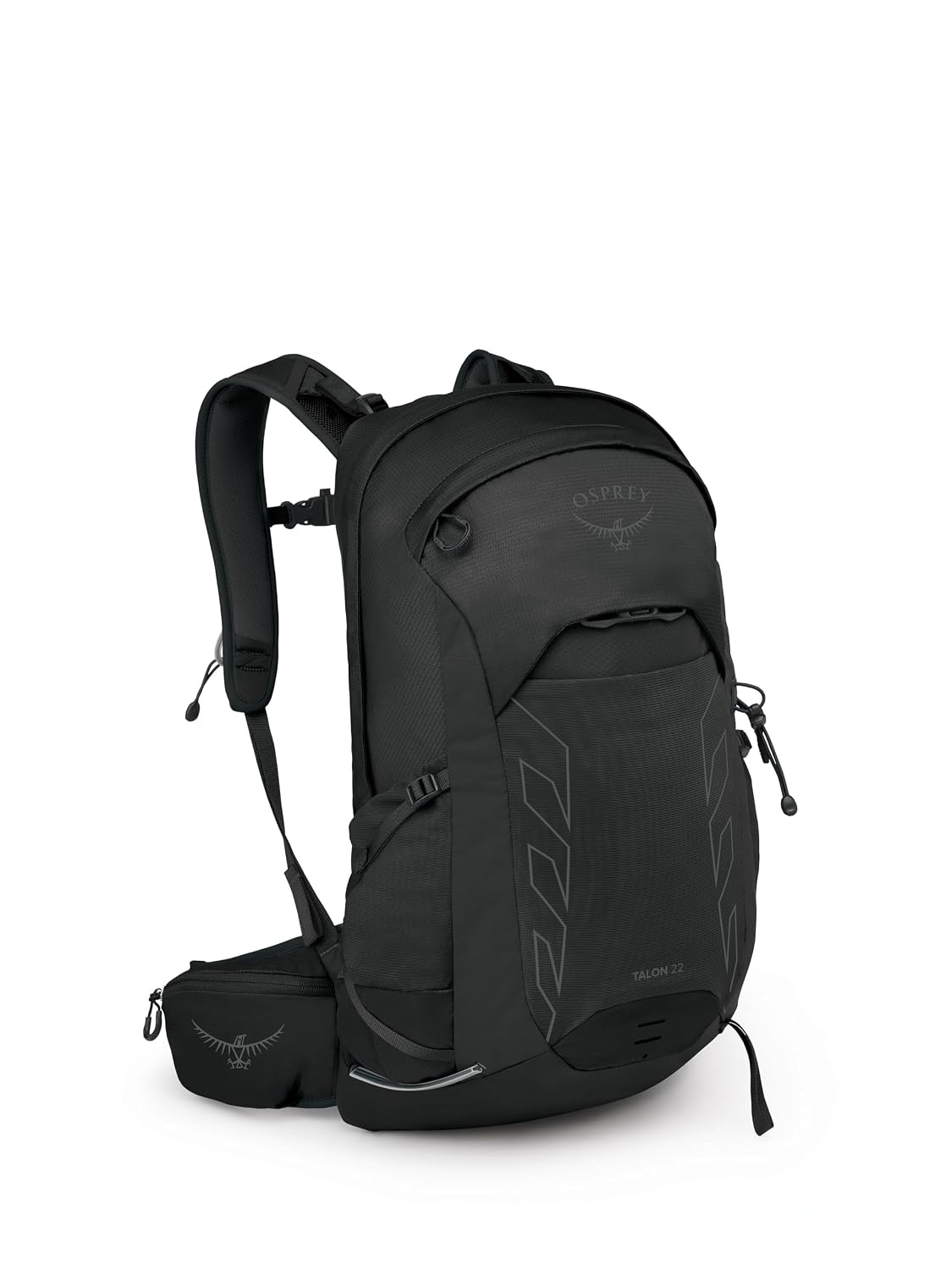
Osprey Talon 22
Best for: Day hikers and fast packers who want a ventilated pack that carries close to the body.
A lightweight day pack with a stable, breathable carry for long days on the trail.
1. Backpack for winter hikes: carry the load in comfort
- Ventilated back panel for hot days
- Stable fit that moves with you
- Room for layers, food and water
- You need a full overnight load or a bigger main compartment.
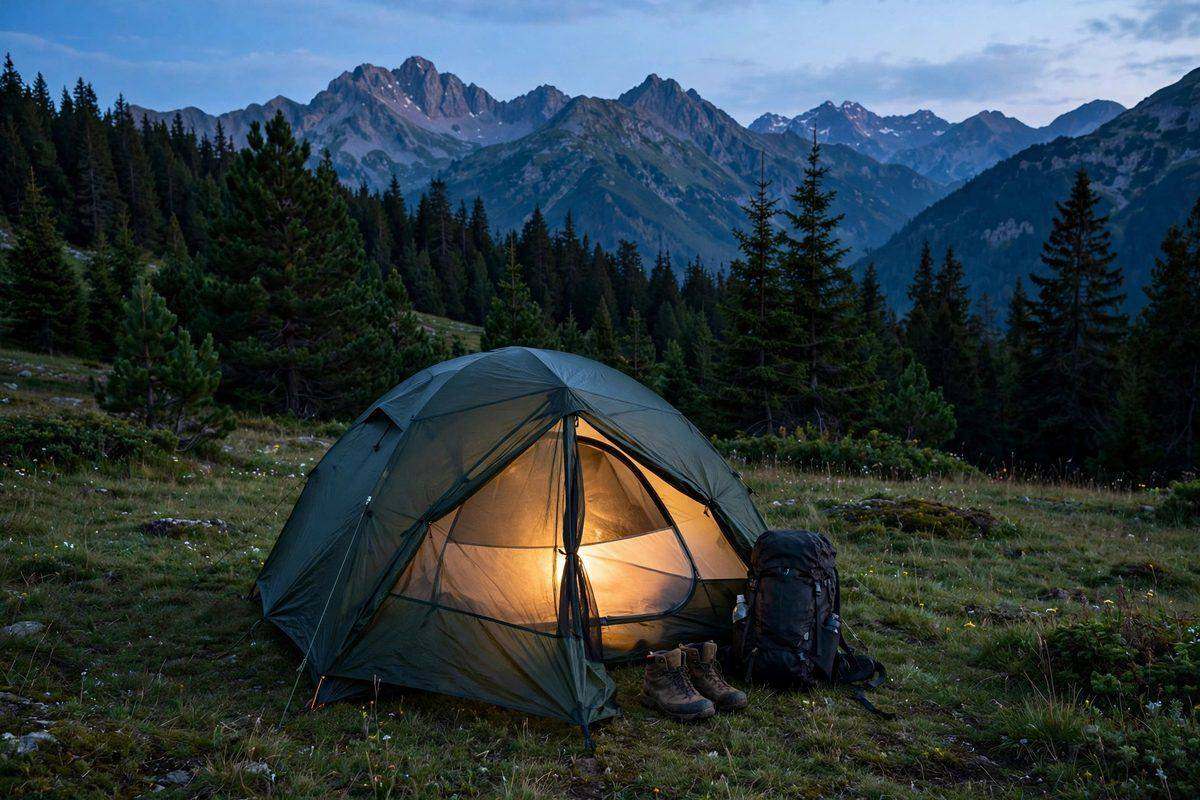
2. Shelter for winter hikes: a tent that survives snow and wind
A summer tent in a snowstorm is a bad idea: thin poles bend under snow load, mesh walls let spindrift in, and a flat roof collects snow until it collapses. For winter camping you want a tent with strong poles, steep walls that shed snow, and a fly that reaches the ground. Two-person tents are the sweet spot for solo hikers who want room for a pack, and for pairs who split the weight.
Both tents below are proven two-person designs with real living space and a fast pitch — important when your hands are freezing. Choose the lighter one if you count every gram, and the tougher one if your route crosses exposed ridges and heavy snow.
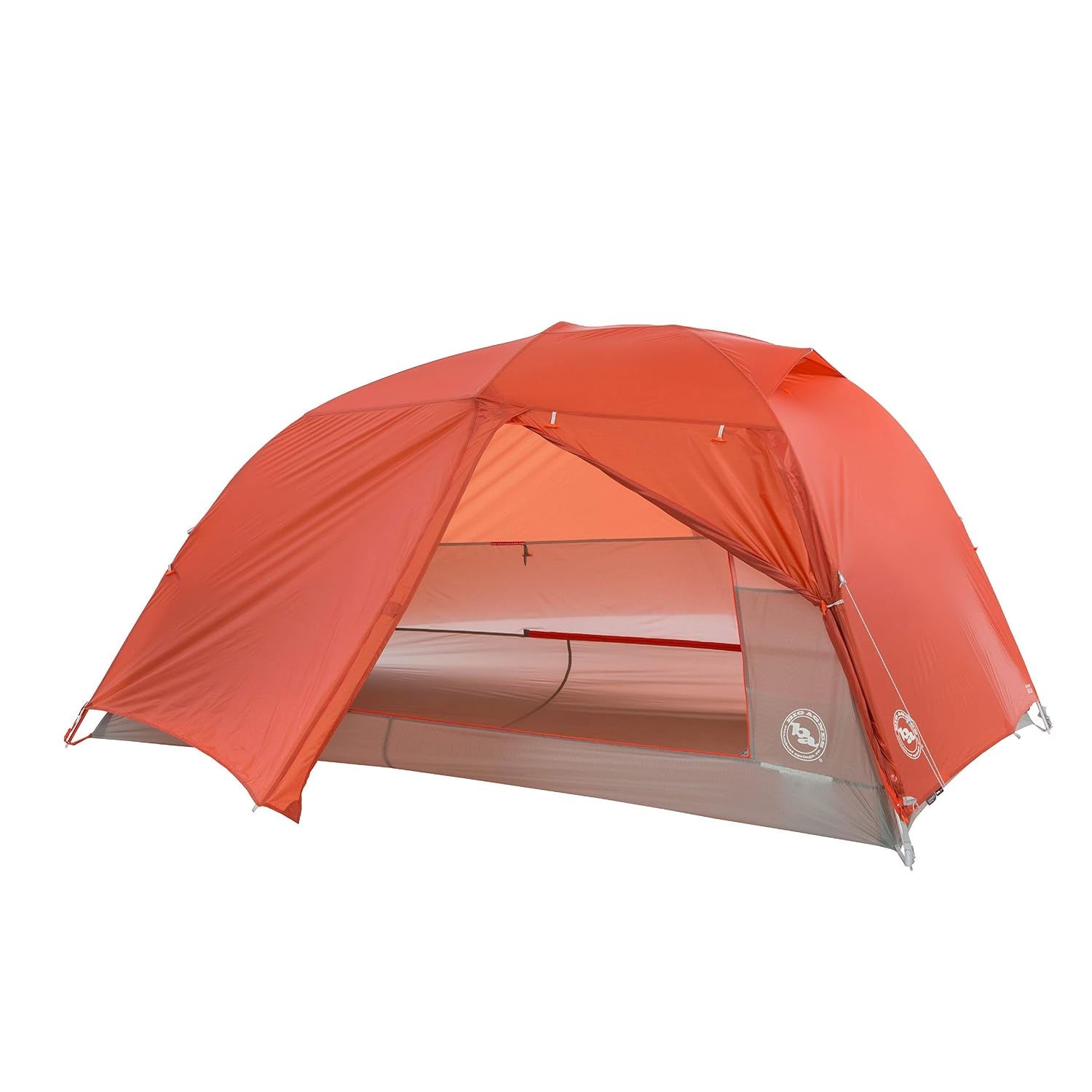
Big Agnes Copper Spur HV UL2
Best for: Two-person teams who want a light tent with real living space.
A lightweight two-person tent with steep walls and two doors for comfortable nights.
2. Shelter for winter hikes: a tent that survives snow and wind
- Two doors and two vestibules
- Steep walls add usable space
- Light for its floor area
- You want a single-person tent or a budget shelter.
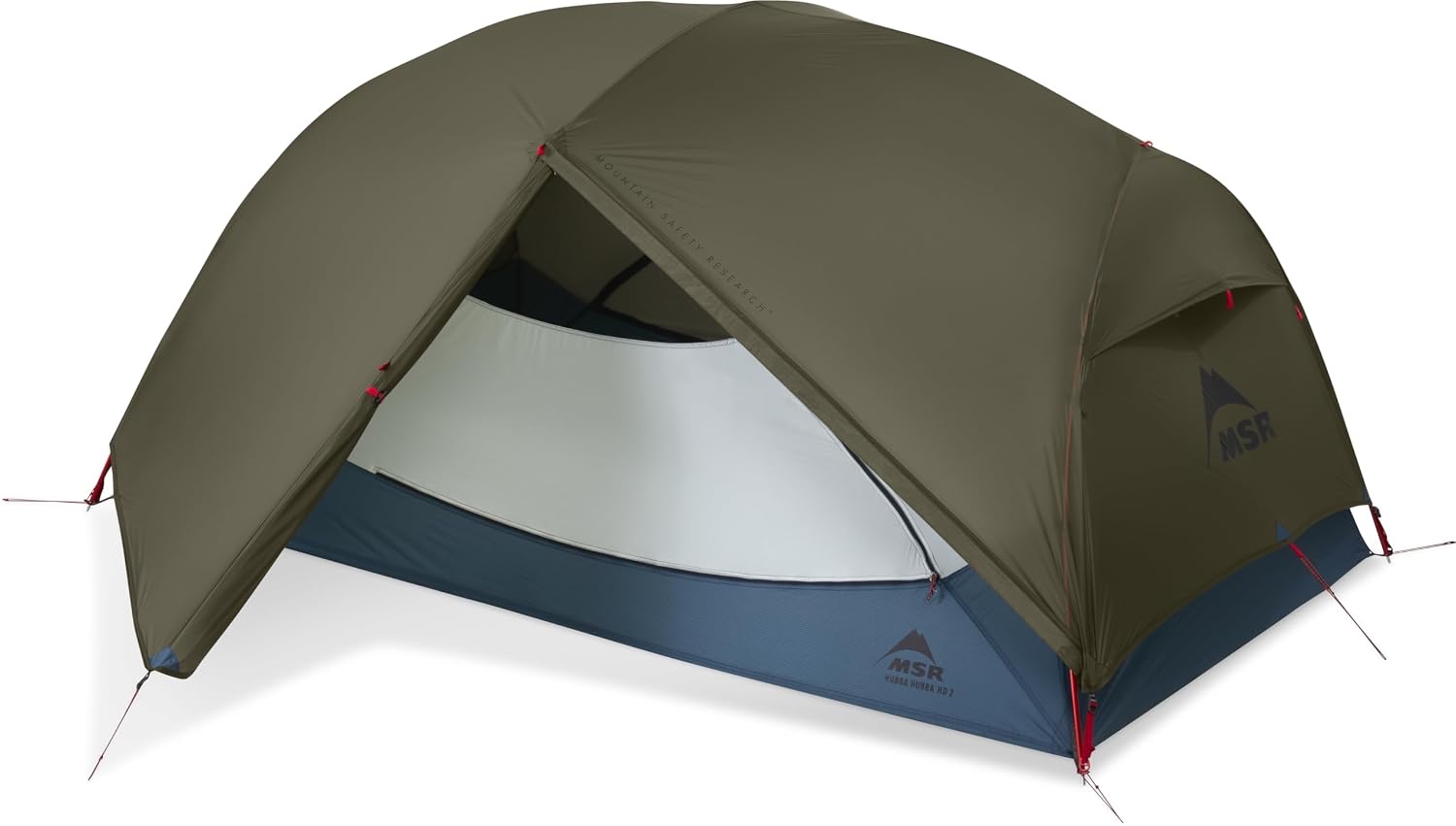
MSR Hubba Hubba HD 2-Person
Best for: Backpackers who want a proven two-person tent that pitches fast.
A durable two-person tent with a simple pitch and a strong balance of weight and weather protection.
2. Shelter for winter hikes: a tent that survives snow and wind
- Fast, simple pitch
- Good weather protection for its weight
- Two doors for easy entry
- You want the lightest tent available or a single-wall design.
3. Sleep system for winter hikes: pads that earn their weight
Cold ground steals heat all night, so the pad matters more than the bag in winter: a summer pad on snow is a cold night, however good your sleeping bag is. Look for a high R-value — 4 or more for winter — and a pad that does not squeak you awake every time you turn. A good pad insulates you from frozen ground and cushions your hips and shoulders, and it packs small enough to disappear inside your pack.
The two pads below are quiet, comfortable and proven on real trails. Pick the thicker one if you sleep on your side or in real cold, and the lighter one if pack size matters most.
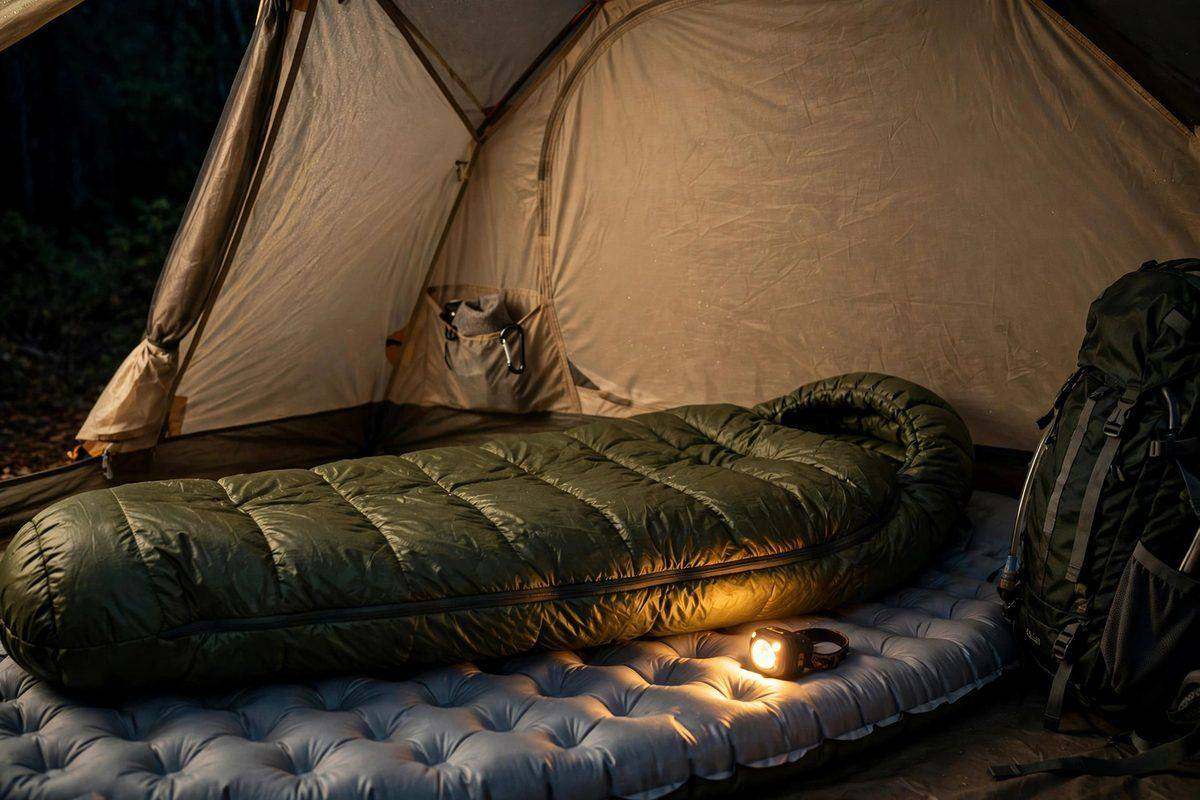
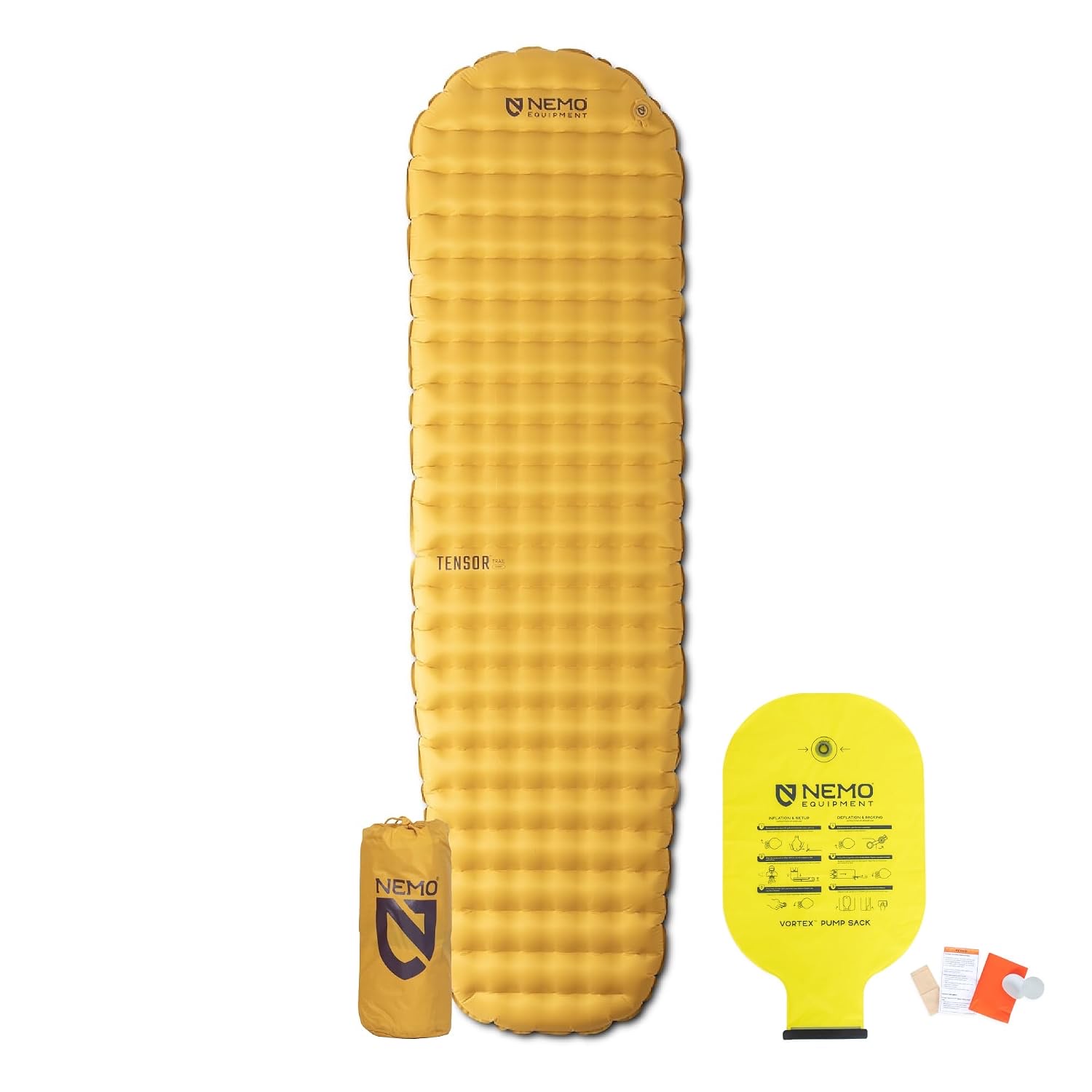
NEMO Tensor Trail
Best for: Backpackers who want a quiet, comfortable pad at a fair trail weight.
A lightweight insulated sleeping pad with a stable, quiet surface for good nights on the trail.
3. Sleep system for winter hikes: pads that earn their weight
- Quiet surface that stays stable
- Comfortable for side sleepers
- Packs down small
- You want the lightest pad made or a closed-cell foam pad.
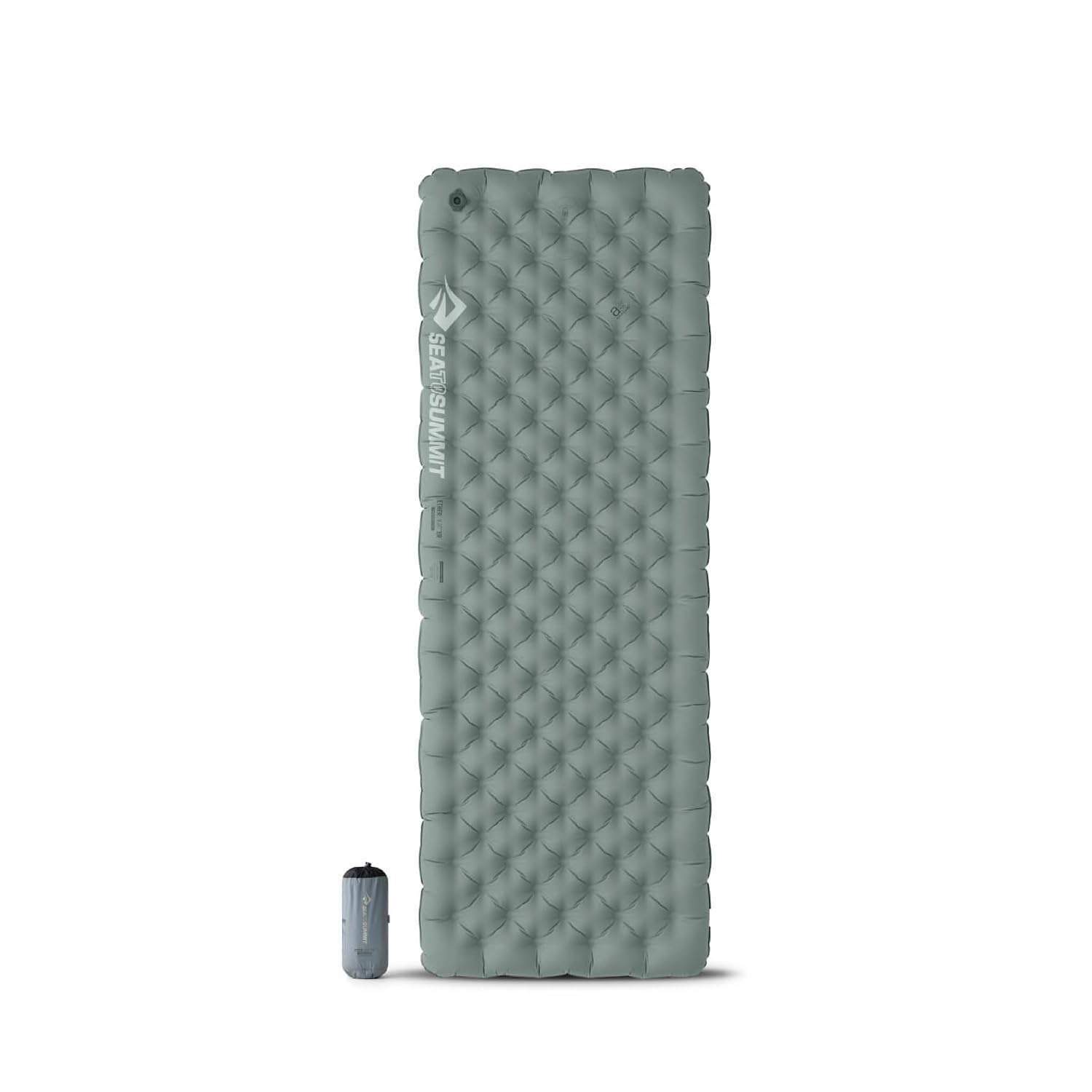
Sea to Summit Ether Light XR
Best for: Sleepers who want extra thickness and warmth without a heavy pad.
A thick, lightweight air pad with an air-sprung feel for comfortable nights outdoors.
3. Sleep system for winter hikes: pads that earn their weight
- Thick, cushioned feel
- Good warmth for its weight
- Packs down compactly
- You want a simple foam pad or the smallest packed size.
4. Cooking for winter hikes: a stove that works in the cold
Canister stoves lose pressure in the cold, so winter cooking needs a stove that boils fast and a way to keep the fuel warm. The PocketRocket 2 does the first part: it screws onto a fuel canister, boils a litre in minutes, and weighs less than a phone. Keep the canister in your sleeping bag or a pocket before cooking, and use a windscreen — wind is the enemy of every winter boil.
The second pick is the carry for the kitchen. The Deuter Futura 27 is a compact, ventilated pack that holds a day's food, stove and fuel on a fast winter day hike — the light option when the full multi-day pack stays at camp or at home.
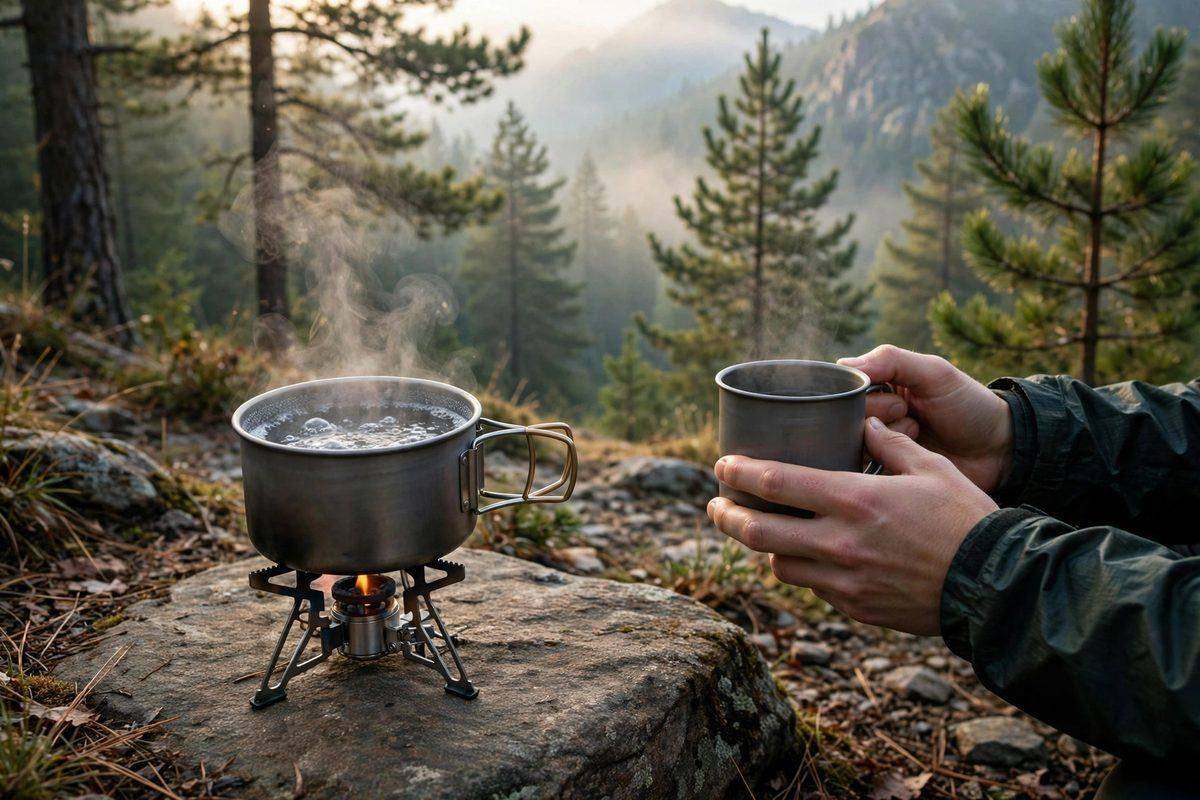
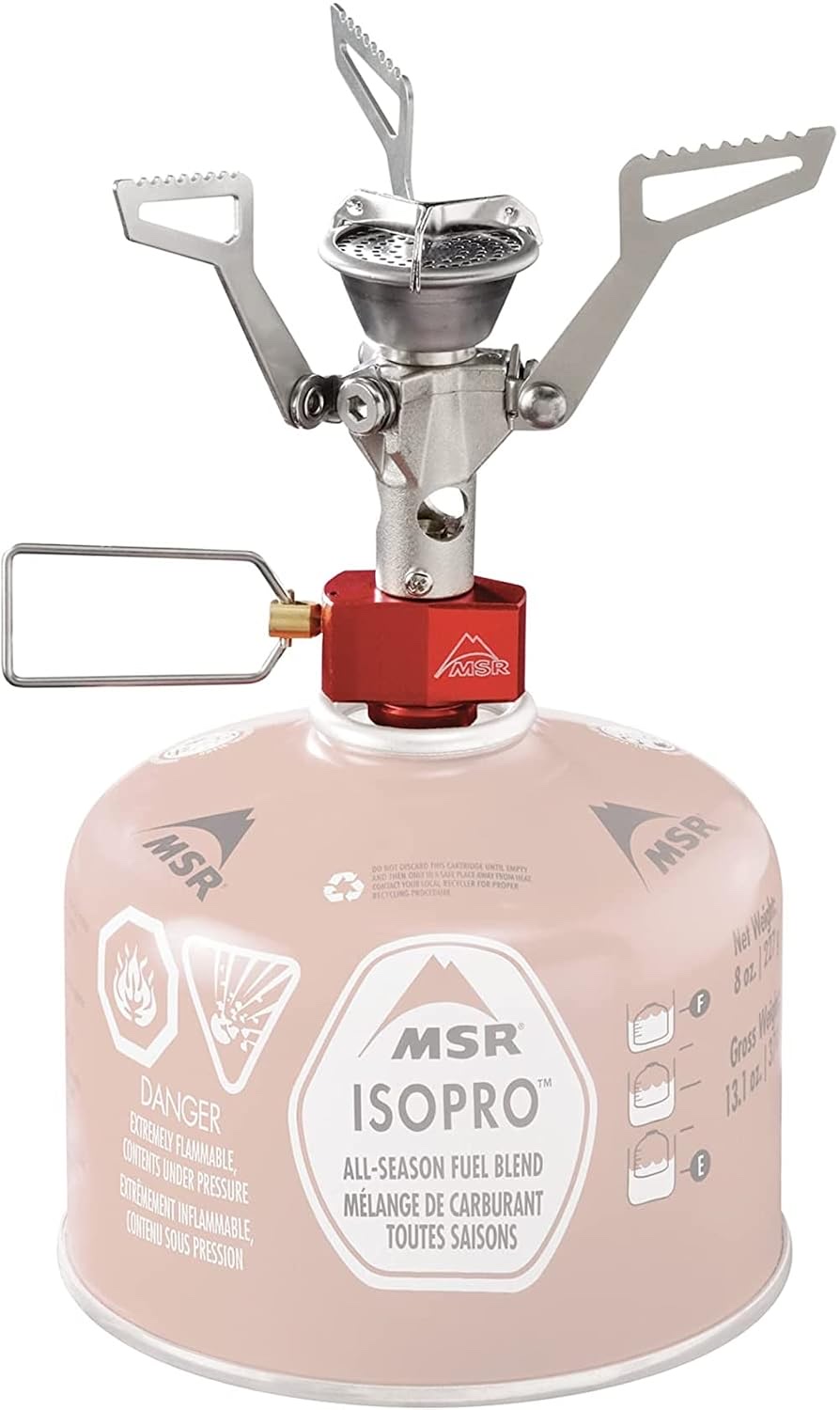
MSR PocketRocket 2
Best for: Backpackers who want a tiny stove that boils water fast.
A pocket-size canister stove that boils water quickly for meals and hot drinks.
4. Cooking for winter hikes: a stove that works in the cold
- Tiny and very light
- Fast boil for its size
- Simple to use
- You want to simmer gourmet meals or cook for a group.
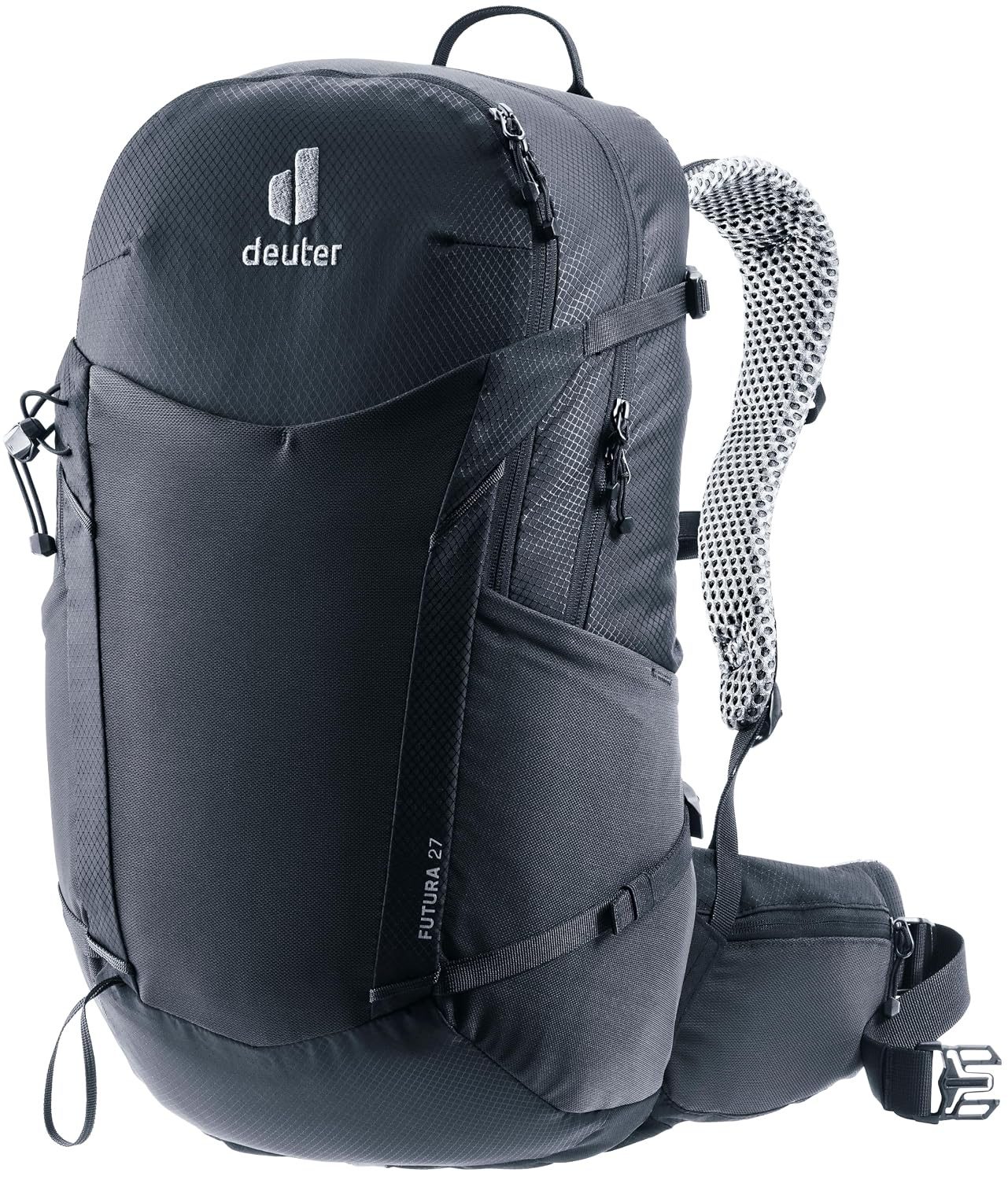
Deuter Futura 27
Best for: Day hikers who want airflow and easy access on longer day routes.
A ventilated day pack with a comfortable carry for all-day hikes in warm weather.
4. Cooking for winter hikes: a stove that works in the cold
- Strong back ventilation
- Comfortable carry for a full day
- Easy access to the main compartment
- You want the smallest, simplest summit pack.
5. Water treatment for winter hikes: carry less, filter more
Water is the heaviest thing you carry, and in winter it freezes too: bottles ice up, tubes freeze solid, and streams hide under snow. A filter still lets you refill from open water instead of carrying litres, and melting snow is the backup — slow and fuel-hungry, so only as a last resort. Read our water treatment basics before your first winter trip.
Both filters below are light, simple and proven. The squeeze filter is the classic choice for solo hikers; the quick-draw filter is faster when you filter for two people at camp. In real cold, keep the filter in an inside pocket — a frozen filter can crack.
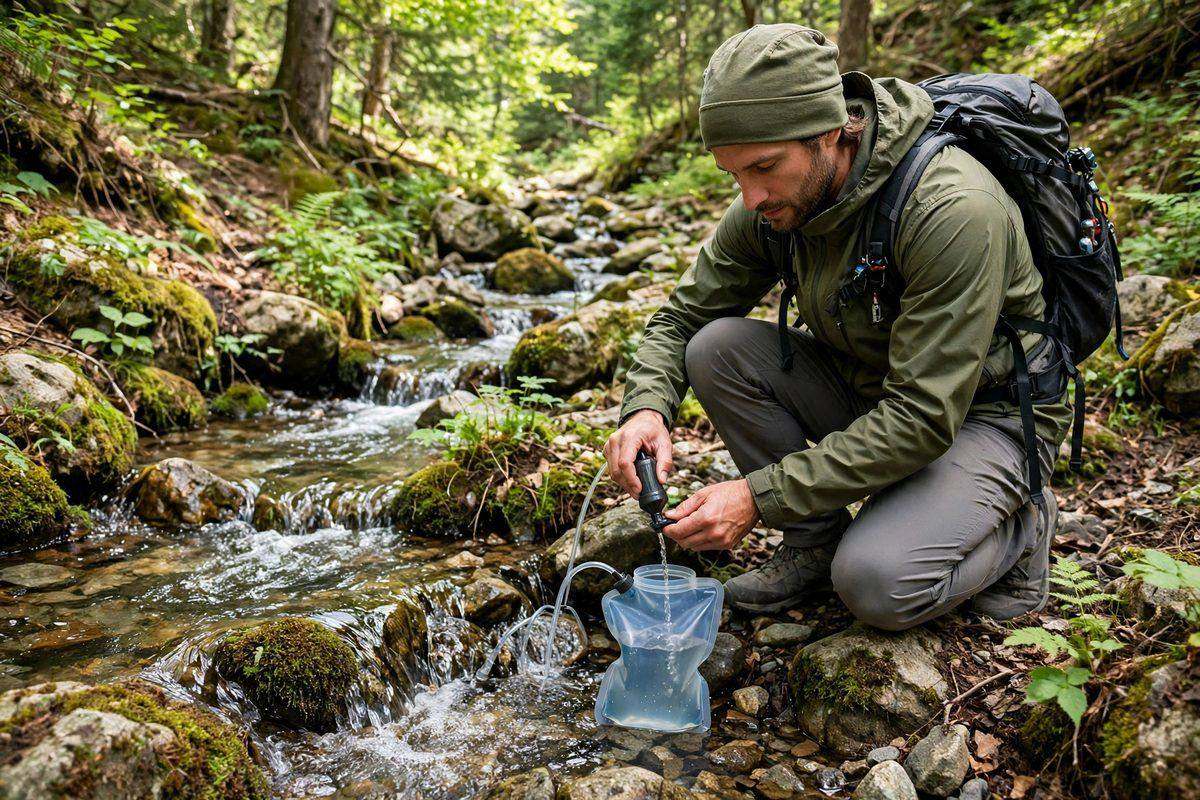
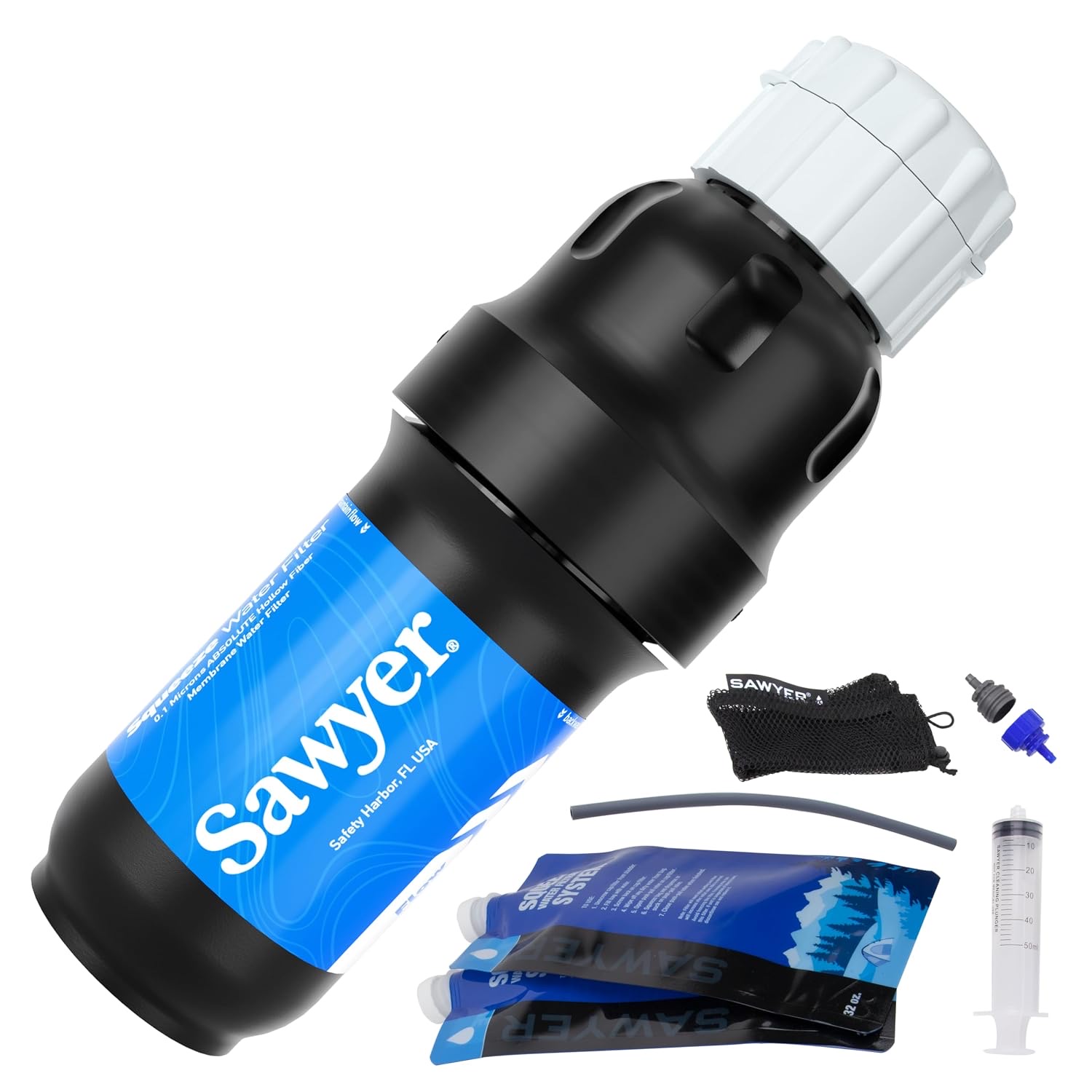
Sawyer Squeeze
Best for: Hikers who want a simple, light filter for streams and lakes.
A compact squeeze filter that treats water on the move with no pumping.
5. Water treatment for winter hikes: carry less, filter more
- Very light and simple to use
- No pumping or batteries
- Fits standard bottles and pouches
- You want to filter large volumes at camp or muddy water.
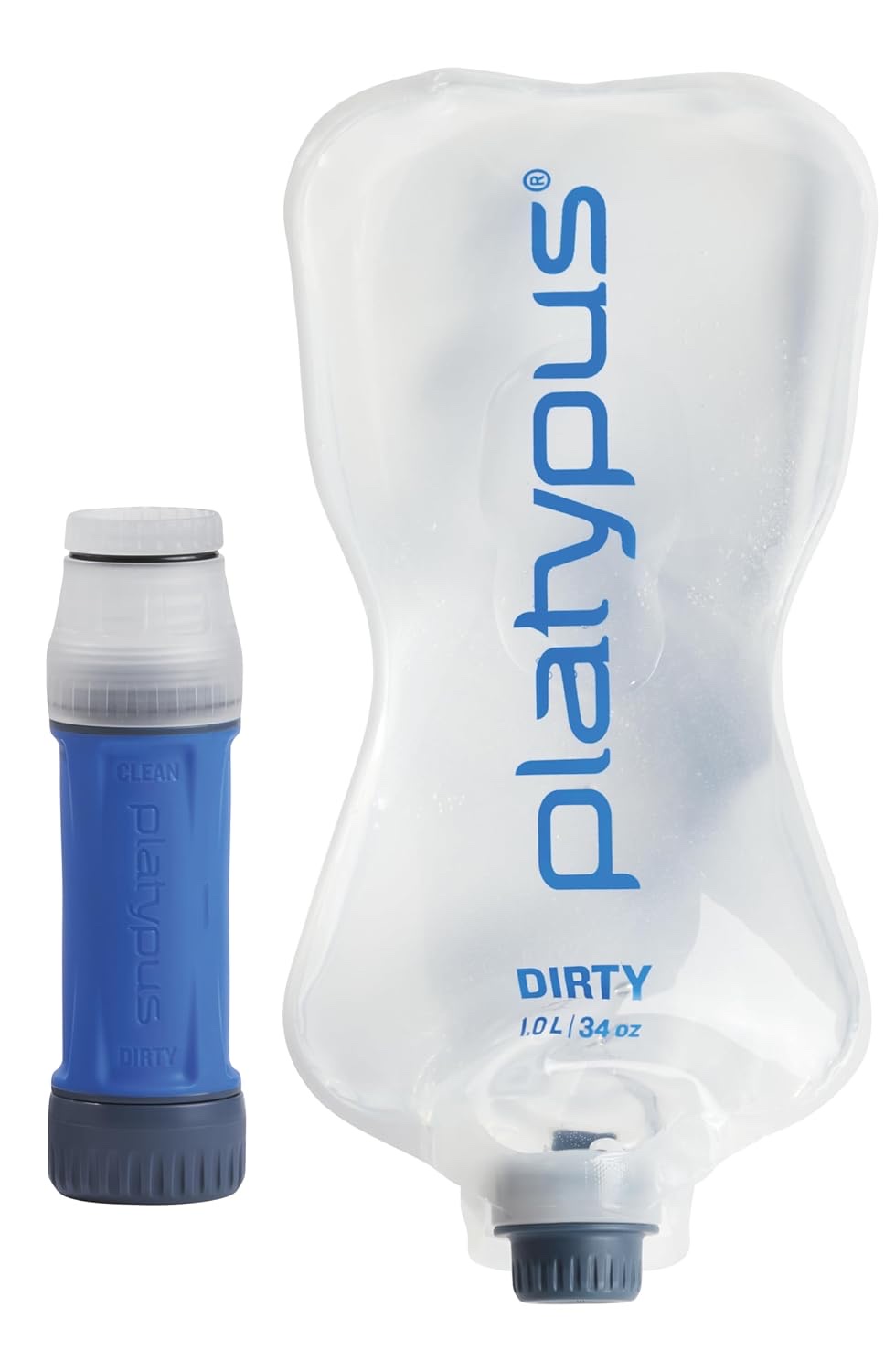
Platypus QuickDraw 1 Liter Water Filter System
Best for: Hikers who want a fast filter with a clear view of the water flow.
A compact 1-litre filter system with a fast flow rate for quick trail refills.
5. Water treatment for winter hikes: carry less, filter more
- Fast flow for quick refills
- Clear body shows the water
- Light and easy to pack
- You want a gravity system for groups or a larger capacity.
6. Navigation and safety for winter hikes: never lose contact
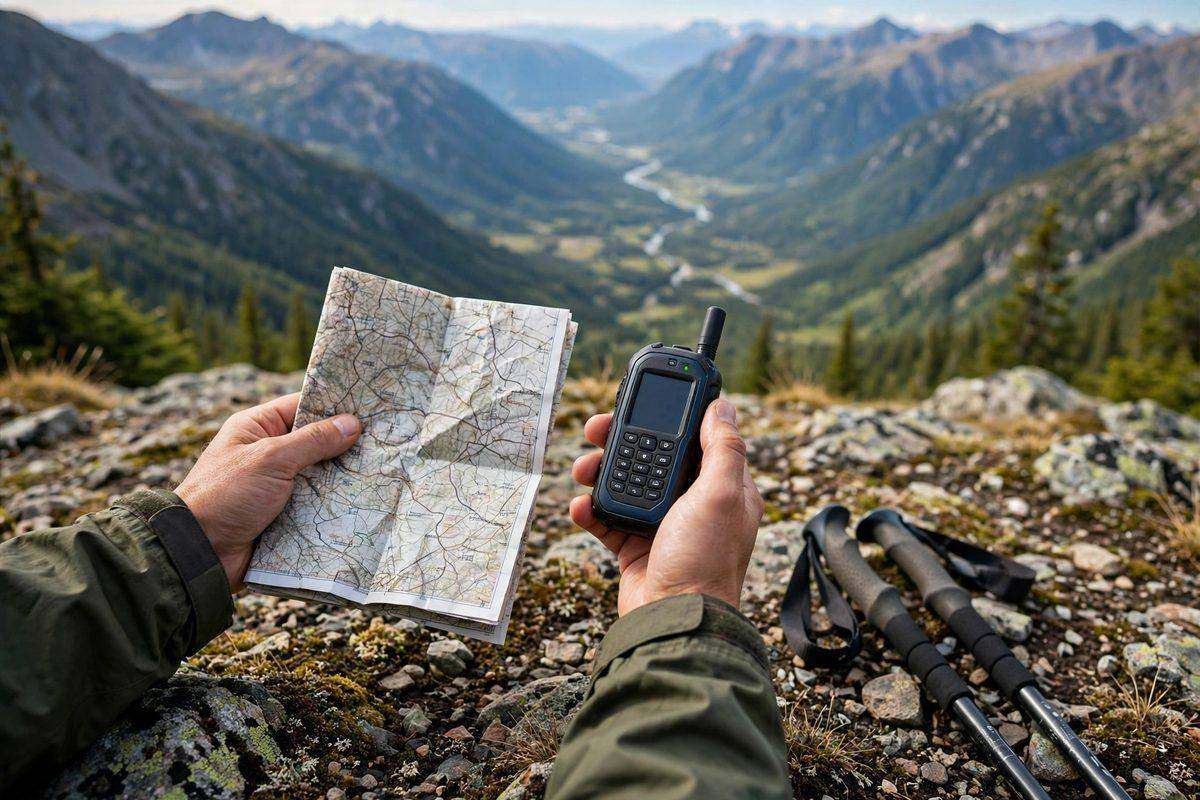
Winter routes take you beyond phone signal, and snow buries the trail itself, so you need a way to call for help and a way to stay upright on rough ground. A satellite communicator sends messages and an SOS from anywhere; trekking poles save your knees on descents and steady you on ice. Run through our hiking safety checklist before every winter trip, and read our winter hiking safety guide for the cold-injury signs.
The inReach Mini 2 is the safety pick for remote winter routes: two-way messages, weather forecasts and an SOS button in your pocket. The Makalu Lite poles are the stability pick: light, proven poles for long days with a heavy pack on snow and ice.
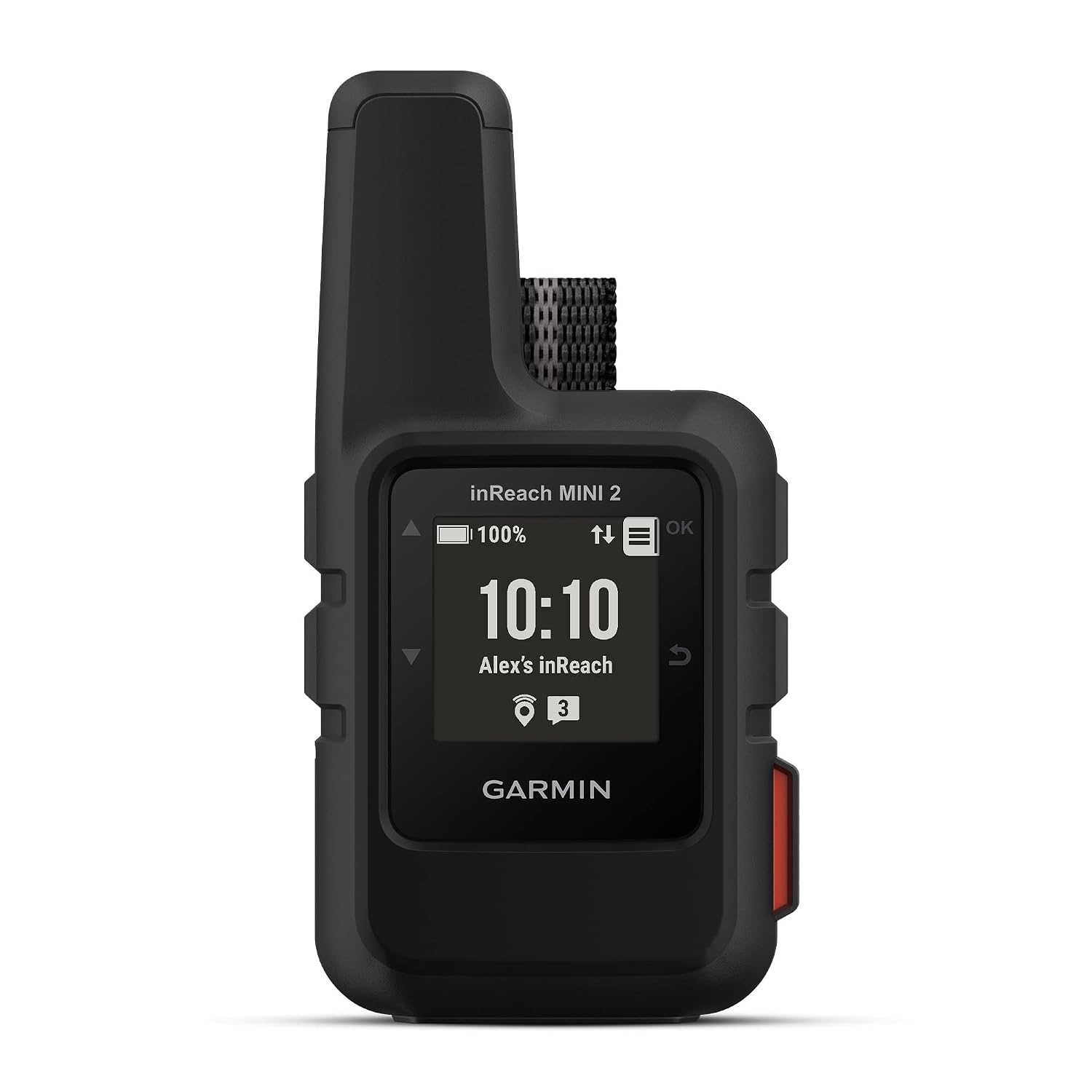
Garmin inReach Mini 2
Best for: Hikers who go beyond phone signal and want two-way contact.
A compact satellite communicator for messages and SOS when there is no mobile coverage.
6. Navigation and safety for winter hikes: never lose contact
- Two-way messages off the grid
- SOS when there is no signal
- Small and light to carry
- Needs a subscription plan for messaging and SOS.
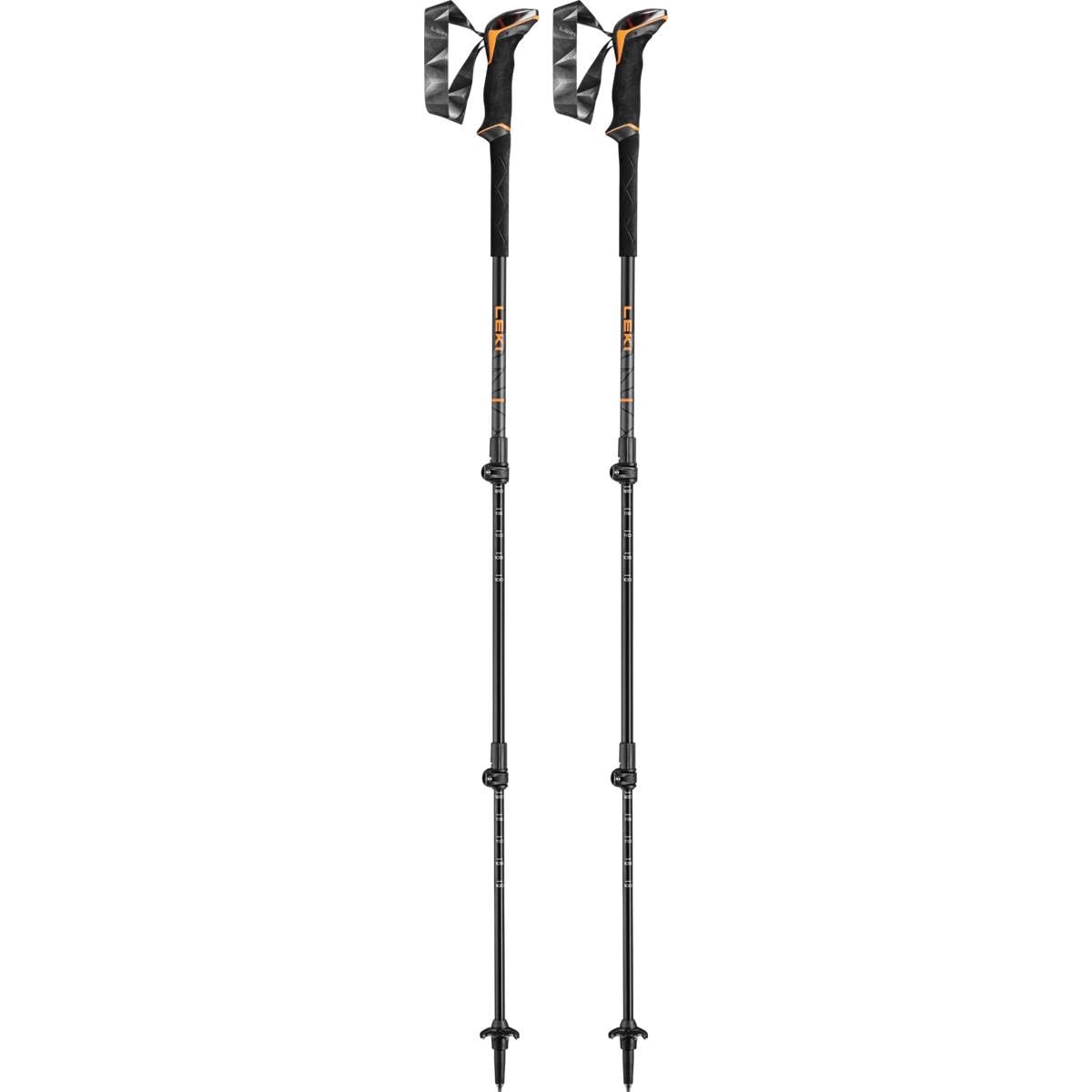
LEKI Makalu Lite
Best for: Hikers who want a light, proven pole for long-distance trails.
A lightweight aluminium pole pair with a reliable locking system for multi-day routes.
6. Navigation and safety for winter hikes: never lose contact
- Light for an aluminium pole
- Reliable locking system
- Comfortable grip
- You want a carbon pole or a pole that folds for travel.
7. Footwear for winter hikes: boots that stay warm and grip
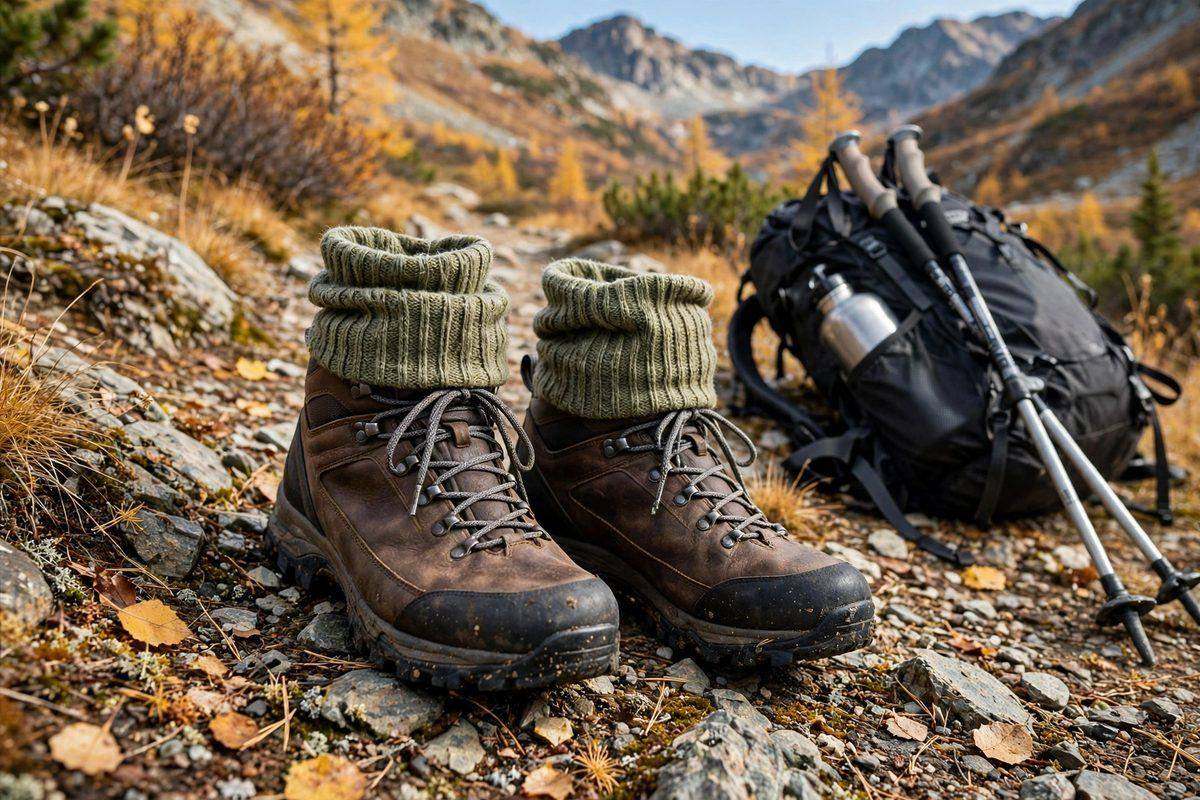
Your feet carry the load for days, and in winter they also fight the cold: wet feet freeze fast, and a slip on ice can end the trip. Boots must be insulated and waterproof, fit with real winter socks, grip on ice, and break in before the trip — never start a winter hike in brand-new boots. See how hiking boots should fit and how to prevent blisters on long hikes.
The Moab 3 is the forgiving pick: comfortable from the first day and easy to break in. The Salomon X Ultra 5 Mid GTX is the wet-weather pick: waterproof, supportive and sure-footed on uneven, icy ground.
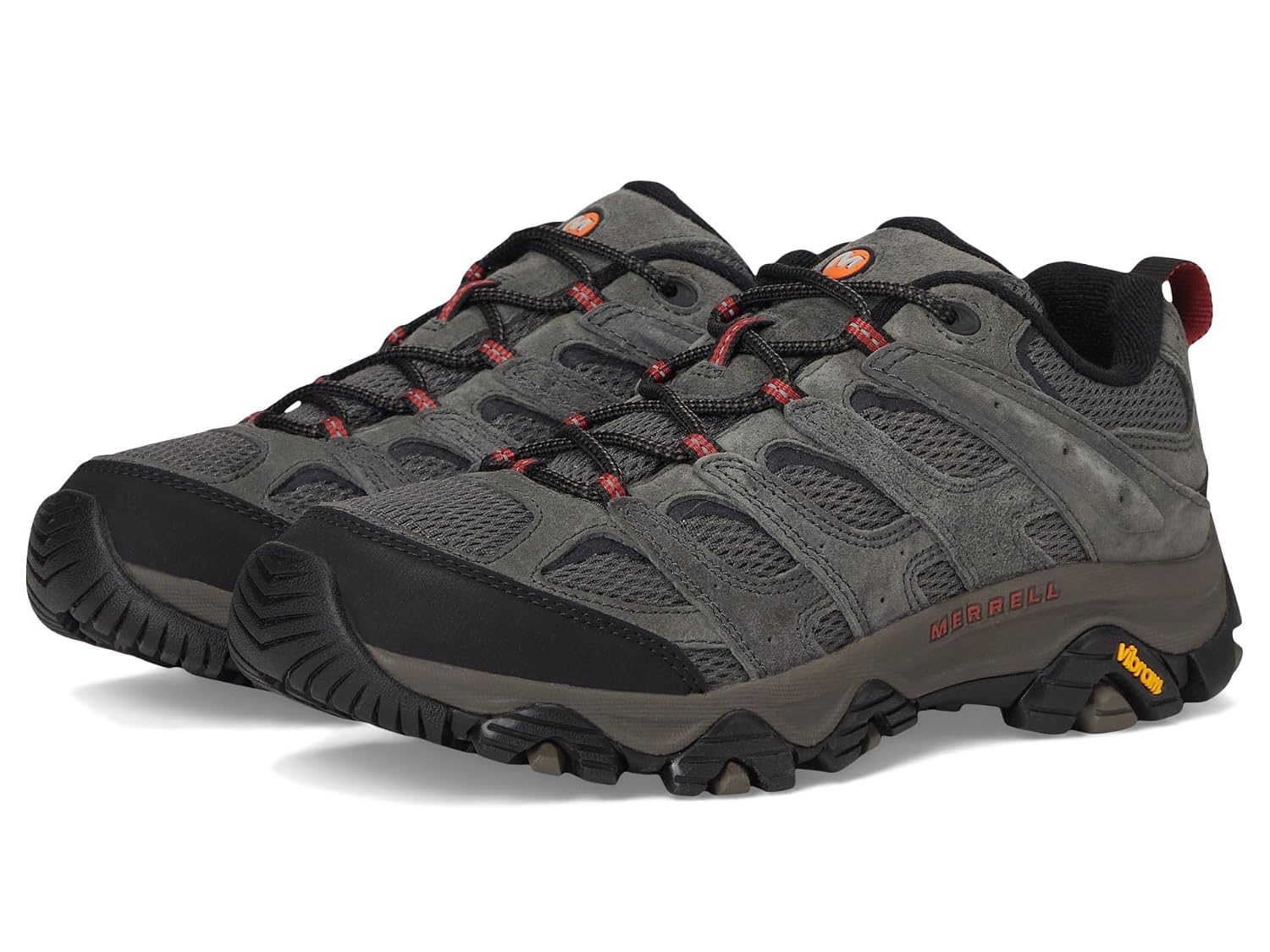
Merrell Moab 3
Best for: Hikers who want a forgiving, comfortable shoe that breaks in easily and works on most trails.
A familiar leather-and-mesh hiking shoe for buyers who value comfort, durability, and an easy break-in curve.
7. Footwear for winter hikes: boots that stay warm and grip
- Forgiving fit that suits real hiking socks
- Easy break-in curve for new hikers
- Leather-and-mesh upper for durability
- You need a very light fast-hiking shoe or a narrow technical fit.
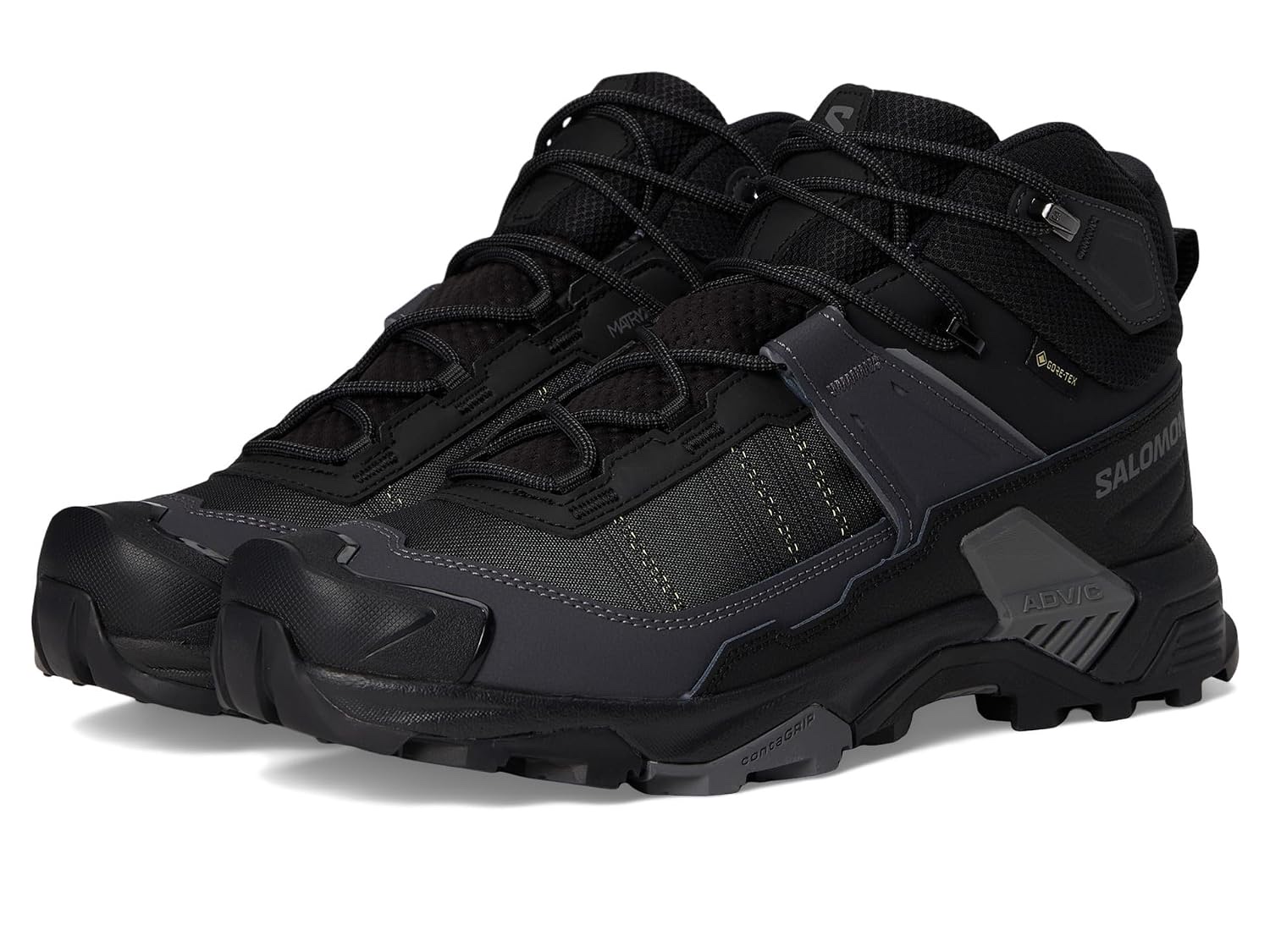
Salomon X Ultra 5 Mid GTX
Best for: Day hikers needing wet-weather protection and a secure foothold on uneven trails.
A supportive waterproof hiking shoe for mixed terrain, wet mornings, and hikers who prefer agility over a heavy boot.
7. Footwear for winter hikes: boots that stay warm and grip
- Waterproof protection for wet mornings
- Supportive mid-cut fit for uneven ground
- Agile feel without a heavy boot
- You want a soft road-running feel, wide unstructured toe space, or a non-waterproof summer shoe.
8. Clothing and layers for winter hikes: stay dry, stay warm
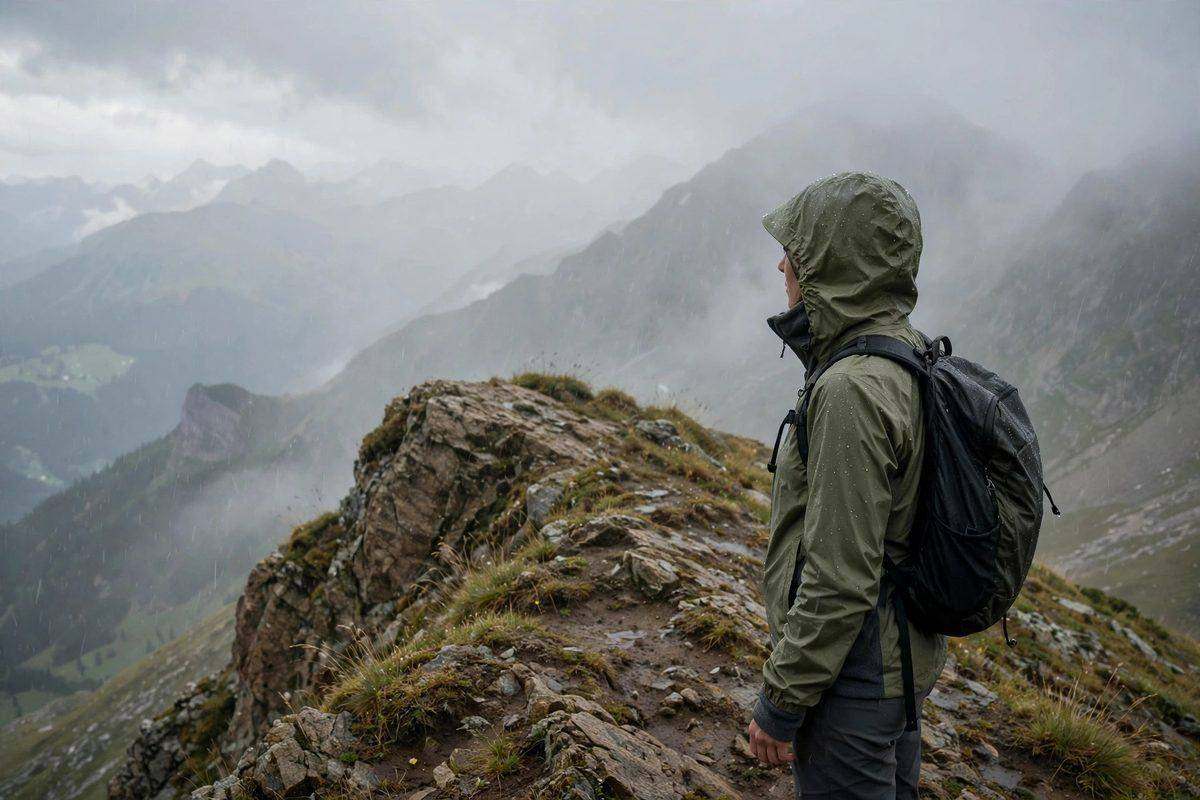
In winter you wear the same layers for days, so they must dry fast, pack small and keep you warm when wet — and the shell matters more than ever, because wind strips heat faster than cold air alone. A waterproof, windproof shell is non-negotiable: weather changes fast in the mountains, and a soaked hiker gets cold fast. Our simple layering system and winter hiking safety guide explain the system.
Both jackets below pack down to almost nothing. The PreCip Eco is the dependable everyday shell; the Helium UL is the lightest shell in the pack for weight-focused hikers.
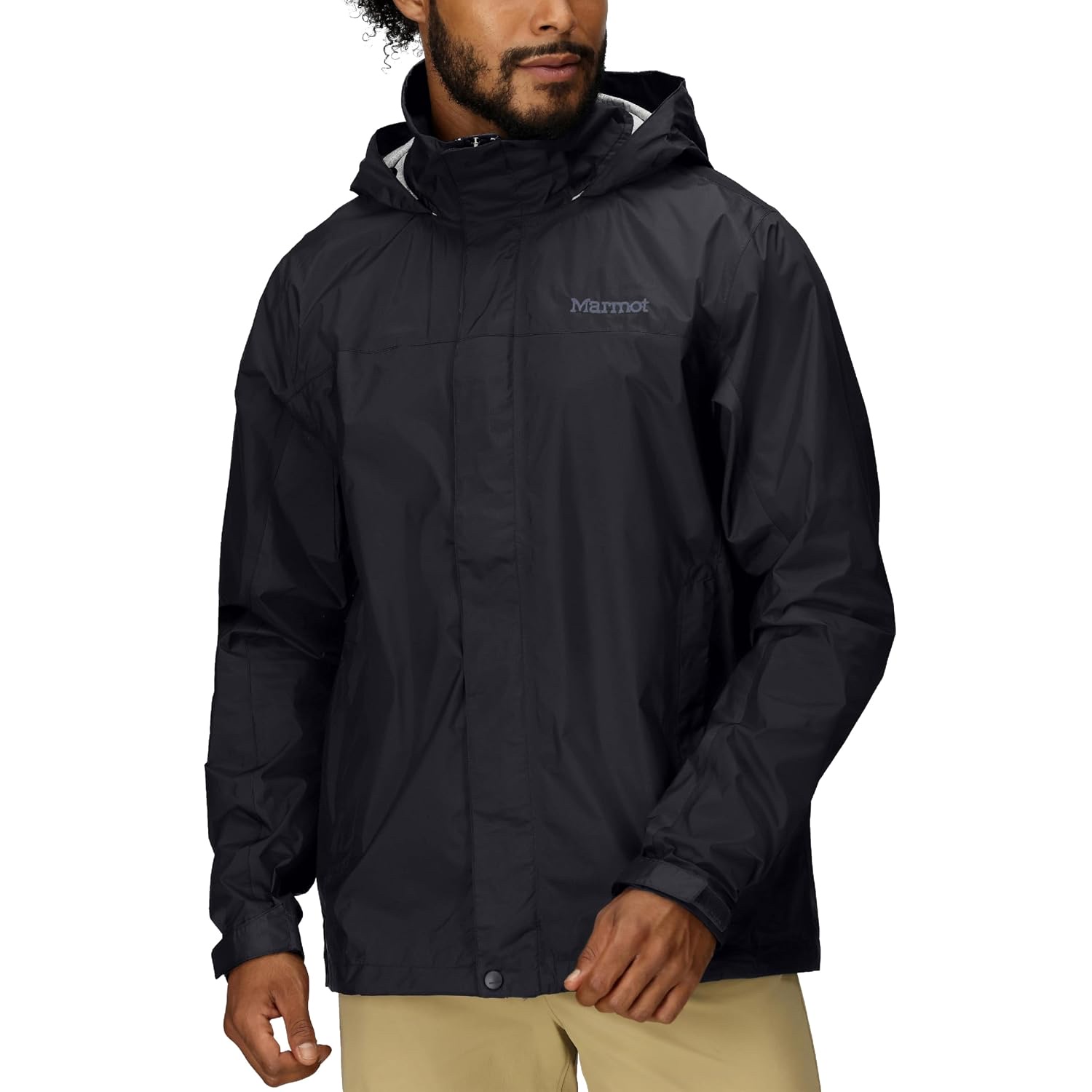
Marmot Men’s PreCip Eco Rain Jacket
Best for: Hikers who want dependable rain cover at a fair price.
A light waterproof rain jacket that packs into its own pocket for changeable weather.
8. Clothing and layers for winter hikes: stay dry, stay warm
- Reliable rain protection
- Packs into its own pocket
- Good value for a rain shell
- You want the lightest shell made or a heavy-duty storm jacket.
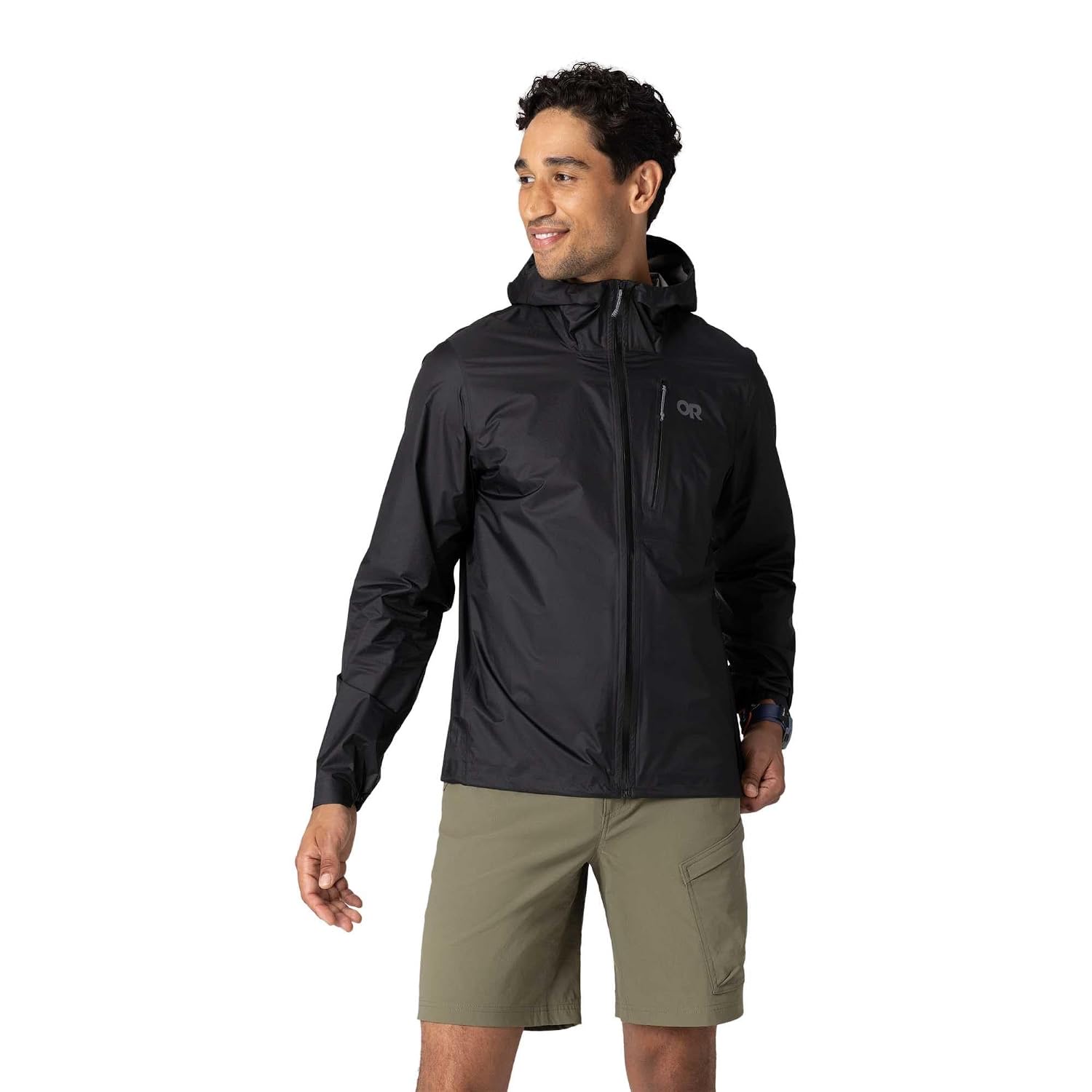
Outdoor Research Men’s Helium UL Jacket
Best for: Weight-focused hikers who want the lightest rain shell in the pack.
An ultralight waterproof shell that weighs very little and stuffs down tiny.
8. Clothing and layers for winter hikes: stay dry, stay warm
- Very light for a rain shell
- Packs down tiny
- Full weather protection
- You want a tough shell for bushwhacking or daily use.
9. Lighting for winter hikes: camp after dark
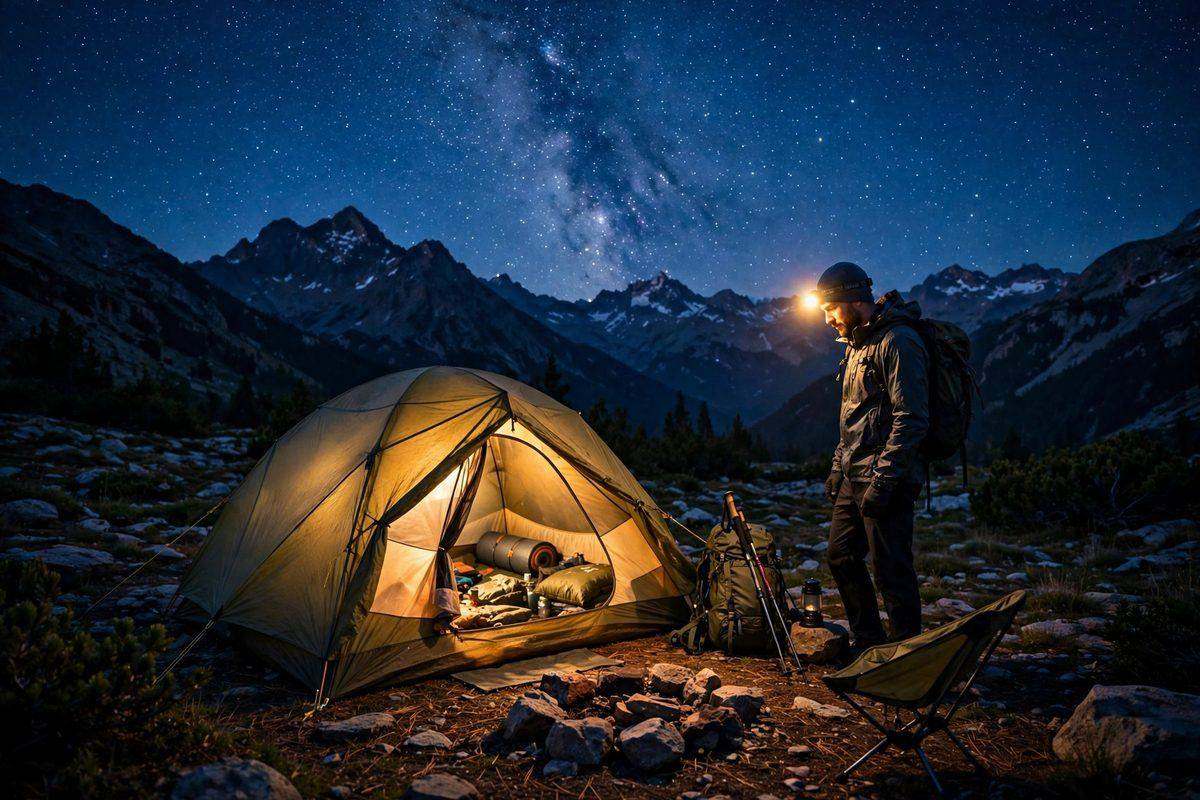
Winter days are short: the sun sets at 4 p.m., you pitch camp at dusk, cook after sunset, and sometimes walk the last stretch by headlamp. A bright, reliable headlamp with spare batteries is essential — cold drains batteries fast, so carry spares warm in a pocket. The second pick is the pad that makes the long winter night bearable: after dark, camp ends in sleep.
The Spot 400 is the lighting pick: bright, reliable and easy to use with cold hands and gloves. The NeoAir XLite NXT is the after-dark pick: a warm, quiet pad that packs tiny and lets you actually recover overnight in the cold.
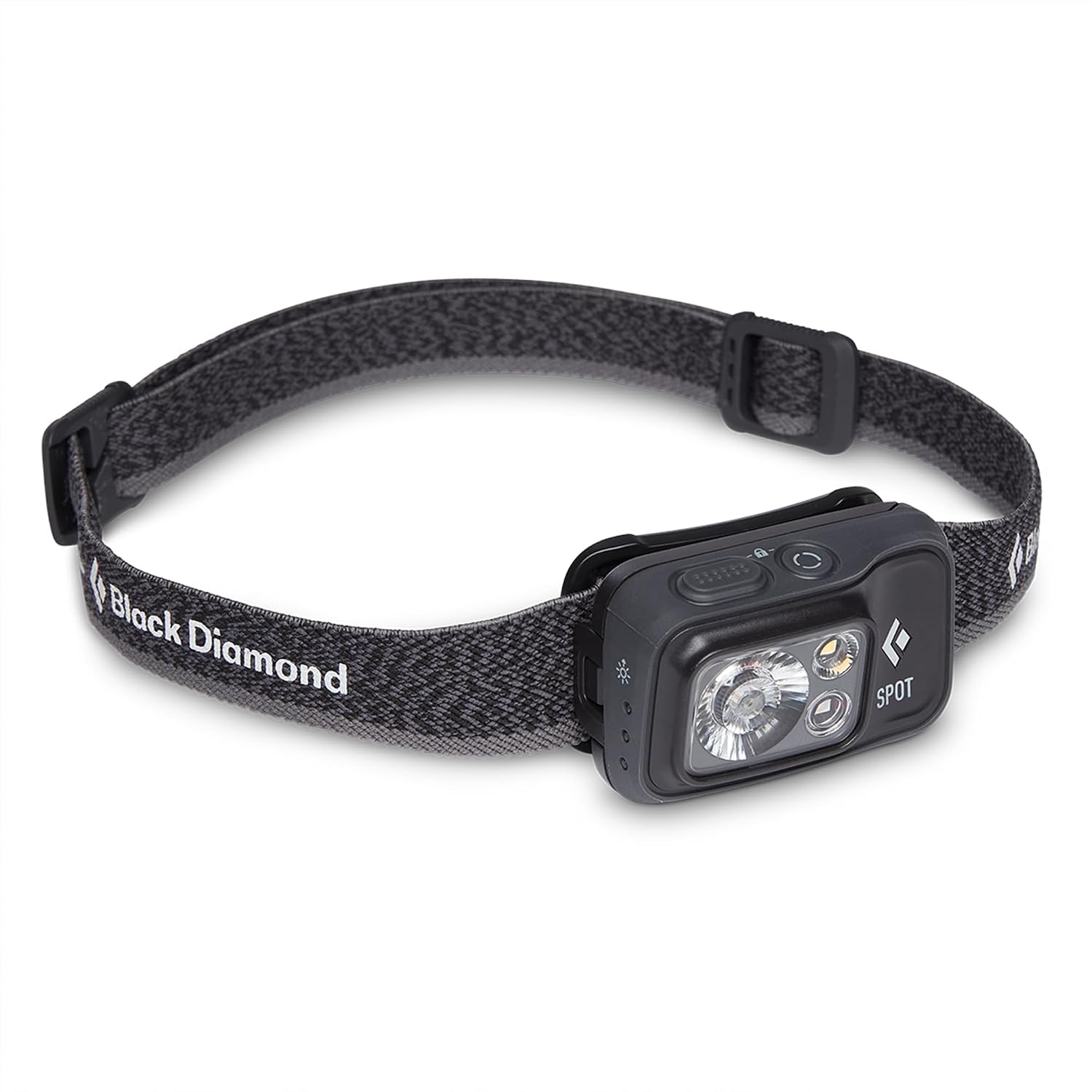
Black Diamond Spot 400
Best for: Hikers who want a bright, reliable headlamp for camp and night trails.
A compact headlamp with a strong beam and simple controls for dark trails and camp.
9. Lighting for winter hikes: camp after dark
- Bright beam for night trails
- Simple, reliable controls
- Compact and light
- You want a rechargeable-only light or a specialist caving lamp.
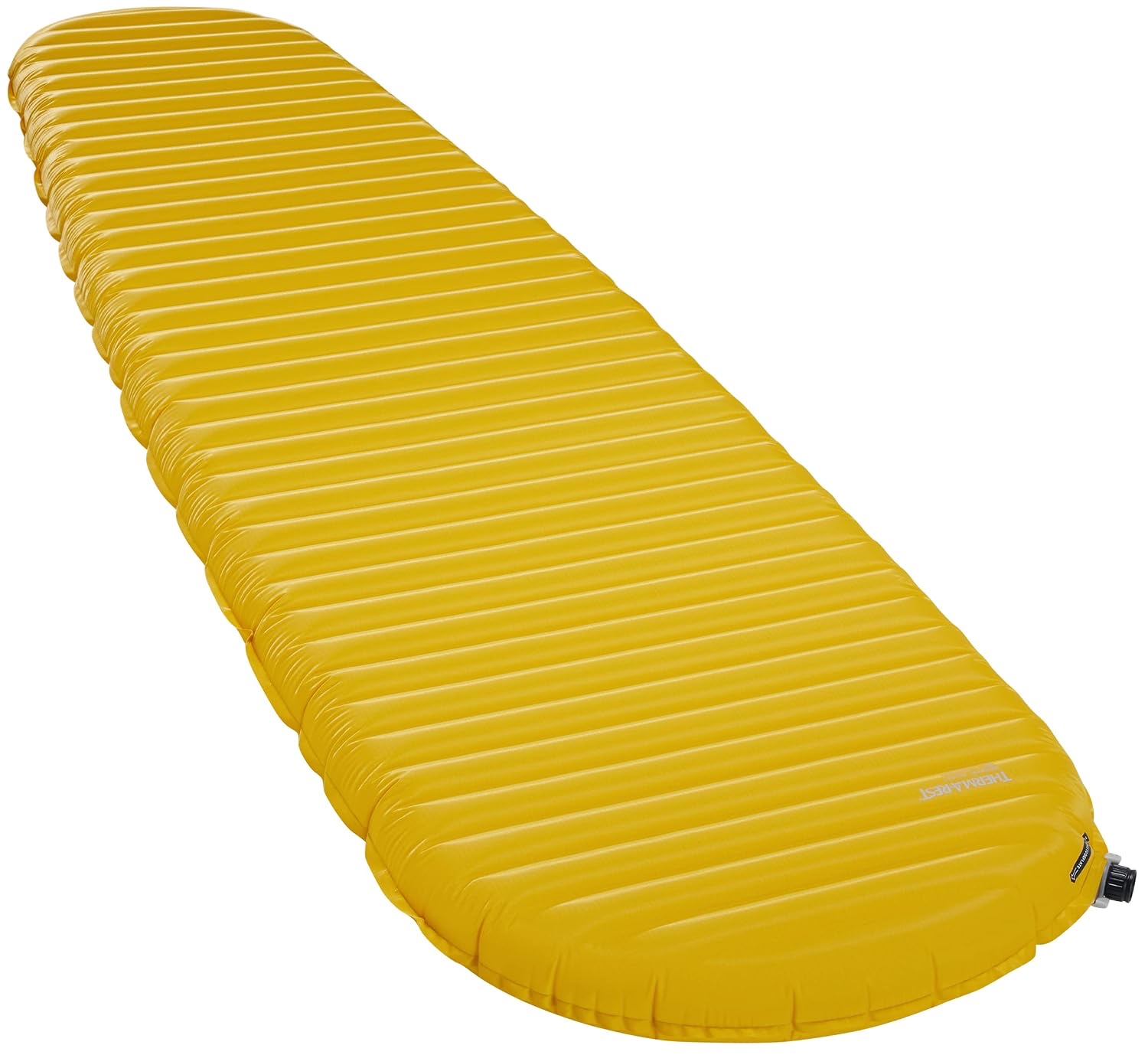
Therm-a-Rest NeoAir XLite NXT
Best for: Ultralight backpackers who want a proven pad that packs tiny.
A very light insulated air pad with a compact pack size for weight-focused trips.
9. Lighting for winter hikes: camp after dark
- Very light for an insulated pad
- Packs down very small
- A long-proven trail design
- You want a silent pad or a wide, plush feel.
10. First aid and repair for winter hikes: blisters, knees and fixes
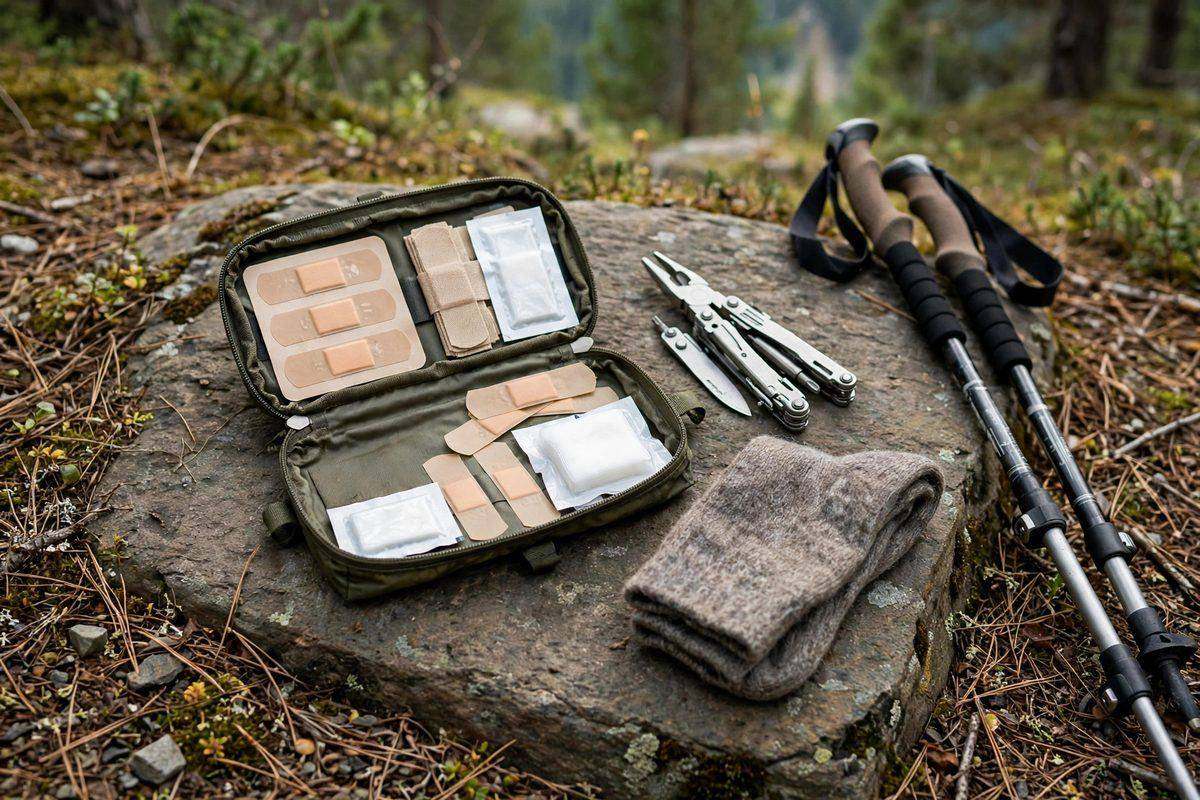
Two things end winter trips early: blisters and bad knees — and cold makes both worse, because you cannot feel a blister forming through numb feet. Merino socks that resist blisters are the cheapest insurance on the trail, and trekking poles double as repair kit — they steady you on icy descents, prop up a tarp, and can even splint a sprain in an emergency. Leave no trace on every trip: see Leave No Trace: seven principles for hikers.
The Darn Tough socks are the blister pick: one durable merino sock that resists blisters day after day. The Black Diamond poles are the repair-and-support pick: sturdy poles that save knees and pull double duty in camp.
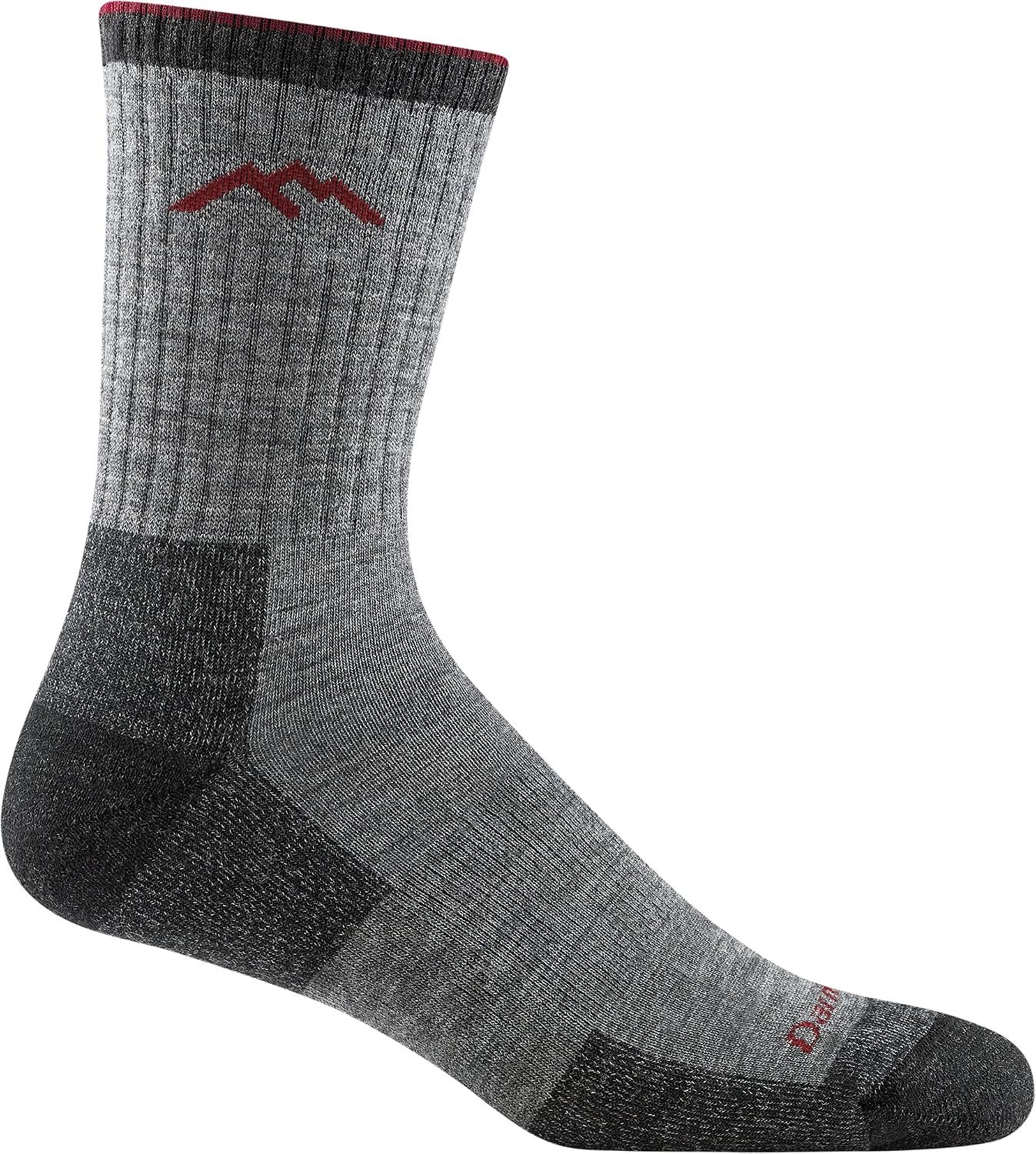
Darn Tough Men’s Hiker Micro Crew Cushion Socks
Best for: Hikers who want one durable merino sock that resists blisters mile after mile.
A cushioned merino hiking sock built for long days, with a close fit that stays put inside the shoe.
10. First aid and repair for winter hikes: blisters, knees and fixes
- Merino cushioning that reduces friction
- Holds its fit after many washes
- A solid choice for multi-day trips
- You want a no-show sock or a budget multipack.
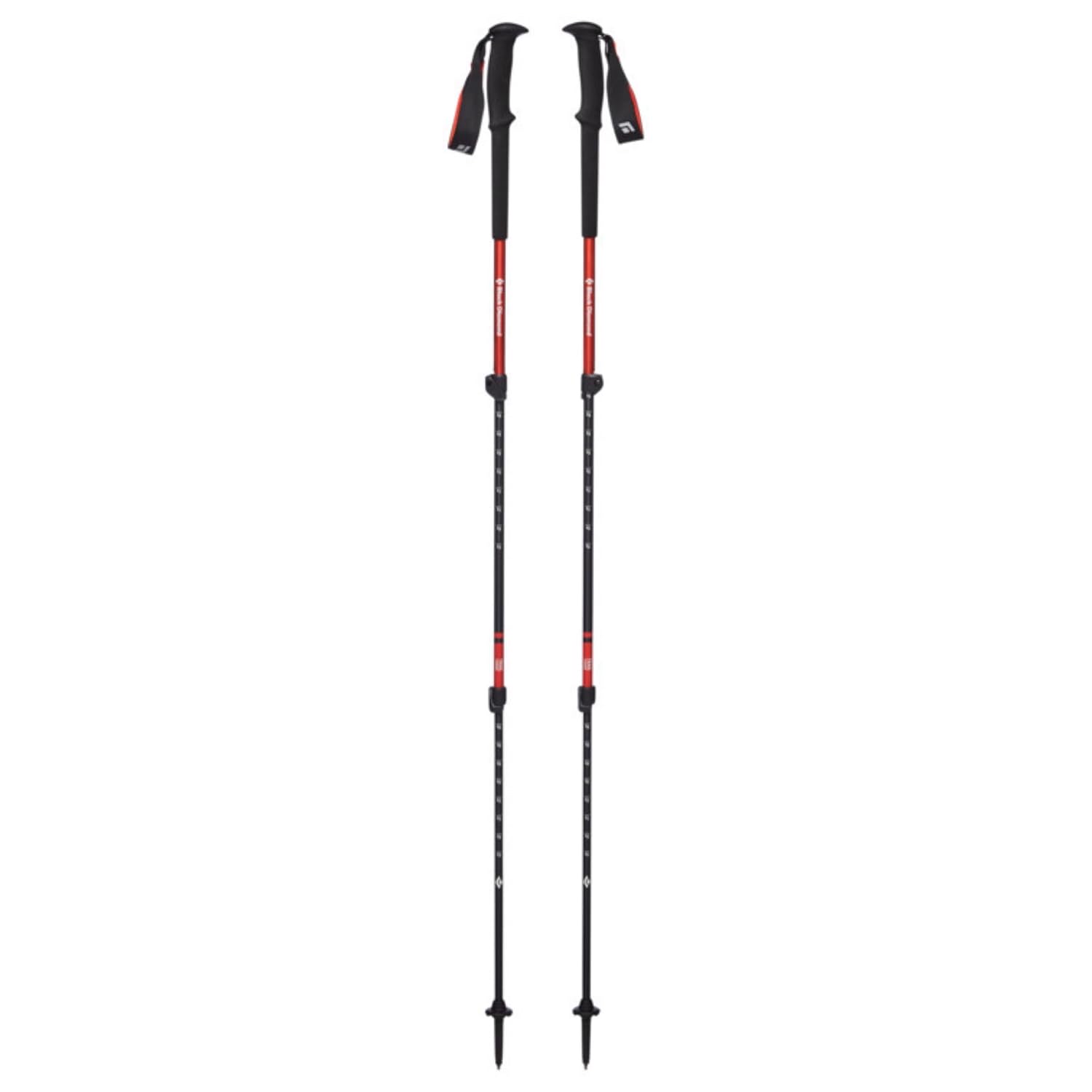
BLACK DIAMOND Trail Trekking Poles
Best for: Hikers who want sturdy poles that save knees on descents.
A durable pair of trekking poles with a comfortable grip for long days on uneven ground.
10. First aid and repair for winter hikes: blisters, knees and fixes
- Sturdy on rough ground
- Comfortable grips for long days
- Easy length adjustment
- You want the lightest carbon poles or a folding travel pair.
Frequently asked questions
What makes hiking gear 'winter' gear?
Winter gear handles snow, wind and freezing temperatures: insulated boots, a windproof shell, a high R-value sleeping pad, a stove that works in the cold, and a headlamp for short days. The same brands and models often work year-round — the difference is insulation, waterproofing and cold-weather reliability.
Can I use my summer tent in winter?
For a calm night below the snowline, sometimes — but a summer tent's thin poles bend under snow load and mesh walls let spindrift in. If you camp in real snow or wind, use a tent built for it. For day hikes in winter, the tent does not matter; for winter camping, it does.
What R-value sleeping pad do I need for winter?
Look for an R-value of 4 or more for winter camping, and 5 or more for deep cold or snow camping. The pad insulates you from frozen ground all night — it matters more than the sleeping bag. Both pads in this guide are proven winter performers.
Do I need insulated boots for winter hiking?
Yes, for snow and temperatures below freezing: insulated, waterproof boots keep feet warm when the trail is snow and meltwater. Non-insulated boots work on cold dry days, but once your feet get wet in the cold, they stay cold. Fit them with real winter socks, not summer ones.
How do I keep water from freezing on a winter hike?
Use insulated bottles, carry them upside down so the cap freezes last, keep one inside your pack wrapped in a spare layer, and sip often. Avoid hydration tubes in real cold — they freeze first. A flask of hot drink helps too.
Are trekking poles useful in snow?
Yes — more than in summer. Poles steady you on ice, test snow depth and hidden ice ahead of you, and save your knees on descents with a heavy winter pack. Fit them with snow baskets so they do not sink into soft snow.
Are the prices in this guide current?
Prices change often, so this guide shows ‘check listing’ instead of a fixed price. Tap a card to see the current price, size and colour options on the listing before you buy.
Useful Sources and Verification
Use these source types to check current details before you buy.
- Manufacturer specifications and care guidance from each brand’s official product page
- Current prices, sizes and colour options on the linked retailer listing — check before you buy
- Trail safety and packing guidance from our own trail guides on this site
Affiliate disclosure: Hiking Gear Shop participates in the Amazon Associates program. If you buy through a link on this page, we may earn a commission at no extra cost to you. Prices and availability can change — check the listing before you buy.