
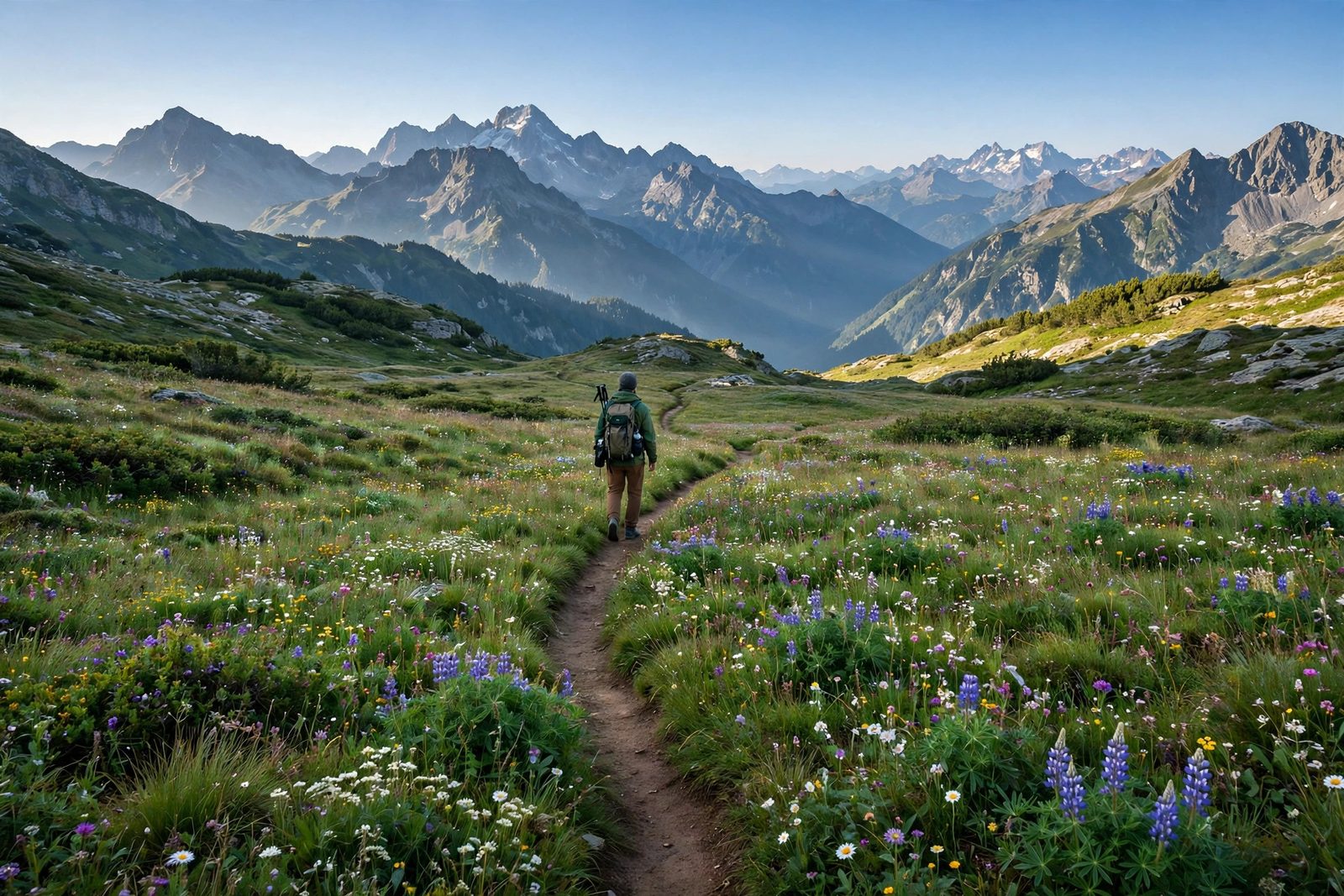
 Featured imageA hiker on an alpine meadow trail
Leave No Trace is a simple idea: enjoy the outdoors and leave it as you found it. These seven principles show how to plan, walk, camp, and clean up so the next hiker — and the wildlife — finds the trail just as good as you did.
Leave No Trace means planning ahead, staying on durable ground, packing out everything you bring in, leaving natural and historic features untouched, keeping fires small or skipping them, giving wildlife space, and being considerate of other trail users. It is not about perfection — it is about making the low-impact choice the default on every hike.
Position and Plan
Position: A practical, plain-language guide to the seven Leave No Trace principles, written for day hikers and overnight backpackers who want to reduce their impact without needing specialist knowledge.
Plan: Walk through each principle with real trail situations — mud, toilet waste, food scraps, dogs, drones, busy viewpoints — so the reader can apply them on the next hike.
The 7 principles at a glance
| Principle | What it means |
|---|---|
| 1. Plan ahead and prepare | Know the rules, weather, and route before you go. |
| 2. Travel and camp on durable surfaces | Stay on trails and camp on rock, gravel, or dry grass. |
| 3. Dispose of waste properly | Pack out all trash, food scraps, and toilet paper. |
| 4. Leave what you find | Take photos, not rocks, plants, or artifacts. |
| 5. Minimize campfire impacts | Use a stove, or keep fires small and only where allowed. |
| 6. Respect wildlife | Watch from a distance and never feed animals. |
| 7. Be considerate of others | Yield, keep noise down, and share the trail. |
1. Plan ahead and prepare
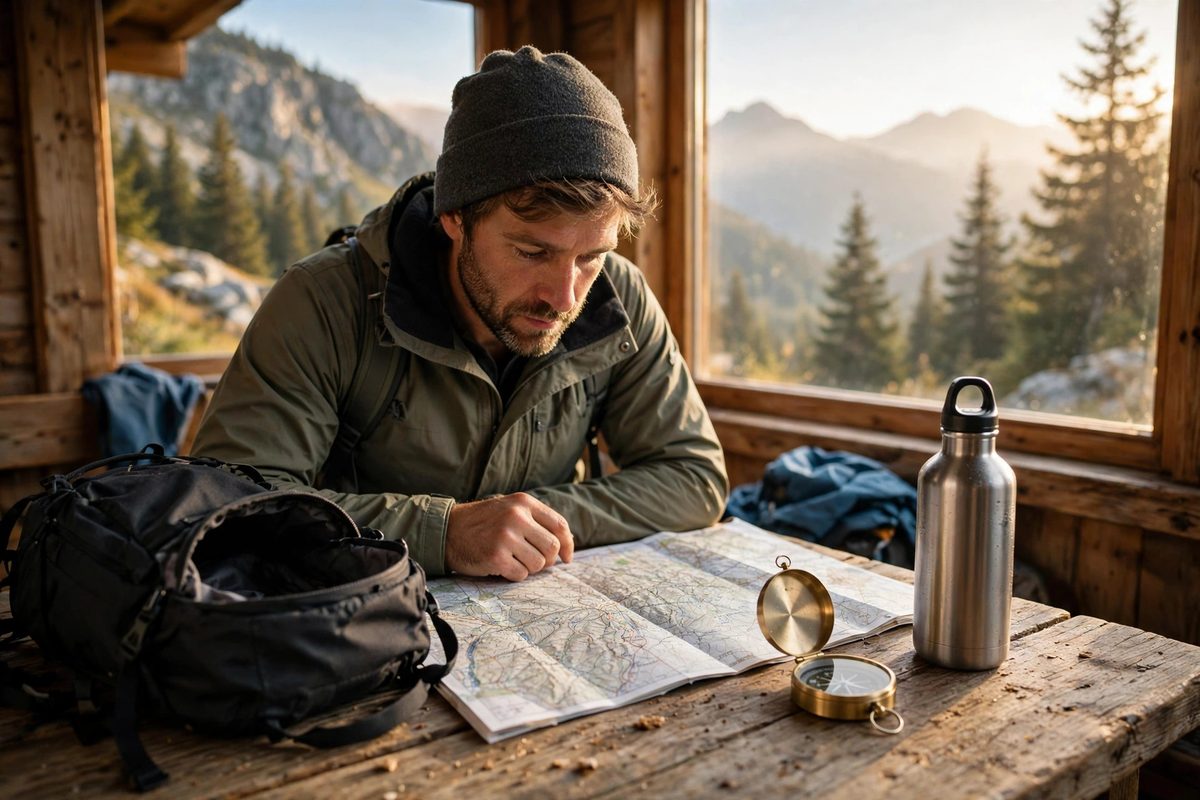
Most trail damage starts with poor preparation: a hiker who does not know the rules of an area may camp beside a closed lakeshore or light a fire during a fire ban. Before a trip, check the regulations for permits, fire bans, group size limits, and seasonal closures — rules vary from place to place, so check the information from the authority that manages the area.
Plan your route, weather, daylight, and water, pack for the conditions, and tell someone where you are going and when you expect to be back. A well-prepared hiker needs outside help less often and leaves less trace — our hiking safety checklist helps with the preparation.
2. Travel and camp on durable surfaces
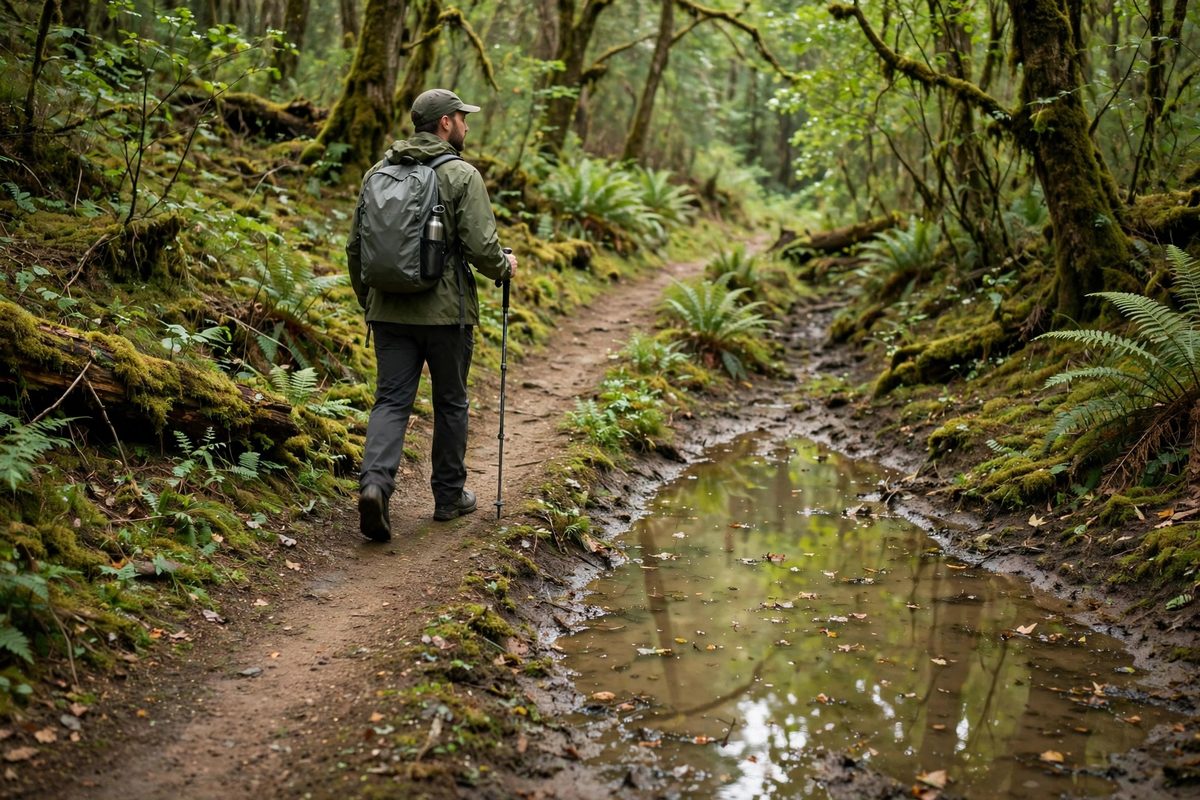
In popular areas, stay on marked trails even when they are muddy: walking around a puddle widens the trail and damages the vegetation beside it. Cutting across switchbacks creates new erosion gullies — stay on the trail even when the shortcut looks tempting.
Camp on established sites or on durable ground such as rock, gravel, or dry grass, and well away from lakes and streams so banks and water stay clean. As a guide, about 70 adult steps from water is the recommended distance. In pristine areas without trails, spread out over durable surfaces rather than walking the same line again and again.
3. Dispose of waste properly
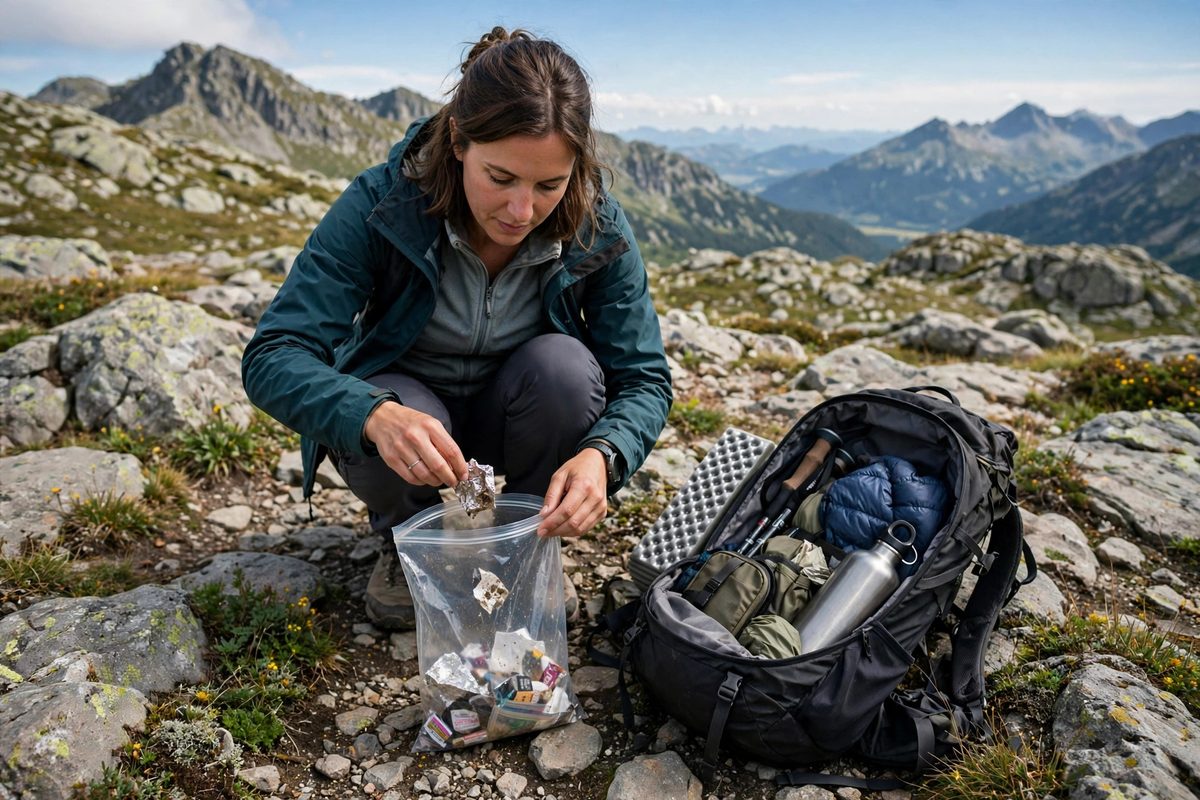
Pack out everything you bring in — packaging, food scraps, fruit peels, and toilet paper. Food scraps and peels break down more slowly than most people think, and they attract animals to trails and rest stops. Small litter like wrapper corners and foil bits goes in the pack too, not on the ground.
Use toilets where they exist. Where they do not, bury human waste in a shallow hole in organic soil — about 15 to 20 centimetres deep — well away from water, trails, and camp. Wash yourself and your dishes away from water sources and scatter the wash water over a wide area. In some areas, such as river corridors or alpine zones, human waste must be packed out — check local rules. How to treat drinking water on the trail is covered in our guide to water treatment basics for hiking.
4. Leave what you find
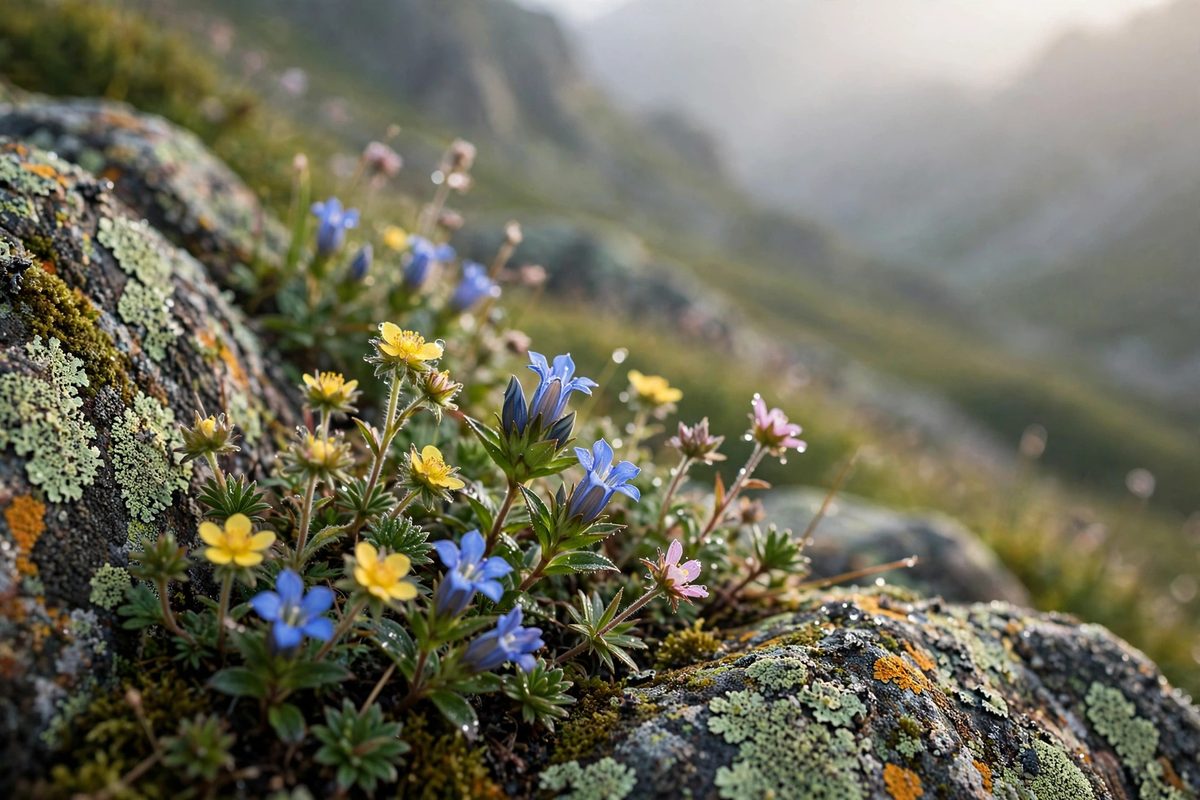
Leave rocks, plants, fungi, and historic objects where they are. Picking wildflowers takes food from pollinators, and stacking stones or building new cairns changes the trail for everyone who comes after — do not alter existing waymarks.
Do not carve trees or rocks, build new fire rings or trenches, or take ‘souvenirs’ from old cabins or ruins. Clean your boots and gear before a trip so you do not carry seeds or organisms into a new area.
5. Minimize campfire impacts
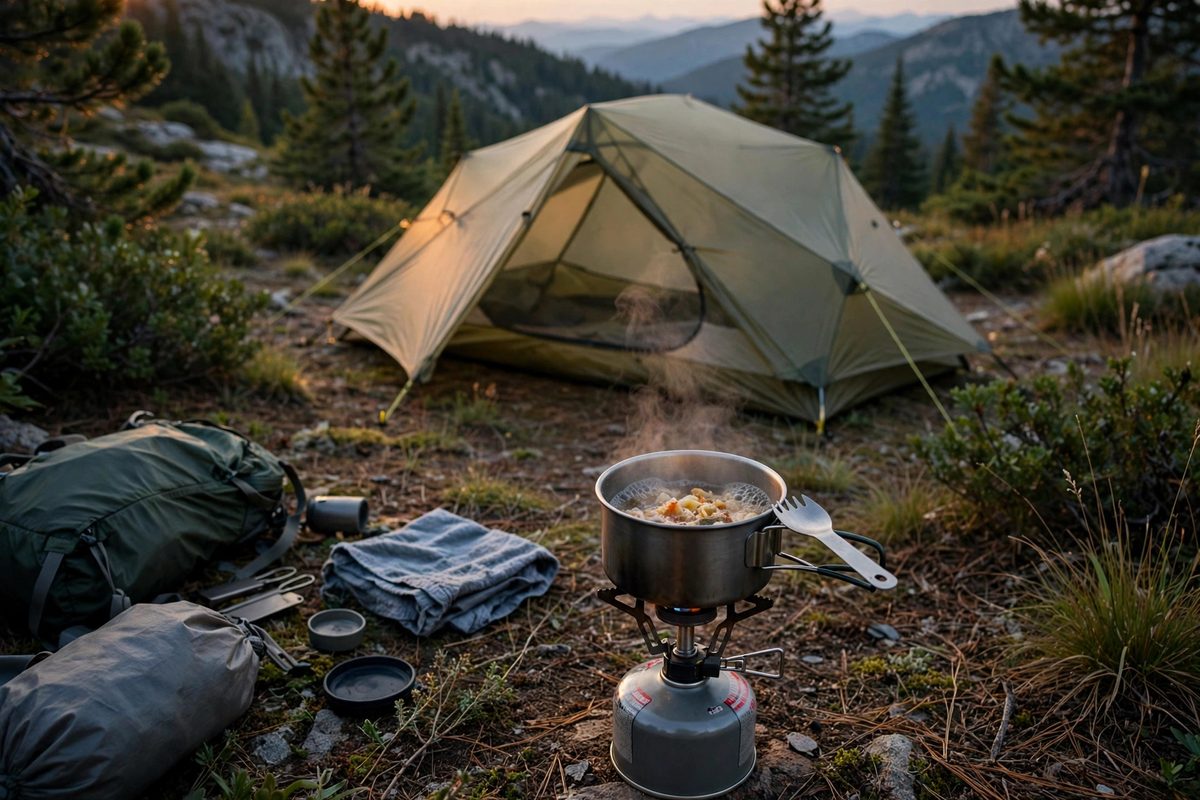
A camp stove is almost always the lower-impact choice: it leaves no fire ring, needs no wood, and works even when fires are banned. If you do build a fire, do it only where fires are allowed, keep it small and in an existing fire ring — and never during a fire ban or in fragile alpine zones.
Burn only small, dead wood found on the ground, and let the fire burn down to ash. Douse it with water, stir the ashes, and check with your hand that everything is cold before you leave. Never leave a fire unattended. What belongs in the pack for a first night outdoors is covered in our first overnight hiking packing list.
6. Respect wildlife
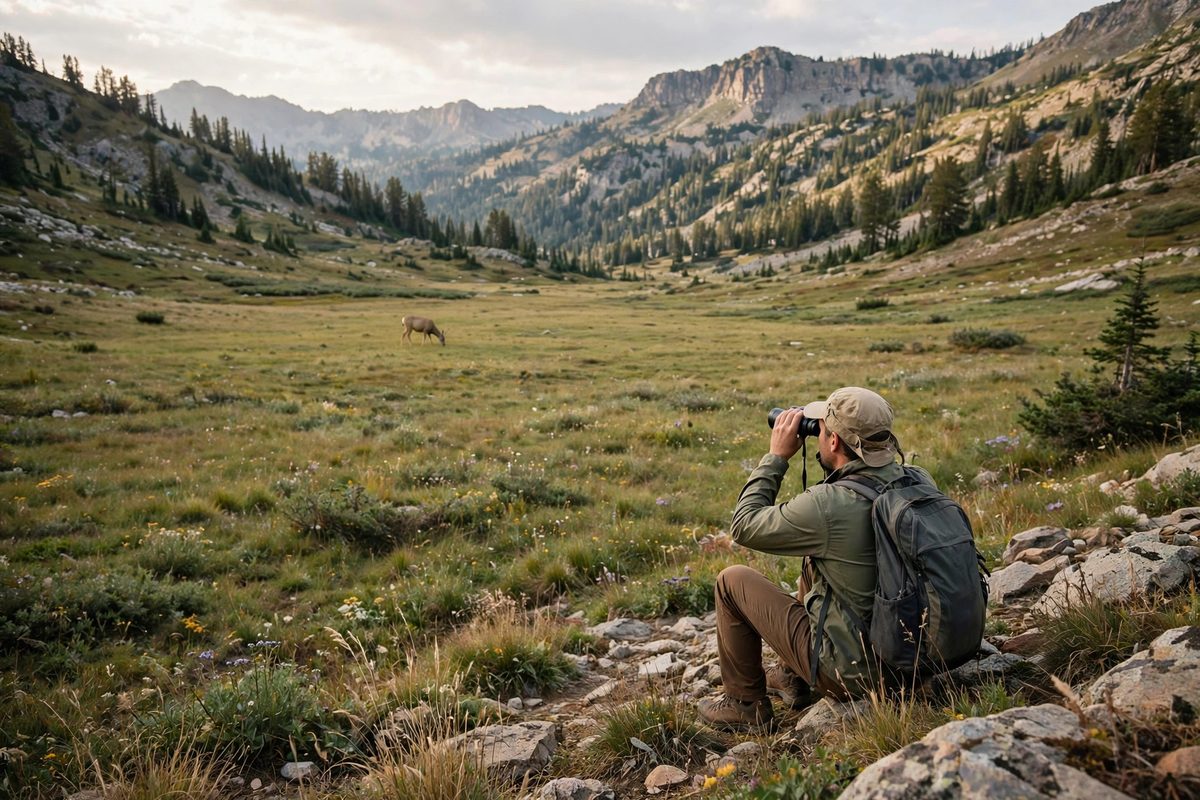
Watch animals from a distance and do not approach them — not even for a photo. Chasing or luring animals disturbs their feeding, raising young, or hibernation. Never feed wildlife: fed animals lose their fear of people, become pushy, and can get sick.
Store food so animals cannot reach it — in some areas bear canisters are required, and rules vary. Keep dogs under control and on a leash where required, and keep your distance from animals at sensitive times such as mating, nesting, raising young, or winter. Drones are banned in many protected areas — check the rules before bringing one.
7. Be considerate of others
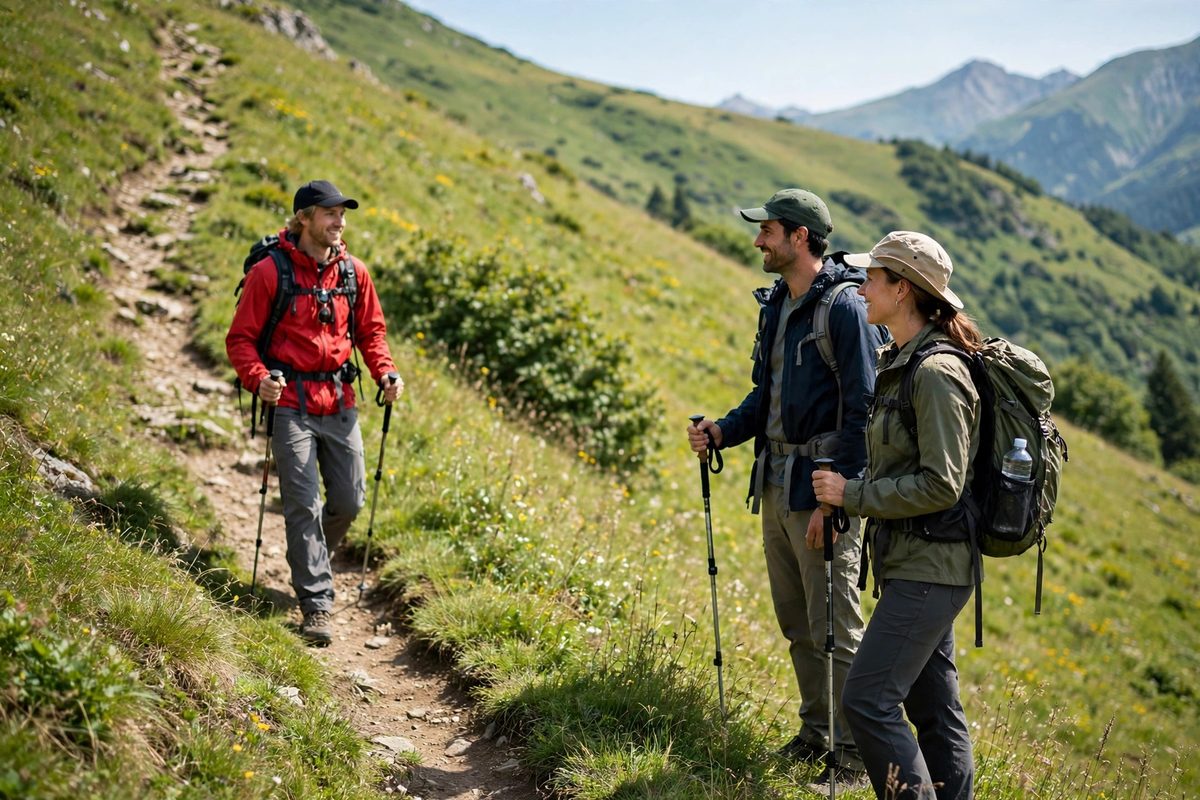
On narrow trails, step aside for hikers going uphill — their step is the harder one. At viewpoints, take your photo and then make room for others. Playing loud music from a speaker takes away the quiet that many people come out to the trail to find.
Keep your dog close, leave gates as you found them, and keep it quiet at campsites at night, with voices low and lights dimmed. A friendly greeting and a little patience cost nothing — and make the trail better for everyone.
Frequently asked questions
Is Leave No Trace the same as ‘pack it in, pack it out’?
Packing out everything you bring in is part of it — principle 3. But Leave No Trace also covers planning, surfaces, fires, wildlife, and consideration for others.
Can I bury toilet paper?
Packing it out is best. In some areas burying it in a cathole is accepted, but rules vary — check local guidance. Never leave it on the surface.
Can I leave fruit peels or food scraps behind?
No. They break down slowly, attract animals, and are litter. Pack them out in a bag.
What should I do when the trail is muddy?
Walk through the mud, not around it. Going around widens the trail and damages the vegetation beside it.
Are campfires ever OK?
Yes, where they are allowed: small, in an existing fire ring, with dead wood found on the ground — and fully out and cold before you leave. When in doubt, use a stove.
Can I bring my dog?
Only where dogs are allowed. Keep it under control, on a leash where required, pack out its waste, and keep it away from wildlife and other hikers.
Does Leave No Trace apply on busy, well-used trails?
Yes, there most of all: heavy use concentrates impact, so staying on the trail, packing out trash, and keeping noise down matter most where many people hike.
Useful Sources and Verification
Use these source types to check current details for the area you plan to visit.
- Current rules from the land manager or park authority for the area you plan to visit (permits, fire bans, waste rules, dog rules)
- The seven principles and current guidance from the Leave No Trace Center for Outdoor Ethics
- Local trail conditions, seasonal closures, and water source information from the managing authority