
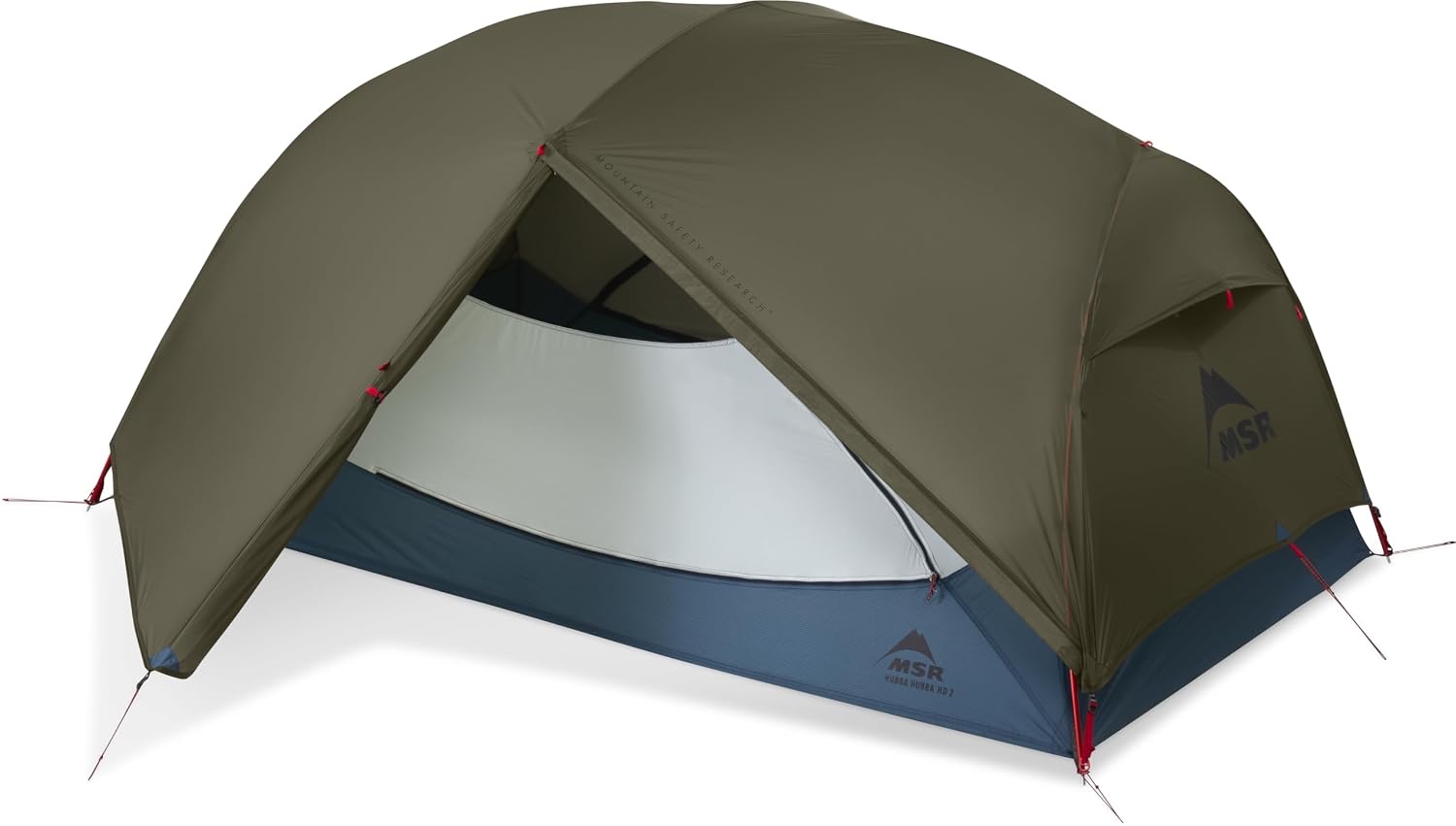
 Product photoMSR Hubba Hubba HD 2-Person
A practical guide to first overnight hiking packing list, with a clear decision path, route-aware checks, and a repeatable plan that does not depend on a universal winner.
A first overnight packing list covers five systems: shelter and sleep, water and food, navigation and safety, clothing, and repair. Pack the night before, test the full load on a short walk, and choose a short, easy route with a reliable water source for your first trip.
Affiliate disclosure: some retailer links may earn a commission. This does not change the evidence boundaries or the need to verify current product, variant, price, availability, warranty, and return details.
The big three: shelter, sleep, and carry
Shelter, sleep, and carry dominate your pack weight and your comfort, so they deserve the most attention. A freestanding two-person tent is the forgiving choice for a first overnight, an insulated sleeping pad keeps you warm from the ground up, and a sleeping bag rated for the expected temperature completes the sleep system. The pack must hold all three with room for food and water.
Borrow or rent the big three for your first trip if you do not own them. Buying before you know what you need leads to expensive mistakes, and a borrowed tent that works is better than a bought tent that does not. After a few trips, you will know exactly what to buy.
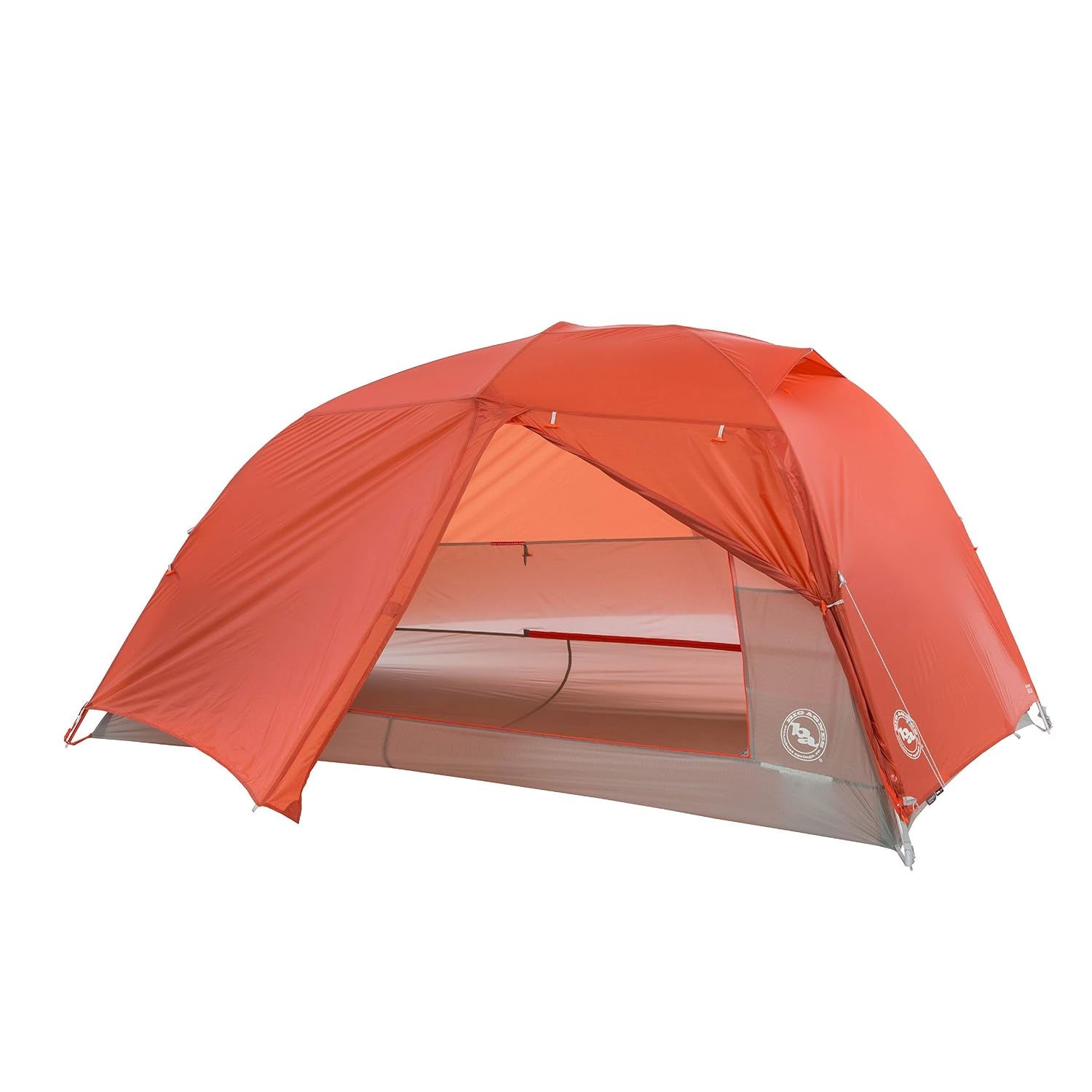
Big Agnes Copper Spur HV UL2
Best for: Couples and solo hikers who want comfort without moving to a heavy basecamp shelter.
A lightweight two-person tent for backpackers who want a proven balance of room, weather protection, and packability.
The big three: shelter, sleep, and carry
- Ultralight two-person format
- High-volume interior geometry
- Two-door convenience for shared trips
- You need the lowest price, extreme winter capability, or a palace-sized interior.
Food and water for one night out
Food for one night means dinner, breakfast, and snacks, plus a little extra in case the trip runs long. Dehydrated meals are light and easy, needing only boiling water, while simple foods like pasta, oats, and trail mix are cheaper and just as effective. Pack food you will actually eat, not food you think you should eat.
Water planning follows the route: map your refill points, carry enough for the longest gap, and bring a filter or treatment method. A stove and a small pot let you boil water for meals and drinks, and a lighter and a backup fire starter cover the case where the stove fails.
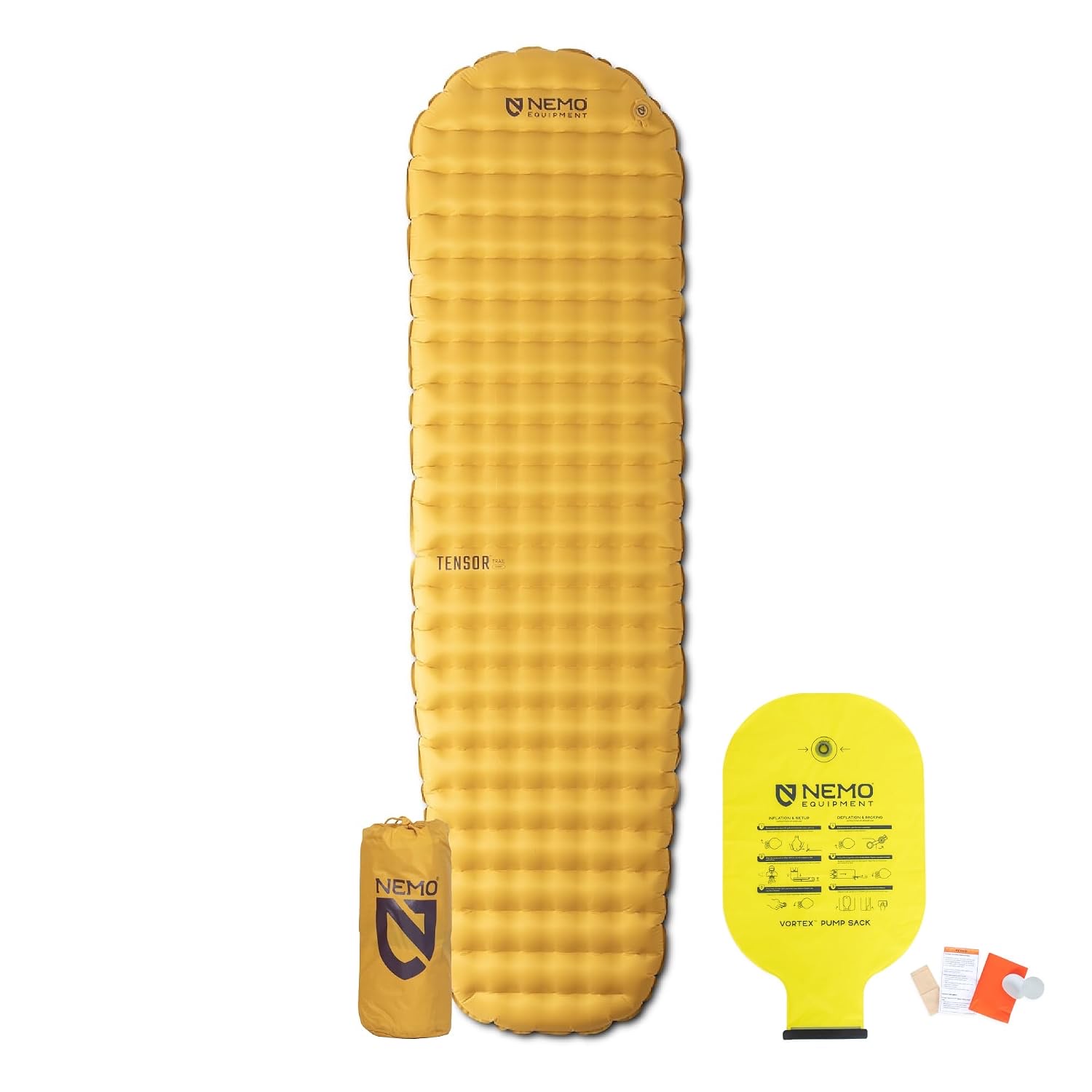
NEMO Tensor Trail
Best for: Backpackers who sleep cold or want a quieter, more cushioned night on uneven ground.
An insulated sleeping pad for hikers who care about quiet comfort and warmth across more than one season.
Food and water for one night out
- Insulated inflatable construction
- Comfort-focused thickness
- Packable shape for backpacking
- You only camp in warm weather or need the cheapest thin foam pad.
Clothing: what to wear and what to pack
Wear your hiking clothes and pack a dry set for camp: a base layer, warm insulation, and dry socks, kept in a waterproof bag. Sleeping in dry clothes, even if your day clothes are damp, makes the night comfortable and the morning bearable. The dry set is the most valuable clothing in your pack.
Pack a rain shell and a warm hat and gloves, even if the forecast looks fine. Mountain weather changes quickly, and the forecast can be wrong. The extra weight is small, and the comfort on a cold or wet evening is large. Leave the extra outfits at home: one dry set is enough.
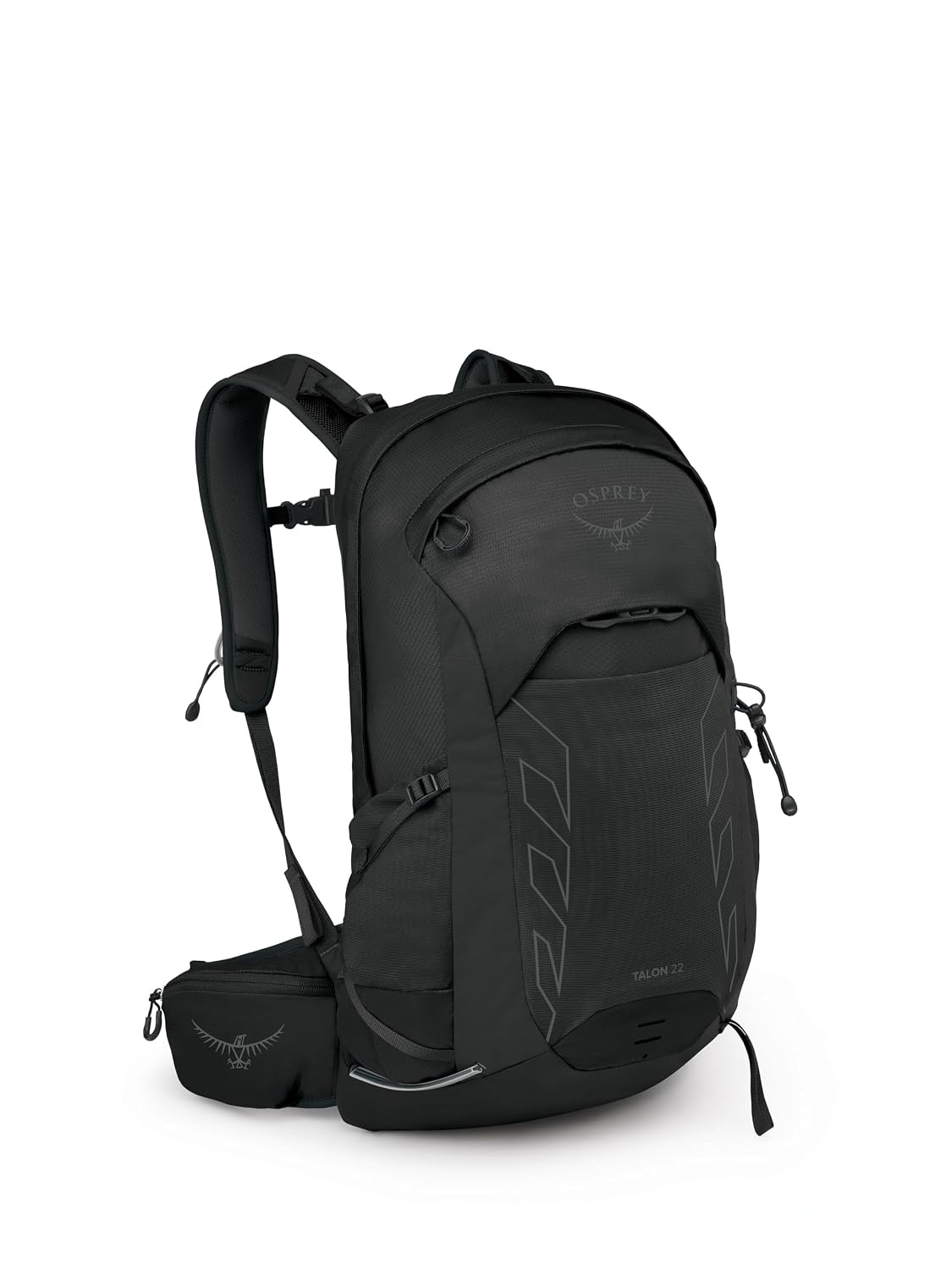
Osprey Talon 22
Best for: Day hikers carrying layers, water, and a light lunch who want a close, flexible fit.
A ventilated daypack for hikers who want a stable carry without turning a short route into an expedition.
Clothing: what to wear and what to pack
- 22-liter day-hike format
- Close-to-body harness with adjustable torso
- Useful organization for layers and small essentials
- You need a framed overnight pack, a very minimal summit vest, or a fully waterproof shell.
Safety and navigation for a first overnight
Safety for a first overnight means a map and the ability to use it, a headlamp with spare power, a first aid kit, and a shared trip plan. Tell someone your route and expected return time before you leave, and check in when you return. A satellite communicator is worth considering if your route leaves cell coverage.
Choose a route with an easy exit for your first trip, so you can walk out if something goes wrong. A short distance, a reliable water source, and a campsite you can reach by mid-afternoon make the first overnight forgiving. The goal is to learn the skills, not to test your limits.
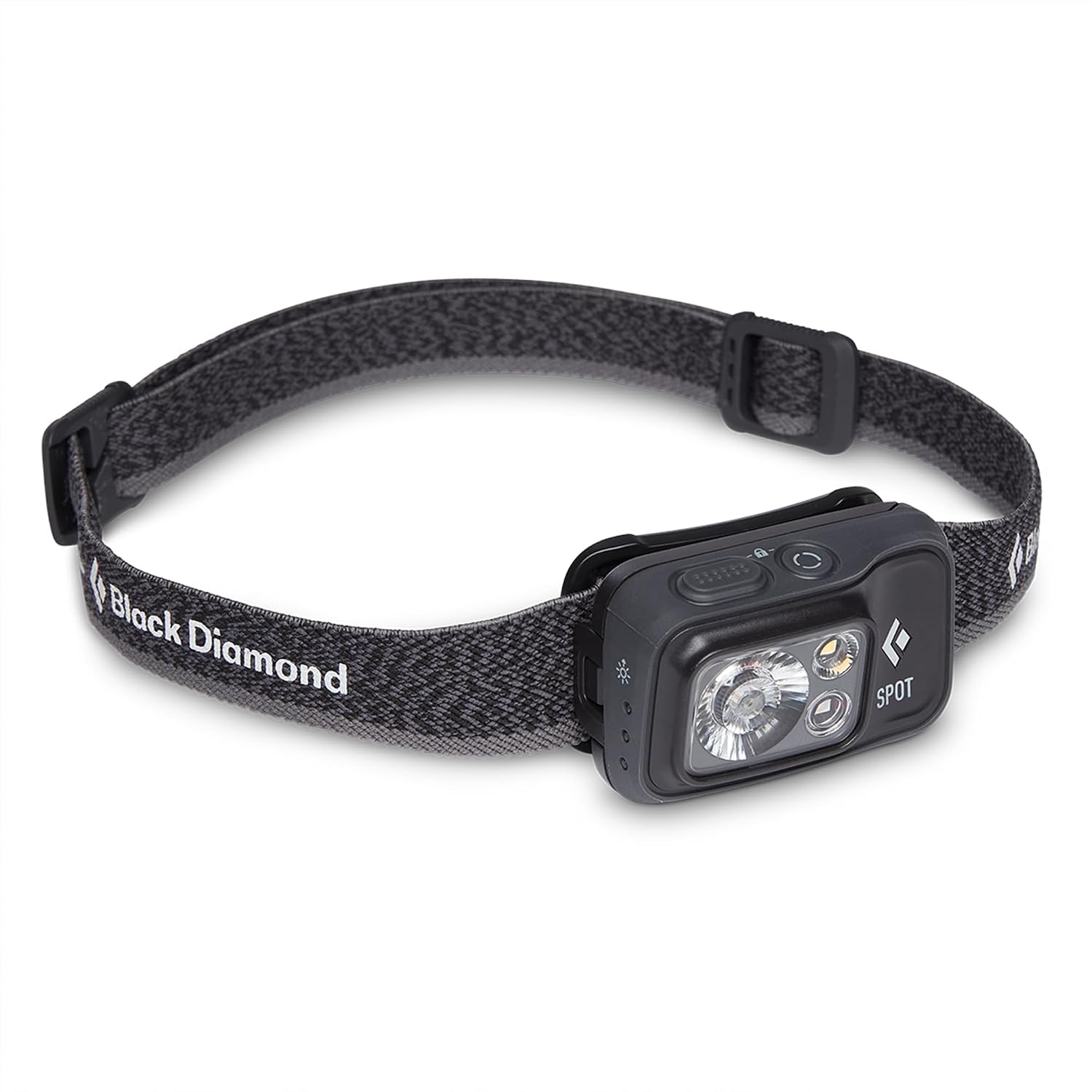
Black Diamond Spot 400
Best for: Every hiker who wants a reliable light with useful brightness and a small pack footprint.
A compact headlamp for early starts, late finishes, camp chores, and emergency visibility.
Safety and navigation for a first overnight
- Multiple brightness modes
- Compact trail-ready body
- Useful red-light and emergency modes
- You need a high-output expedition light or a rechargeable-only system.
Packing it all: the evening-before routine
Pack the night before, not the morning of the trip. Lay out everything on the floor, check it against your list, and pack the bag in order: sleeping bag at the bottom, heavy items close to your back, frequently used items where you can reach them. Weigh the pack if you can, and remove anything you cannot justify.
Test the full load with a short walk around the block. That walk reveals a pack that rubs, a load that feels unbalanced, and a weight that is heavier than you expected. Fix the problems at home, not on the trail. A well-packed bag, tested the night before, is the foundation of a good first overnight.
A practical decision table
| System | What to include | Why it matters |
|---|---|---|
| Shelter and sleep | Shelter, insulation, pad, and sleep clothing | Protects recovery and temperature management |
| Water and food | Capacity, treatment, meals, and fuel | Supports the route between reliable sources |
| Navigation and safety | Map, light, first aid, communication, and backup | Keeps small problems from becoming route-ending |
| Clothing and repair | Dry layer, shell, socks, repair basics | Protects against forecast changes and minor damage |
Frequently asked questions
What should I pack for my first overnight hike?
Five systems: shelter and sleep, water and food, navigation and safety, clothing, and repair. Pack the night before, test the full load on a short walk, and choose a short, easy route.
How much food do I need for one night?
Dinner, breakfast, and snacks, plus a little extra in case the trip runs long. Dehydrated meals are light and easy, while simple foods like pasta and oats are cheaper and just as effective.
Should I buy gear before my first overnight?
Borrow or rent the big items first. Buying before you know what you need leads to expensive mistakes. After a few trips, you will know exactly what to buy.
What is the most important thing to pack for an overnight?
A dry set of sleep clothes, kept in a waterproof bag. Sleeping in dry clothes makes the night comfortable even if your day clothes are damp. Protect that dry set.
How do I choose a route for my first overnight?
Choose a short distance, an easy trail, a reliable water source, and a campsite you can reach by mid-afternoon. The goal is to learn the skills in a forgiving setting.
Do I need a satellite communicator for an overnight?
If your route leaves cell coverage, it is a sensible safety layer. It does not replace a shared trip plan, a map, or good judgment, but it adds a way to call for help.
Useful Sources and Verification
Use these source types to verify current details before buying or publishing a recommendation.
- Current official manufacturer documentation for any product, material, technical limit, or safety instruction mentioned
- Current retailer or service documentation for availability, variant, warranty, returns, subscriptions, or consumables
- Independent review patterns used as context and clearly separated from firsthand testing