A decision-led guide to shelter, sleep, carry, water, and safety choices for first overnights and repeat trips.
The short answerChoose backpacking gear by building a balanced system, not by chasing the lowest number on one specification. Start with the route and season, then set a realistic load target. Match pack volume to the gear you own, choose shelter and sleep pieces that protect recovery, plan water between sources, and keep navigation and emergency communication independent of your phone.
Affiliate disclosure: some retailer links on this site may earn a commission. That does not change the evidence labels or the need to verify the current product, variant, price, availability, and returns.
Building a system, not a shopping list
Backpacking gear works as a system, and the pieces have to fit together. The pack must hold the tent, the sleep system must fit the tent, the stove must match the cookware, and the water plan must match the route. Buying the best item in each category without checking how they fit together produces a pile of good gear that does not work as a kit.
Start with the trip, not the catalog. Define the season, the route, the number of nights, and the water situation, then choose gear that answers those specifics. A system built around a real trip will always outperform a system built around a wish list.
AFFILIATE PICK · Day hiking gear
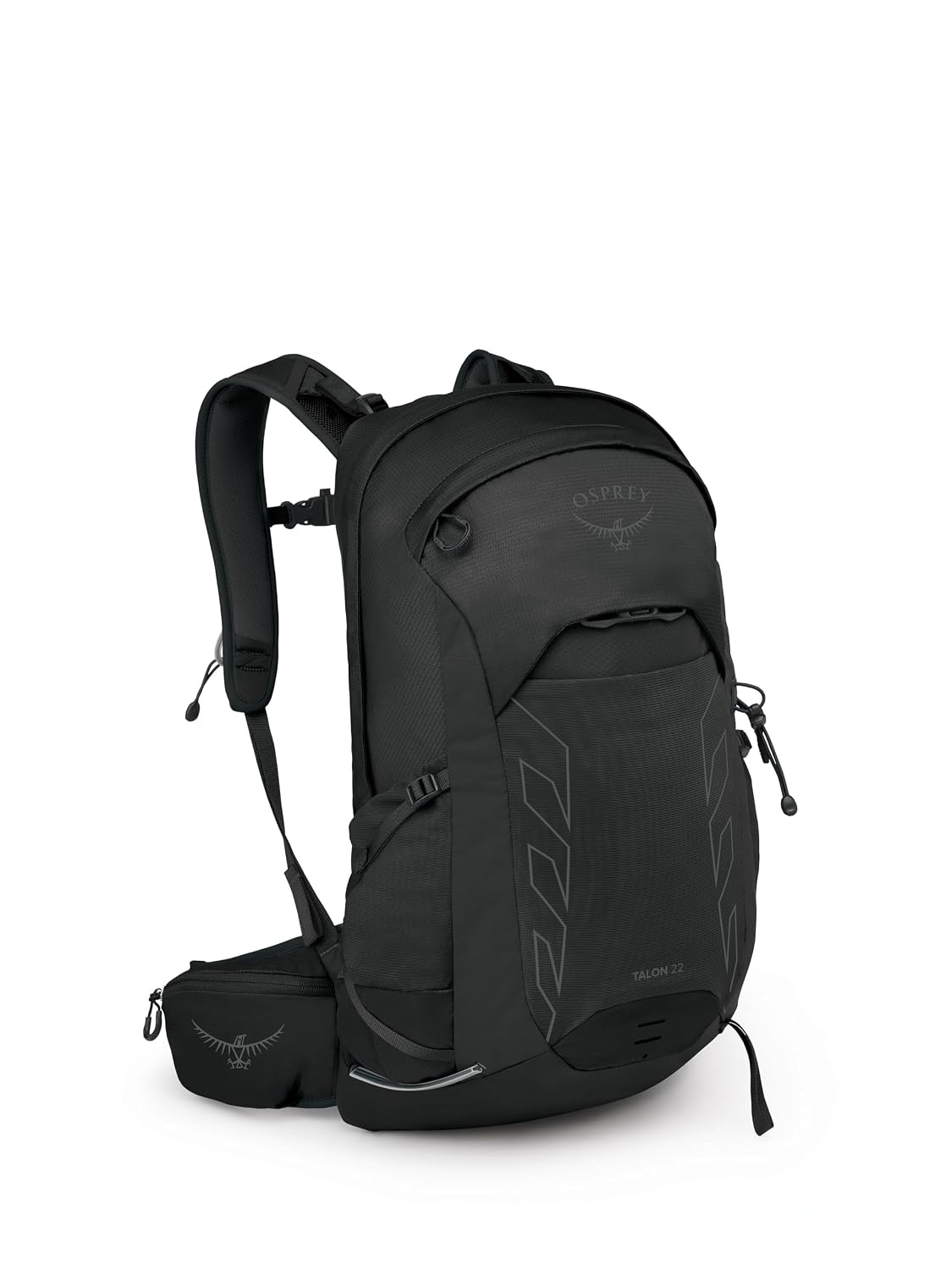
Osprey Talon 22
Building a system, not a shopping list: A ventilated daypack for hikers who want a stable carry without turning a short route into an expedition.
Best forDay hikers carrying layers, water, and a light lunch who want a close, flexible fit.Skip ifYou need a framed overnight pack, a very minimal summit vest, or a fully waterproof shell.
Open profile →Pack volume: matching litres to your gear
Pack volume follows your gear, not the other way around. Lay out everything you plan to carry, then choose a pack that holds it with a little room to spare. A pack that is too small forces you to strap gear outside, where it snags and unbalances the load, while a pack that is too large invites overpacking.
For multi-day trips, a pack in the 60-litre class is a common choice, and the Osprey Atmos AG 65 is a well-regarded example of a ventilated multi-day pack. Check the torso fit and the hipbelt before committing, since a multi-day pack that does not fit will hurt by the second day.
Shelter choices for a first overnight
A first overnight calls for a shelter that is easy to pitch, roomy enough to be comfortable, and forgiving of imperfect site choice. A freestanding two-person tent is the standard recommendation, because it stands up without stakes, gives you room to organize, and handles rain without demanding expert pitching skills.
Ultralight shelters, tarps, and single-wall tents save weight but demand more skill and tolerance for condensation and bugs. They are worth exploring after a few successful trips, not before your first one. Start with a tent that forgives mistakes, and refine from experience.
Sleep systems: pad, bag, and ground insulation
Sleep is where backpacking trips are won or lost, and the sleep system has three parts: the pad, the bag or quilt, and the ground insulation. The pad cushions and insulates you from the cold ground, the bag keeps the air around you warm, and the combination determines whether you sleep or shiver. A warm bag on a cold pad is a cold night.
Test the sleep system at home before the first trip. Lie on the pad in the bag, on the floor, and check that you are warm and comfortable. A sleep system that works in your living room will work in a tent, and one that does not will not improve on the trail.
Cooking on the trail: stoves and meal planning
Trail cooking can be as simple as boiling water for a dehydrated meal, or as involved as a full camp kitchen. For most backpackers, a small canister stove is the practical choice: it lights quickly, simmers adequately, and packs small. The MSR PocketRocket 2 is a well-known example of a compact canister-top stove.
Plan meals around water and fuel. Dehydrated meals need only boiling water, which saves fuel and washing up, while fresh food needs more of both. Count your fuel honestly: a canister that runs out on the second night turns dinner into a cold snack.
AFFILIATE PICK · Shelter and sleep
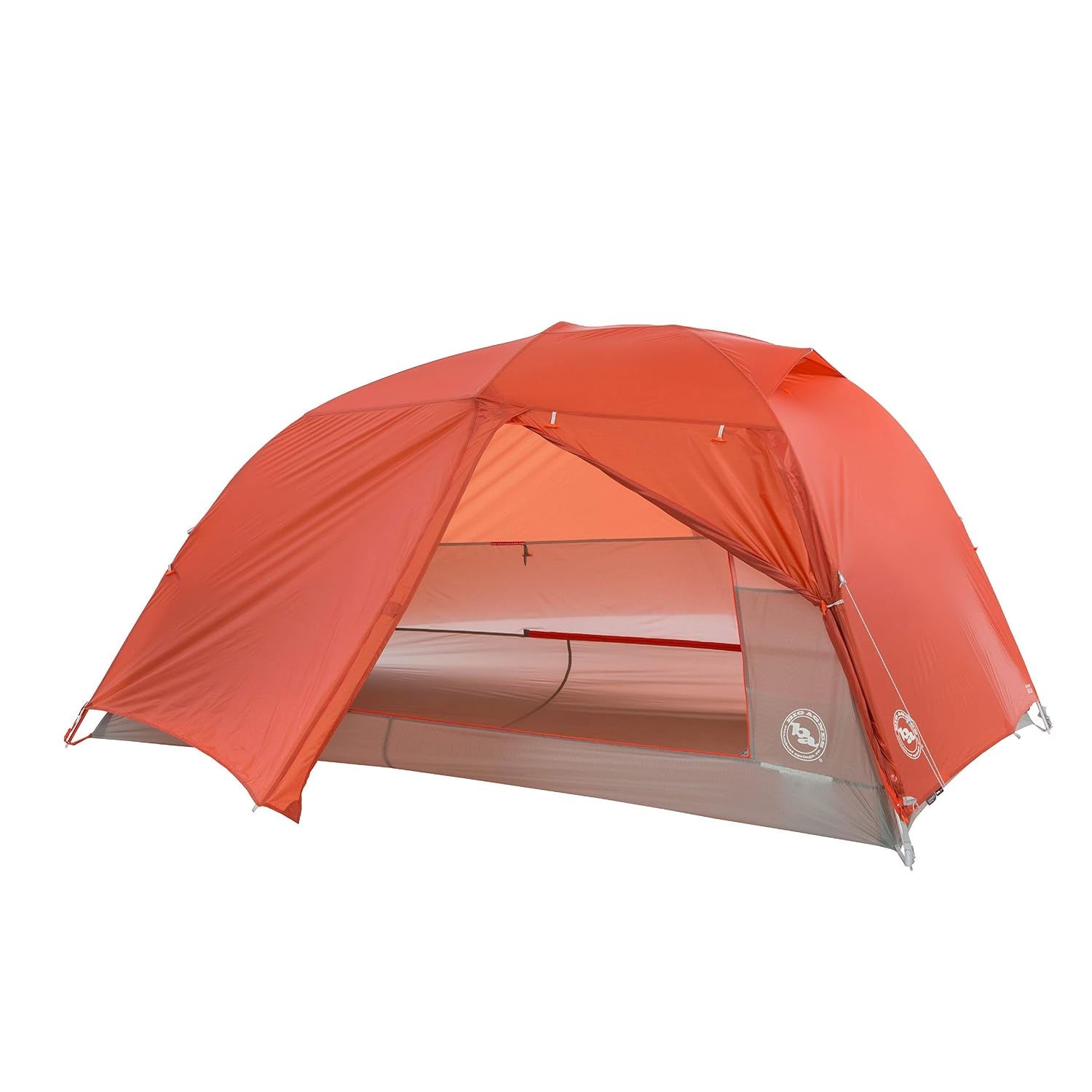
Big Agnes Copper Spur HV UL2
Cooking on the trail: stoves and meal planning: A lightweight two-person tent for backpackers who want a proven balance of room, weather protection, and packability.
Best forCouples and solo hikers who want comfort without moving to a heavy basecamp shelter.Skip ifYou need the lowest price, extreme winter capability, or a palace-sized interior.
Open profile →Water planning between sources
Water is the heaviest thing you carry and the most important to plan. Map your refill points before the trip, estimate the distance and time between them, and carry enough for the longest gap plus a reserve. A route with reliable streams needs far less carrying capacity than a dry ridge walk.
Choose a treatment method that matches your sources. A squeeze filter suits clear streams, a gravity filter suits groups, and chemical treatment suits backup use. Whatever you choose, carry a backup method, since a filter that fails on a dry route is a serious problem.
Food, fuel, and the weight of eating well
Food is the most personal part of backpacking, and the weight adds up quickly. A realistic plan is about two pounds of food per person per day, adjusted for appetite, distance, and cold weather. Dehydrated meals are light and easy, but they cost more, while bulk ingredients are cheaper but need more preparation.
Fuel planning follows the meal plan. Count the boils you need per day, add a margin for wind and cold, and carry enough fuel for the trip plus one extra day. Running out of fuel is inconvenient; running out of food is serious. Pack an extra meal, always.
Weight targets that respect your body
Total pack weight is the number that matters, and a reasonable target for a first overnight is a pack you can carry comfortably for the distance you plan. That number depends on your fitness, your body, and the terrain, not on a universal rule. A fit hiker on flat ground can carry more than a beginner on steep trails.
Focus on the big three first: pack, shelter, and sleep system. These dominate the weight, and upgrading them has the largest effect. Small items add up, but shaving grams off a toothbrush while carrying a heavy tent is the wrong priority.
Packing order: what goes where and why
Packing order affects comfort, access, and balance. Heavy items belong close to your back and near your hips, which keeps the load stable and reduces strain. Light, bulky items like a sleeping bag go at the bottom, and frequently used items like rain gear, snacks, and water treatment go where you can reach them without unpacking.
Think about the day's sequence when you pack. The rain shell should be accessible before the rain starts, the water filter should be reachable at a stream, and the headlamp should be findable in the dark. A well-packed bag is a plan, not just a container.
AFFILIATE PICK · Shelter and sleep
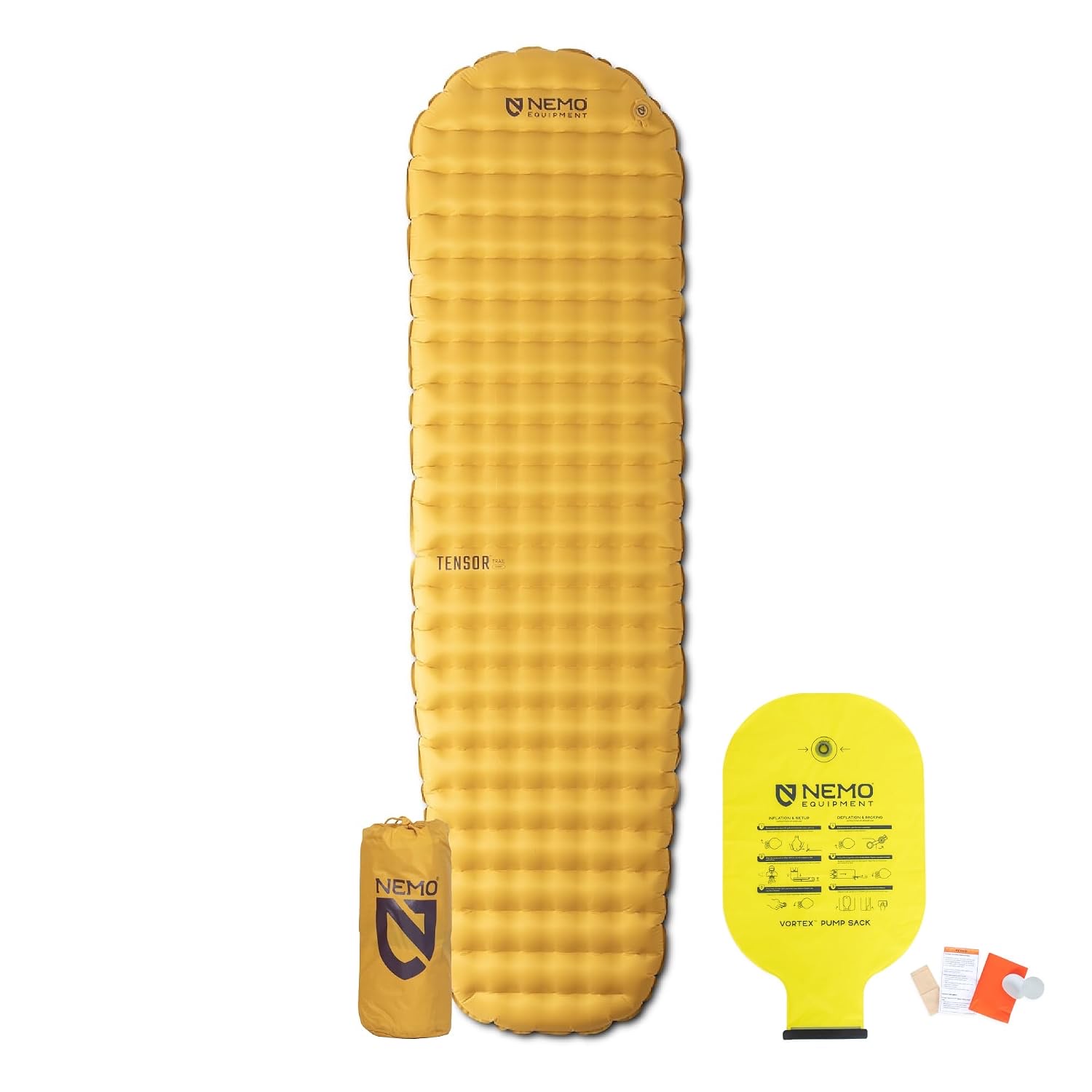
NEMO Tensor Trail
Packing order: what goes where and why: An insulated sleeping pad for hikers who care about quiet comfort and warmth across more than one season.
Best forBackpackers who sleep cold or want a quieter, more cushioned night on uneven ground.Skip ifYou only camp in warm weather or need the cheapest thin foam pad.
Open profile →Weather and the overnight exposure question
An overnight trip exposes you to weather for far longer than a day hike, and the forecast matters more. Check the forecast for the whole trip, including overnight lows, wind, and precipitation, and plan your shelter, insulation, and rain gear accordingly. A day hike can be cut short; an overnight cannot.
Carry a margin for forecast error. Weather changes, especially in the mountains, and a forecast that was right in the morning can be wrong by evening. An extra layer, a reliable shelter, and a dry set of sleep clothes are cheap insurance against a miserable night.
Navigation and communication beyond day-hike range
Multi-day routes take you further from roads and help, which raises the stakes for navigation and communication. Carry a map and know how to use it, keep your phone charged for offline maps, and consider a satellite communicator if your route leaves cell coverage for extended periods.
Share your trip plan with someone at home, including your route, expected return time, and check-in schedule. If something goes wrong, that plan is what guides rescuers to you. A satellite communicator adds a way to call for help and reassure home, but it does not replace a shared plan.
Camp skills: site choice, water, and waste
Choosing a campsite is a skill that improves with practice. Look for flat, dry ground, shelter from wind, and a nearby water source, and avoid low spots where water collects, dead trees that could fall, and fragile vegetation. A good site makes the evening comfortable and the morning easy.
Waste management is part of camp craft. Pack out all rubbish, bury human waste away from water sources, and wash dishes and yourself away from streams. Leave No Trace is not just an ethic; it is a practical skill that keeps campsites usable for the next hiker.
Safety margins for a first overnight
A first overnight should have generous safety margins: a short distance, an easy route, a reliable water source, and an early camp. The goal is to learn the skills in a forgiving setting, not to test your limits. Choose a route with an easy exit, so you can walk out if something goes wrong.
Carry a first aid kit and know how to use it, bring a headlamp with spare power, and pack an extra layer and an extra meal. These margins cost little weight and buy a great deal of confidence. The first trip should feel easy; the challenge can come later.
AFFILIATE PICK · Navigation and safety
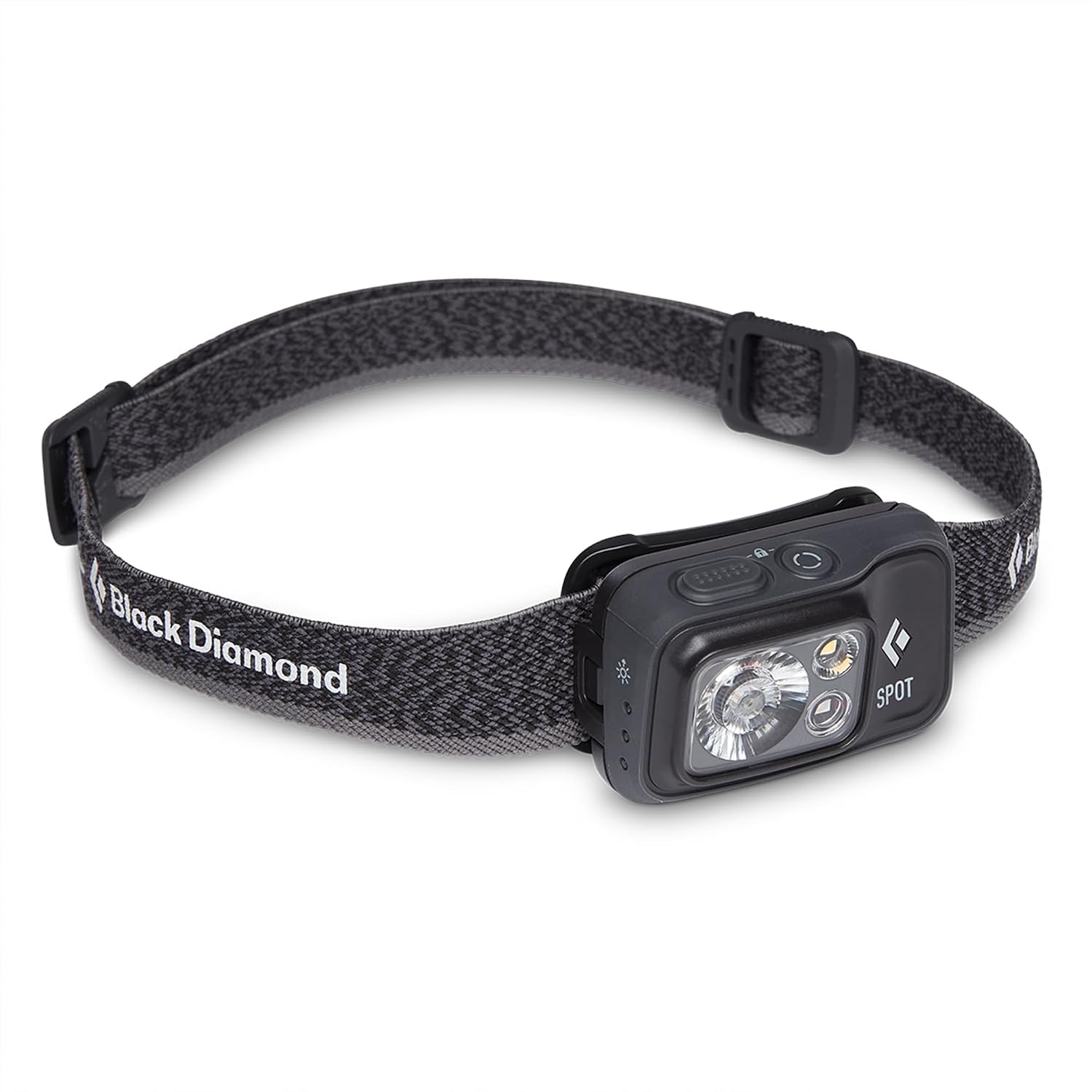
Black Diamond Spot 400
Safety margins for a first overnight: A compact headlamp for early starts, late finishes, camp chores, and emergency visibility.
Best forEvery hiker who wants a reliable light with useful brightness and a small pack footprint.Skip ifYou need a high-output expedition light or a rechargeable-only system.
Open profile →Testing the full system before the first trip
Test the whole system before you leave home. Pitch the tent, inflate the pad, try the stove, pack the bag, and walk around the block with the full load. That rehearsal catches problems that are trivial at home and serious on the trail: a missing tent stake, a stove that will not light, a pack that rubs.
A backyard overnight is the best test of all. Sleep in the tent, cook a meal, and pack up in the morning, and you will learn more about your gear in one night than in weeks of reading. The goal is to arrive at the trailhead with a system you already know.
Upgrading one piece at a time
Backpacking gear is expensive, and upgrading everything at once is rarely necessary or wise. Start with what you have, go on a few trips, and note what actually bothered you. The upgrade list that emerges from real trips will be far more accurate than any shopping list made at home.
Upgrade the piece that caused the most discomfort first, whether that is a cold pad, a heavy tent, or a pack that does not fit. One thoughtful upgrade per season, chosen from experience, builds a better kit than a single spending spree.
Frequently asked questions
What pack size do I need for backpacking?
It depends on your gear and trip length. A 50 to 65-litre pack covers most multi-day trips. Lay out your gear first, then choose a pack that holds it with a little room to spare.
What is the best tent for a first overnight?
A freestanding two-person tent is the standard recommendation. It pitches easily, gives you room to organize, and forgives imperfect site choice. Ultralight shelters can wait until you have a few trips behind you.
How much water should I carry backpacking?
Plan from the route: map your refill points, estimate the longest gap, and carry enough for that gap plus a reserve. A route with reliable streams needs far less carrying capacity than a dry ridge.
How do I keep my pack weight down?
Focus on the big three first: pack, shelter, and sleep system. They dominate the weight. Small savings add up, but upgrading a heavy tent matters more than trimming grams off small items.
Should I test my gear before the first trip?
Yes. Pitch the tent, try the stove, pack the bag, and walk with the full load. A backyard overnight catches problems that are trivial at home and serious on the trail.
Do I need a satellite communicator for backpacking?
If your route leaves cell coverage for extended periods, it is a sensible safety layer. It does not replace a shared trip plan, a map, or good judgment, but it adds a way to call for help and reassure home.

 Product photoOsprey Talon 22
 Product photoBig Agnes Copper Spur HV UL2
 Product photoNEMO Tensor Trail
 Product photoBlack Diamond Spot 400