A practical guide to shoes, mids, and boots that starts with feet, socks, terrain, weather, and downhill control.
The short answerThe right hiking footwear should hold your heel, leave your toes room to swell and move downhill, match the trail surface, and work with the socks you actually wear. Choose a shoe, mid, or boot based on support, protection, weather, and load rather than habit. Walk on inclines before buying, and treat waterproofing as a trade-off rather than a universal upgrade.
Affiliate disclosure: some retailer links on this site may earn a commission. That does not change the evidence labels or the need to verify the current product, variant, price, availability, and returns.
Shoes, mids, or boots: choosing the height first
The first footwear decision is height, and it sets everything else. Low shoes are light and agile, which suits fast walking on smooth trails, while mid-height shoes add ankle coverage and debris protection without the weight of a full boot. Full boots add support and protection for heavy loads and rough, off-trail ground, but they cost weight and break-in time.
Match the height to your load and terrain, not to habit. A day hiker with a light pack on a maintained trail rarely needs a boot, while a backpacker with a heavy load on rocky ground will appreciate the support. If you are unsure, a mid-height shoe is the versatile middle ground that covers most hiking.
AFFILIATE PICK · Hiking footwear
Salomon X Ultra 5 Mid GTX
Shoes, mids, or boots: choosing the height first: A supportive waterproof hiking shoe for mixed terrain, wet mornings, and hikers who prefer agility over a heavy boot.
Best forDay hikers needing wet-weather protection and a secure foothold on uneven trails.Skip ifYou want a soft road-running feel, wide unstructured toe space, or a non-waterproof summer shoe.
Open profile →How trail surfaces change what your feet need
Packed dirt, loose gravel, wet rock, mud, and scree each ask something different from a shoe. Packed dirt needs little more than cushion and a comfortable fit, while loose gravel and scree demand a grippy outsole and a secure heel. Wet rock is the hardest surface of all, and it rewards a soft, sticky rubber compound over a hard, long-wearing one.
Think about the surfaces you actually walk before choosing. If your local trails are mostly smooth and dry, a light shoe with moderate grip will serve you well. If they are rocky and wet, prioritize outsole grip and foot protection over weight savings.
The downhill test: toe room and heel hold
Downhill walking is where poor fit shows up first. Your foot slides forward with each step, your toes press against the front of the shoe, and your heel lifts with every stride if the fit is wrong. The result is bruised toenails, blisters, and a miserable descent, all from a shoe that felt fine on flat ground.
Test any shoe on a downhill slope before buying. Walk down stairs or a steep ramp, and check that your toes have room and your heel stays put. A thumb's width of space in front of your longest toe is a good starting point, and the heel should feel held without pressure.
Socks are part of the shoe
A hiking shoe is only half the footwear system; the sock is the other half. The right sock manages moisture, reduces friction, and adds a thin layer of cushion exactly where your foot needs it. A good shoe with a cotton sock will blister you, while a decent shoe with a proper hiking sock will carry you comfortably all day.
Merino wool and synthetic blends are the standard choices, and the Darn Tough Hiker Micro Crew Cushion Socks are a well-regarded example of a cushioned merino hiking sock. Test any shoe with the socks you plan to hike in, since sock thickness changes the fit noticeably.
Waterproof or breathable: the membrane decision
A waterproof membrane keeps water out in wet grass, mud, and shallow crossings, which makes it valuable in wet climates and shoulder seasons. The cost is breathability: a membrane slows moisture escaping from inside, so your feet sweat more on warm days, and once water gets in over the collar, a waterproof shoe dries slowly.
For hot, dry hiking, a non-waterproof shoe is usually the better choice, since it breathes and dries quickly. For wet mornings, muddy trails, and changeable weather, the membrane earns its place. Match the choice to your climate, not to a fear of getting wet.
AFFILIATE PICK · Hiking footwear
Merrell Moab 3
Waterproof or breathable: the membrane decision: A familiar leather-and-mesh hiking shoe for buyers who value comfort, durability, and an easy break-in curve.
Best forNewer hikers and casual trail users who want a forgiving, supportive starting point.Skip ifYou need a very light fast-hiking shoe or a narrow technical fit.
Open profile →Outsoles and grip: reading a lug pattern
The outsole is the part of the shoe that meets the trail, and its lug pattern tells you what it is built for. Deep, widely spaced lugs shed mud and grip soft ground, while shallow, closely spaced lugs grip rock and hard surfaces. A multi-directional pattern grips on climbs and descents, which matters on steep terrain.
Rubber compound matters as much as pattern. Softer rubber grips wet rock better but wears faster, while harder rubber lasts longer but can feel slippery on smooth stone. For mixed terrain, a medium compound with a multi-directional lug pattern is the versatile choice.
Weight on your feet costs more than weight in your pack
A gram on your foot costs more energy than a gram in your pack, because you lift it with every step. Over a day of walking, the difference between a light shoe and a heavy boot adds up to real fatigue, especially on climbs. That is why experienced hikers pay close attention to footwear weight.
The trade is protection and support. A lighter shoe gives up some of both, so the right weight depends on your terrain and load. For smooth trails and light packs, go light. For rough ground and heavy loads, accept the weight and gain the support.
Breaking in without blisters
Modern hiking shoes need far less breaking in than the leather boots of the past, but a new pair still deserves a gradual introduction. Wear them around the house, then on short local walks, then on a half-day hike, before committing to a long day. That sequence lets the shoe mould to your foot and lets you find pressure points while you are close to home.
If a spot rubs, address it early. Adjust the lacing, try a different sock thickness, or use a blister plaster on the hot spot before it becomes a blister. A shoe that hurts on a short walk will not magically improve on a long one.
Wide feet, narrow feet, and high arches
Feet vary far more than shoe marketing suggests, and the right shoe for a wide foot is a different shoe from the right one for a narrow foot. Wide-footed hikers should look for brands and models that offer wide versions, since squeezing a wide foot into a standard shoe causes pressure and numbness. Narrow-footed hikers need a shoe with a secure heel and midfoot, or the foot will slide inside the shoe.
High arches need support under the midfoot, which may mean an aftermarket insole rather than the stock footbed. Low arches need a shoe that does not force an unnatural arch. The honest test is always the same: walk in the shoe, on a slope, with your socks, and listen to your feet.
When your feet swell: fitting for the afternoon, not the morning
Feet swell during a day of walking, sometimes by a noticeable amount, especially in heat. A shoe that fits perfectly in the morning can feel tight by the afternoon, and tight shoes cause blisters, numbness, and hot spots. The practical answer is to try shoes on later in the day, when your feet are closer to their hiking size.
Leave room for that swelling in your fit. A thumb's width in front of the toes, room across the forefoot, and a secure heel that does not pinch are the signs of a fit that will still feel right at the end of a long day. If the shoe feels snug in the shop, it will feel tight on the trail.
Lacing techniques that fix common problems
Lacing is a fit tool, not just a way to close the shoe. If your heel slips, use the top eyelets to lock the ankle, which holds the heel back without tightening the whole shoe. If your forefoot feels pinched, skip an eyelet over the pressure point to relieve it. If your toes hit the front on descents, tighten the midfoot lacing to hold the foot back.
Take time to experiment with lacing before a long hike. Small adjustments can transform a shoe's fit, and a few minutes of lacing practice is worth more than a new pair of shoes. Re-tie after the first hour on the trail, since feet swell and laces settle.
Caring for leather, mesh, and membranes
Hiking shoes last longer with basic care. Brush off mud after each hike, let the shoes dry naturally away from direct heat, and treat leather uppers occasionally to keep them supple. Mesh uppers need less care, but they still benefit from a rinse to remove grit that abrades the fabric.
Waterproof membranes need the outer fabric's water-repellent finish to work properly. When water stops beading on the surface, wash the shoes with a technical wash and reproof them. A membrane that is soaked through from the outside cannot breathe, which defeats the purpose of the waterproofing.
Footwear for wet routes vs dry routes
Wet routes call for waterproofing, grip on slick surfaces, and a shoe that keeps debris out. Dry routes call for breathability, ventilation, and a shoe that dries quickly when it does get wet. These are different jobs, and the shoe that excels at one will be a compromise at the other.
If you hike in both conditions, you may need two pairs, or you may accept a versatile mid-height waterproof shoe as a compromise. Be honest about which condition you face most often, and choose for that. A shoe chosen for the exception will disappoint you on the rule.
Comparing the Moab 3 and the X Ultra 5
The two footwear profiles on this site represent the two most common choices. The Merrell Moab 3 is the forgiving option: comfortable, easy to break in, and suited to newer hikers and casual trail users. The Salomon X Ultra 5 Mid GTX is the more athletic option: agile, supportive, and waterproof, suited to confident hikers on wet, mixed terrain.
Neither is universally better. The Moab 3 wins on comfort and ease, the Salomon wins on grip and weather protection. Try both, walk downhill in both, and choose the one that fits your feet and your routes.
Knowing when a pair is finished
Hiking shoes wear out gradually, and the signs are easy to miss. The outsole loses its grip, the midsole compresses and stops cushioning, and the upper stretches so the fit loosens. If your feet hurt on routes that used to feel easy, or if you slip on surfaces you used to grip, the shoes are telling you something.
Check the outsole tread depth, press the midsole to feel whether it still springs back, and look for cracks in the midsole foam. A pair that has lost its cushioning will not regain it, and continuing to hike in worn-out shoes risks injury. Retire them to gardening duty and start the next pair early.
Frequently asked questions
Should I choose hiking shoes, mids, or boots?
Choose low shoes for fast walking on smooth trails, mids for mixed terrain with ankle coverage, and boots for heavy loads and rough, off-trail ground. A mid-height shoe is the versatile choice if you are unsure.
How much toe room should a hiking shoe have?
About a thumb's width in front of your longest toe, tested on a downhill slope. Your toes should not hit the front when walking down, and your heel should stay put without pressure.
Are waterproof hiking shoes worth it?
In wet climates and shoulder seasons, yes. In hot, dry conditions, a breathable non-waterproof shoe is usually better, since it dries faster and keeps your feet cooler. Match the choice to your climate.
What socks should I wear for hiking?
Merino wool or synthetic-blend hiking socks, in a thickness that matches your shoe fit. Avoid cotton, which holds moisture and causes blisters. Test shoes with the socks you plan to hike in.
How do I stop my heel slipping in hiking shoes?
Use the top eyelets to lock the ankle, which holds the heel back without tightening the whole shoe. If the heel still slips after proper lacing, the shoe's shape may not suit your foot.
When should I replace my hiking shoes?
When the outsole loses grip, the midsole stops cushioning, or the fit loosens. If your feet hurt on familiar routes or you slip on surfaces you used to grip, the shoes are finished.

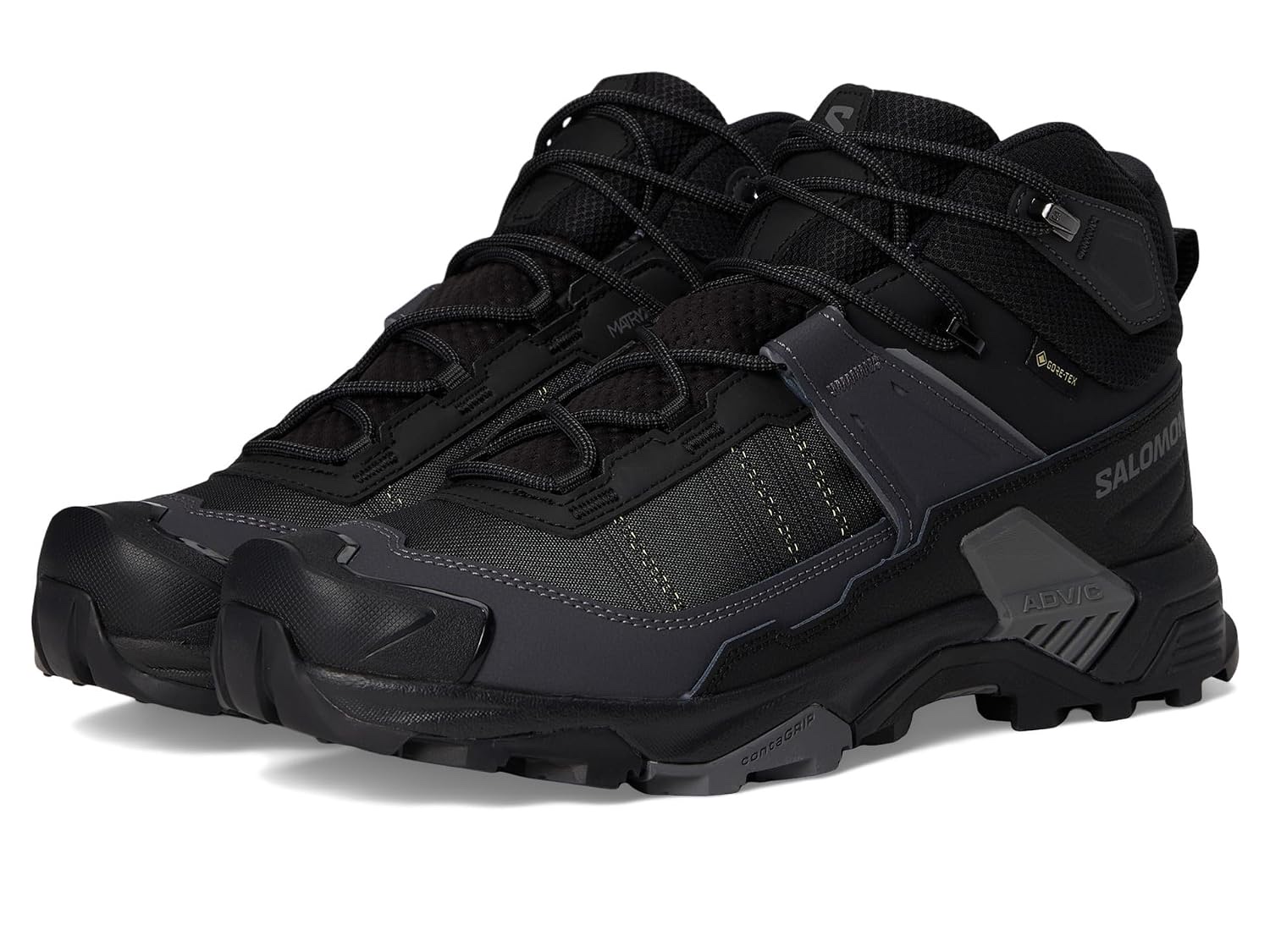 Product photoSalomon X Ultra 5 Mid GTX
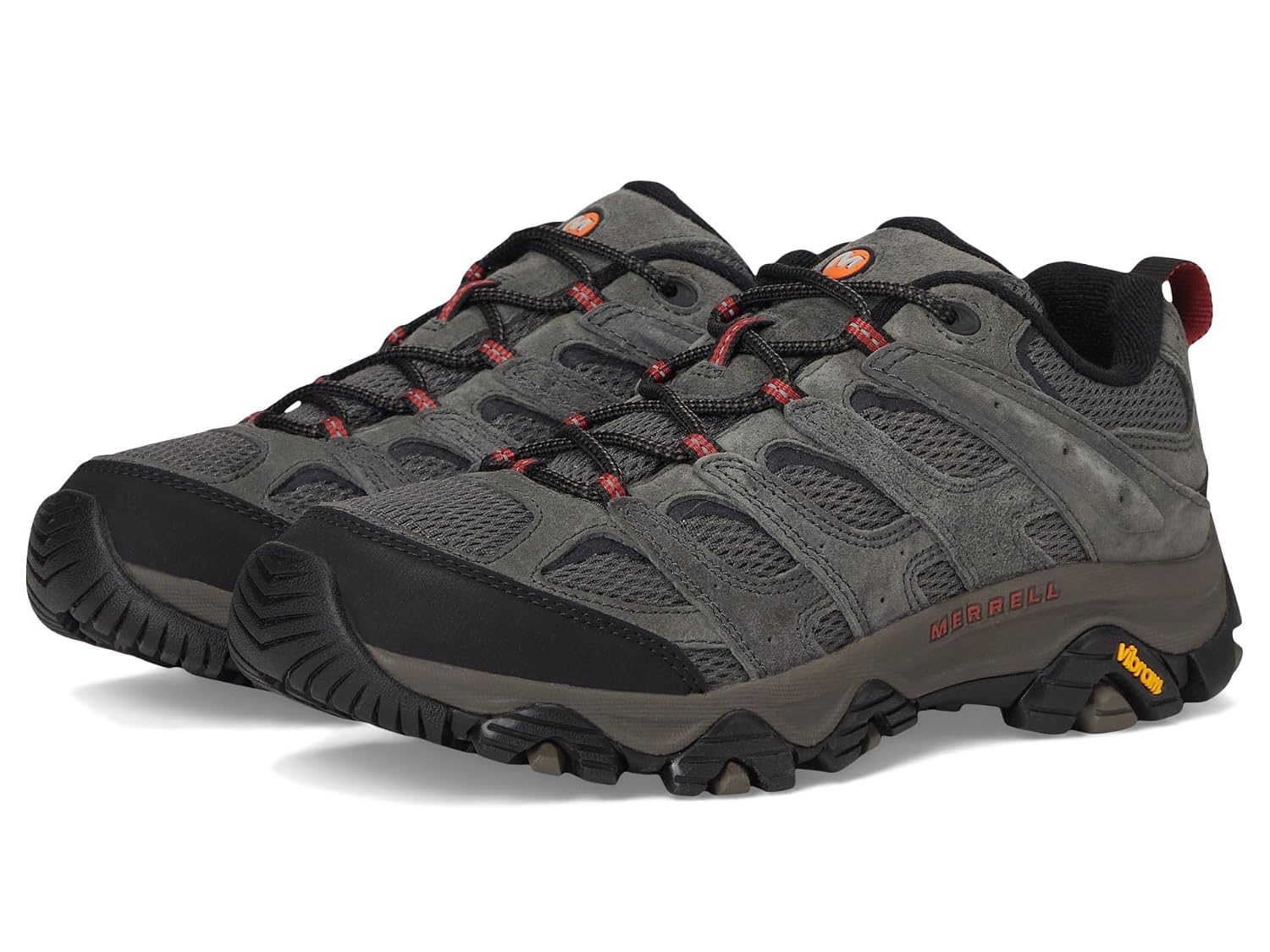 Product photoMerrell Moab 3