 Product photoMerrell Moab 3
A familiar leather-and-mesh hiking shoe for buyers who value comfort, durability, and an easy break-in curve. This long-form profile explains where the model fits, what to verify, and which trade-offs deserve attention before you buy.
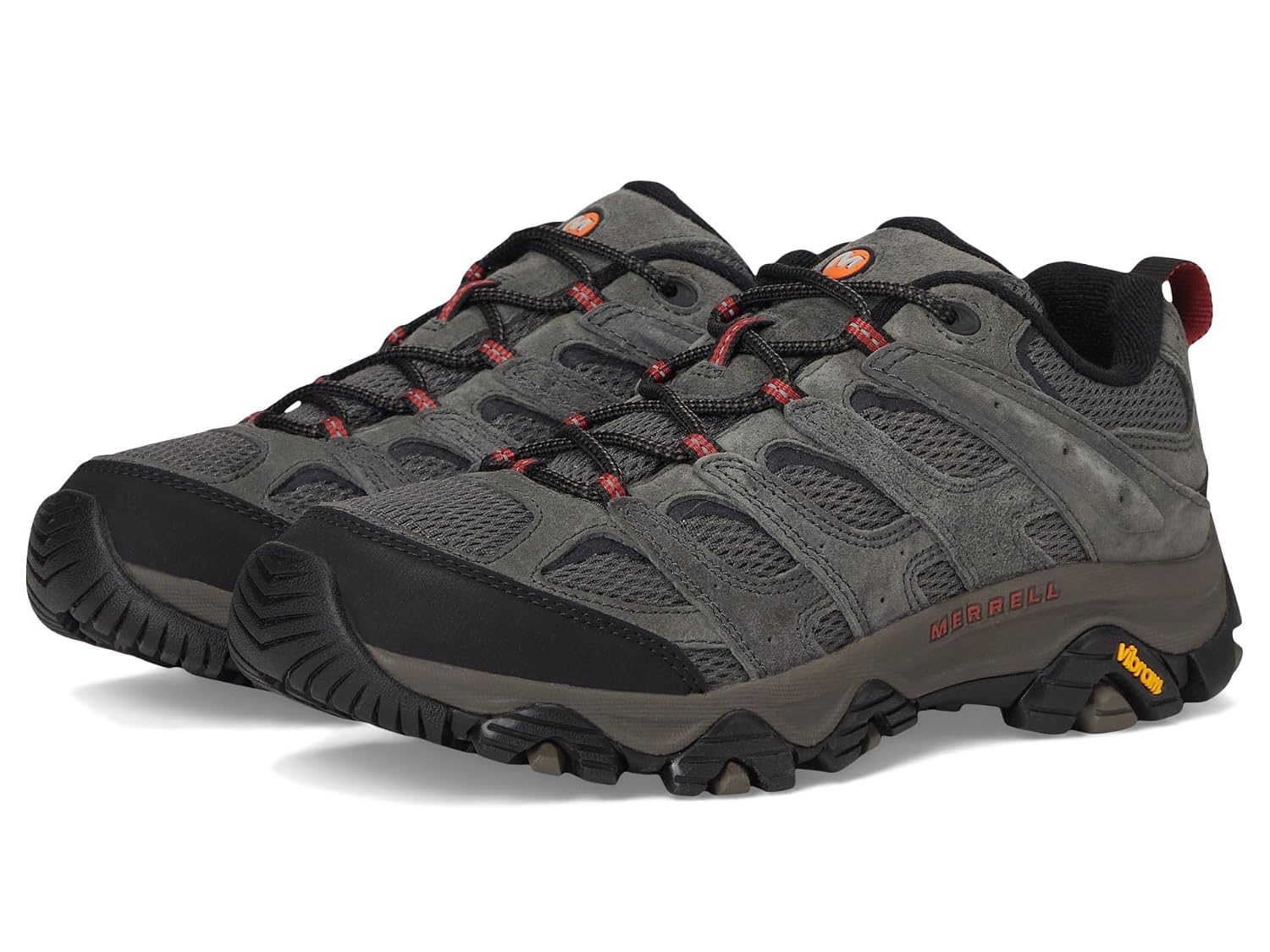
The Merrell Moab 3 is a familiar leather-and-mesh hiking shoe for buyers who value comfort, durability, and an easy break-in curve. Its supportive fit and Vibram outsole suit newer hikers and casual trail users who want a forgiving starting point on mixed terrain. It is not a light fast-hiking shoe or a narrow technical fit, so check the exact variant and width before buying.
Affiliate disclosure: some retailer links may earn a commission. That does not change the evidence labels or the need to verify the exact product, variant, current price, availability, warranty, and returns.
- Leather and mesh upper options
- Supportive insole platform
- Durable outsole for mixed trail surfaces
- Leather-and-mesh model family
- Removable Kinetic Fit™ footbed
- Vibram® TC5+ outsole on current versions
What retailer reviews can and cannot tell you
Retailer evidence captured on 13 November 2026. Ratings and review themes can change and are not firsthand testing.
A forgiving first hiking shoe, and why that matters
The Moab 3 is the shoe many hikers start with, and there is a reason for that. It fits a wide range of feet without drama, breaks in quickly, and handles the mixed terrain of a typical day hike without demanding anything special from the wearer. For a newer hiker, a shoe that simply works removes one whole category of worry from the day.
Forgiving does not mean vague. The leather-and-mesh upper gives structure where it matters, the supportive insole platform keeps the foot settled, and the outsole grips on the loose gravel, packed dirt, and wet rock that make up most trail miles. The shoe's job is to disappear, and for most feet on most day hikes, it does.
Fit: the wide last, the break-in, and the downhill test
Fit is where the Moab 3 earns its reputation. The last is generous without being sloppy, which suits feet that swell during the day and hikers who wear a medium-weight sock. The break-in curve is short: most wearers find the shoe comfortable within a few short walks, rather than needing weeks of gradual use. That matters for a first pair, where a painful break-in can put someone off hiking entirely.
The test that matters most is downhill. Walk down a steep slope in the shop or on stairs, and check that your toes do not hit the front of the shoe and your heel does not lift. A shoe that feels fine on flat ground can become miserable on a long descent, and the Moab 3's heel hold and toe room are designed to prevent exactly that. Try it with the socks you actually hike in, not thin shop socks.
The leather-and-mesh upper and what it means for weather
The leather-and-mesh upper balances protection and breathability. Leather panels shield the foot from rocks and roots, while mesh sections let heat escape on warm days. The result is a shoe that handles dry and mixed conditions well, but it is not a waterproof shoe unless you choose a waterproof variant, so wet grass and stream crossings will soak through.
That trade is worth understanding before you buy. A waterproof membrane keeps water out but also slows drying, so a non-waterproof Moab 3 that gets wet will dry faster than a waterproof boot that gets wet. For summer hiking and dry climates, the standard version is often the better choice. For wet mornings and muddy trails, check whether the waterproof variant suits your routes.
The footbed and outsole: support you can feel
The removable Kinetic Fit footbed is one of the Moab 3's practical strengths. It supports the arch and cushions the heel, and because it is removable, you can replace it with a custom insole or an orthotic without fighting the shoe. If you have foot issues or a preferred insole, that flexibility matters more than any marketing claim about comfort.
The Vibram TC5+ outsole on current versions is built for mixed trail surfaces: packed dirt, loose gravel, rock, and roots. It is not an aggressive mud lug, so very soft ground will clog it, but for the surfaces most hikers actually walk, it grips well and wears slowly. Check the outsole pattern on the listing, since outsole compounds and patterns can change between versions.
Durability and care: how long a Moab 3 lasts
The Moab 3 is built to last through many seasons of regular day hiking, and the leather-and-mesh construction is easy to look after. Brush off mud after each hike, let the shoes dry naturally away from direct heat, and treat the leather occasionally to keep it supple. The most common end of life for a hiking shoe is a worn-out outsole or a collapsed midsole, not a torn upper.
Two habits extend the life noticeably. First, rotate shoes if you hike often, since midsoles recover between outings. Second, untie the laces before taking the shoes off, since forcing a foot out of a laced shoe crushes the heel counter. Neither habit costs anything, and both add months to a pair.
How it compares: Moab 3 vs Salomon X Ultra 5 vs a trail runner
Against the Salomon X Ultra 5 Mid GTX, the Moab 3 is the more forgiving, easier shoe. The Salomon is more agile, more supportive on uneven ground, and waterproof, which suits confident hikers on mixed terrain in wet weather. The Moab 3 suits newer hikers and anyone who wants comfort and a gentle break-in without paying for performance they do not need.
Against a trail running shoe, the Moab 3 is heavier and stiffer but far more protective. Trail runners suit fast, light hikers on smooth trails, while the Moab 3 suits walkers who want support, durability, and a shoe that handles rocks and roots without fuss. If you hike slowly and carry a daypack, the Moab 3 is the more comfortable tool.
Who should not buy it
Skip the Moab 3 if you need a very light fast-hiking shoe, since this shoe prioritizes support and durability over weight. Skip it if you need a narrow technical fit for scrambling or precise footwork, since the generous last is the opposite of a precision fit. And skip it if your routes are mostly steep, loose, or off-trail, where a more aggressive outsole and a stiffer midsole would serve you better.
Also consider a different shoe if you hike in consistently wet conditions and want a waterproof membrane, since the standard Moab 3 will soak through. Check the waterproof variant, or look at the Salomon X Ultra 5 Mid GTX, before deciding.
A practical decision table
| Decision point | What to verify | Why it matters |
|---|---|---|
| Role | A familiar leather-and-mesh hiking shoe for buyers who value comfort, durability, and an easy break-in curve. | Comfort and easy break-in suit newer hikers |
| Fit and access | Newer hikers and casual trail users who want a forgiving, supportive starting point. | Generous fit works with real hiking socks |
| Limit | You need a very light fast-hiking shoe or a narrow technical fit. | Weight and fit rule out fast or technical buyers |
| Evidence | Leather-and-mesh model family | Variants and outsoles change, so verify the listing |
Frequently asked questions
Is the Merrell Moab 3 good for beginners?
Yes. It is one of the most forgiving first hiking shoes: the fit suits many foot shapes, the break-in is short, and the support and grip cover typical day-hike terrain. Beginners should still test the fit on a downhill slope before committing.
Does the Moab 3 need breaking in?
Very little. Most wearers find it comfortable within a few short walks. Wear it around the house and on a short local walk before a long day, and always test it with the socks you will hike in.
Is the Moab 3 waterproof?
The standard leather-and-mesh version is not waterproof, and it will soak through in wet grass or stream crossings. A waterproof variant exists, so check the listing if you need a membrane. Note that waterproof shoes dry more slowly once water gets in.
Can I replace the insole in the Moab 3?
Yes. The Kinetic Fit footbed is removable, so you can swap in a custom insole or orthotic. That flexibility is useful if you have arch support needs or a preferred insole from another shoe.
How does the Moab 3 compare to the Salomon X Ultra 5?
The Moab 3 is more forgiving and easier to break in, while the Salomon X Ultra 5 Mid GTX is more agile, more supportive on uneven ground, and waterproof. Newer hikers usually prefer the Moab 3, and confident hikers on wet, mixed terrain often prefer the Salomon.
What socks should I wear with the Moab 3?
A medium-weight hiking sock, ideally merino or a synthetic blend, matches the shoe's fit and the break-in. Test the shoe with the socks you plan to hike in, since sock thickness changes the fit noticeably.
Useful Sources and Verification
Use these source types to verify current details before buying or publishing a recommendation.
- The current manufacturer product page and technical documentation for Merrell Moab 3
- The exact retailer listing checked for the model, variant, included components, and commercial terms
- Independent review patterns treated as context rather than a substitute for personal fit or field testing
- Merrell official website for the current product page and technical documentation