A practical field guide to building a comfortable day-hiking setup around distance, weather, fit, and the load you actually carry.
The short answerThe best day-hiking setup is not the one with the longest feature list. Start with the route, expected weather, water plan, and the load you will carry. Then choose a comfortable pack, secure footwear, a weather layer, light, water treatment when needed, and a simple safety backup. Fit and access matter more than a universal “best” label.
Affiliate disclosure: some retailer links on this site may earn a commission. That does not change the evidence labels or the need to verify the current product, variant, price, availability, and returns.
The day-hike load: what a comfortable day actually needs
A day hike needs less gear than most beginners expect, and more thought than most experienced hikers admit. Water, food, a rain layer, sun protection, navigation, a headlamp, and a first aid kit cover the realistic needs of a day on the trail. Everything beyond that is comfort or insurance, and the balance between the two is personal.
The most common mistake is carrying too much out of anxiety, and the second most common is carrying too little out of confidence. A short, honest list, packed the night before, beats both. Check the list against the route and the forecast, not against what other hikers carry.
AFFILIATE PICK · Day hiking gear
Osprey Talon 22
The day-hike load: what a comfortable day actually needs: A ventilated daypack for hikers who want a stable carry without turning a short route into an expedition.
Best forDay hikers carrying layers, water, and a light lunch who want a close, flexible fit.Skip ifYou need a framed overnight pack, a very minimal summit vest, or a fully waterproof shell.
Open profile →Choosing a daypack size for your habits
Daypack size follows your load, and your load follows your habits. A minimalist who carries water, a sandwich, and a rain shell can manage with a small pack, while a photographer with extra layers and a camera needs more room. The honest test is to lay out your actual day-hike gear and see how much space it takes.
A pack in the 20 to 27-litre range covers most day hikes comfortably. Smaller packs force hard choices about what to leave behind, and larger packs invite overpacking. Choose the smallest pack that holds your real load without straining the zippers.
Footwear for the day, not the expedition
Day hiking rarely needs a heavy boot. A comfortable hiking shoe or mid-height shoe, matched to the terrain and weather, will carry you further with less fatigue than an overbuilt boot. The key is fit: a shoe that holds your heel, gives your toes room, and grips the surfaces you actually walk.
Save the heavy boots for heavy loads and rough, off-trail ground. For a maintained trail with a daypack, agility and comfort matter more than maximum support. Your knees will thank you at the end of the day.
Water: how much to carry and when to refill
Water planning for a day hike starts with the route: how long will you be out, how hot will it be, and are there reliable refill points? A good starting point is to carry enough for the whole outing on a route without water, and to carry less on a route with streams you can treat. A filter or purification tablets turn a stream into a refill point.
Drink before you feel thirsty, and check your supply at each break. Running out of water on a hot afternoon is one of the most common day-hike problems, and it is entirely preventable. Carry a little more than you think you need.
Layers for a day that changes
A day hike can start in cool morning air, warm up by midday, and end in a cold wind, and your layers need to handle all three. A moisture-wicking base layer, a light insulation piece for stops, and a packable rain shell cover the range for most day hikes. The trick is adjusting layers before you get too hot or too cold, not after.
Pack layers where you can reach them without unpacking the whole bag. A rain shell buried at the bottom of the pack is useless when the shower starts, and an insulation layer you cannot find at a windy summit is just weight. Access matters as much as the layers themselves.
AFFILIATE PICK · Day hiking gear
Deuter Futura 27
Layers for a day that changes: A structured ventilated pack for warm-weather day hikes where airflow and organization matter.
Best forHikers who carry more layers, a camera, or comfort items and prefer a structured back panel.Skip ifYou want the lightest possible pack or a close-fitting technical vest.
Open profile →Food that keeps you walking
Day-hike food should be simple, portable, and easy to eat on the move. Sandwiches, trail mix, fruit, energy bars, and cheese all work well, and the best choice is the food you will actually eat. Fancy trail meals that stay in the pack are worse than simple food that gets eaten.
Eat little and often rather than waiting for a big lunch. Small, regular snacks keep your energy steady and prevent the afternoon slump that comes from a long gap between meals. Pack a little more food than you think you need, since a longer-than-expected day is always possible.
Light, navigation, and the turnaround plan
A headlamp, a map, and a turnaround time are the three items that turn a day hike from a gamble into a plan. The headlamp covers the possibility of finishing after dark, the map covers the possibility of a wrong turn, and the turnaround time covers the possibility of a slower-than-expected day. All three cost almost nothing to carry.
Set your turnaround time before you start, based on sunset, your pace, and the distance. When the time comes, turn around, even if the summit is close. The mountain will still be there next time, and the descent in daylight is worth more than the summit in the dark.
Sun, insects, and the small protections
Sun protection is easy to forget and painful to regret. Sunscreen, a hat, and sunglasses protect against sunburn and eye strain, and they matter even on cloudy days, since ultraviolet light passes through cloud. Reapply sunscreen during the day, especially after sweating.
Insect protection depends on your region and season. Repellent, long sleeves, and a head net for buggy areas are worth their weight when the insects are out. Check for ticks after hiking in grassy or wooded areas, and know how to remove one safely.
Hiking with children or slower companions
Hiking with children changes the pace, the distance, and the gear. Choose a shorter route with interesting features, carry extra food and water, and plan for frequent stops. The goal is a good experience, not a distance record, and a child who enjoys a short hike will want to hike again.
Slower companions deserve the same consideration. Match the pace to the slowest walker, build in rest stops, and choose a route everyone can enjoy. A group hike is only as good as its least comfortable member, and pushing the pace ruins the day for everyone.
AFFILIATE PICK · Hiking footwear
Salomon X Ultra 5 Mid GTX
Hiking with children or slower companions: A supportive waterproof hiking shoe for mixed terrain, wet mornings, and hikers who prefer agility over a heavy boot.
Best forDay hikers needing wet-weather protection and a secure foothold on uneven trails.Skip ifYou want a soft road-running feel, wide unstructured toe space, or a non-waterproof summer shoe.
Open profile →Pace, breaks, and the rhythm of a good day
A sustainable pace is one you can maintain all day, not one that leaves you exhausted by lunchtime. Start slowly, find a rhythm, and take short breaks regularly rather than long breaks rarely. A five-minute break every hour, with water and a snack, keeps energy steadier than a single long lunch stop.
Listen to your body and the group. If conversation stops and breathing gets ragged, the pace is too fast. If everyone is fresh and chatty, you can push a little harder. The best pace is the one that gets you back to the car feeling tired but happy, not broken.
Weather reading before you leave home
Check the forecast the night before and again in the morning, and look at more than the headline temperature. Wind, precipitation, cloud cover, and the trend through the day all affect your gear choices and your route. A forecast that shows rain arriving in the afternoon calls for a different plan than one that shows a dry day.
Learn to read the sky as well as the forecast. Darkening clouds, a dropping temperature, and a rising wind are all signs of changing weather, and they can arrive faster than the forecast predicted. Be ready to adjust the plan, and be willing to turn back.
Trail etiquette and Leave No Trace basics
Trail etiquette is simple: yield to uphill hikers, step aside for faster walkers, keep noise down, and leave the trail as you found it. Pack out all rubbish, including food scraps and tissues, and stay on the trail to avoid widening it or damaging vegetation.
Leave No Trace is a practical ethic, not just a slogan. It keeps trails usable, protects the environment, and ensures that the next hiker finds the same beauty you did. The seven principles are worth learning, but the core idea is simple: leave nothing behind and take nothing away.
What to do when the day goes wrong
Things go wrong on day hikes: a twisted ankle, a wrong turn, a sudden storm, or a slower-than-expected pace. The first step is always the same: stop, assess, and make a calm decision. Panic and rushing make every situation worse, while a few minutes of clear thinking usually reveals the best option.
Carry the items that turn a problem into an inconvenience: a headlamp for a late finish, a rain shell for a storm, a first aid kit for a minor injury, and a charged phone for a call for help. Most day-hike problems are solved by slowing down and using the gear you already have.
AFFILIATE PICK · Layers and weather protection
Outdoor Research Men's Helium UL Jacket
What to do when the day goes wrong: A lightweight rain shell for hikers who need packable weather protection without carrying a bulky hard shell.
Best forDay hikers and backpackers who want a dependable emergency layer for changing forecasts.Skip ifYou need a heavy winter shell, maximum abrasion resistance, or a soft casual jacket.
Open profile →Post-hike care: feet, gear, and recovery
After a hike, your feet deserve attention. Air them out, check for hot spots or blisters, and clean and dry your shoes before storing them. A blister caught early is a minor annoyance; one ignored for a week can become a real problem.
Gear care is equally simple: empty the pack, air out wet items, recharge the headlamp, and restock the food and water. A few minutes of post-hike care means the next hike starts with gear that is ready, not gear that is still damp from last time.
From day hikes to your first overnight
Day hiking is the foundation for backpacking, and the transition is smaller than it looks. The skills are the same: navigation, weather reading, pacing, and gear management. The new skills are shelter, sleep, and cooking, and they can be learned one at a time.
Start with a short overnight on a familiar trail, with a friend who has done it before if possible. Carry the gear you already own, borrow or rent what you lack, and treat the first trip as a learning experience. The day hikes have already taught you most of what you need.
Frequently asked questions
What should I pack for a day hike?
Water, food, a rain layer, sun protection, navigation, a headlamp, and a first aid kit cover the realistic needs. Pack the list the night before and check it against the route and forecast.
How much water should I carry on a day hike?
It depends on distance, heat, and refill points. Carry enough for the whole outing on a route without water, and less on a route with streams you can treat. Drink before you feel thirsty.
What size daypack do I need?
A 20 to 27-litre pack covers most day hikes. Lay out your actual gear first, then choose the smallest pack that holds it without straining the zippers.
Do I need hiking boots for a day hike?
Usually not. A comfortable hiking shoe or mid-height shoe suits most day hikes on maintained trails. Save heavy boots for heavy loads and rough, off-trail ground.
What is a turnaround time, and why does it matter?
It is the time by which you must turn back to finish in daylight, set before you start based on sunset and your pace. When the time comes, turn around, even if the summit is close.
How do I prepare for my first overnight hike?
Start with a short overnight on a familiar trail. Your day-hiking skills already cover navigation, pacing, and weather. The new skills are shelter, sleep, and cooking, which you can learn one at a time.

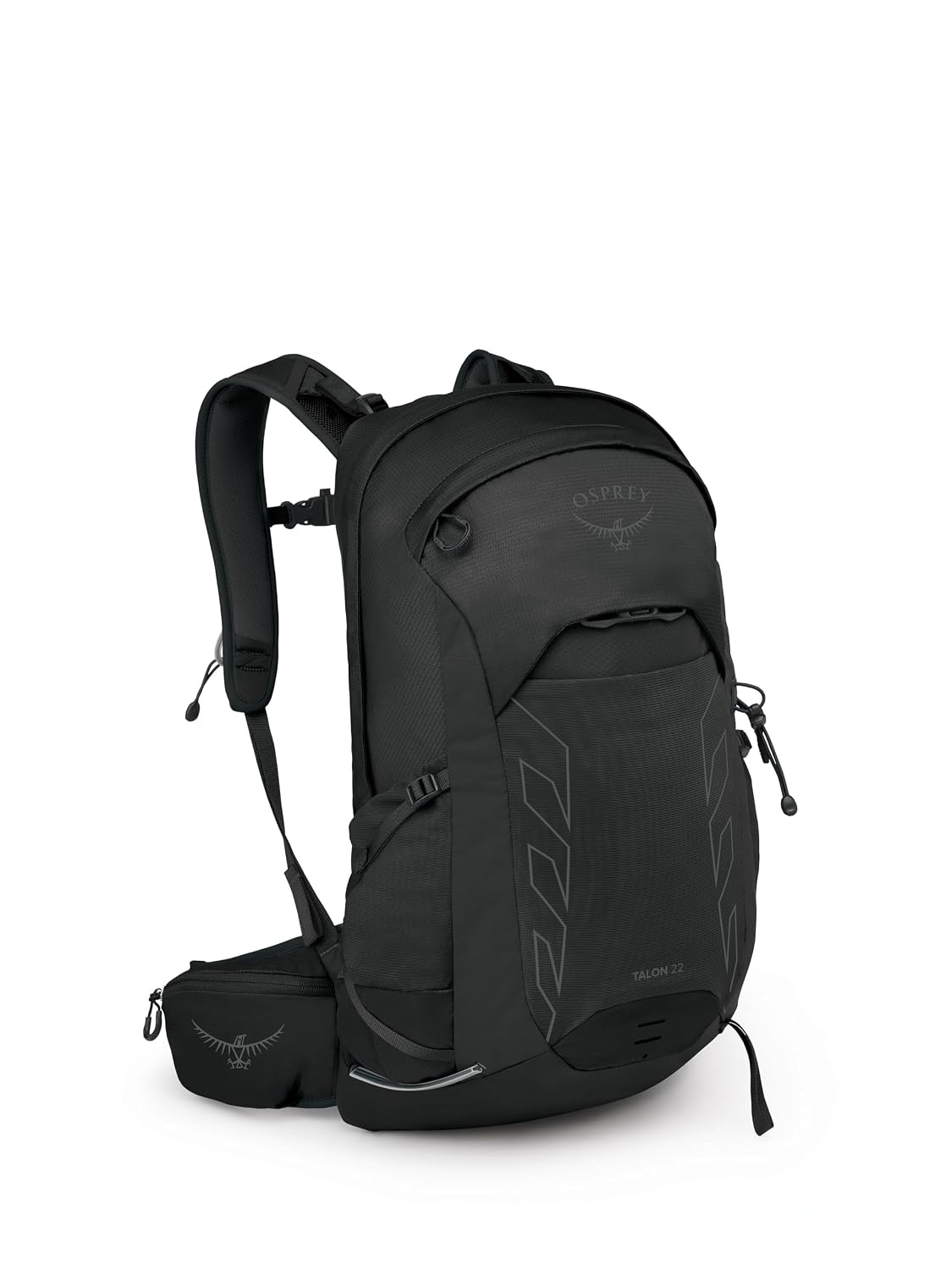 Product photoOsprey Talon 22
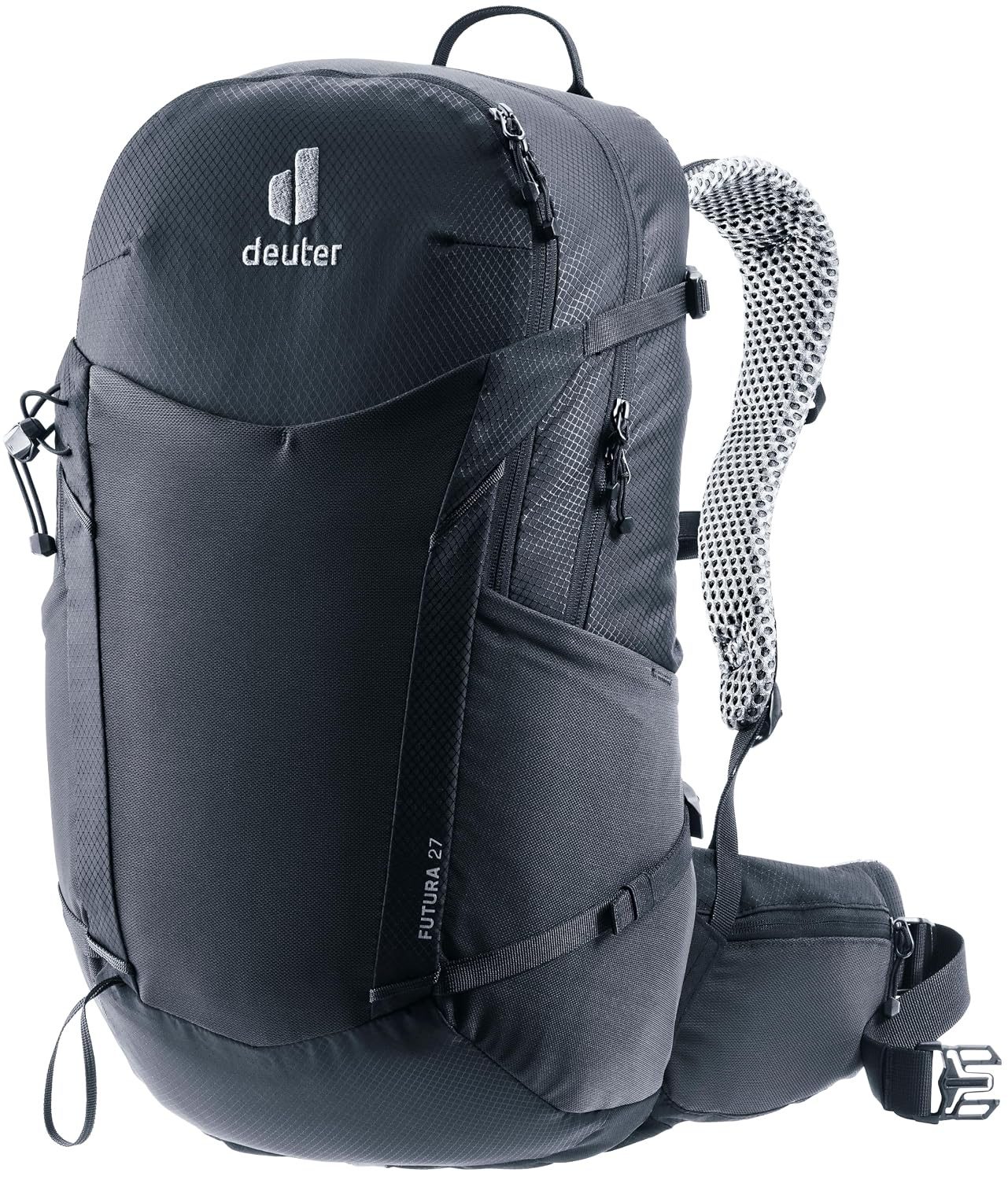 Product photoDeuter Futura 27
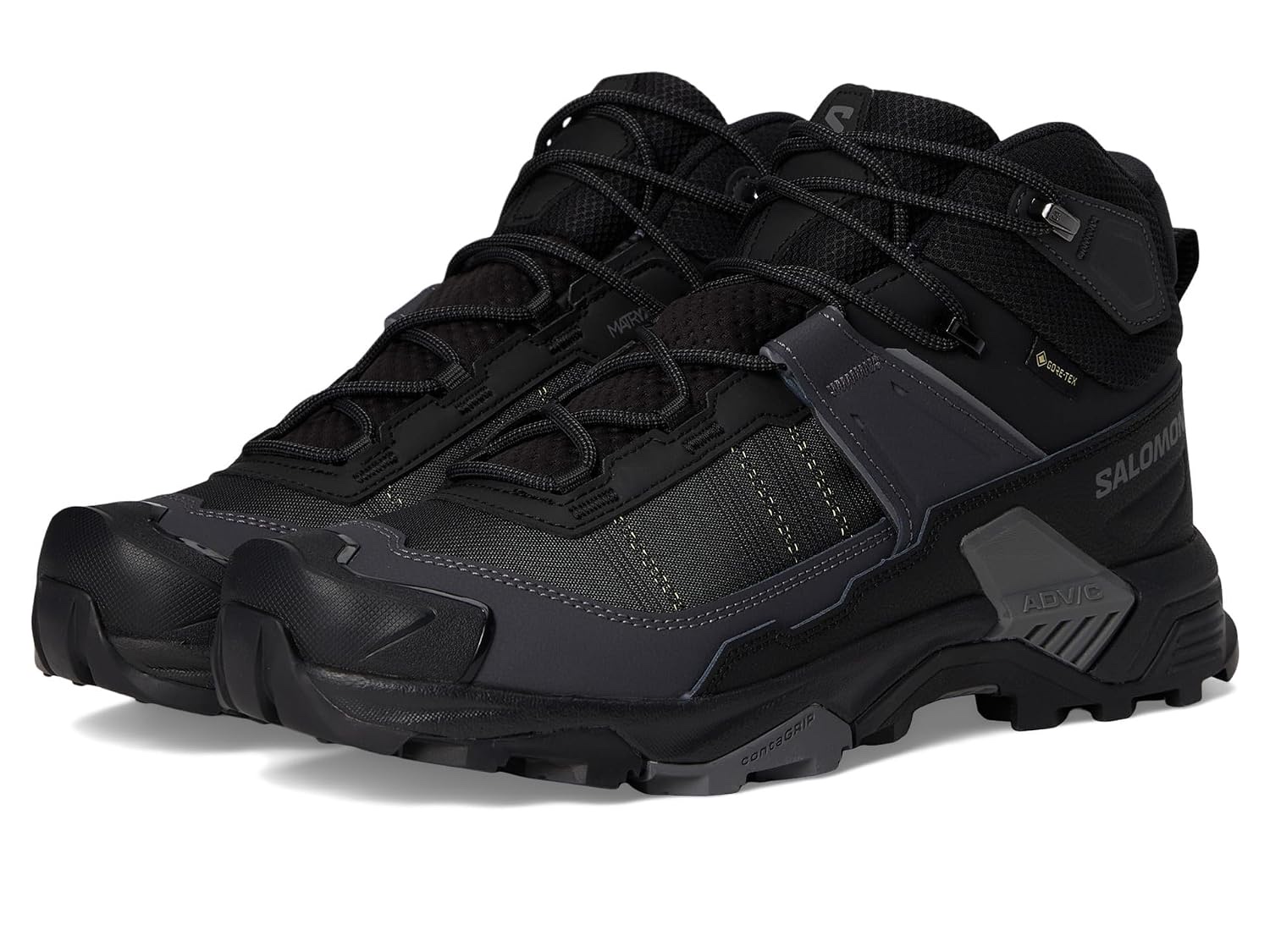 Product photoSalomon X Ultra 5 Mid GTX
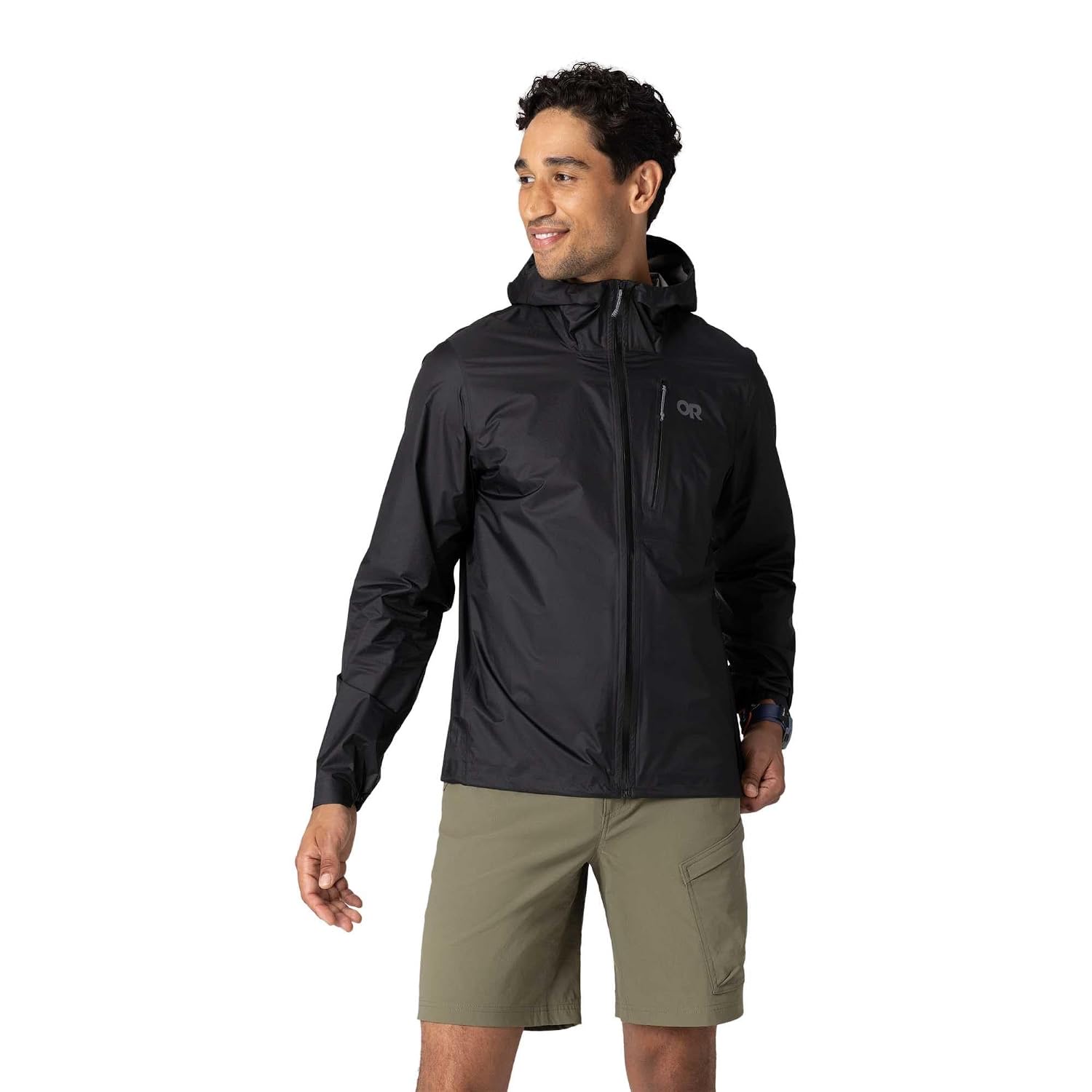 Product photoOutdoor Research Men's Helium UL Jacket