A decision-led guide to poles, small comfort items, visibility, organization, and the accessories that solve a real trail problem.
The short answerA hiking accessory earns space when it solves a repeated problem without adding more friction than value. Start with the route and the moment you struggle: balance on descents, tired hands, low light, wet weather, organization, or small repairs. Choose accessories that are easy to access, compatible with your system, and simple enough to use when you are tired.
Affiliate disclosure: some retailer links on this site may earn a commission. That does not change the evidence labels or the need to verify the current product, variant, price, availability, and returns.
Accessories that earn their space
An accessory earns its place in your pack when it solves a repeated problem without adding more friction than value. A trekking pole that saves your knees, a sit pad that makes lunch comfortable, a dry bag that keeps your spare clothes dry: these are accessories that pay for their weight on every trip. The test is simple: if you reach for it often, it belongs; if you never use it, it does not.
The opposite of a useful accessory is a gadget that seemed clever in the shop and stays buried in the pack forever. Before adding any accessory, ask what problem it solves, how often that problem occurs, and whether you already own something that solves it. Honest answers keep your pack light and your kit purposeful.
AFFILIATE PICK · Trail accessories
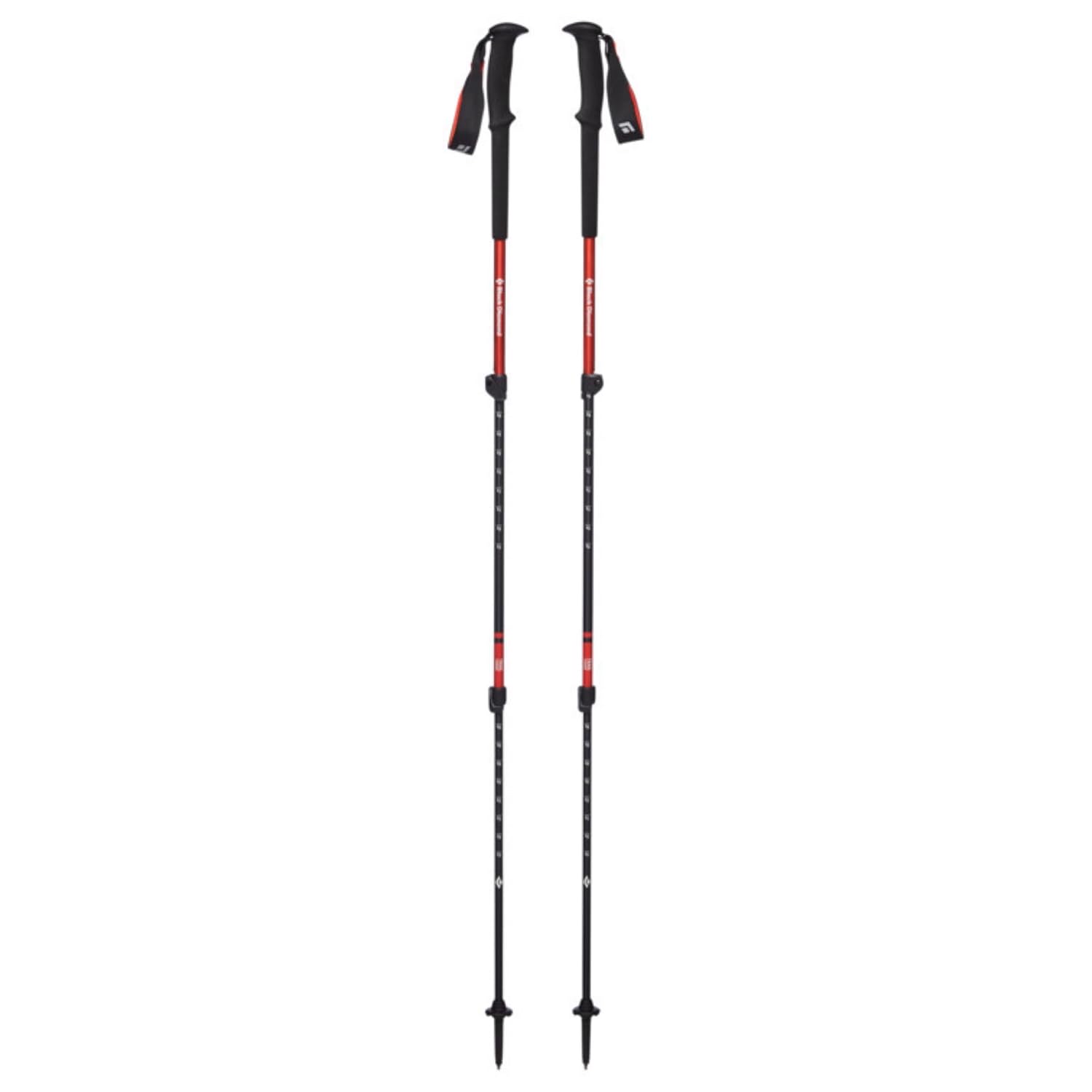
BLACK DIAMOND Trail Trekking Poles
Accessories that earn their space: Adjustable trekking poles for stability on descents, uneven ground, and long days when your knees need help.
Best forHikers who want a dependable two-pole setup for rocky or steep routes.Skip ifYou only need an ultralight single pole or dislike carrying poles between obstacles.
Open profile →Trekking poles: the highest-value accessory
Trekking poles are the single highest-value accessory for most hikers. They reduce knee strain on descents, improve balance on uneven ground, share the work on climbs, and provide stability at stream crossings. For hikers with knee trouble, heavier loads, or steep routes, poles change the experience of a day on the trail.
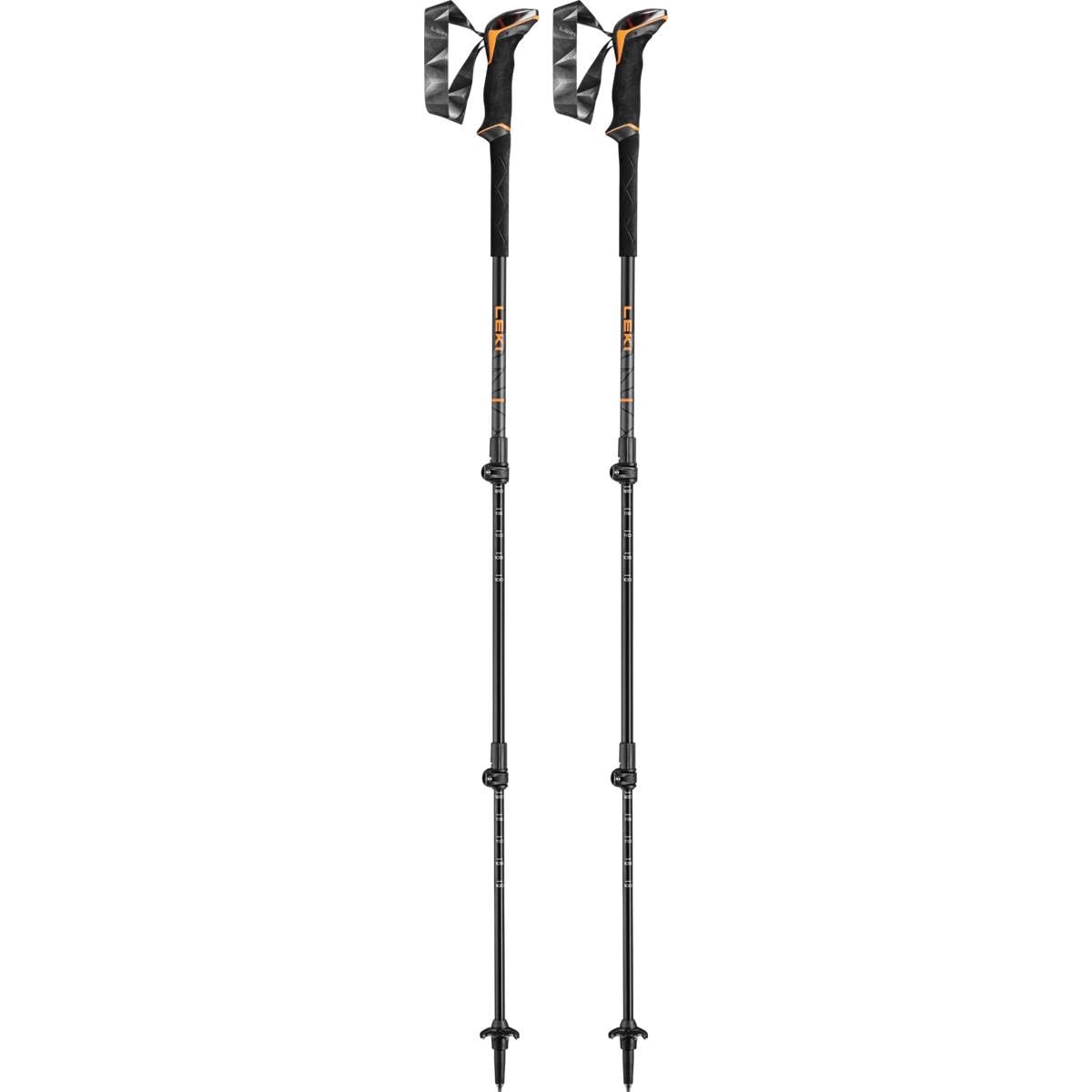
The two pole profiles on this site cover the main choices: the BLACK DIAMOND Trail Trekking Poles for sturdy, dependable use, and the LEKI Makalu Lite for lighter, long-distance walking. Both are three-section aluminum poles with lever locks, so the choice comes down to grip preference and weight.
Gaiters, and when they matter
Gaiters are fabric sleeves that wrap around your lower leg and shoe, keeping out grit, snow, mud, and vegetation. They matter most in conditions where debris constantly enters your shoes: scree slopes, snowy trails, muddy paths, and overgrown routes. On a clean, maintained trail, they are unnecessary weight.
Short gaiters cover the ankle and keep out grit and small stones, while tall gaiters cover the calf and suit snow and deep mud. Choose the height that matches your conditions, and make sure the gaiter fits your shoe and your calf. A gaiter that slips down or chafes is worse than no gaiter at all.
Sit pads, camp comfort, and small luxuries
A sit pad is a small square of closed-cell foam that weighs almost nothing and transforms rest stops. Sitting on cold, wet, or rocky ground without insulation drains heat and comfort, while a sit pad keeps you warm and dry. It also doubles as a knee pad for camp chores and a windbreak for a stove.
Small luxuries like a sit pad, a camp pillow, or a lightweight camp chair are worth their weight if they make you rest properly. A comfortable rest stop restores energy and morale, while an uncomfortable one leaves you stiff and reluctant to stop. Comfort is not indulgence; it is recovery.
Water containers and the accessory view
Water containers are accessories in the sense that they support the main system without being the main event. A soft flask that rolls up when empty, a collapsible bottle for extra capacity, and a wide-mouth bottle that is easy to fill from a shallow stream each solve a specific problem. The right container depends on your route and your habits.
Think about access as well as capacity. A bottle in a side pocket is reachable while walking, a reservoir lets you drink without stopping, and a soft flask in a hipbelt pocket is there for quick sips. The container you can reach is the container you will drink from.
AFFILIATE PICK · Trail accessories
LEKI Makalu Lite
Water containers and the accessory view: A lighter trekking-pole option for hikers who want dependable adjustment without carrying expedition-grade weight.
Best forLong-distance hikers who use poles consistently and care about swing weight.Skip ifYou need the cheapest starter pair or a compact carbon race pole.
Open profile →Stuff sacks, dry bags, and organization
Organization accessories keep a pack usable. Stuff sacks separate clothes from food, dry bags protect spare clothing and electronics from rain, and small pouches keep first aid, repair items, and navigation tools findable. A well-organized pack is faster to use and less frustrating at every stop.
Colour-coding helps: one colour for dry clothes, another for food, another for first aid. You will find what you need without unpacking the whole bag, and you will pack faster in the morning. Organization is a skill, and the accessories are its tools.
Repair kits: tape, cord, and spare parts
A repair kit is a small bag of items that fix the problems that actually happen on the trail: a torn tent, a broken buckle, a leaking pad, a blister. Duct tape wrapped around a pencil, a needle and thread, a few cable ties, some cord, and a spare buckle cover most field repairs. The whole kit weighs less than a snack bar.
The skill matters more than the kit. Know how to patch a tent, splint a broken pole, and repair a leaking pad before you need to do it in the rain. A repair kit you cannot use is dead weight; a repair kit you know how to use is a trip-saver.
Navigation accessories: cases, lanyards, and mounts
Navigation accessories protect and support your navigation tools. A waterproof map case keeps your map readable in rain, a lanyard keeps your compass accessible, and a phone mount keeps your screen visible without holding it. These small items make navigation easier and more reliable.
The most valuable navigation accessory is a spare battery or power bank for your phone. A phone with a dead battery is not a navigation tool, and a power bank weighs little. Keep the power bank warm in cold weather, since cold drains batteries faster.
Sun and insect protection beyond clothing
Sunscreen, sunglasses, and insect repellent are accessories that protect your health, not just your comfort. Sunscreen prevents sunburn and long-term skin damage, sunglasses protect your eyes from glare and wind, and repellent keeps insects at bay in buggy areas. All three are light, cheap, and easy to carry.
Reapply sunscreen during the day, especially after sweating, and choose sunglasses that stay put while you move. For insect protection, repellent on exposed skin and permethrin-treated clothing are the most effective combination. Check for ticks after hiking in grassy or wooded areas.
Hygiene on the trail: the small kit
Trail hygiene is simple but important. A small kit with hand sanitiser, a trowel for burying waste, toilet paper in a sealed bag, and a pack-out bag for rubbish keeps you and the trail clean. Wet wipes are convenient but must be packed out, since they do not biodegrade.
Hand hygiene matters most before eating and after using the toilet. A small bottle of sanitiser weighs almost nothing and prevents the stomach bugs that ruin trips. Clean hands are the simplest health habit in hiking.
Photography accessories for trail walkers
Photography on the trail needs accessories that protect the camera and keep it accessible. A padded case, a lens cloth, and a secure strap are the basics, and a small tripod or monopod helps for landscapes and low-light shots. The goal is to take good photos without the camera becoming a burden.
Think about access: a camera buried in the pack will not be used, while a camera on a chest strap or hipbelt pouch is ready in seconds. The best trail camera is the one you can reach quickly, and the best accessory is the one that makes it reachable.
Power: batteries, banks, and cables
Power accessories keep your electronics running: a power bank for your phone, spare batteries for your headlamp, and the right cables for your devices. On a day hike, a charged phone and a headlamp with fresh batteries are usually enough. On a multi-day trip, a power bank becomes essential.
Cold weather drains batteries faster, so keep your power bank and phone in a pocket where they stay warm. Turn off unused features, use aeroplane mode, and charge devices at every opportunity. Power management is a skill that improves with practice.
The ten essentials, checked honestly
The ten essentials list, navigation, light, sun protection, first aid, knife, fire, shelter, food, water, and clothes, is a useful checklist for any hike. The point is not to carry ten specific items, but to cover ten categories of need. Check your pack against the list before every hike.
The honest check is whether you can use what you carry. A knife you cannot open with cold hands, a fire starter you have never used, and an emergency shelter you have never practised with are all dead weight. Practise with your essentials until using them is familiar.
Seasonal accessories: traction, snow, and heat
Seasonal accessories adapt your kit to conditions. Microspikes or crampons add grip on ice and packed snow, snowshoes keep you on top of deep snow, and a sun umbrella provides shade on exposed, treeless trails. Each is essential in its season and dead weight outside it.
Learn to use seasonal accessories before you need them. Practice putting on microspikes with gloves on, learn to walk in snowshoes, and know when to turn back if conditions exceed your gear. Seasonal accessories extend your hiking year, but only if you know how to use them.
Cutting the accessories you never use
Every hiker accumulates accessories that seemed useful and turned out not to be. The test is simple: if you have not used an item on your last three hikes, take it out of the pack. If you miss it, put it back. If you do not, you have just lightened your load.
Review your kit at the end of each season. Note what you used, what you carried but did not use, and what you wished you had. That review, done honestly, will lighten your pack and sharpen your kit more effectively than any shopping trip.
Frequently asked questions
What is the most useful hiking accessory?
Trekking poles, for most hikers. They reduce knee strain, improve balance, and share the work on climbs and descents. A sit pad and a dry bag are close behind for comfort and organization.
Do I need gaiters for hiking?
Only if your routes involve scree, snow, mud, or overgrown trails where debris enters your shoes. On clean, maintained trails, gaiters are unnecessary weight.
What should be in a trail repair kit?
Duct tape, a needle and thread, cable ties, cord, and a spare buckle cover most field repairs. The whole kit weighs less than a snack bar. Know how to use it before you need it.
How do I keep my pack organized?
Use stuff sacks and dry bags to separate clothes, food, and first aid, and colour-code them so you can find things without unpacking. A well-organized pack is faster to use at every stop.
What are the ten essentials?
Navigation, light, sun protection, first aid, knife, fire, shelter, food, water, and extra clothes. The point is to cover ten categories of need, not to carry ten specific items.
How do I decide what accessories to cut?
If you have not used an item on your last three hikes, take it out. If you miss it, put it back. Review your kit at the end of each season and be honest about what you actually use.

 Product photoBLACK DIAMOND Trail Trekking Poles
 Product photoLEKI Makalu Lite
 Product photoBlack Diamond Spot 400