
A problem-solving pack weight planning tool for hikers who want a clearer decision before the trailhead. Enter honest inputs, read the result as a range, and turn it into one practical action.
Use this calculator to estimate your total carried load, separate base weight from consumables, and find the easiest place to reduce weight without removing safety gear. Enter honest numbers, read the result as a planning range, and change one thing at a time.
Affiliate disclosure: some retailer links may earn a commission. The tool result is independent of retailer relationships and does not replace current route, weather, manufacturer, medical, or local safety guidance.
Base weight, consumables, and total load
Base weight is everything you carry except consumables: the pack, shelter, sleep system, clothing, and gear. Consumables are food, water, and fuel, which get lighter as you use them. Total load is the two added together, and it is the number your body actually feels on the trail.
Separating base weight from consumables matters because they change differently. Base weight is fixed for the trip, while consumables decrease every day. A pack that feels heavy on day one will feel lighter by day three, and understanding that pattern helps you plan food and water realistically.
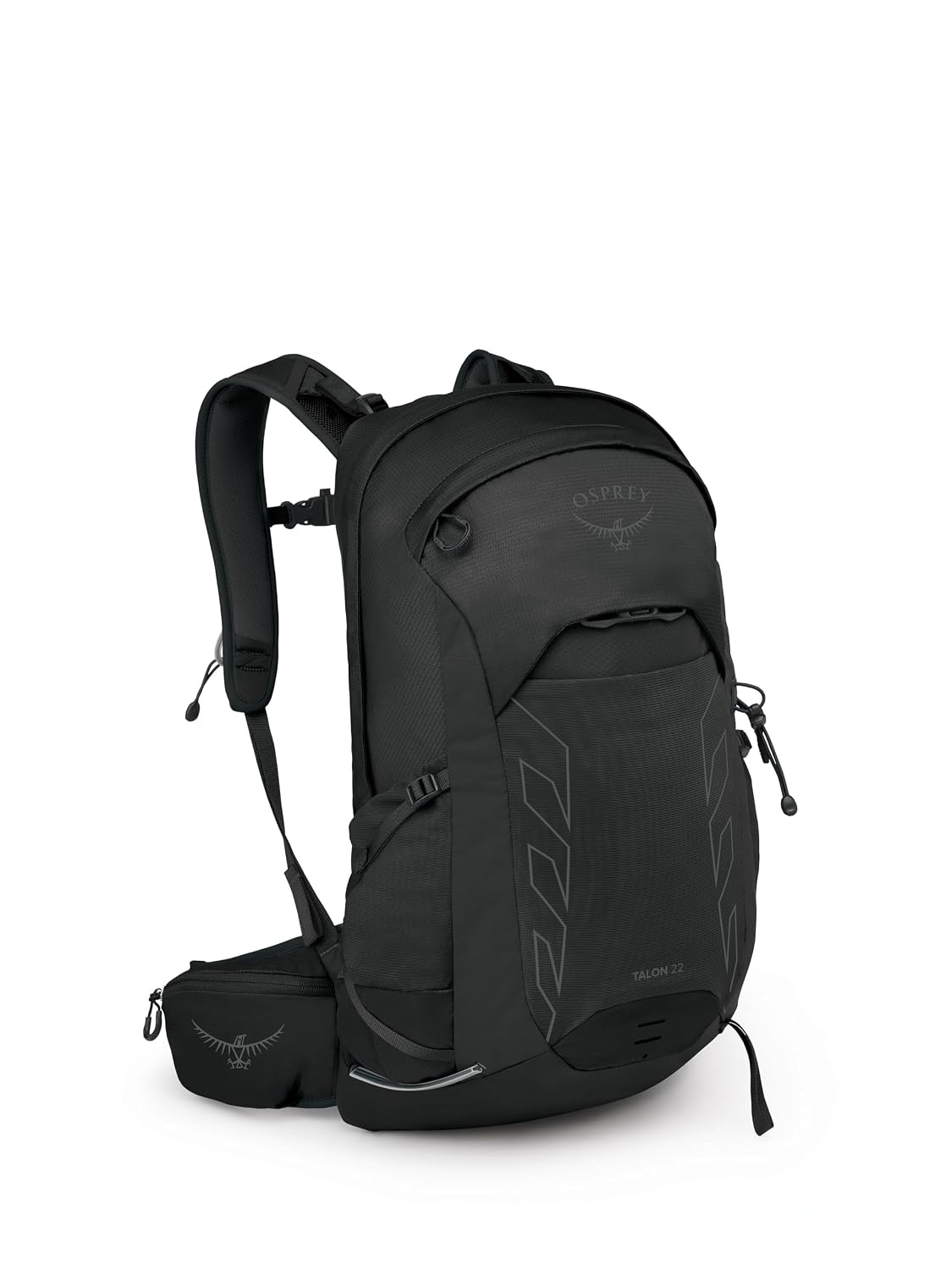 Product photoOsprey Talon 22
Osprey Talon 22
Base weight, consumables, and total load: A ventilated daypack for hikers who want a stable carry without turning a short route into an expedition.
Weighing your gear honestly
Honest inputs make the calculator useful, and honest inputs mean weighing your gear, not guessing. A kitchen scale works for small items, and a luggage scale works for the full pack. Weigh each item, write down the number, and add them up. Guesses are almost always optimistic.
Include everything: the pack itself, the stuff sacks, the phone, the keys, and the water bottles. Small items add up quickly, and a calculator that omits them gives a reassuring number that has nothing to do with the pack on your back. Honesty now saves discomfort later.
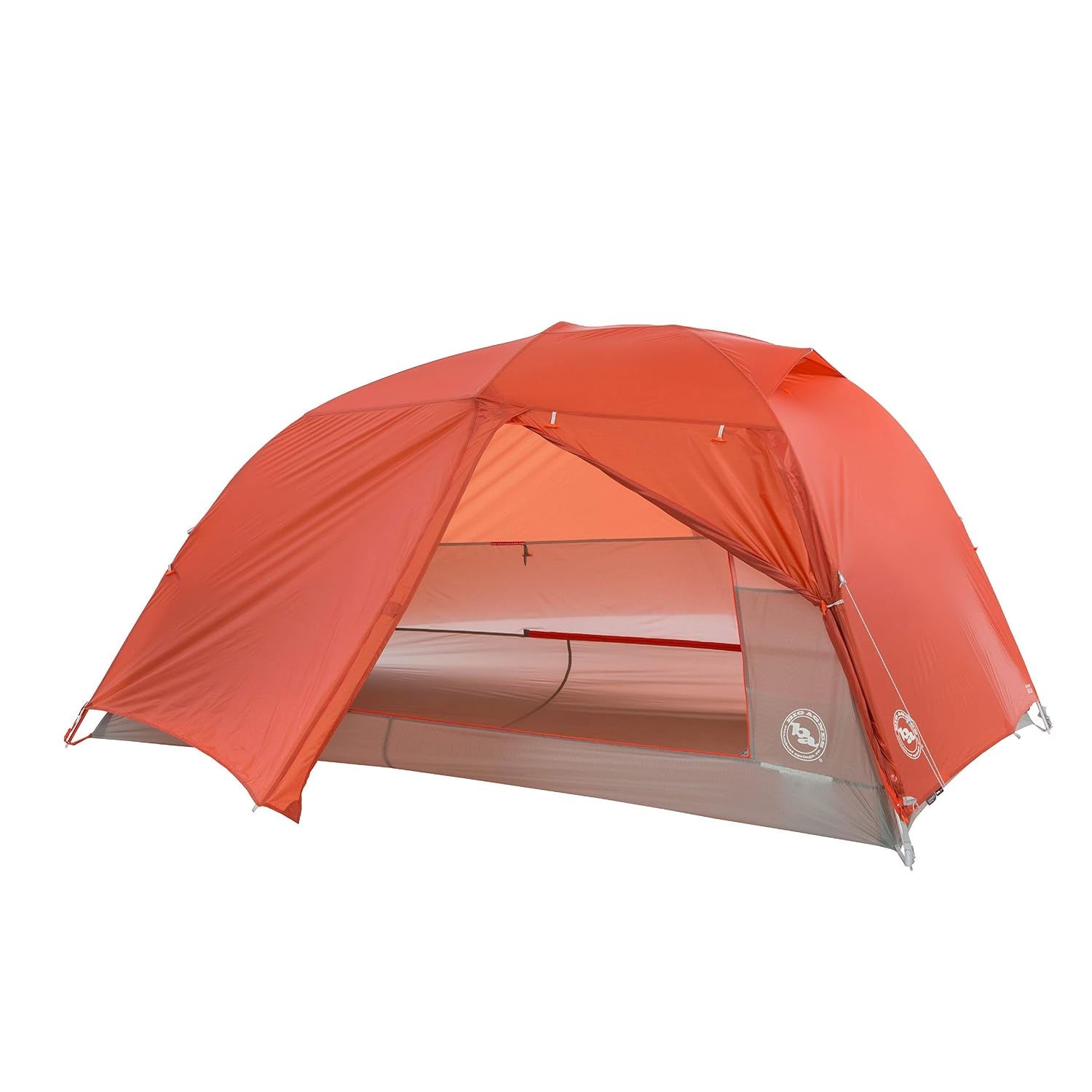 Product photoBig Agnes Copper Spur HV UL2
Big Agnes Copper Spur HV UL2
Weighing your gear honestly: A lightweight two-person tent for backpackers who want a proven balance of room, weather protection, and packability.
Reading the result as a planning range
The calculator's result is a planning range, not a precise prediction. Your actual load will vary with water, food, and the items you add or remove at the last minute. Read the result as a guide to the ballpark you are in, and use it to make decisions, not to chase a specific number.
Compare the result to your own comfort, not to someone else's target. A load that feels fine for a fit hiker on flat ground may be too much for a beginner on steep trails. Your body, your route, and your experience set the right number, not a forum post.
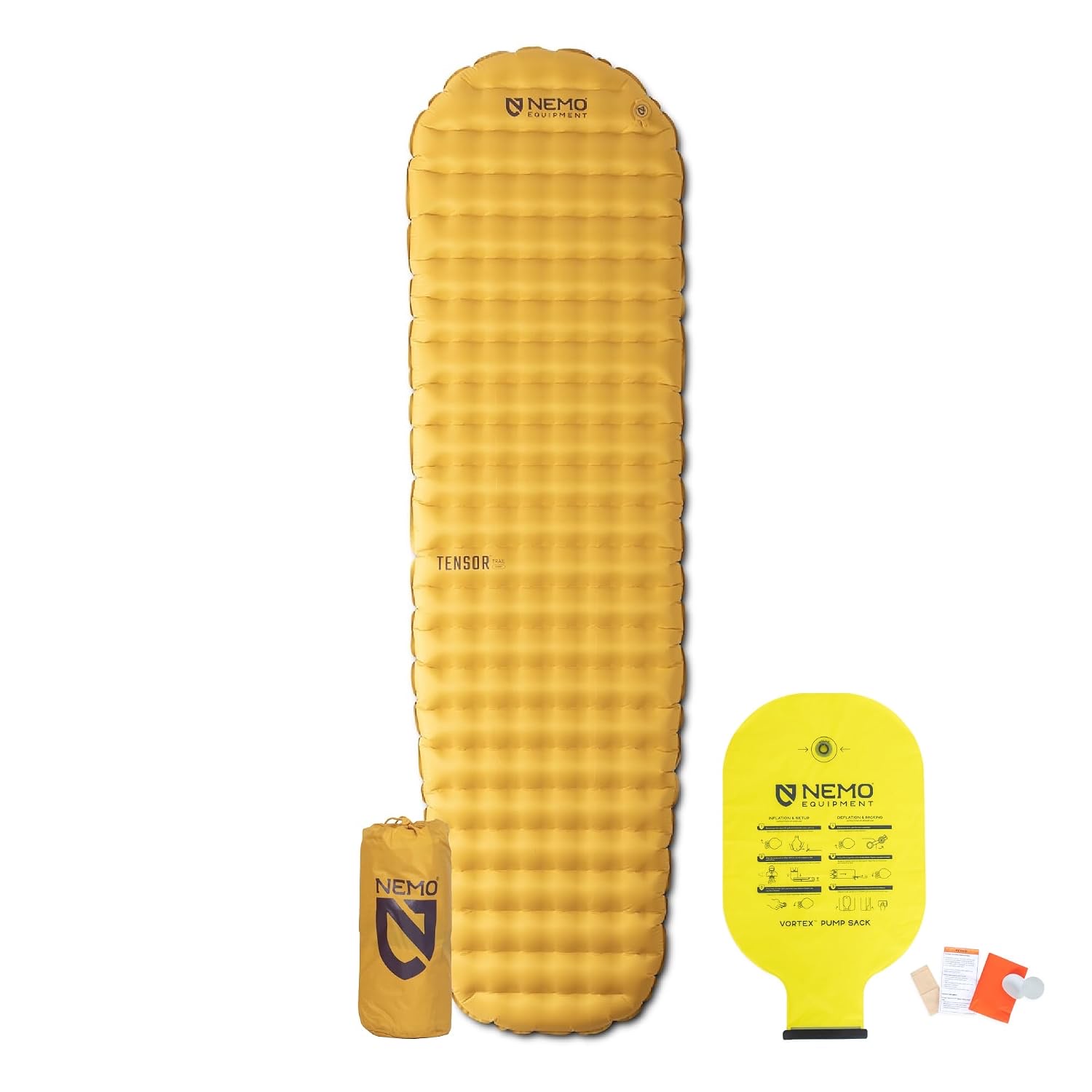 Product photoNEMO Tensor Trail
NEMO Tensor Trail
Reading the result as a planning range: An insulated sleeping pad for hikers who care about quiet comfort and warmth across more than one season.
Finding the easiest weight to remove
The easiest weight to remove is usually the heaviest single item you do not need, or the category where you carry duplicates. Look at the largest blocks first: the pack, the shelter, the sleep system, and the water. A single change in one of these categories can save more weight than a dozen small trims.
Ask three questions about each item: do I use it, do I need it, and is there a lighter version? Items you never use should leave the pack. Items you need but rarely use might be shared with a hiking partner. Items with a lighter version are candidates for a future upgrade, not an immediate purchase.
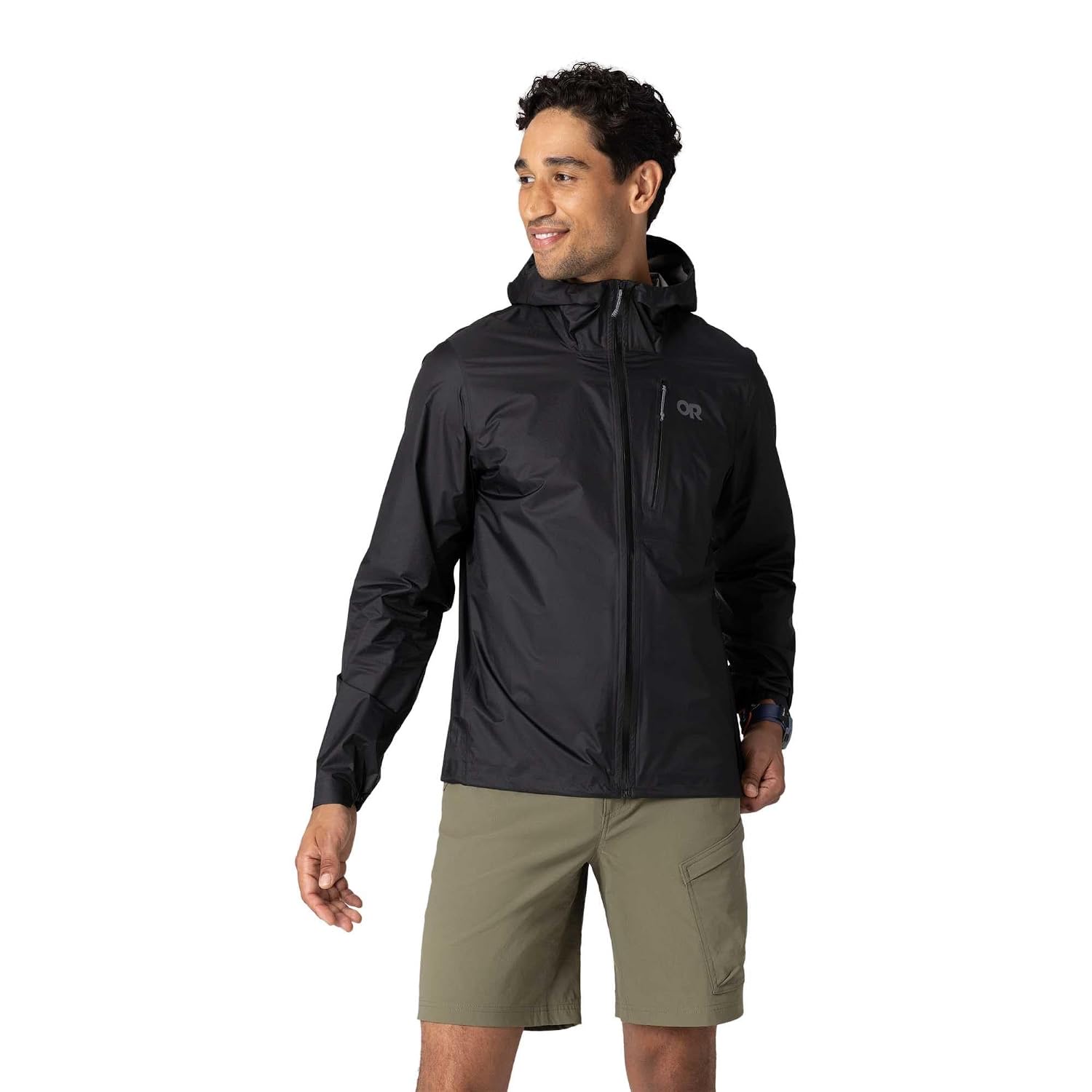 Product photoOutdoor Research Men's Helium UL Jacket
Outdoor Research Men's Helium UL Jacket
Finding the easiest weight to remove: A lightweight rain shell for hikers who need packable weather protection without carrying a bulky hard shell.
Changing one thing at a time
Change one category at a time, then test the result on a real hike. Changing everything at once makes it impossible to tell what helped and what hurt, and it risks removing something you actually needed. A single change, tested on a familiar route, gives you clear feedback.
Keep a simple log of your pack weight and your comfort on each trip. Over time, the log shows you which changes mattered and which did not, and it builds a personal guide to your ideal load. The goal is a pack that feels right, not a number that looks impressive.
A practical decision table
| Planning output | What it means | What to do next |
|---|---|---|
| Base weight | Gear carried before consumables | Review shelter, sleep, pack, and clothing choices |
| Consumable load | Food, fuel, and water weight | Adjust refill points, meal plan, or start volume |
| Total carried load | What leaves the trailhead with you | Compare to comfort, terrain, and personal capacity |
| Weight diagnosis | Where the largest removable block sits | Change one category at a time and retest |
Frequently asked questions
What is base weight?
Base weight is everything you carry except consumables: the pack, shelter, sleep system, clothing, and gear. Consumables are food, water, and fuel, which get lighter as you use them.
How do I weigh my gear accurately?
Use a kitchen scale for small items and a luggage scale for the full pack. Weigh each item, include everything, and write the numbers down. Guesses are almost always optimistic.
What is a good base weight for backpacking?
It depends on your trip, your body, and your experience. Compare the result to your own comfort on familiar routes, not to someone else's target. A load that feels fine for you is the right load.
Where should I start reducing pack weight?
Start with the largest blocks: pack, shelter, sleep system, and water. A single change in one of these categories saves more weight than a dozen small trims. Remove items you never use first.
Should I buy lighter gear to reduce weight?
Not immediately. Remove what you do not use first, then consider upgrades one at a time, starting with the item that caused the most discomfort. A thoughtful upgrade, tested on a real hike, beats a spending spree.
Is the calculator result exact?
No. It is a planning range based on the numbers you enter. Your actual load varies with water, food, and last-minute additions. Use the result to make decisions, not to chase a specific number.
Useful Sources and Verification
Use these source types to verify current details before buying or publishing a recommendation.
- Current official manufacturer documentation for technical limits, care, compatibility, and safety instructions
- Current route, weather, water-source, retailer, or service information relevant to the decision
- Independent review patterns used as context, not as a substitute for personal fit or field testing