
A practical guide to hiking water treatment, with a clear decision path, route-aware checks, and a repeatable plan that does not depend on a universal winner.
Water treatment for hiking means choosing a method that matches your water sources and your region: a squeeze filter for clear streams, chemical treatment for virus risk or backup use, and boiling or a gravity filter for groups. Always treat backcountry water, and always carry a backup method.
Affiliate disclosure: some retailer links may earn a commission. This does not change the evidence boundaries or the need to verify current product, variant, price, availability, warranty, and return details.
What is actually in backcountry water
Backcountry water can carry bacteria, protozoa, and viruses, and the risk depends on the source and the region. Mountain streams fed by snowmelt are usually cleaner than lowland water shared with livestock or settlements, but even a clear, beautiful stream can carry giardia, which causes days of illness. Clear water is not necessarily safe water.
The organisms that matter most are protozoa like giardia and cryptosporidium, bacteria like E. coli and salmonella, and viruses like norovirus and hepatitis A. Different treatment methods address different organisms, so knowing what you are protecting against is the first step in choosing a method.
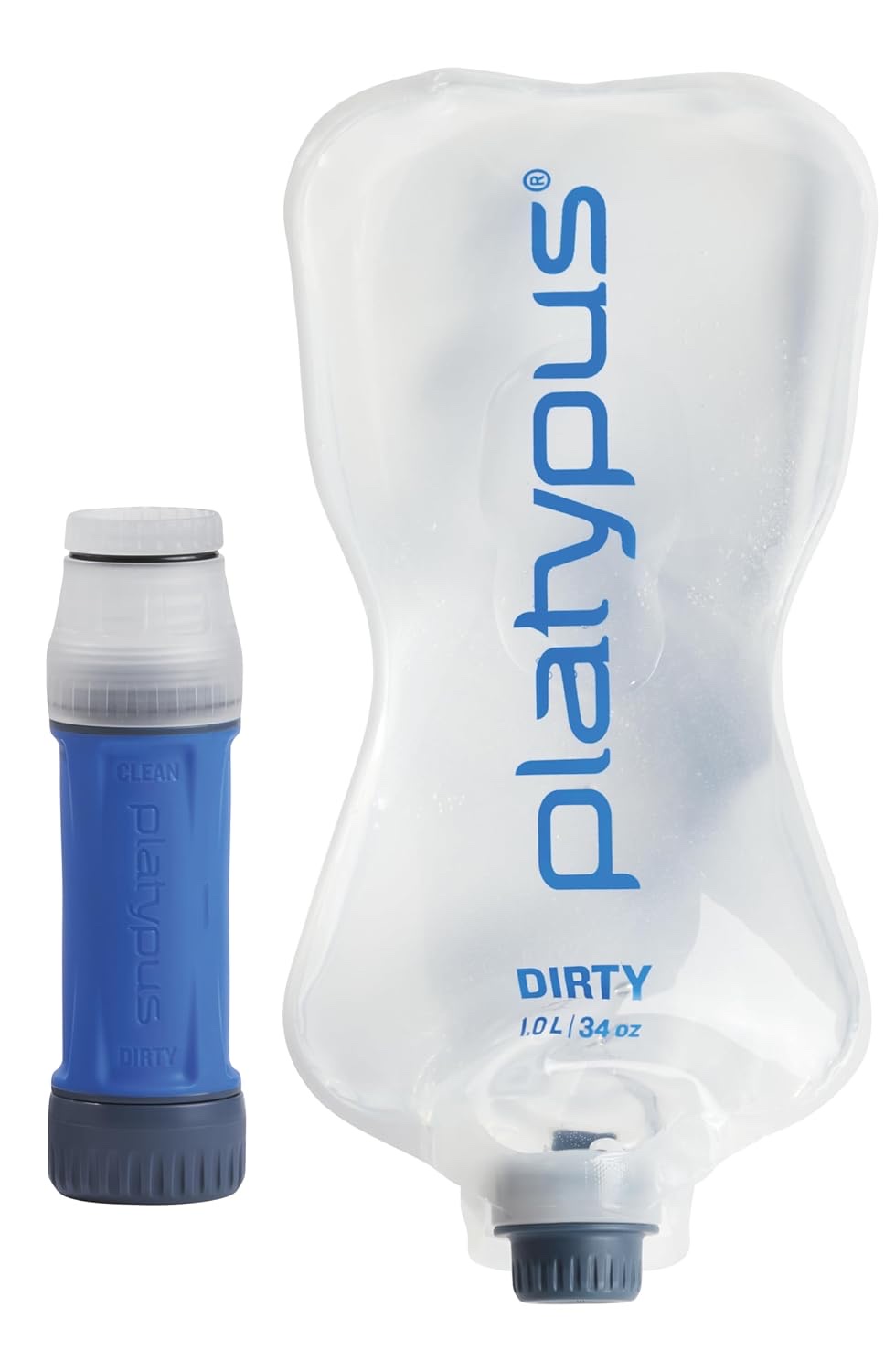
Platypus QuickDraw 1 Liter Water Filter System
Best for: Backpackers who refill from clear streams and want a small, simple treatment system.
A compact squeeze filter for hikers who want a fast way to treat water on day hikes and overnights.
What is actually in backcountry water
- Compact squeeze-filter format
- Fast backcountry refills
- Works with compatible soft bottles
- You need virus protection, expect silty water, or do not want a manual squeeze setup.
Filters: how hollow-fiber treatment works
Hollow-fiber filters push water through tiny tubes with pores small enough to block bacteria and protozoa. A 0.1 or 0.2-micron filter removes the organisms responsible for giardia and most bacterial illness, which covers the realistic risks from clear mountain streams. The filter does not remove viruses, chemicals, or heavy metals.
Squeeze filters are the most popular type for individual hikers: fill a pouch, attach the filter, and squeeze clean water into your bottle. Gravity filters suit groups, and pump filters suit shallow or awkward sources. Whatever type you choose, backflush regularly and never let the filter freeze with water inside.
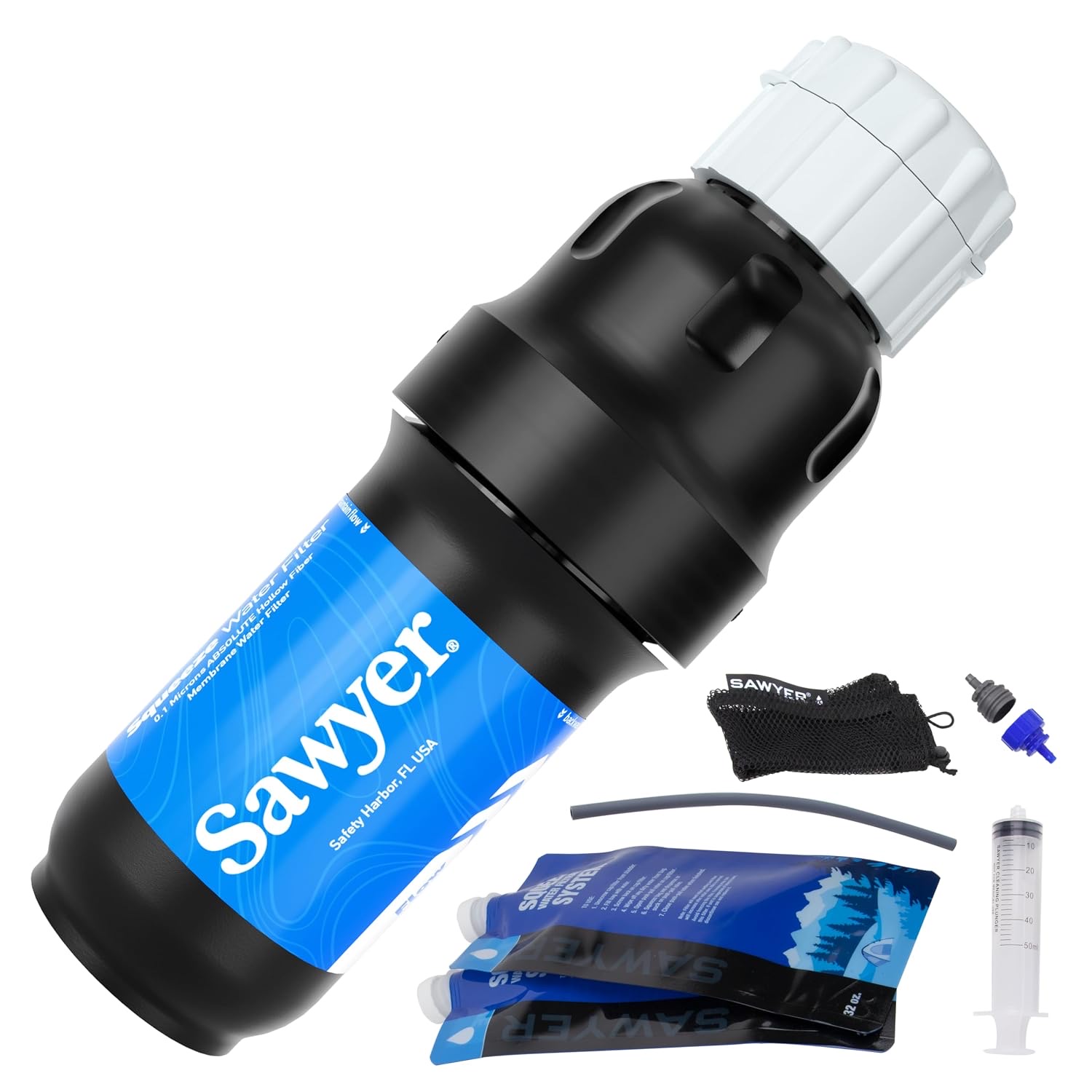
Sawyer Squeeze
Best for: Hikers who want a proven modular filter for weekend trips and longer routes.
A widely used squeeze-filter system for hikers who want flexible bottle and pouch compatibility.
Filters: how hollow-fiber treatment works
- Modular squeeze filtration
- Multiple pouch and bottle options
- Backflushable maintenance design
- You want instant gravity filtration or do not want to backflush and maintain a filter.
Chemical treatment: drops, tablets, and time
Chemical treatment, using chlorine dioxide drops or tablets, kills bacteria, protozoa, and viruses, which makes it the most complete treatment in the smallest package. The trade is time: chemical treatment needs up to half an hour to work, and the water can taste of chemicals. It is also less effective in very cold or murky water.
Chemical treatment shines as a backup method and for travel in regions where viruses are a concern. A small bottle of drops weighs almost nothing and covers the case where your filter fails or the water source is suspect. Carry it even if you normally use a filter.
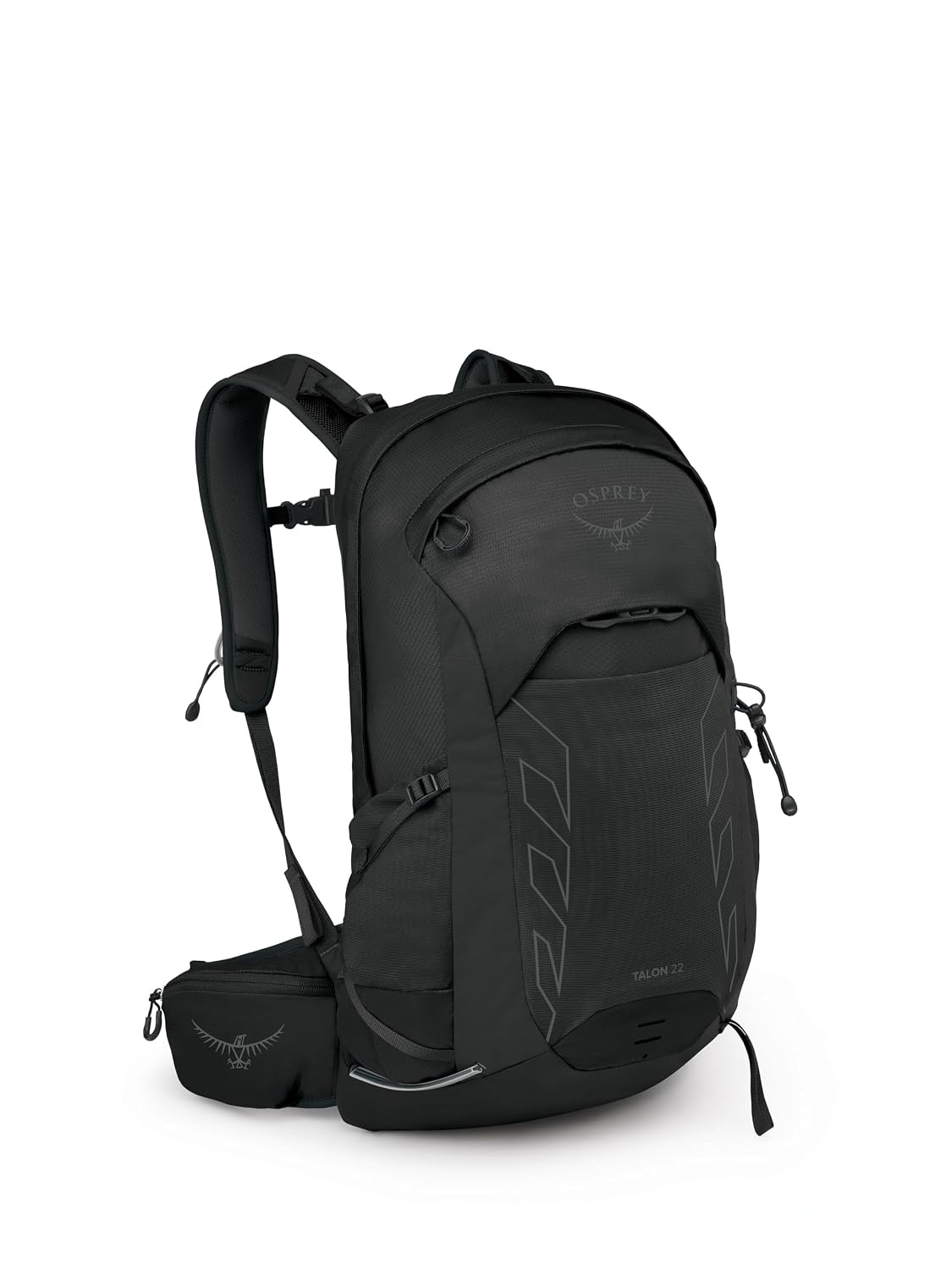
Osprey Talon 22
Best for: Day hikers carrying layers, water, and a light lunch who want a close, flexible fit.
A ventilated daypack for hikers who want a stable carry without turning a short route into an expedition.
Chemical treatment: drops, tablets, and time
- 22-liter day-hike format
- Close-to-body harness with adjustable torso
- Useful organization for layers and small essentials
- You need a framed overnight pack, a very minimal summit vest, or a fully waterproof shell.
Boiling and UV: the other options
Boiling is the most reliable treatment method: a rolling boil kills bacteria, protozoa, and viruses, and it works in any water. The trade is time and fuel, since boiling takes minutes and needs a stove and a pot. It is the best backup method if you already carry a stove, and the standard method for groups at camp.
UV treatment uses ultraviolet light to neutralise organisms, and it works quickly on clear water. The trade is that it needs batteries, does not work well in murky water, and provides no residual protection. It suits travellers who want a fast, lightweight method for clear water sources.
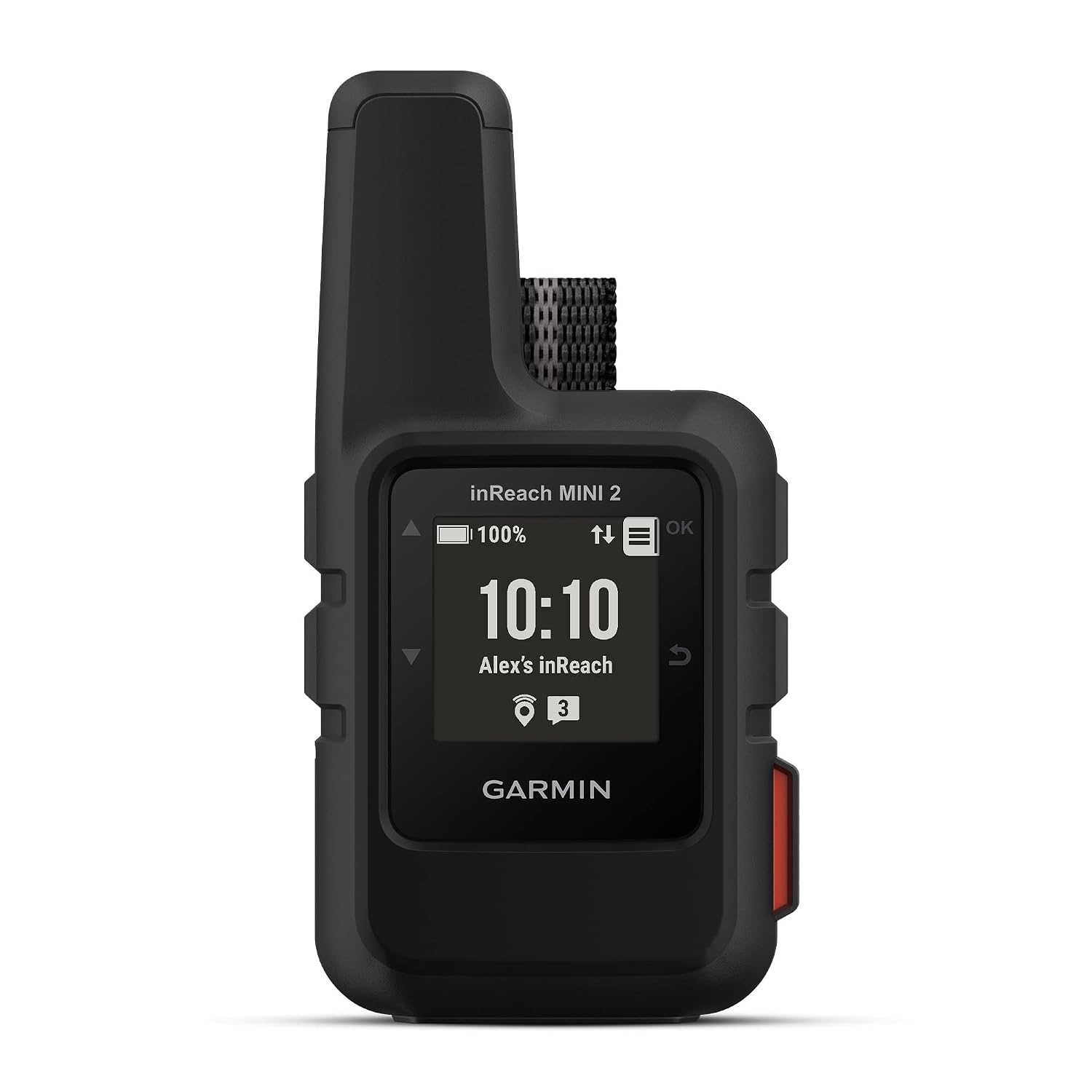
Garmin inReach Mini 2
Best for: Remote hikers who travel beyond reliable cell coverage and carry a clear communication plan.
A satellite communicator for trips where an emergency plan and off-grid check-ins matter.
Boiling and UV: the other options
- Two-way satellite messaging
- SOS capability through satellite network
- Compact device for remote routes
- You stay on busy local trails with coverage or do not want a subscription device.
Choosing a method for your region and group
The right method depends on your water sources, your region, and your group size. Solo hikers on clear mountain streams can rely on a squeeze filter. Groups need a gravity filter or boiling to produce enough water. Regions with virus risk need chemical treatment or a purifier, and silty water needs prefiltering before any method works well.
Whatever you choose, carry a backup. A filter can clog, crack, or freeze, and a backup method turns a failed filter from an emergency into an inconvenience. Chemical drops are the lightest backup, and boiling is the most reliable. The weight is negligible, and the day you need it, you will be glad it is there.
A practical decision table
| Water decision | What to verify | Why it matters |
|---|---|---|
| Source | Location, seasonality, and access | A map symbol is not a guaranteed refill |
| Treatment | Organisms and conditions covered | Different methods have different limits |
| Capacity | Container size and refill spacing | Balances carried weight and route flexibility |
| Backup | Chemical, mechanical, or extra capacity | Protects the plan when the main method fails |
Frequently asked questions
Do I need to treat water from a mountain stream?
Yes. Even clear mountain streams can carry giardia and other organisms. Always treat backcountry water with a filter, chemical treatment, or boiling.
What is the difference between a filter and a purifier?
A filter removes bacteria and protozoa. A purifier also removes viruses. In most mountain areas a filter is sufficient, but in regions with virus risk you need a purifier or chemical treatment.
How long does chemical treatment take?
Up to half an hour, depending on the product and the water temperature. Cold or murky water needs longer. Follow the product instructions and do not rush the waiting time.
Can I use a squeeze filter with silty water?
Not well. Silty water clogs hollow fibers quickly. Prefilter with a bandana or let the water settle first, and consider a pump filter for consistently silty sources.
Is boiling water enough to make it safe?
Yes. A rolling boil kills bacteria, protozoa, and viruses. It is the most reliable treatment method, though it takes time and fuel. It does not remove chemicals or sediment.
What should I do if my filter fails on the trail?
Use your backup method: chemical treatment drops or boiling. That is why a backup is worth carrying. If you have no backup, do not drink untreated water.
Useful Sources and Verification
Use these source types to verify current details before buying or publishing a recommendation.
- Current official manufacturer documentation for any product, material, technical limit, or safety instruction mentioned
- Current retailer or service documentation for availability, variant, warranty, returns, subscriptions, or consumables
- Independent review patterns used as context and clearly separated from firsthand testing