 Featured imageBest lightweight hiking gear 2026
Cutting pack weight starts with the big three — pack, shelter and sleep system — then the small items: shoes, water and rain layers. These 20 picks are proven, trail-tested products that save real weight without giving up comfort.
Cutting pack weight starts with the big three — pack, shelter and sleep system — then the small items: shoes, water and rain layers. The 20 picks below are proven, trail-tested products that save real weight without giving up comfort or durability.
Position and Plan
Position: A weight-focused buying guide to 20 proven lightweight hiking products, organised by the system they belong to — footwear, packs, shelter, sleep, water, light, safety, rain, poles and cooking — with honest trade-offs and no fixed prices.
Plan: Walk through each system in weight order, compare two picks per system, and end with the free ways to cut weight before spending anything.
The 20 picks at a glance
| Product | System | Best for |
|---|---|---|
| Merrell Moab 3 | Footwear | Hikers who want a forgiving, comfortable shoe that breaks in easily and works on most trails. |
| Salomon X Ultra 5 Mid GTX | Footwear | Day hikers needing wet-weather protection and a secure foothold on uneven trails. |
| Osprey Talon 22 | Day packs | Day hikers and fast packers who want a ventilated pack that carries close to the body. |
| Deuter Futura 27 | Day packs | Day hikers who want airflow and easy access on longer day routes. |
| Osprey Atmos AG 65 | Overnight core | Backpackers who carry multi-day loads and want the weight to sit comfortably. |
| Big Agnes Copper Spur HV UL2 | Overnight core | Two-person teams who want a light tent with real living space. |
| MSR Hubba Hubba HD 2-Person | Sleep system | Backpackers who want a proven two-person tent that pitches fast. |
| NEMO Tensor Trail | Sleep system | Backpackers who want a quiet, comfortable pad at a fair trail weight. |
| Sea to Summit Ether Light XR | Sleep system | Sleepers who want extra thickness and warmth without a heavy pad. |
| Therm-a-Rest NeoAir XLite NXT | Sleep system | Ultralight backpackers who want a proven pad that packs tiny. |
| Sawyer Squeeze | Water | Hikers who want a simple, light filter for streams and lakes. |
| Platypus QuickDraw 1 Liter Water Filter System | Water | Hikers who want a fast filter with a clear view of the water flow. |
| Black Diamond Spot 400 | Light & safety | Hikers who want a bright, reliable headlamp for camp and night trails. |
| Garmin inReach Mini 2 | Light & safety | Hikers who go beyond phone signal and want two-way contact. |
| Marmot Men’s PreCip Eco Rain Jacket | Rain layers | Hikers who want dependable rain cover at a fair price. |
| Outdoor Research Men’s Helium UL Jacket | Rain layers | Weight-focused hikers who want the lightest rain shell in the pack. |
| BLACK DIAMOND Trail Trekking Poles | Trekking poles | Hikers who want sturdy poles that save knees on descents. |
| LEKI Makalu Lite | Trekking poles | Hikers who want a light, proven pole for long-distance trails. |
| MSR PocketRocket 2 | Small items | Backpackers who want a tiny stove that boils water fast. |
| Darn Tough Men’s Hiker Micro Crew Cushion Socks | Small items | Hikers who want one durable merino sock that resists blisters mile after mile. |
1. Footwear: go light from the ground up
Shoes are the heaviest thing you move with every step, so they are the first place to save weight. A lighter shoe means less effort on every climb and less fatigue at the end of the day — but it must still fit well and grip the ground. Our guide to how hiking boots should fit covers the fit check to do before you buy.
Both picks below are proven trail shoes, not racing flats: they protect your feet, hold up over rough ground, and work with real hiking socks. Choose the waterproof mid-cut option for wet, uneven trails, and the lighter low shoe for dry, well-kept paths.
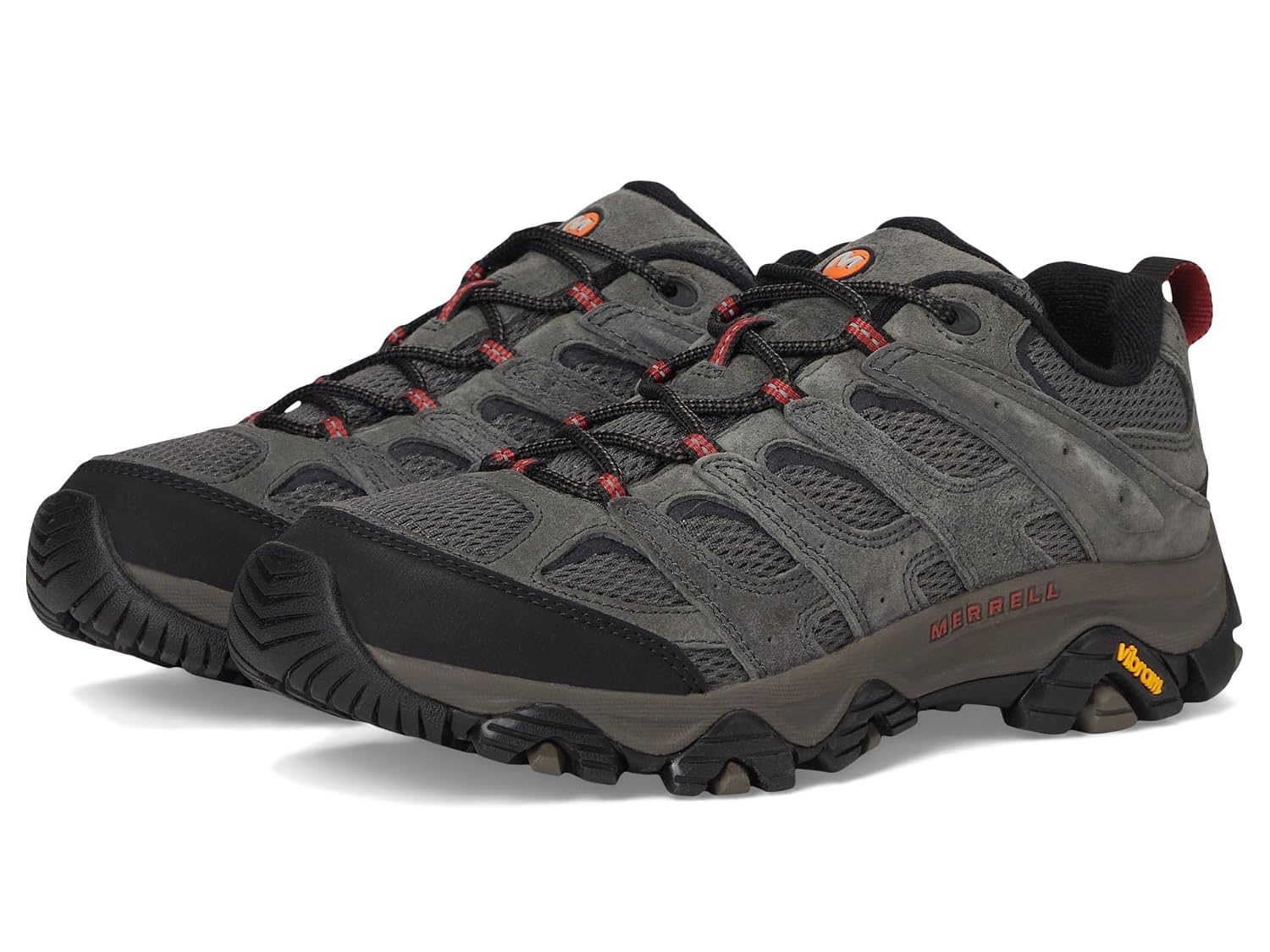
Merrell Moab 3
Best for: Hikers who want a forgiving, comfortable shoe that breaks in easily and works on most trails.
A familiar leather-and-mesh hiking shoe for buyers who value comfort, durability, and an easy break-in curve.
1. Footwear: go light from the ground up
- Forgiving fit that suits real hiking socks
- Easy break-in curve for new hikers
- Leather-and-mesh upper for durability
- You need a very light fast-hiking shoe or a narrow technical fit.
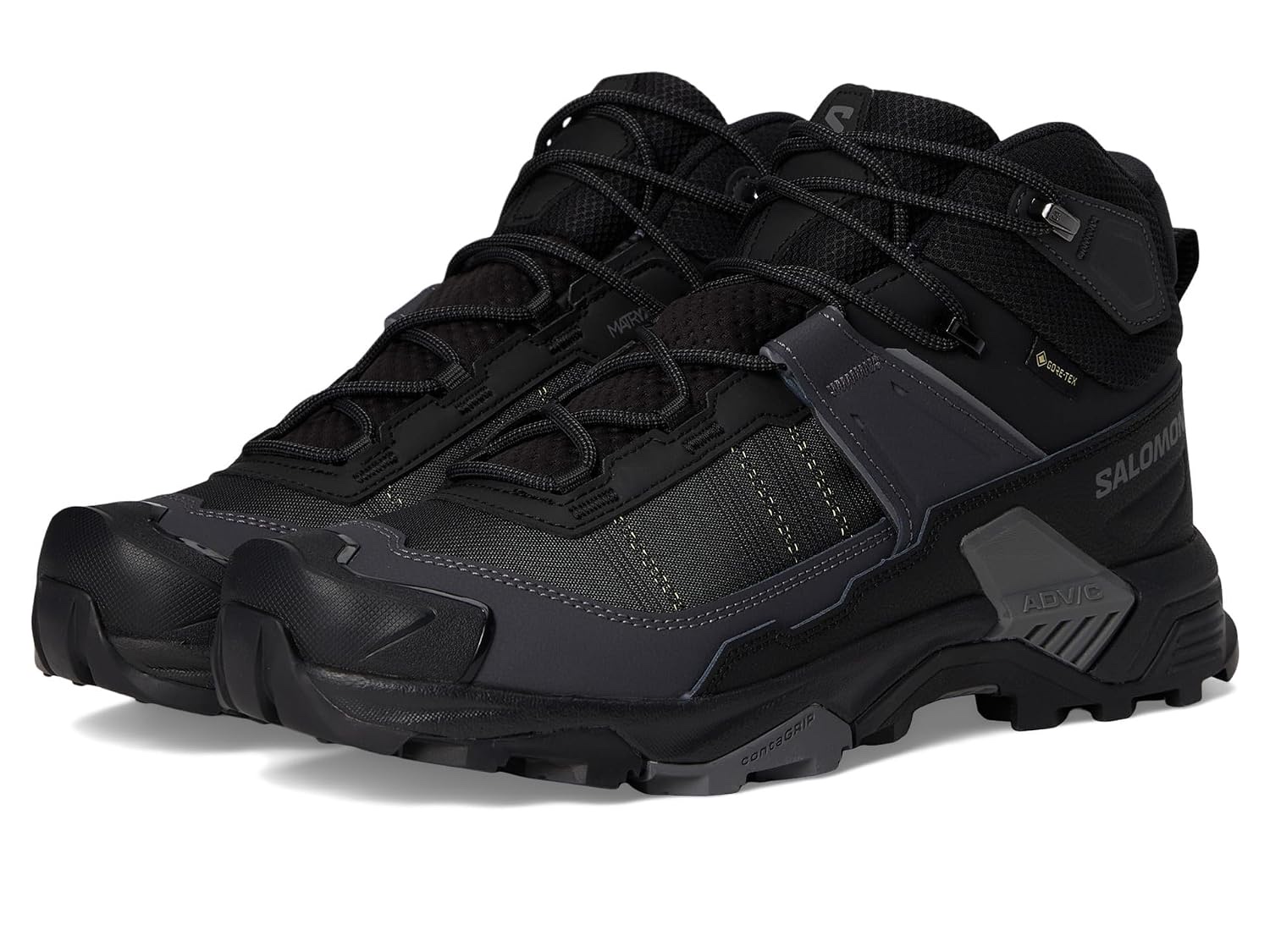
Salomon X Ultra 5 Mid GTX
Best for: Day hikers needing wet-weather protection and a secure foothold on uneven trails.
A supportive waterproof hiking shoe for mixed terrain, wet mornings, and hikers who prefer agility over a heavy boot.
1. Footwear: go light from the ground up
- Waterproof protection for wet mornings
- Supportive mid-cut fit for uneven ground
- Agile feel without a heavy boot
- You want a soft road-running feel, wide unstructured toe space, or a non-waterproof summer shoe.
2. Day packs that carry light
A day pack should disappear on your back. The two packs below carry a full day kit — water, food, a rain layer and a first-aid kit — without the weight of an overnight pack. Ventilation matters as much as weight: a sweaty back is miserable by midday. See how to choose a daypack for the fit and volume check.
Look for a pack that sits close to your body and keeps the load stable when you move fast. Both picks here do that well, with easy access to water and snacks while you walk.
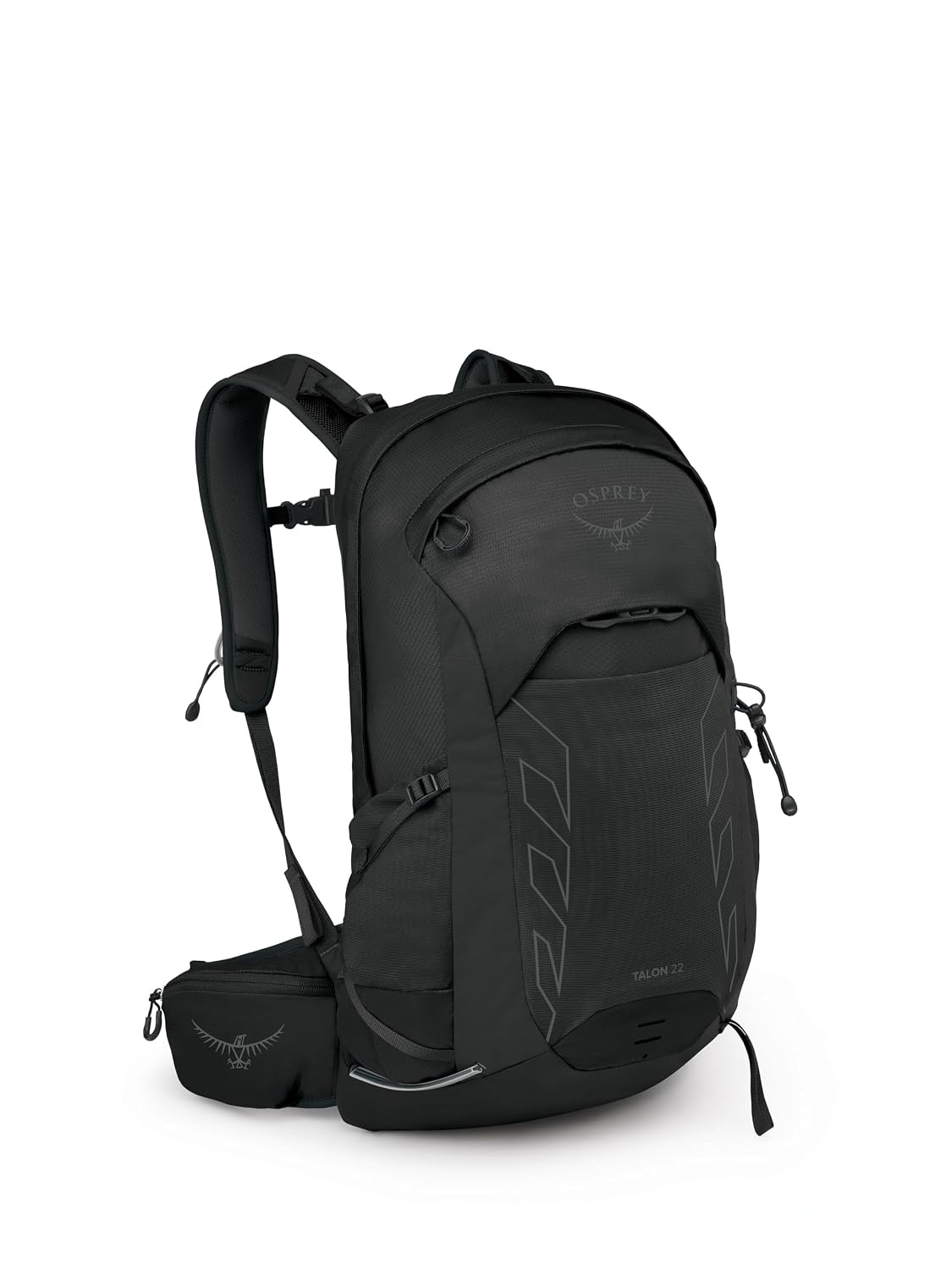
Osprey Talon 22
Best for: Day hikers and fast packers who want a ventilated pack that carries close to the body.
A lightweight day pack with a stable, breathable carry for long days on the trail.
2. Day packs that carry light
- Ventilated back panel for hot days
- Stable fit that moves with you
- Room for layers, food and water
- You need a full overnight load or a bigger main compartment.
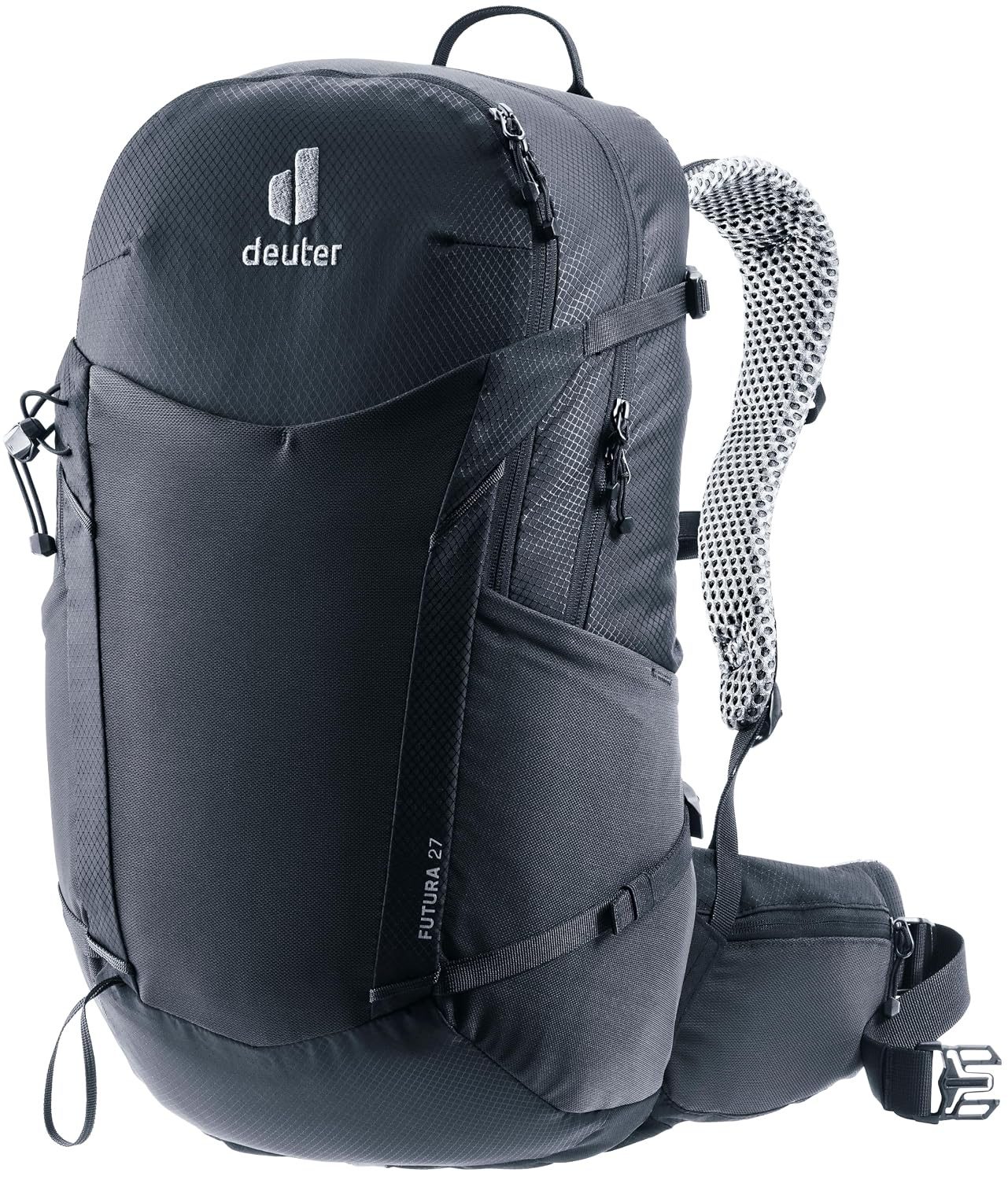
Deuter Futura 27
Best for: Day hikers who want airflow and easy access on longer day routes.
A ventilated day pack with a comfortable carry for all-day hikes in warm weather.
2. Day packs that carry light
- Strong back ventilation
- Comfortable carry for a full day
- Easy access to the main compartment
- You want the smallest, simplest summit pack.
3. The overnight core: pack and shelter
For overnight trips, the pack and the tent are the two heaviest items you carry, so they decide your base weight. A comfortable multi-day pack spreads the load across your hips, and a light two-person tent with two doors means no crawling over your partner at night. What belongs in that pack is covered in our first overnight packing list.
The pair below is a proven combination: a ventilated pack built for multi-day loads and a tent that is light for its floor space. Together they keep the overnight core under control without giving up comfort.
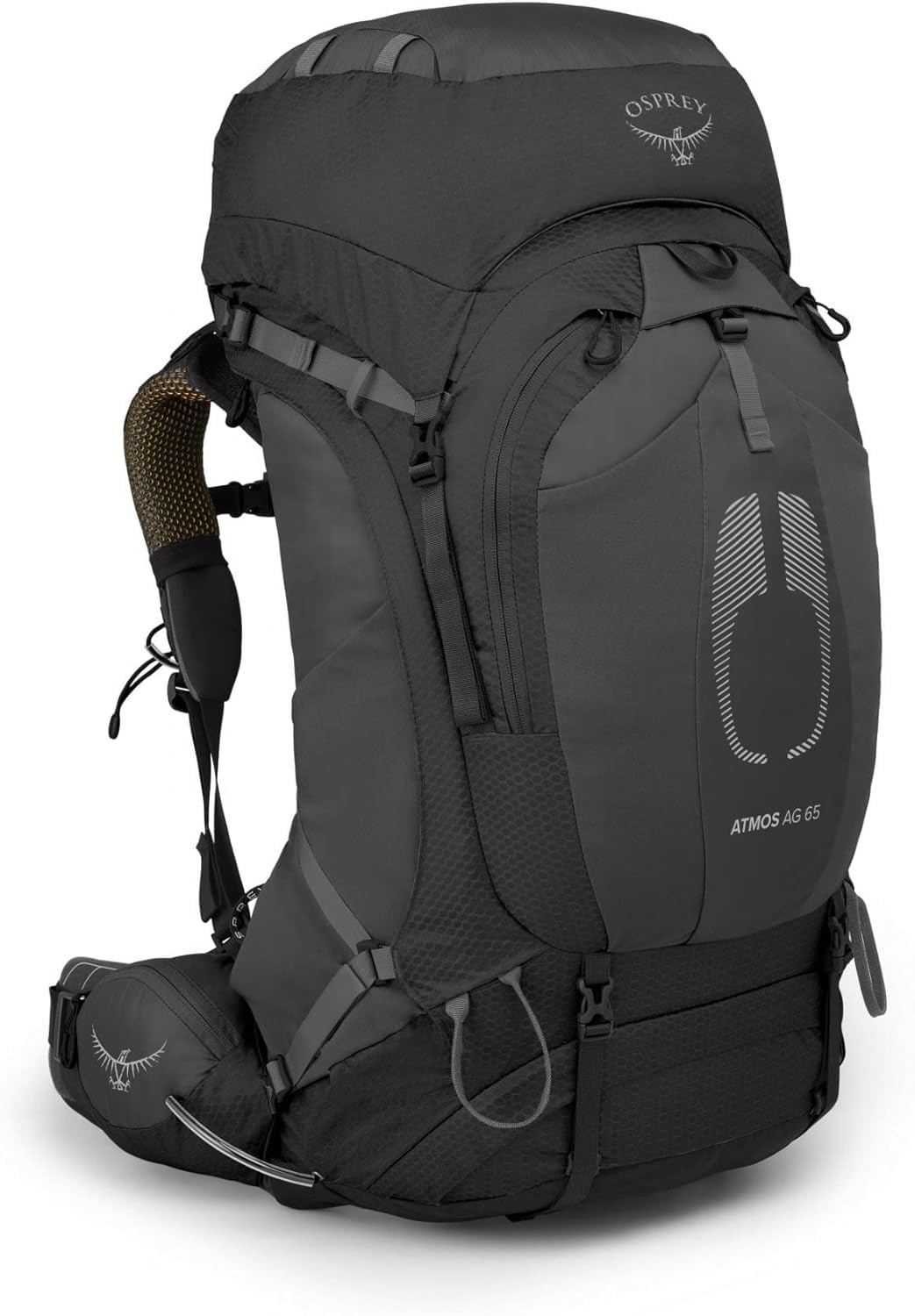
Osprey Atmos AG 65
Best for: Backpackers who carry multi-day loads and want the weight to sit comfortably.
A ventilated multi-day backpack with a load-carrying suspension for longer trips.
3. The overnight core: pack and shelter
- Ventilated suspension for heavy loads
- Comfortable fit across long days
- Good organisation for multi-day trips
- You want a frameless pack or the lightest possible base weight.
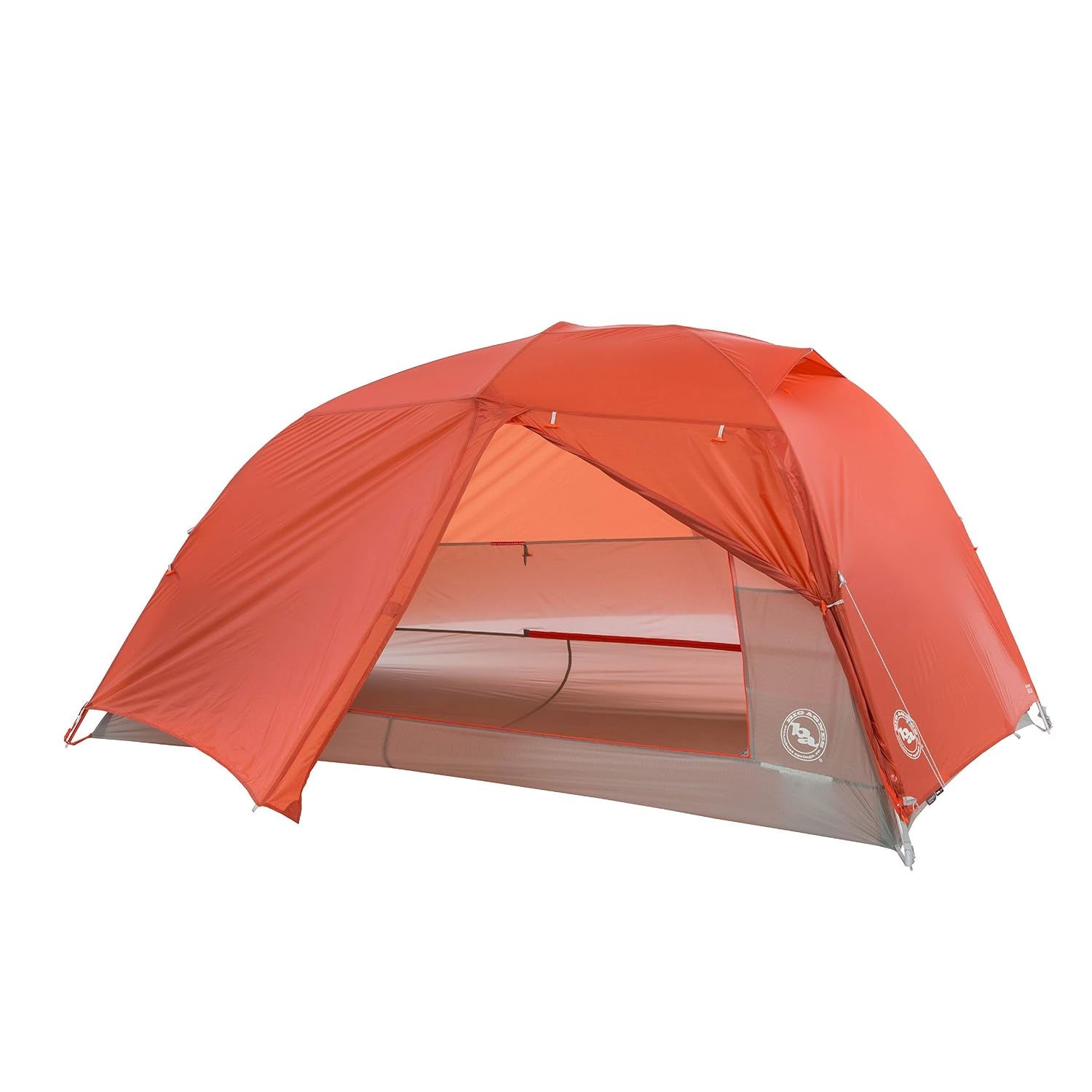
Big Agnes Copper Spur HV UL2
Best for: Two-person teams who want a light tent with real living space.
A lightweight two-person tent with steep walls and two doors for comfortable nights.
3. The overnight core: pack and shelter
- Two doors and two vestibules
- Steep walls add usable space
- Light for its floor area
- You want a single-person tent or a budget shelter.
4. Sleep system: tent and pad
A sleep system is only as good as its weakest part: a great tent on a bad pad still means a bad night. The tent below pitches fast and stands up to weather, and the pad is quiet and stable enough for side sleepers. Test the pair at home first — a short night in the garden tells you more than any spec sheet.
When you compare sleep systems, look at packed size as well as weight: a pad that packs small leaves room for food and layers. Both picks here pack down well for a multi-day load.
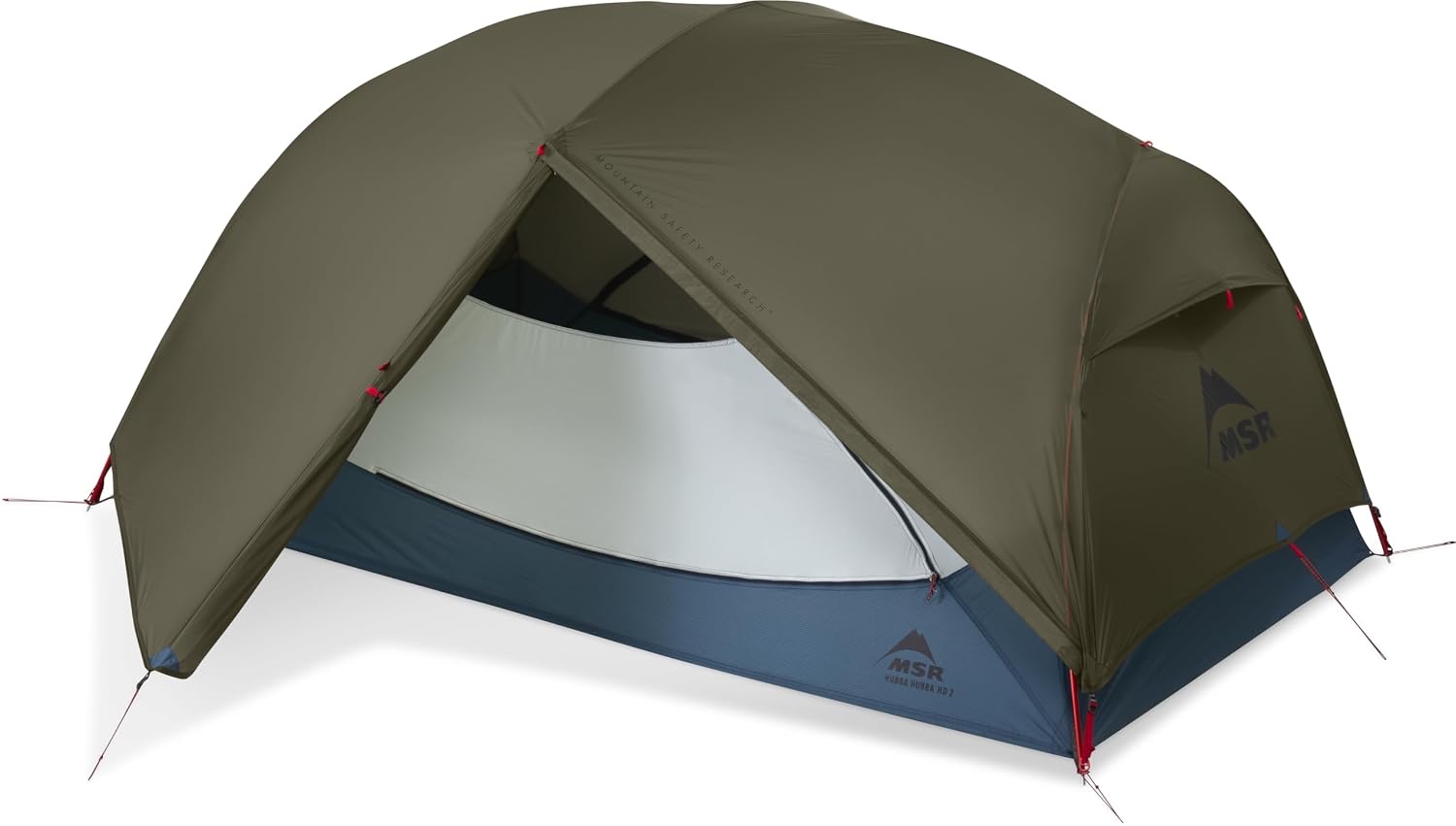
MSR Hubba Hubba HD 2-Person
Best for: Backpackers who want a proven two-person tent that pitches fast.
A durable two-person tent with a simple pitch and a strong balance of weight and weather protection.
4. Sleep system: tent and pad
- Fast, simple pitch
- Good weather protection for its weight
- Two doors for easy entry
- You want the lightest tent available or a single-wall design.
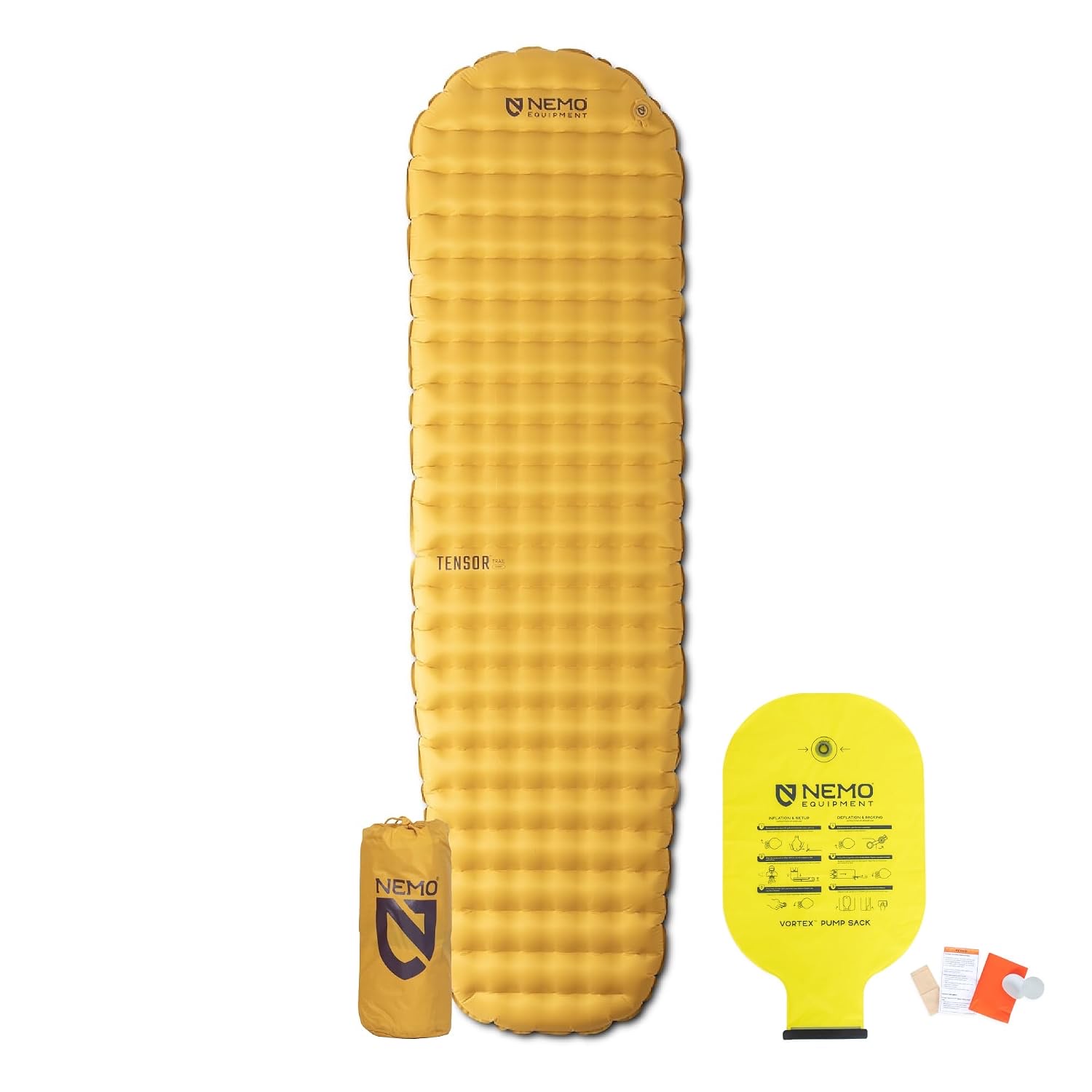
NEMO Tensor Trail
Best for: Backpackers who want a quiet, comfortable pad at a fair trail weight.
A lightweight insulated sleeping pad with a stable, quiet surface for good nights on the trail.
4. Sleep system: tent and pad
- Quiet surface that stays stable
- Comfortable for side sleepers
- Packs down small
- You want the lightest pad made or a closed-cell foam pad.
5. Two light pads to compare
Two pads, two ways to sleep light. One is thick and cushioned for sleepers who toss and turn; the other is the ultralight classic that packs to the size of a water bottle. Both are insulated, so they suit three-season nights — check the listing for the warmth rating that matches your trips.
Your pad choice also affects your pack: a pad that packs small frees space for the rest of your kit. Whichever you choose, pair it with a sleeping bag that matches the season, and test it on a short trip before a long one.
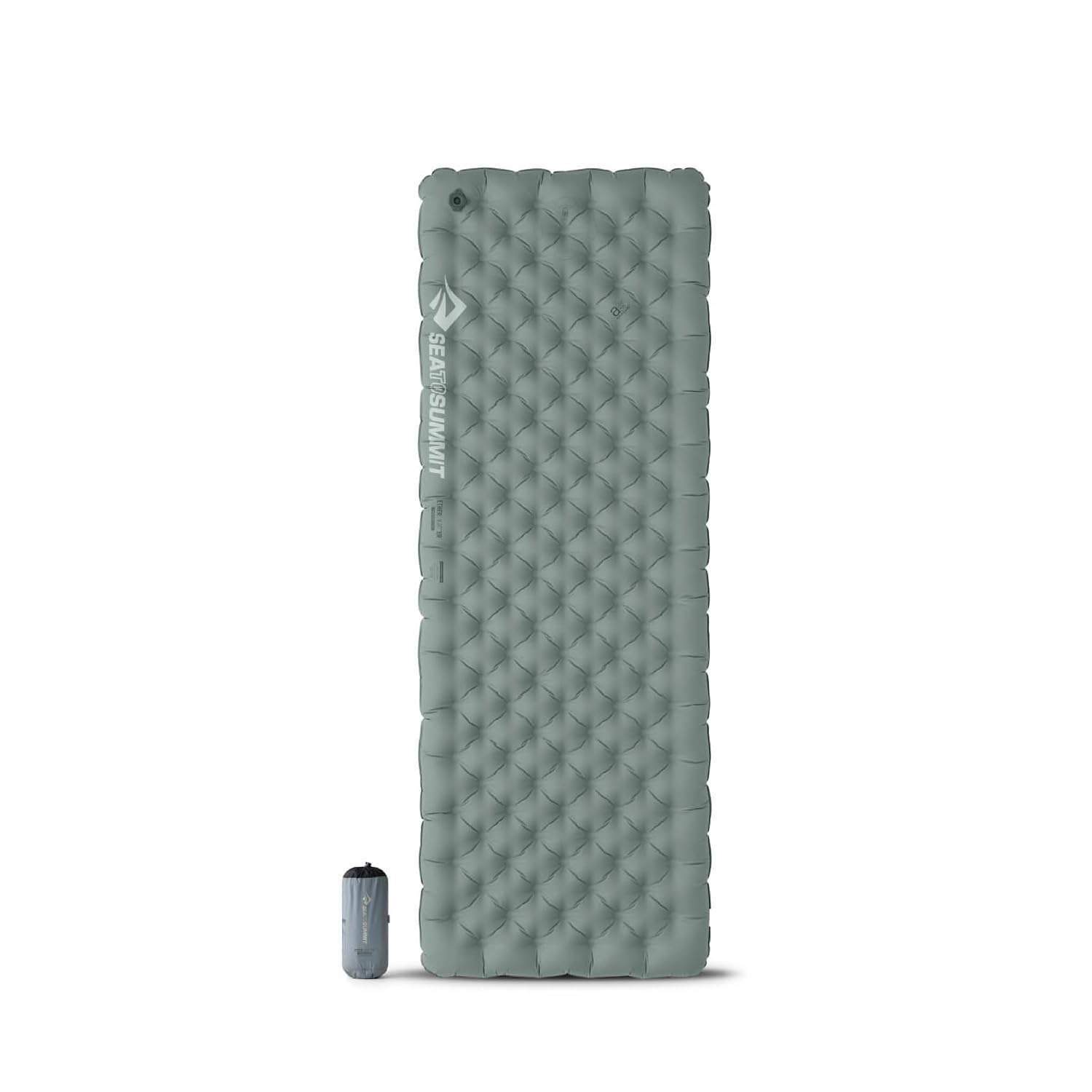
Sea to Summit Ether Light XR
Best for: Sleepers who want extra thickness and warmth without a heavy pad.
A thick, lightweight air pad with an air-sprung feel for comfortable nights outdoors.
5. Two light pads to compare
- Thick, cushioned feel
- Good warmth for its weight
- Packs down compactly
- You want a simple foam pad or the smallest packed size.
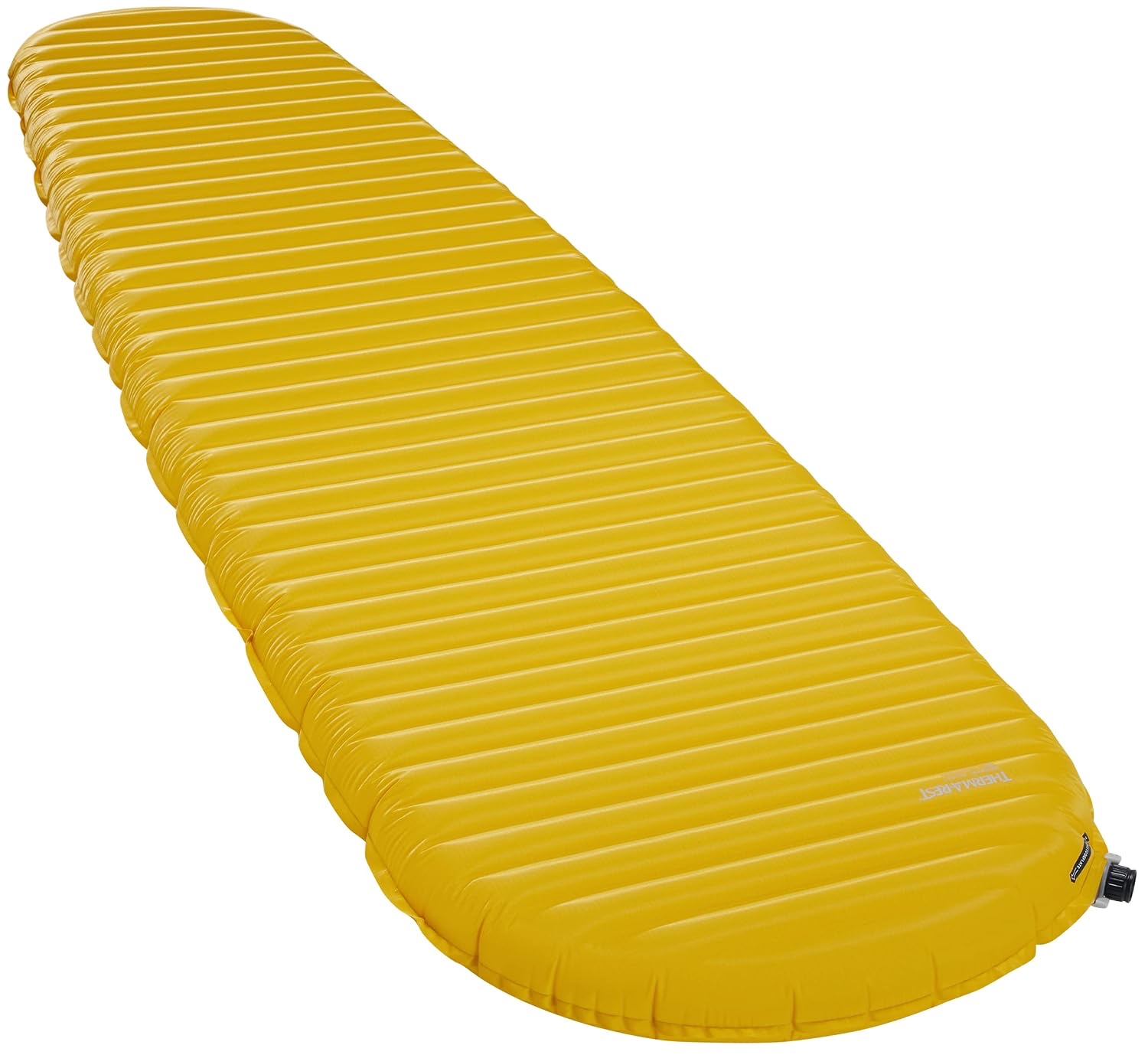
Therm-a-Rest NeoAir XLite NXT
Best for: Ultralight backpackers who want a proven pad that packs tiny.
A very light insulated air pad with a compact pack size for weight-focused trips.
5. Two light pads to compare
- Very light for an insulated pad
- Packs down very small
- A long-proven trail design
- You want a silent pad or a wide, plush feel.
6. Water: carry less, filter more
Water is the heaviest thing you carry, so the lightest way to handle it is to carry less and filter more. Both filters below are light, simple and fast — fill up at streams and lakes instead of hauling litres from the trailhead. Our guide to water treatment basics explains when filtering is enough and when to treat further.
The squeeze filter suits solo hikers who refill often; the 1-litre system suits hikers who want a fast flow and a clear view of the water. Either way, always check local advice about the water sources on your route.
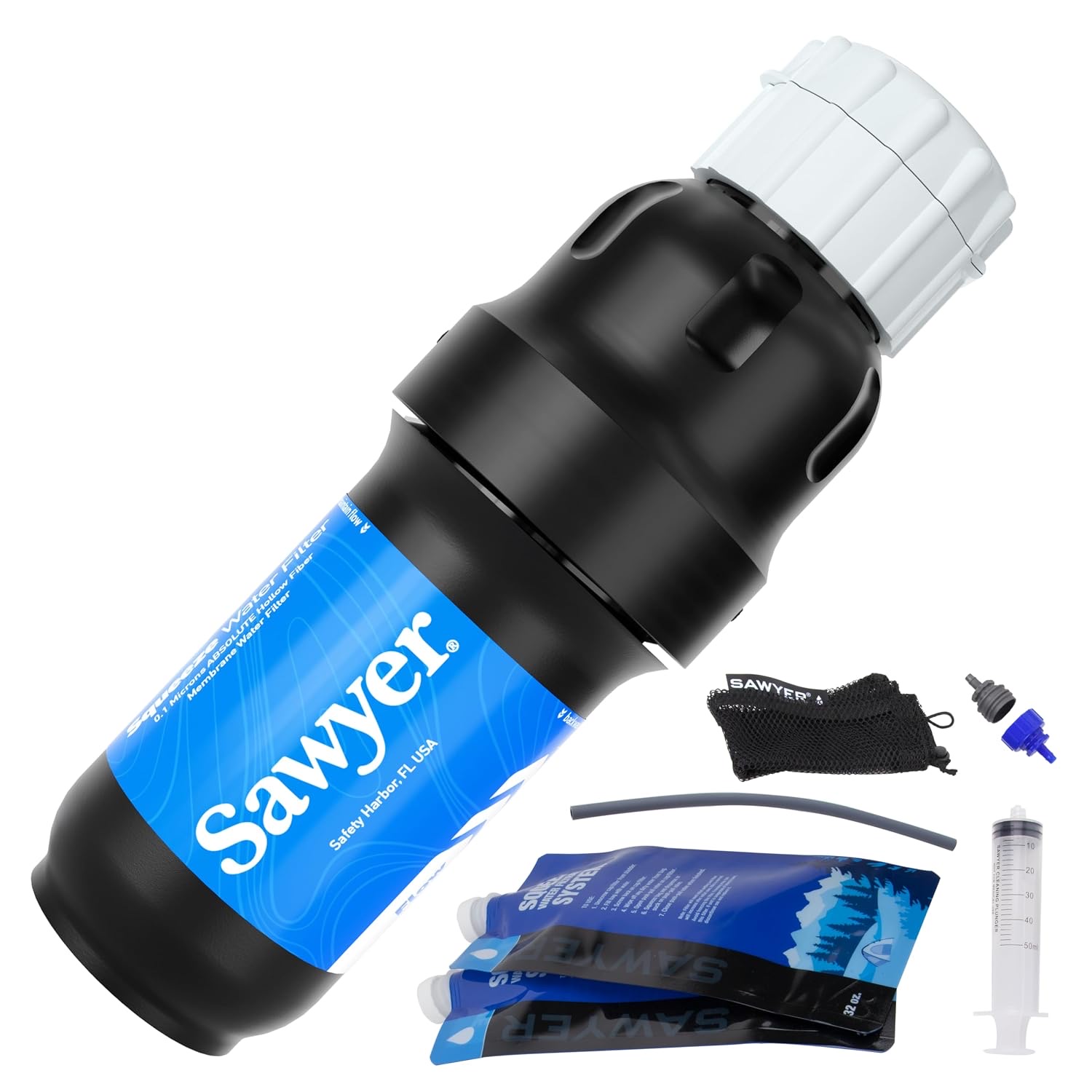
Sawyer Squeeze
Best for: Hikers who want a simple, light filter for streams and lakes.
A compact squeeze filter that treats water on the move with no pumping.
6. Water: carry less, filter more
- Very light and simple to use
- No pumping or batteries
- Fits standard bottles and pouches
- You want to filter large volumes at camp or muddy water.
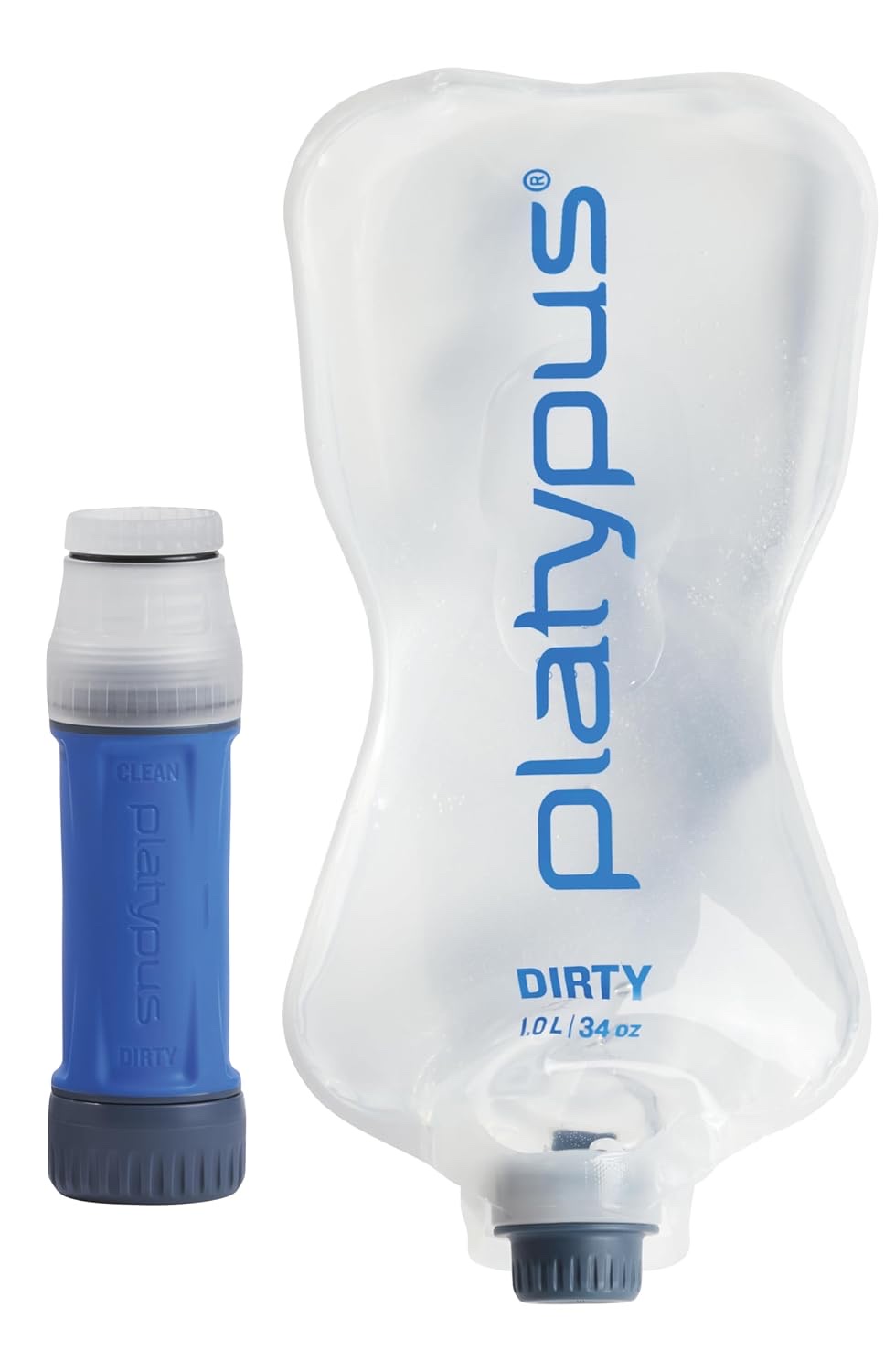
Platypus QuickDraw 1 Liter Water Filter System
Best for: Hikers who want a fast filter with a clear view of the water flow.
A compact 1-litre filter system with a fast flow rate for quick trail refills.
6. Water: carry less, filter more
- Fast flow for quick refills
- Clear body shows the water
- Light and easy to pack
- You want a gravity system for groups or a larger capacity.
7. Light and safety after dark
A headlamp and a communicator are small, but they are the two items that matter most when a day goes wrong. The headlamp below is bright enough for a night trail, and the communicator sends messages and an SOS where phones have no signal. Before a remote trip, run through our hiking safety checklist.
Keep both charged and within reach — the headlamp in a side pocket, the communicator on a shoulder strap. A satellite communicator needs an active subscription plan, so set that up and test it before you leave home.
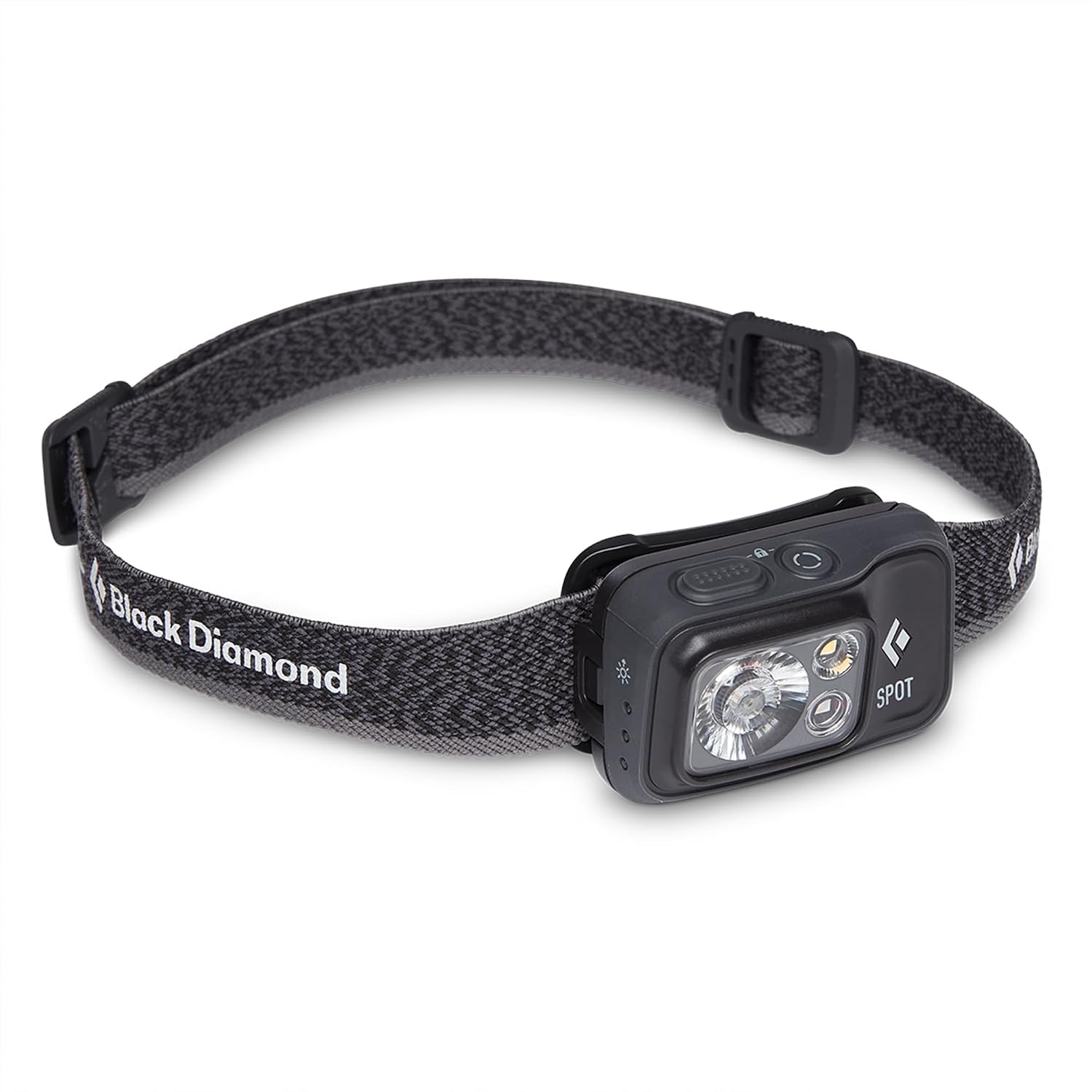
Black Diamond Spot 400
Best for: Hikers who want a bright, reliable headlamp for camp and night trails.
A compact headlamp with a strong beam and simple controls for dark trails and camp.
7. Light and safety after dark
- Bright beam for night trails
- Simple, reliable controls
- Compact and light
- You want a rechargeable-only light or a specialist caving lamp.
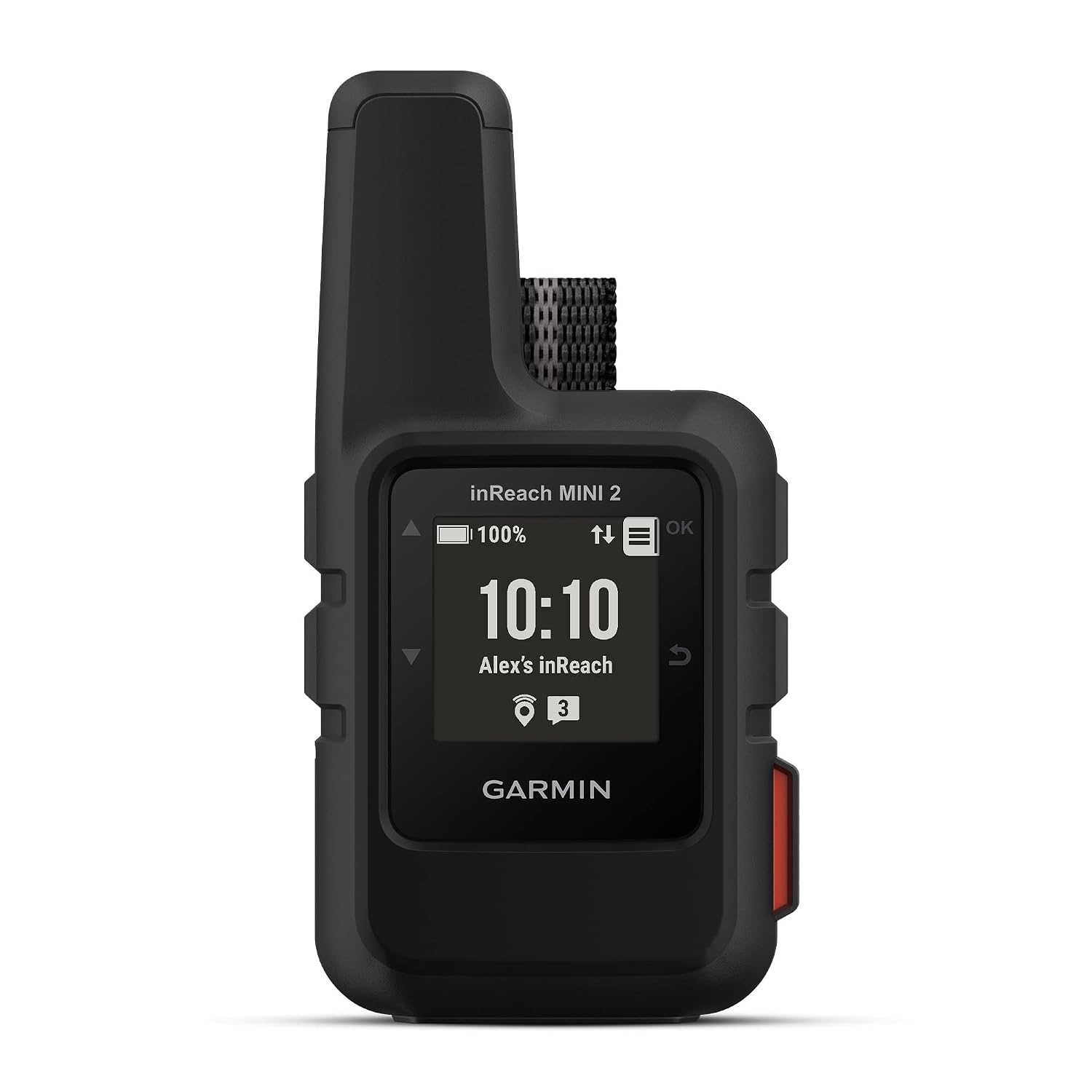
Garmin inReach Mini 2
Best for: Hikers who go beyond phone signal and want two-way contact.
A compact satellite communicator for messages and SOS when there is no mobile coverage.
7. Light and safety after dark
- Two-way messages off the grid
- SOS when there is no signal
- Small and light to carry
- Needs a subscription plan for messaging and SOS.
8. Rain layers that disappear in the pack
A rain layer lives in your pack most of the time, so it should be light and pack small — but it must still keep you dry when the weather turns. The two jackets below take opposite approaches: one is a dependable all-rounder at a fair price, the other is the lightest shell you can buy. How they fit into a full clothing system is covered in our layering system guide.
Try the jacket over the layers you actually hike in, and check that the hood fits over a cap and the pockets sit above a hip belt. A shell that fits badly stays in the pack — and a shell in the pack keeps no one dry.
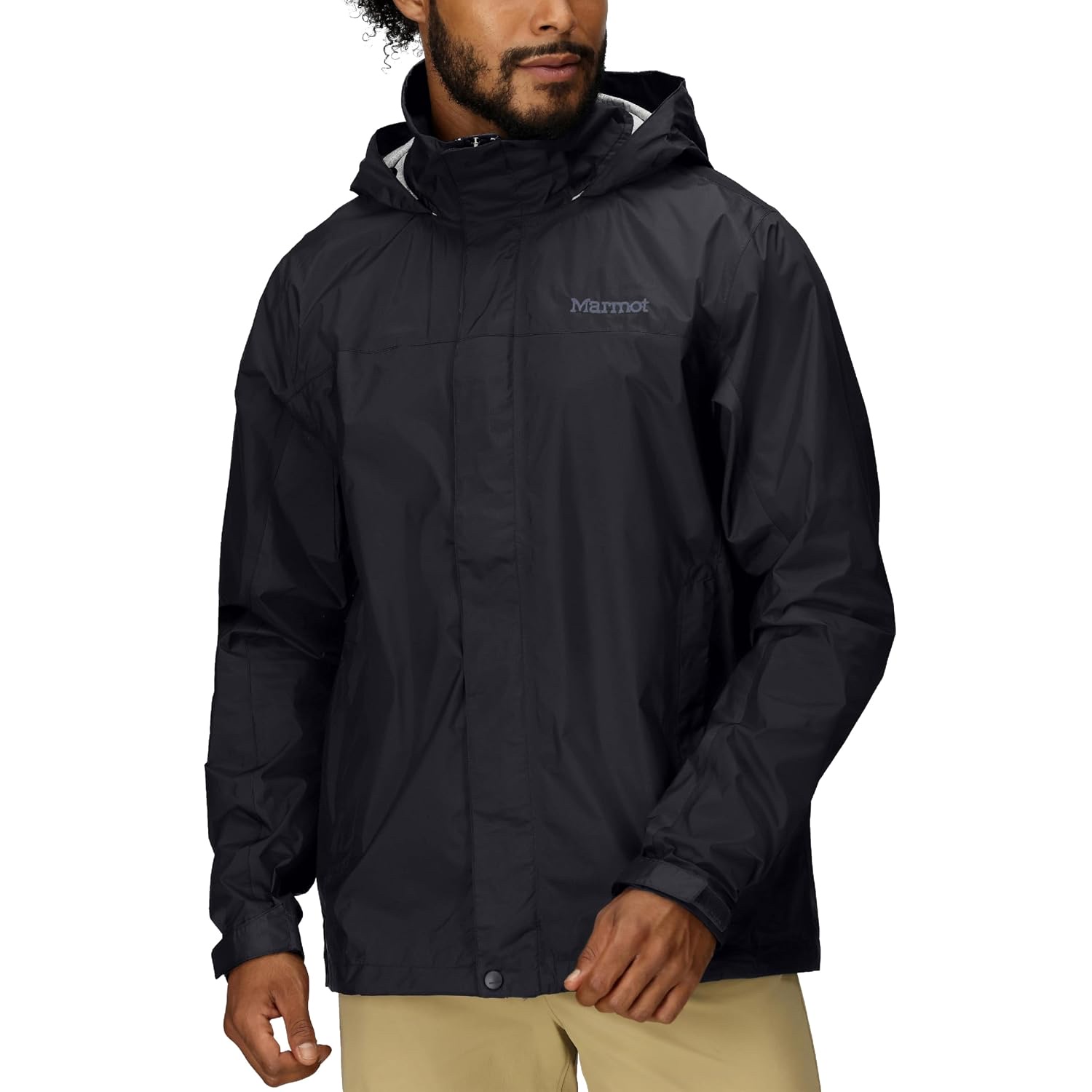
Marmot Men’s PreCip Eco Rain Jacket
Best for: Hikers who want dependable rain cover at a fair price.
A light waterproof rain jacket that packs into its own pocket for changeable weather.
8. Rain layers that disappear in the pack
- Reliable rain protection
- Packs into its own pocket
- Good value for a rain shell
- You want the lightest shell made or a heavy-duty storm jacket.
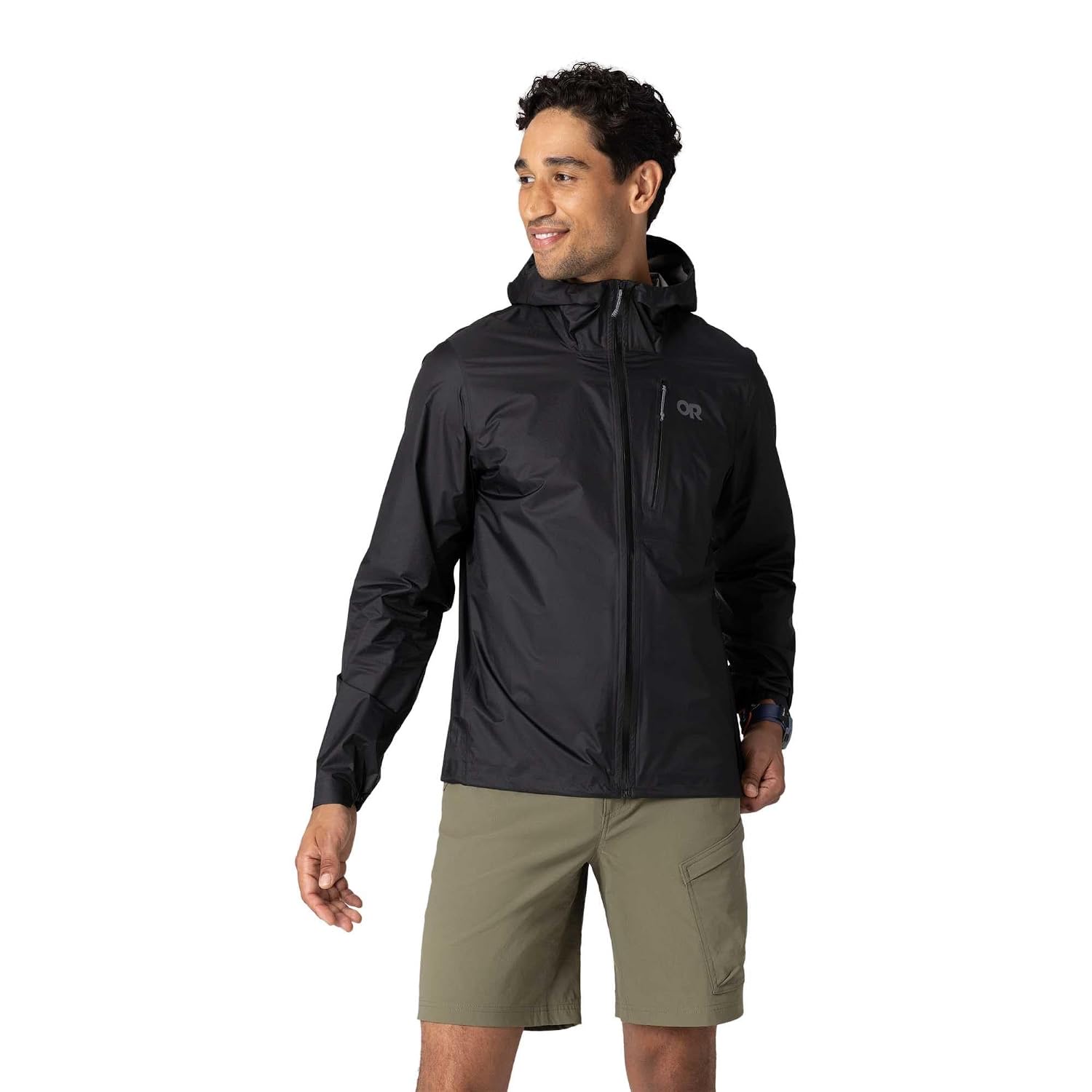
Outdoor Research Men’s Helium UL Jacket
Best for: Weight-focused hikers who want the lightest rain shell in the pack.
An ultralight waterproof shell that weighs very little and stuffs down tiny.
8. Rain layers that disappear in the pack
- Very light for a rain shell
- Packs down tiny
- Full weather protection
- You want a tough shell for bushwhacking or daily use.
9. Trekking poles: save your knees
Poles are the cheapest way to save your knees: they take load off every descent and add balance on uneven ground. Both pairs below are proven designs — one sturdy and simple, one light and built for long distances. Our guide to the best trekking poles for hiking covers length, grips and locking systems in detail.
If you have never hiked with poles, borrow a pair for one trip before you buy: most hikers who try them keep them. Set the length so your elbow sits near a right angle on flat ground, and shorten them for steep climbs.
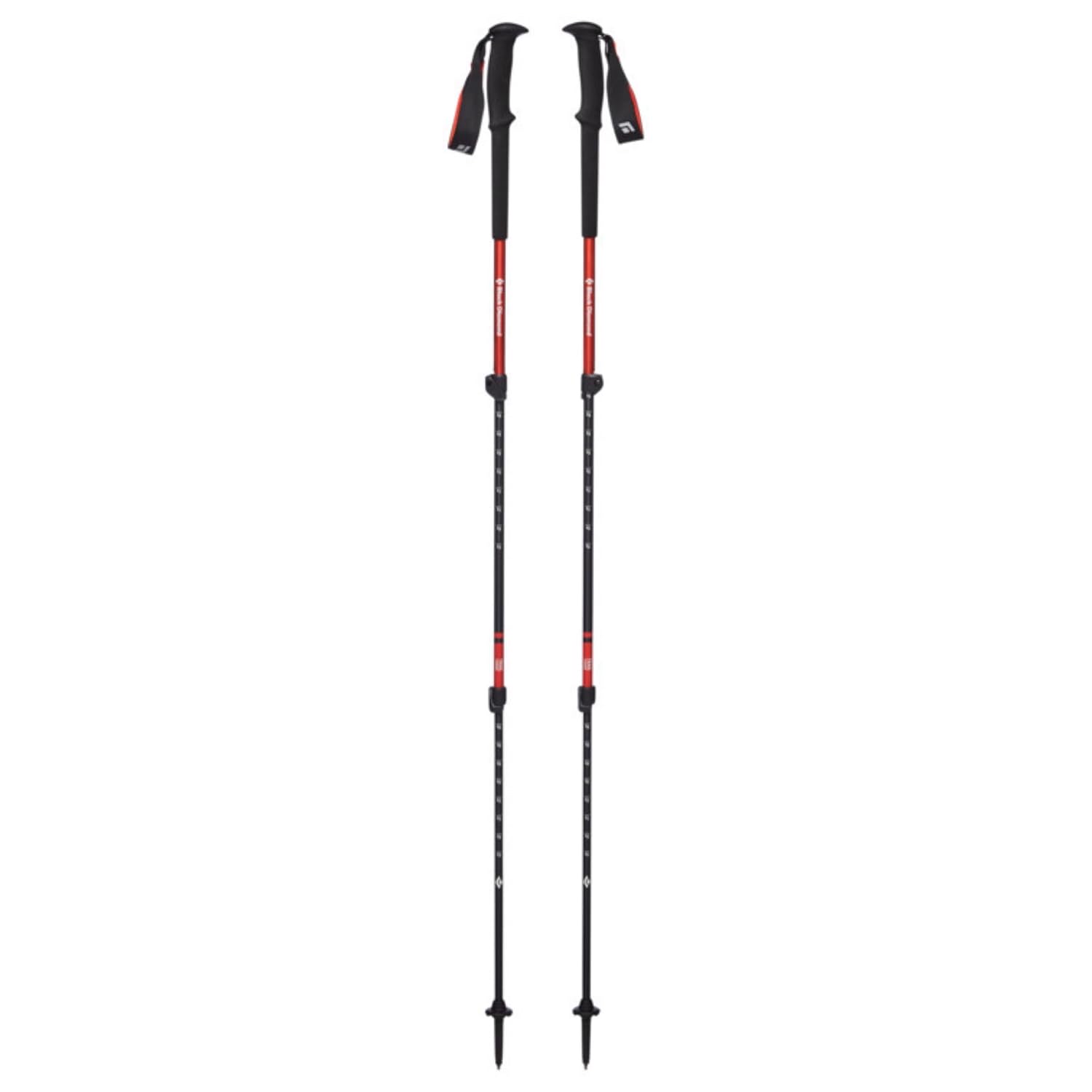
BLACK DIAMOND Trail Trekking Poles
Best for: Hikers who want sturdy poles that save knees on descents.
A durable pair of trekking poles with a comfortable grip for long days on uneven ground.
9. Trekking poles: save your knees
- Sturdy on rough ground
- Comfortable grips for long days
- Easy length adjustment
- You want the lightest carbon poles or a folding travel pair.
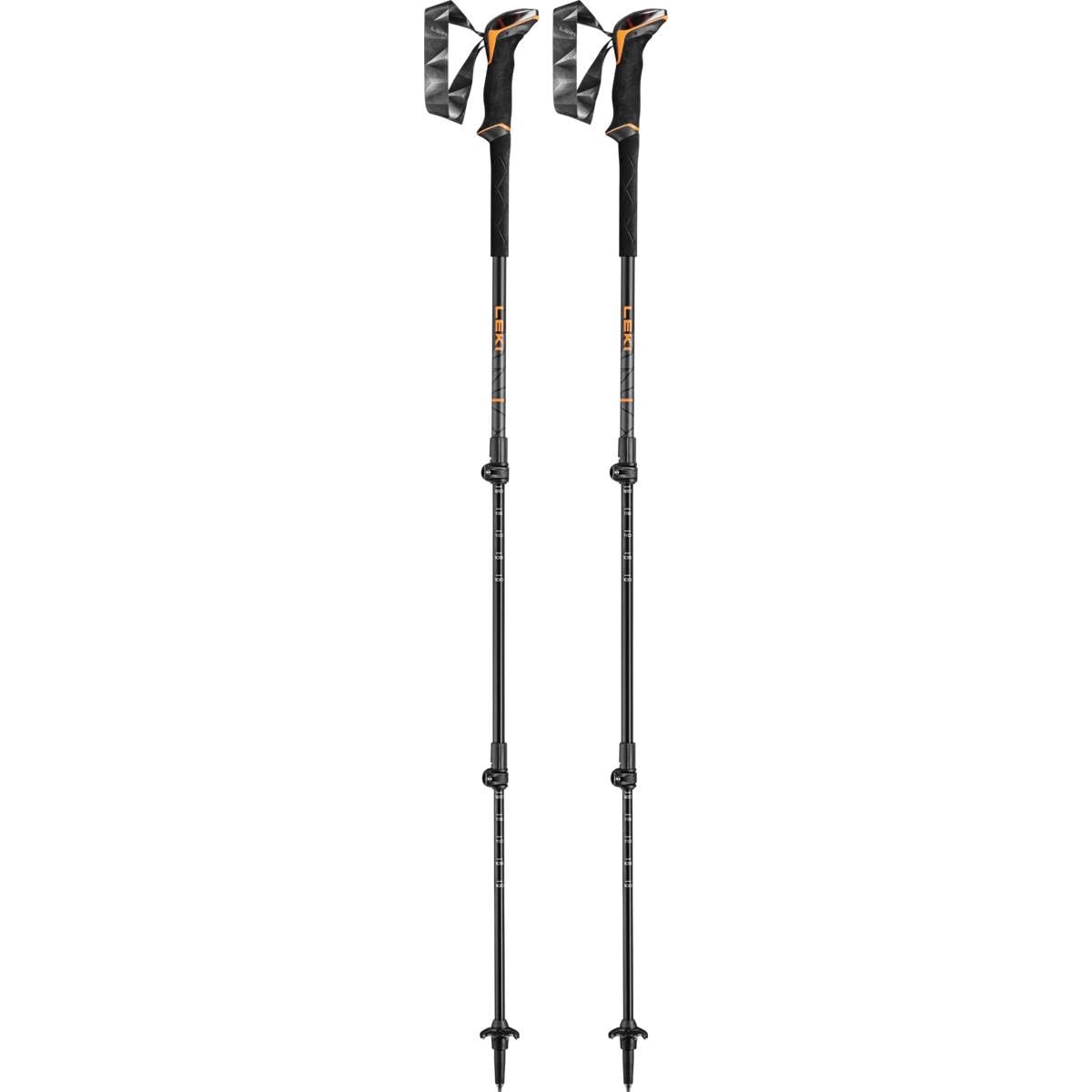
LEKI Makalu Lite
Best for: Hikers who want a light, proven pole for long-distance trails.
A lightweight aluminium pole pair with a reliable locking system for multi-day routes.
9. Trekking poles: save your knees
- Light for an aluminium pole
- Reliable locking system
- Comfortable grip
- You want a carbon pole or a pole that folds for travel.
10. The last grams: stove and socks
The last grams are the hardest to cut, and they live in small items: a stove, a pair of socks. The stove below boils water in minutes and fits in a mug; the socks are the merino pair that resists blisters over long miles. Neither item is glamorous — both earn their place every single day.
Count the small stuff once, honestly: a stove, a lighter, socks, a headlamp. Small savings across ten items add up to a real difference on the trail, and they cost less than replacing your tent or pack.
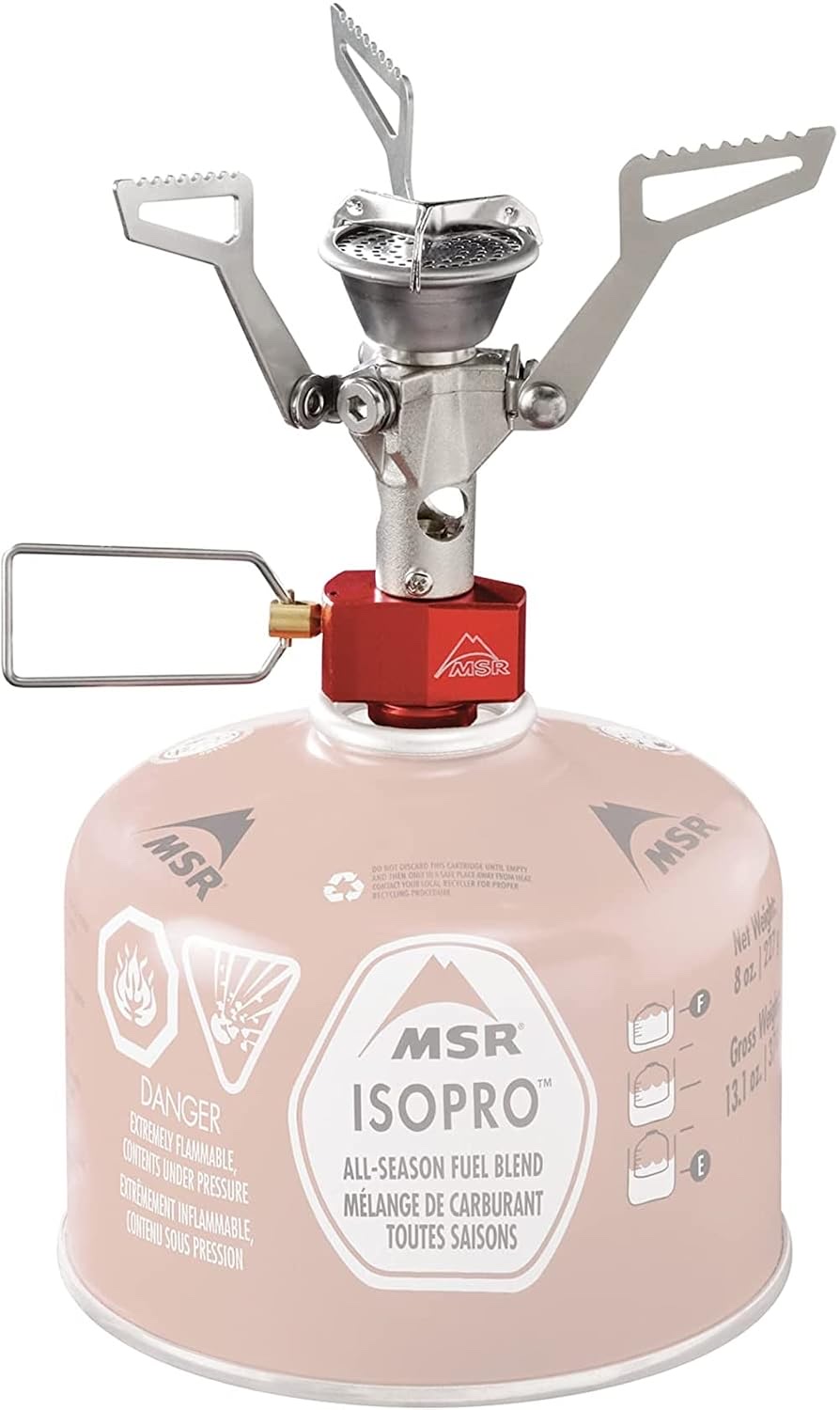
MSR PocketRocket 2
Best for: Backpackers who want a tiny stove that boils water fast.
A pocket-size canister stove that boils water quickly for meals and hot drinks.
10. The last grams: stove and socks
- Tiny and very light
- Fast boil for its size
- Simple to use
- You want to simmer gourmet meals or cook for a group.
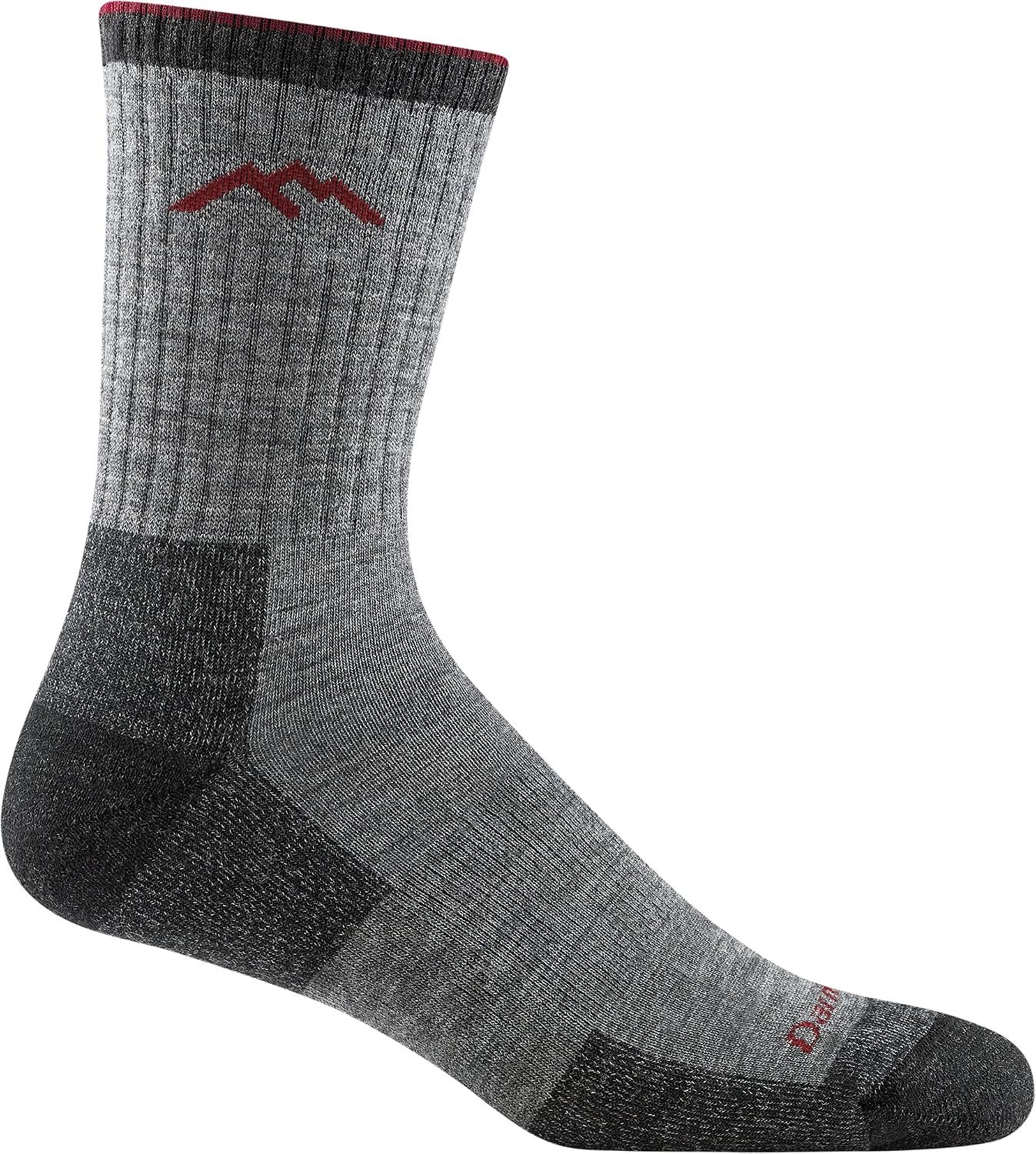
Darn Tough Men’s Hiker Micro Crew Cushion Socks
Best for: Hikers who want one durable merino sock that resists blisters mile after mile.
A cushioned merino hiking sock built for long days, with a close fit that stays put inside the shoe.
10. The last grams: stove and socks
- Merino cushioning that reduces friction
- Holds its fit after many washes
- A solid choice for multi-day trips
- You want a no-show sock or a budget multipack.
Frequently asked questions
What is the best lightweight hiking gear for beginners?
Start with footwear and a day pack: shoes that fit, a pack that carries close to the body, and a water filter. Add a tent and pad only when you plan overnight trips — the picks above cover both stages.
How much should a lightweight hiking pack weigh?
It depends on the trip, but a useful target is a base weight (everything except food, water and fuel) under about 10 kg for a comfortable lightweight setup. Weigh your kit once with a kitchen scale and cut the heaviest item first.
Is ultralight gear less durable?
Often, yes, at the extreme end: the lightest fabrics and poles trade some toughness for grams. The picks in this guide sit in the middle — light, but proven on real trails — so they last well with normal care.
Do I need waterproof shoes for lightweight hiking?
Only for wet, muddy or snowy trails. On dry, well-kept paths a non-waterproof shoe dries faster and feels lighter. If you hike in rain often, the waterproof mid-cut pick above is the safer choice.
Can I use this gear for overnight backpacking?
Yes: the tents, pads, stove, water filters and the multi-day pack in this guide are made for overnight trips. Pair them with a sleeping bag and food for your route, and check the first overnight packing list before you go.
How do I cut pack weight without spending a lot?
Start free: leave behind duplicates, repack food, and carry less water by filtering on the trail. Then replace the heaviest item first — usually the pack, tent or sleeping pad — rather than buying many small upgrades.
Are the prices in this guide current?
Prices change often, so this guide shows ‘check listing’ instead of a fixed price. Tap a card to see the current price, size and colour options on the listing before you buy.
Useful Sources and Verification
Use these source types to check current details before you buy.
- Manufacturer specifications and care guidance from each brand’s official product page
- Current prices, sizes and colour options on the linked retailer listing — check before you buy
- Trail safety and packing guidance from our own trail guides on this site