
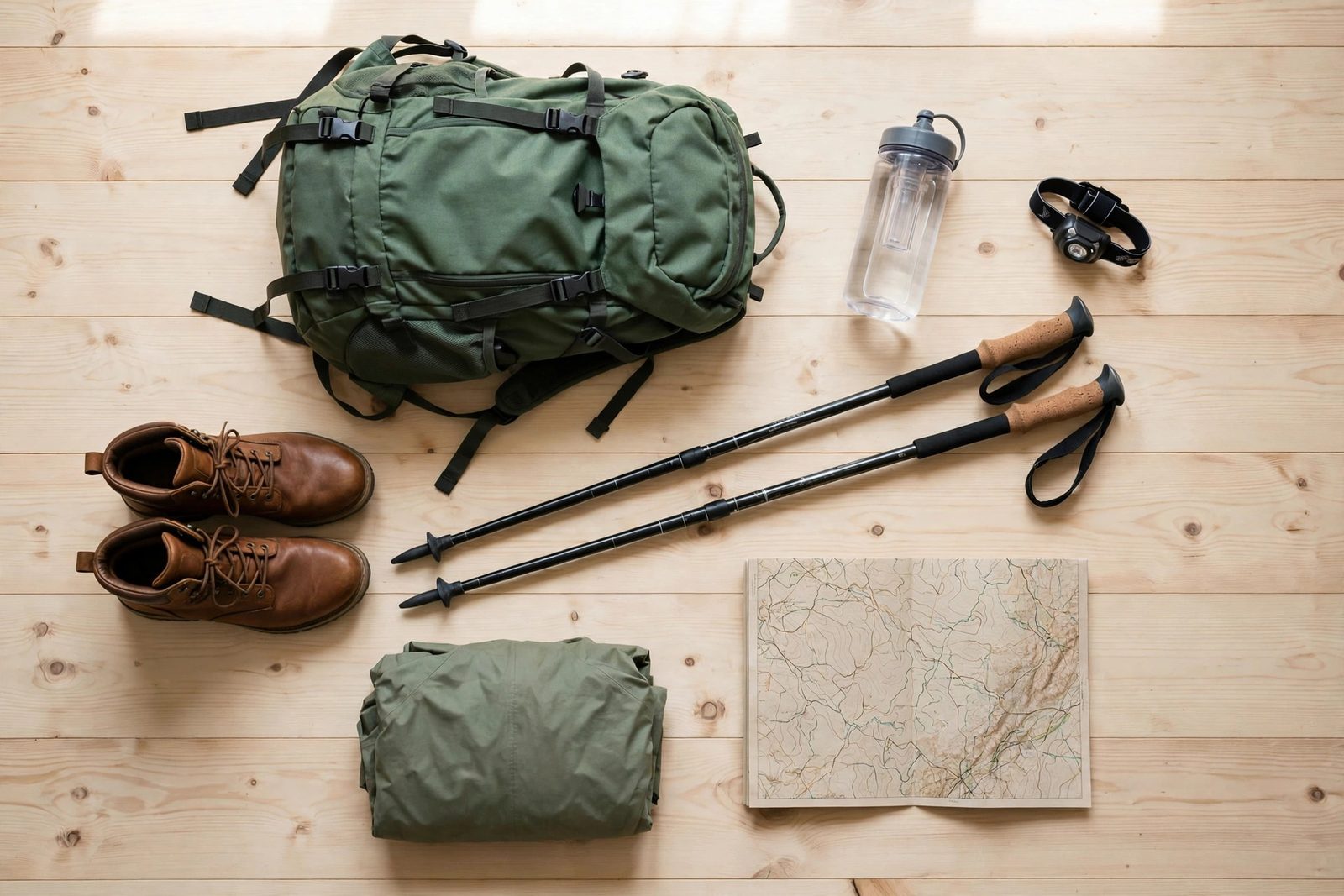
 Featured imageBest hiking gear for beginners
A practical guide to building your first hiking kit, with a clear buying order, honest trade-offs, and twenty research-backed picks that cover day hikes and first overnights — without a universal winner.
Start with footwear, a pack, and a rain shell — the three items that decide whether a day on the trail feels good. Add shelter, sleep, and water treatment only when you plan your first overnight. Buy for the routes you actually hike, check the fit before the brand, and skip specialist gear until a trip demands it.
Position and Plan
Position: A research-led buying guide that builds a complete beginner hiking kit by category — footwear, pack, shelter and sleep, hydration, navigation and safety, layers, and accessories — with honest trade-offs and no field-testing claims.
Plan: Help a new hiker buy in the right order, shortlist one or two sensible options per category, and verify current listing details before buying, instead of shopping from a single ranking.
Affiliate disclosure: some retailer links may earn a commission. This does not change the evidence boundaries or the need to verify current product, variant, price, availability, warranty, and return details.
The kit at a glance
| Category | Product | Why it matters |
|---|---|---|
| Footwear | Merrell Moab 3 · Salomon X Ultra 5 Mid GTX · Darn Tough Men's Hiker Micro Crew Cushion Socks | Comfort and blister protection decide whether you enjoy the day. |
| Pack | Osprey Talon 22 · Deuter Futura 27 · Osprey Atmos AG 65 | The right capacity and fit keep the load comfortable all day. |
| Shelter & sleep | Big Agnes Copper Spur HV UL2 · MSR Hubba Hubba HD 2-Person · NEMO Tensor Trail · Sea to Summit Ether Light XR · Therm-a-Rest NeoAir XLite NXT | A dry tent and a warm pad turn an overnight into a good night. |
| Hydration | Sawyer Squeeze · Platypus QuickDraw 1 Liter Water Filter System | Treatment lets you carry less water and refill safely on the route. |
| Navigation & safety | Black Diamond Spot 400 · Garmin inReach Mini 2 | Light and a way to call for help cover the moments that matter most. |
| Layers | Marmot Men's PreCip Eco Rain Jacket · Outdoor Research Men's Helium UL Jacket | A rain shell keeps a change in the weather from ending the day. |
| Accessories | BLACK DIAMOND Trail Trekking Poles · LEKI Makalu Lite · MSR PocketRocket 2 | Poles save your knees; a stove turns an overnight into a warm meal. |
Footwear first: shoes, boots, and socks
Footwear is the first purchase because it decides whether the day feels good. A shoe that fits well with real hiking socks matters more than any brand name, so try shoes on in the afternoon, when feet are slightly swollen, and walk downhill in the shop to check that your toes do not hit the front. Break new shoes in on short walks before a long route, and never start a multi-day trip in unworn footwear.
Waterproof shoes keep wet mornings out but hold sweat in, so they suit damp climates and muddy trails better than hot, dry ones. A mid-cut shoe adds ankle support on uneven ground, while a low shoe feels lighter and cooler on smooth paths. Socks deserve the same attention as shoes: a cushioned merino sock reduces friction and blisters, and cotton socks — which stay wet and cold — are the one item to leave behind. Skip heavy leather boots until a route with rough ground or a heavy pack asks for them.
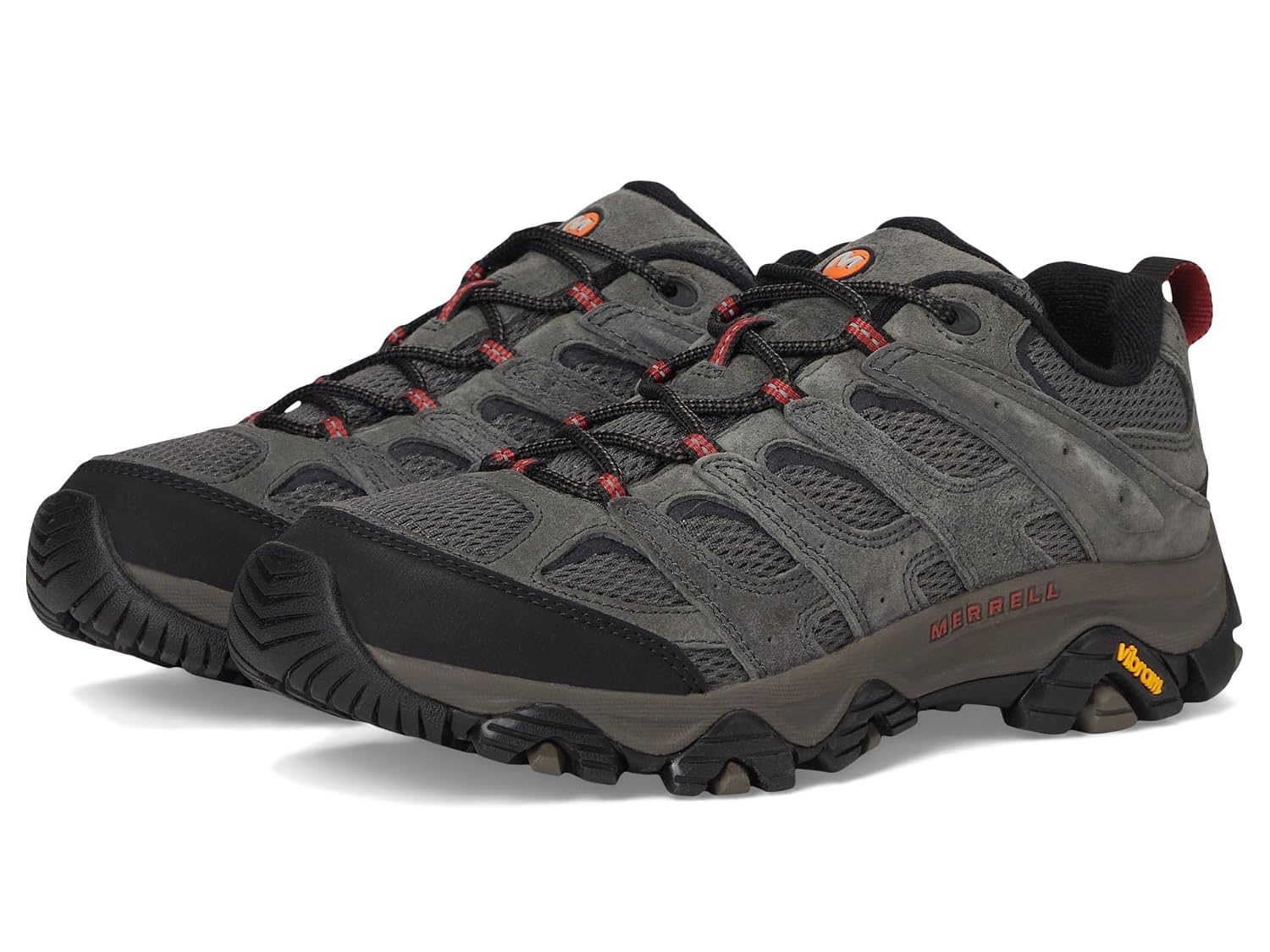
Merrell Moab 3
Best for: Newer hikers and casual trail users who want a forgiving, supportive starting point.
A familiar leather-and-mesh hiking shoe for buyers who value comfort, durability, and an easy break-in curve.
Footwear first: shoes, boots, and socks
- Forgiving fit that suits real hiking socks
- Easy break-in curve for new hikers
- Leather-and-mesh upper for durability
- You need a very light fast-hiking shoe or a narrow technical fit.
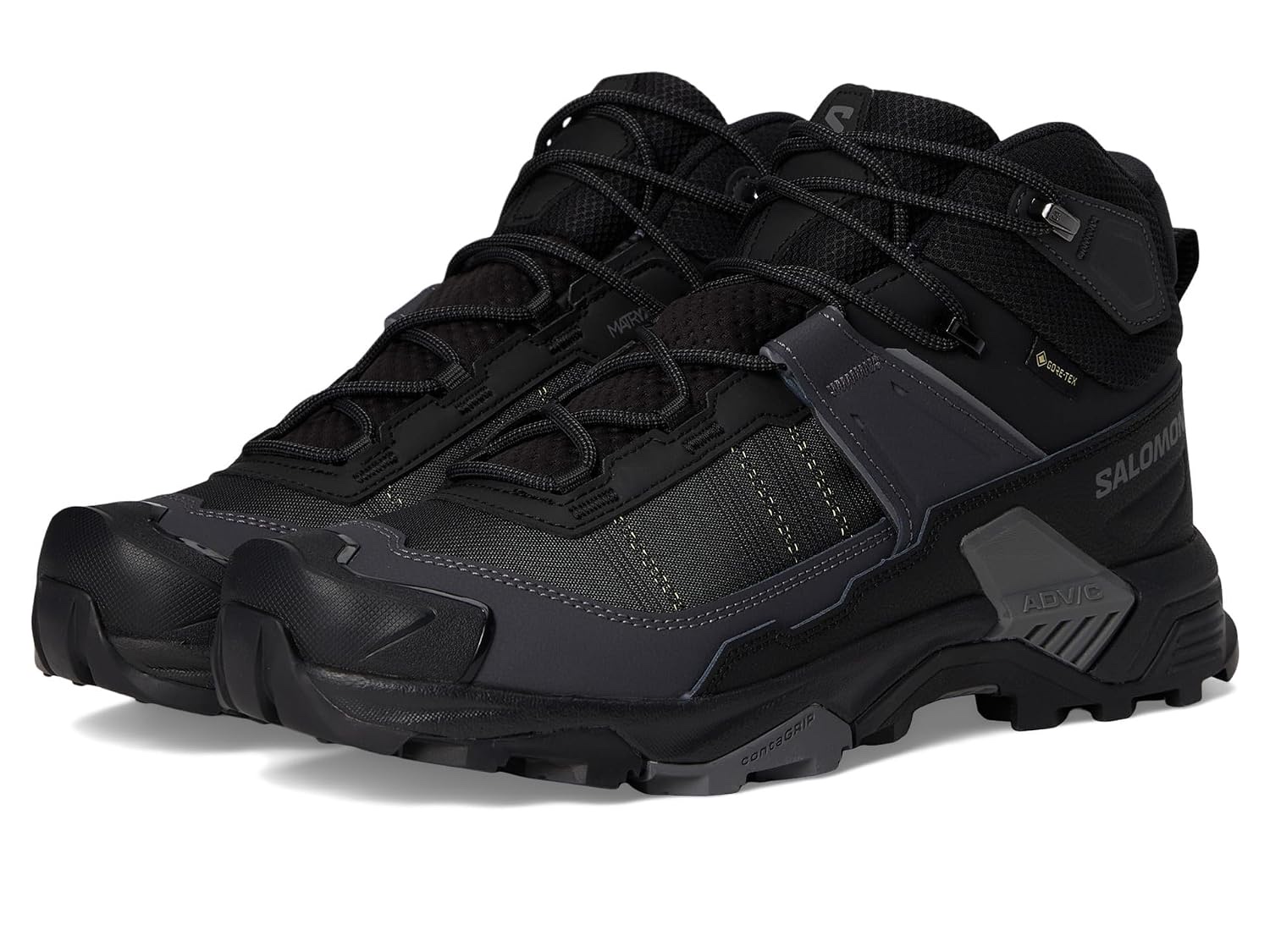
Salomon X Ultra 5 Mid GTX
Best for: Day hikers needing wet-weather protection and a secure foothold on uneven trails.
A supportive waterproof hiking shoe for mixed terrain, wet mornings, and hikers who prefer agility over a heavy boot.
Footwear first: shoes, boots, and socks
- Waterproof protection for wet mornings
- Supportive mid-cut fit for uneven ground
- Agile feel without a heavy boot
- You want a soft road-running feel, wide unstructured toe space, or a non-waterproof summer shoe.
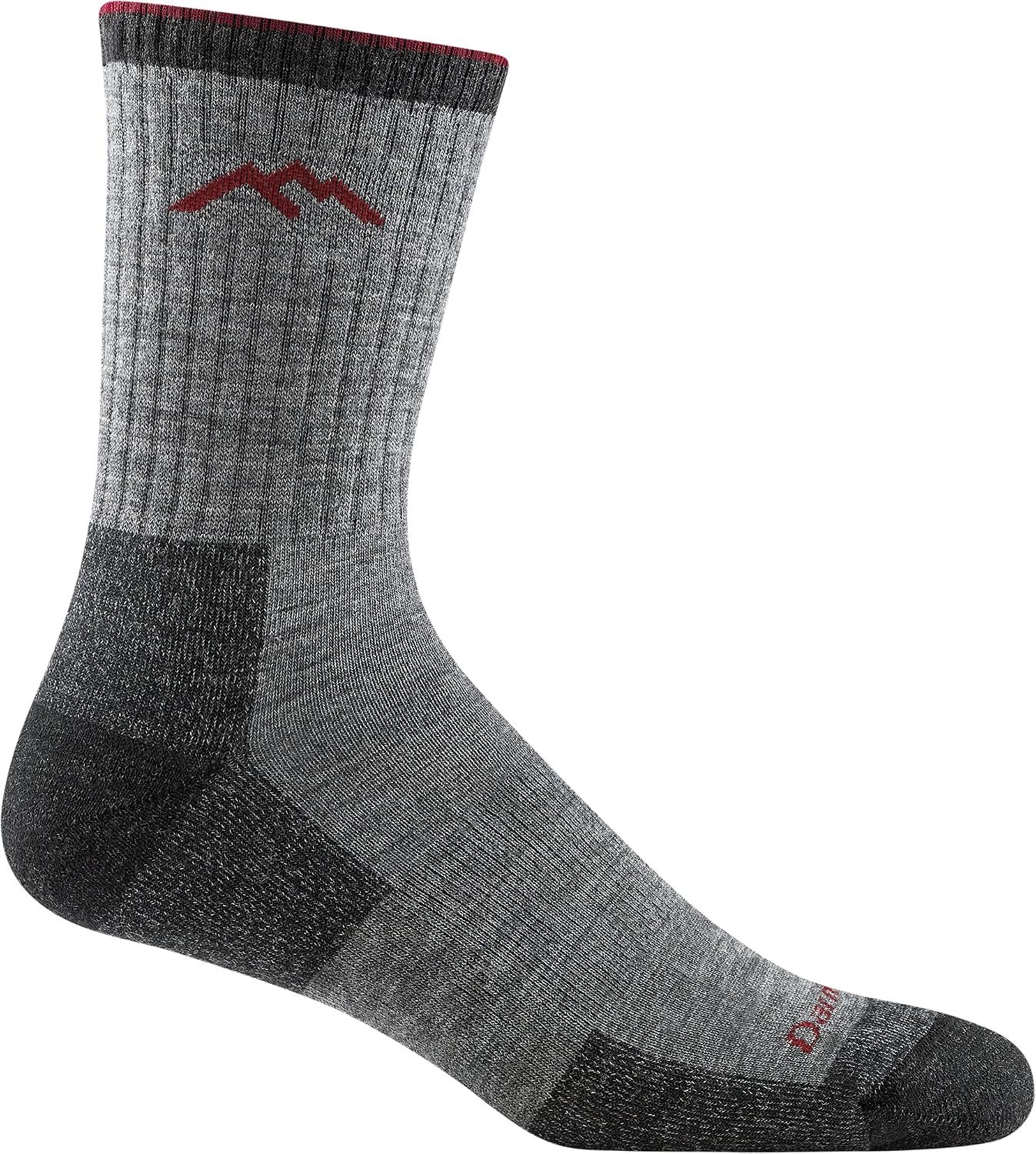
Darn Tough Men's Hiker Micro Crew Cushion Socks
Best for: Hikers who walk long days and want cushion, warmth, and a sock that lasts.
A cushioned merino hiking sock for hikers who want blister protection, warmth, and durability on long days.
Footwear first: shoes, boots, and socks
- Cushioned merino for blister protection
- Warmth that lasts through long days
- Durable construction for repeated use
- You prefer thin liner socks, or you only hike short distances in warm weather.
The pack: daypack first, overnight pack later
Buy the pack for the trips you actually take. A ventilated daypack in the low twenties of litres carries layers, water, lunch, and a rain shell for a full day out, and it is the right first pack for most beginners. A larger overnight pack only earns its place once you start sleeping out, so resist buying the biggest pack first — extra capacity quietly encourages overpacking.
Fit matters more than features: the hip belt should sit on your hips and carry most of the weight, the shoulder straps should hug without digging, and the back panel should let air move on warm days. Check the torso length against the maker's sizing guide, and load the pack with real weight before you judge it. Pockets and zips are a bonus, not a reason to choose a pack that fits badly.
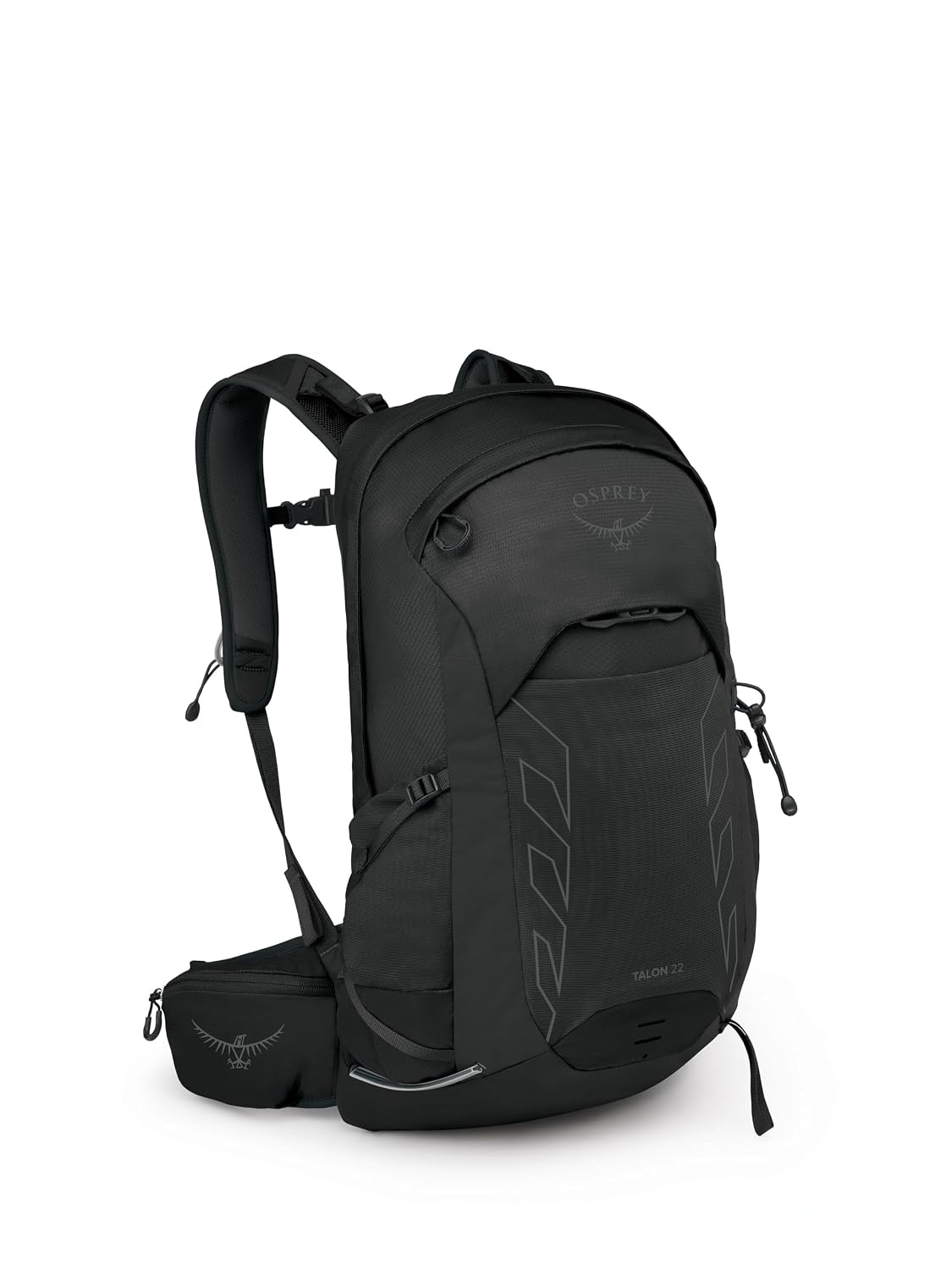
Osprey Talon 22
Best for: Day hikers carrying layers, water, and a light lunch who want a close, flexible fit.
A ventilated daypack for hikers who want a stable carry without turning a short route into an expedition.
The pack: daypack first, overnight pack later
- Ventilated back panel for warm days
- Stable, close-fitting carry
- Right-sized for layers, water, and lunch
- You need a framed overnight pack, a very minimal summit vest, or a fully waterproof shell.
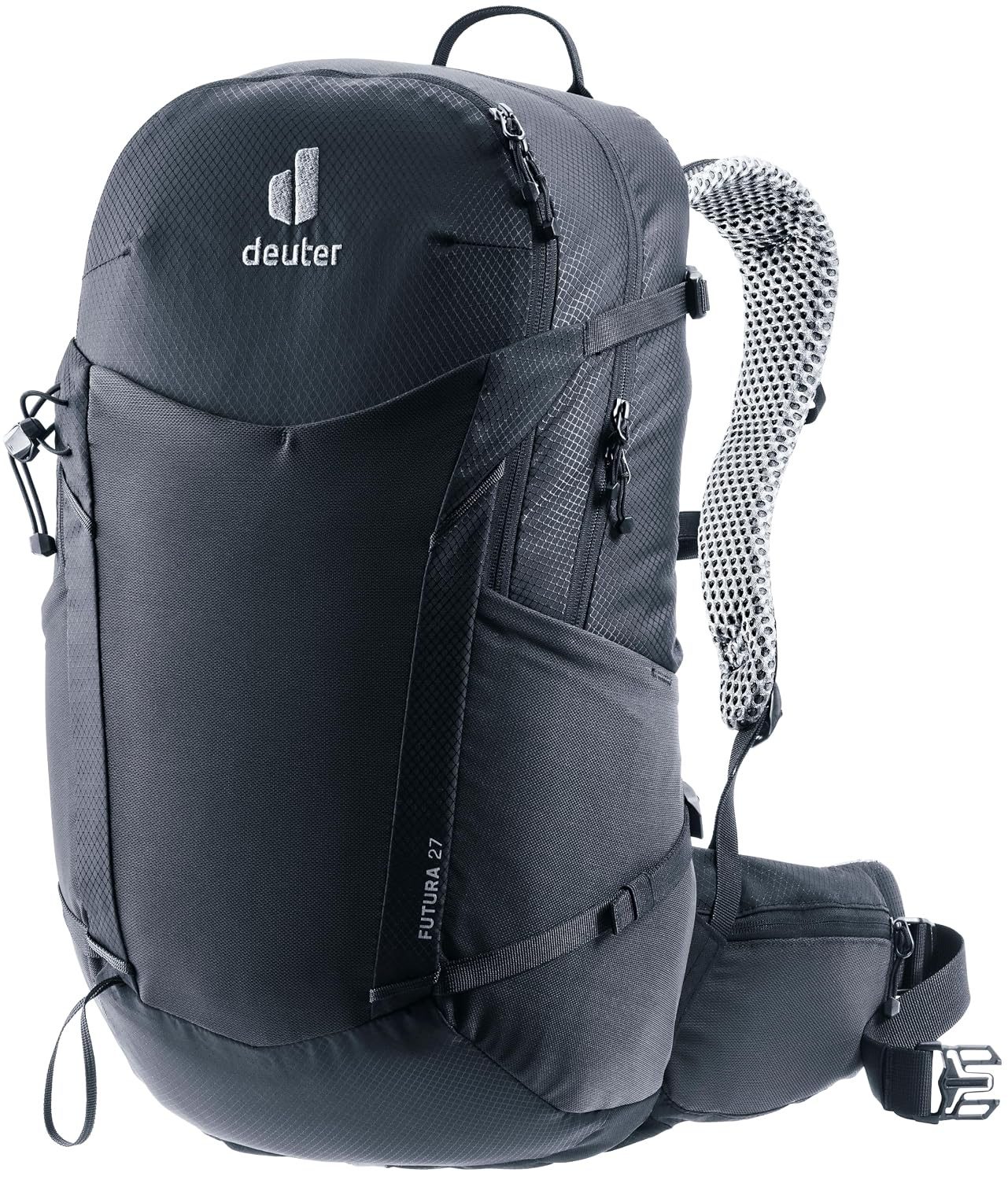
Deuter Futura 27
Best for: Hikers who carry more layers, a camera, or comfort items and prefer a structured back panel.
A structured ventilated pack for warm-weather day hikes where airflow and organization matter.
The pack: daypack first, overnight pack later
- Structured back panel with airflow
- Room for extra layers and comfort items
- Organized storage for day-hike gear
- You want the lightest possible pack or a close-fitting technical vest.
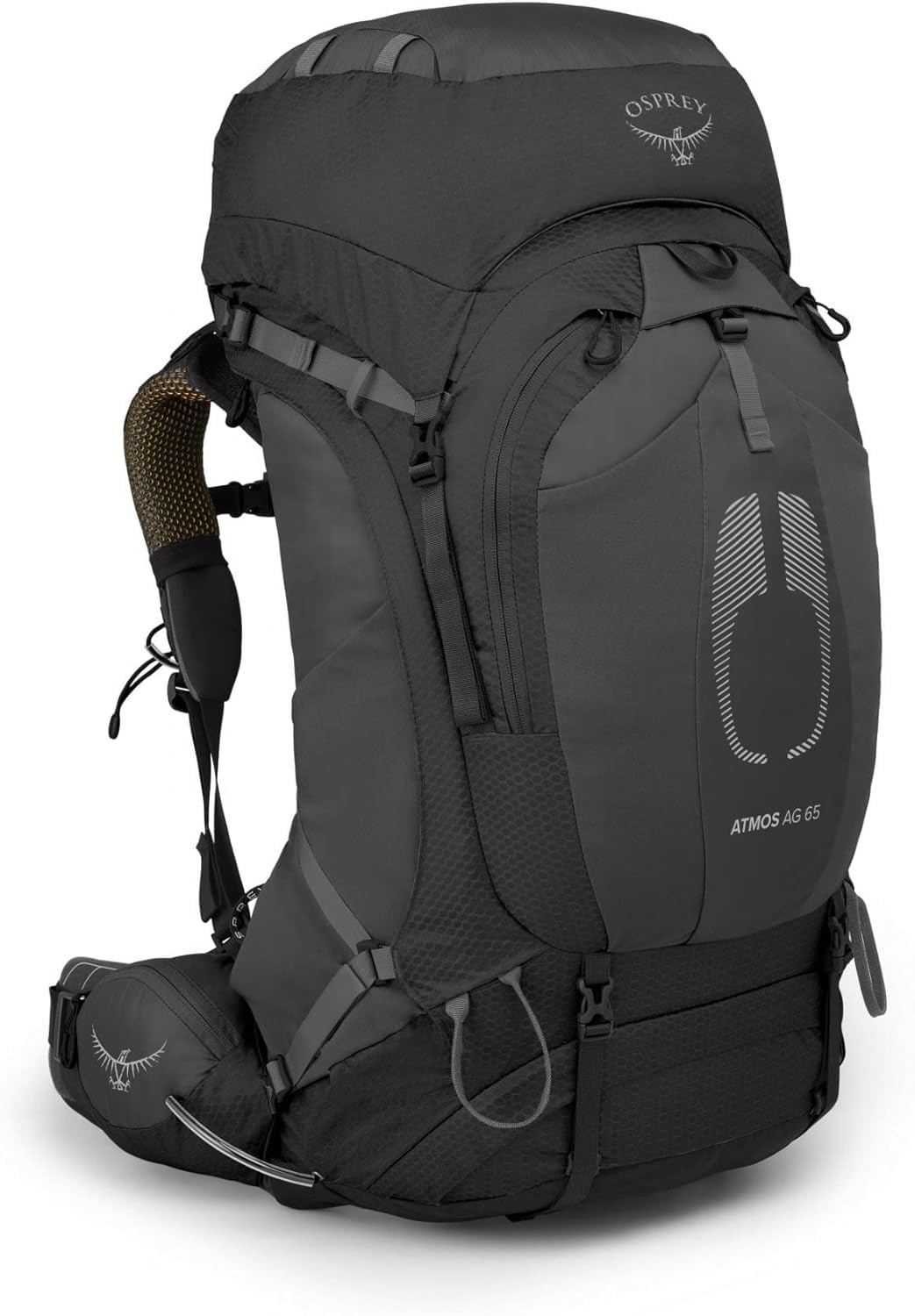
Osprey Atmos AG 65
Best for: Multi-day backpackers carrying a full overnight kit who want ventilation and load comfort.
A ventilated overnight backpacking pack for multi-day trips where load comfort and airflow matter.
The pack: daypack first, overnight pack later
- Ventilated suspension for heavy loads
- Load comfort across multi-day trips
- Full overnight capacity in one pack
- You need a daypack, an ultralight pack, or a close-fitting technical fit.
Shelter and sleep: the overnight half of the kit
Shelter and sleep only enter the kit when you plan your first overnight, and they are the two items where beginners most often overspend. A two-person tent gives one hiker room to sit out rain and store gear inside, and a freestanding design pitches easily on hard or rocky ground. Pitch any new tent at home first, in daylight, so the first real setup is not a lesson in the dark.
The sleeping pad matters as much as the tent: it insulates you from cold ground as well as cushioning it, so check its insulation rating against the coldest night you expect. Side sleepers usually prefer a thicker, softer pad, while weight-conscious backpackers trade cushion for a smaller packed size. A pad that keeps you warm and lets you sleep is worth more than a lighter one that leaves you cold at 3 a.m.
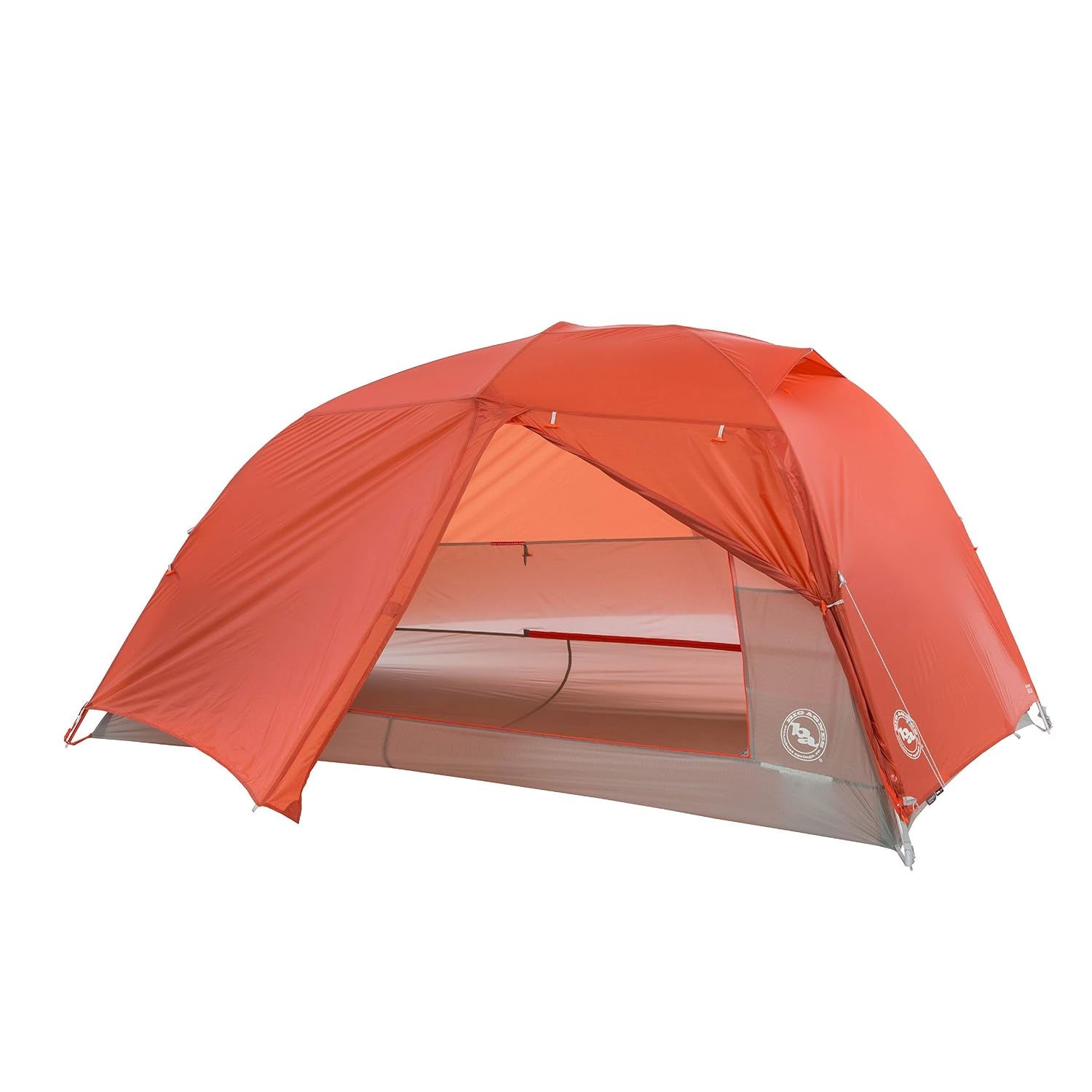
Big Agnes Copper Spur HV UL2
Best for: Couples and solo hikers who want comfort without moving to a heavy basecamp shelter.
A lightweight two-person tent for backpackers who want a proven balance of room, weather protection, and packability.
Shelter and sleep: the overnight half of the kit
- Lightweight for a two-person tent
- Roomy interior with weather protection
- Packs small for backpacking
- You need the lowest price, extreme winter capability, or a palace-sized interior.
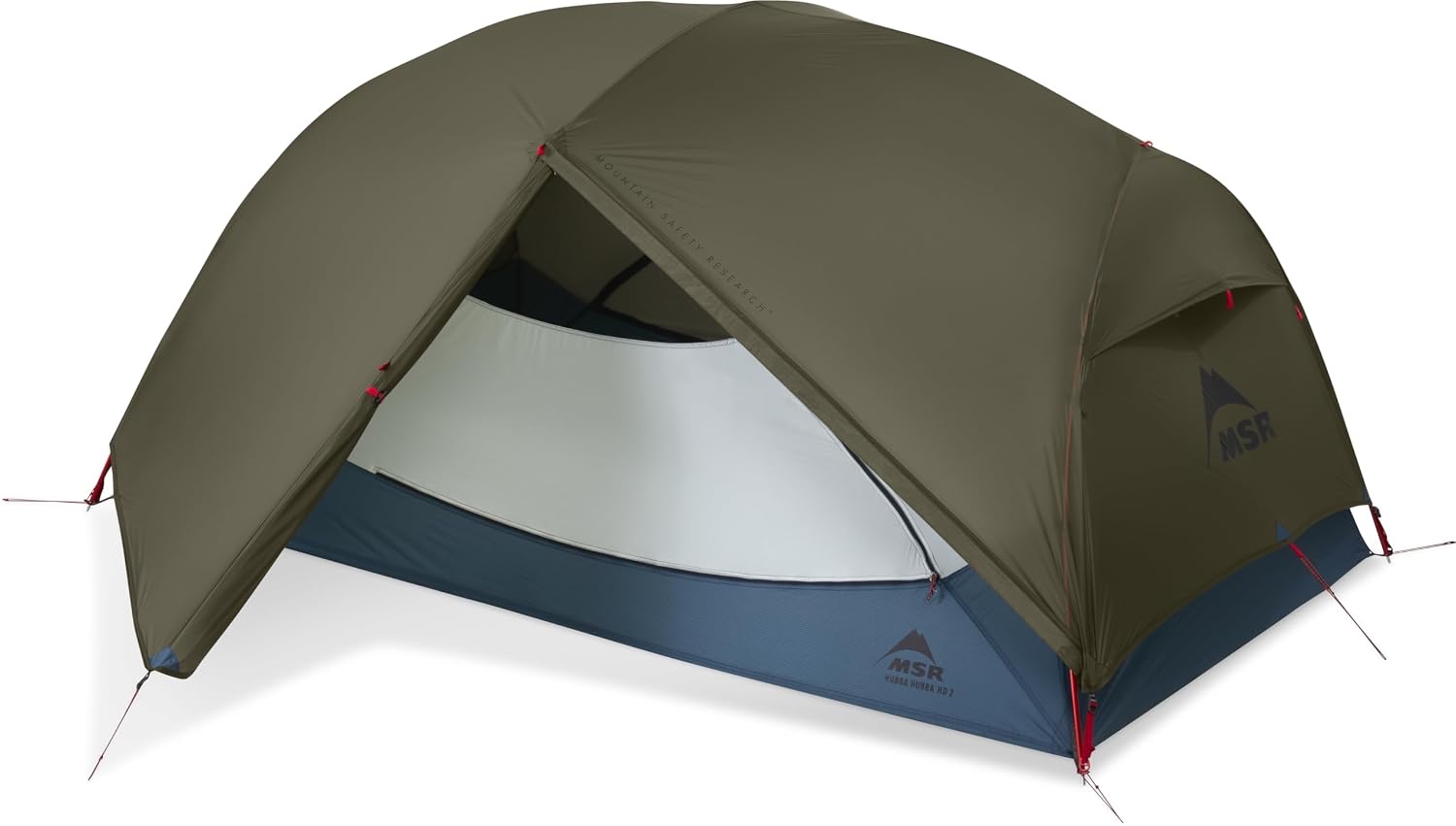
MSR Hubba Hubba HD 2-Person
Best for: Two hikers sharing gear who want more usable interior space and a straightforward setup.
A roomy two-person shelter for first backpacking trips where livability matters more than the absolute lowest weight.
Shelter and sleep: the overnight half of the kit
- Roomy interior for two hikers
- Straightforward setup for first trips
- Livability over ultralight weight
- You are counting every gram or normally hike solo with a tarp.
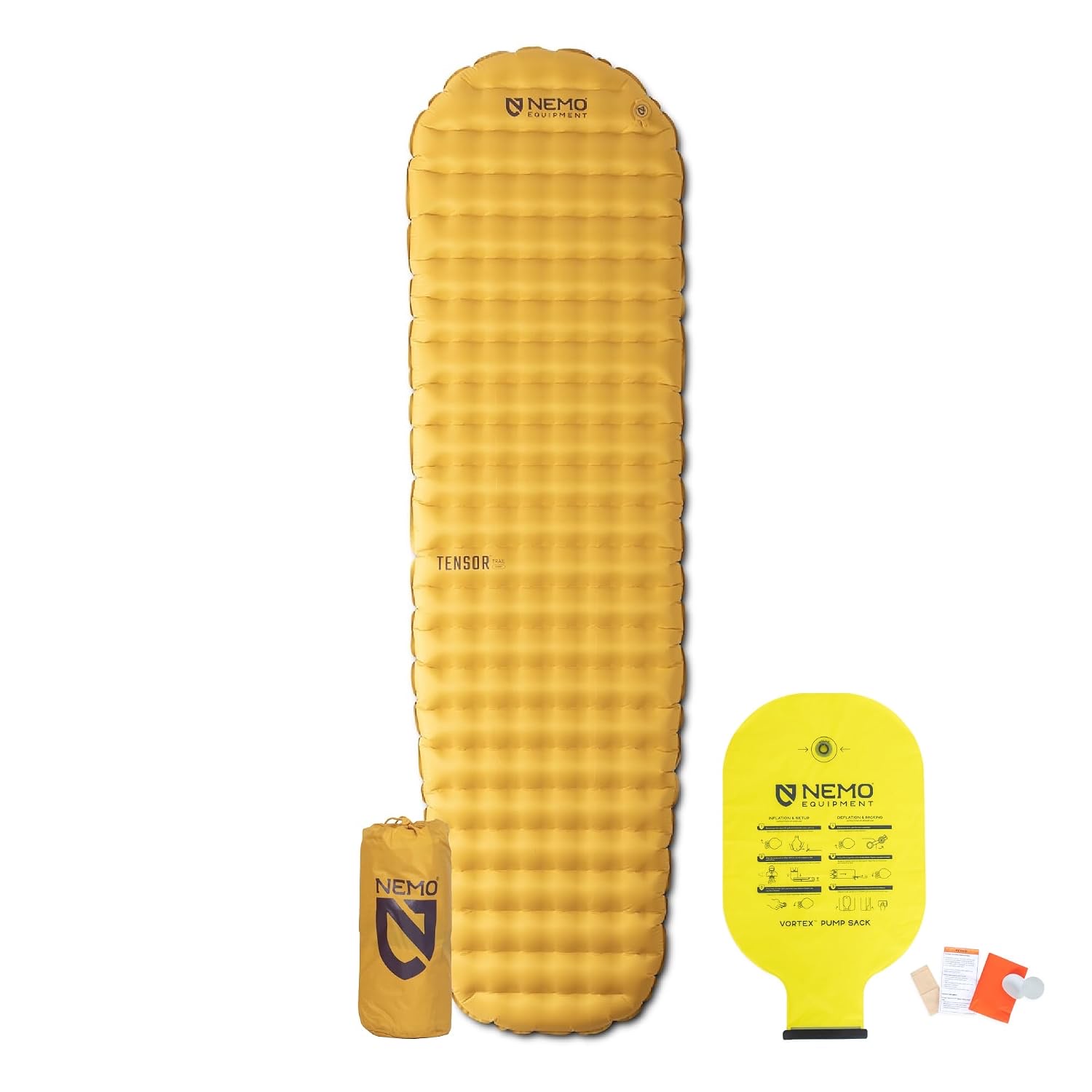
NEMO Tensor Trail
Best for: Backpackers who sleep cold or want a quieter, more cushioned night on uneven ground.
An insulated sleeping pad for hikers who care about quiet comfort and warmth across more than one season.
Shelter and sleep: the overnight half of the kit
- Insulated warmth across seasons
- Quiet surface for light sleepers
- Cushioned comfort on uneven ground
- You only camp in warm weather or need the cheapest thin foam pad.
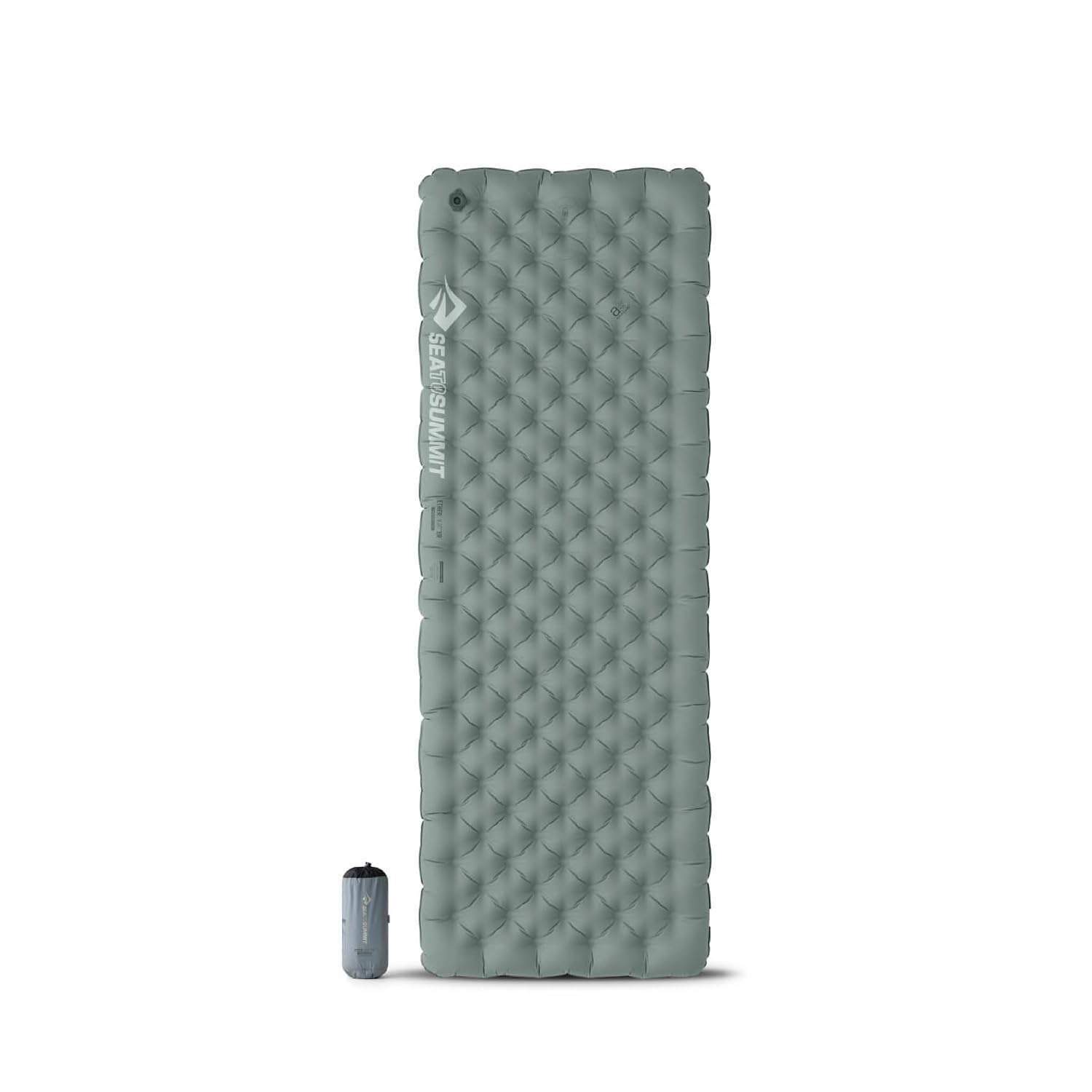
Sea to Summit Ether Light XR
Best for: Side sleepers who dislike feeling the ground and want a softer camp sleep surface.
A thick, cushioned sleeping pad for side sleepers and campers who prioritize pressure relief.
Shelter and sleep: the overnight half of the kit
- Thick cushioning for side sleepers
- Pressure relief for hips and shoulders
- Softer sleep surface at camp
- You need the lightest possible pad or prefer a firm, low-profile feel.
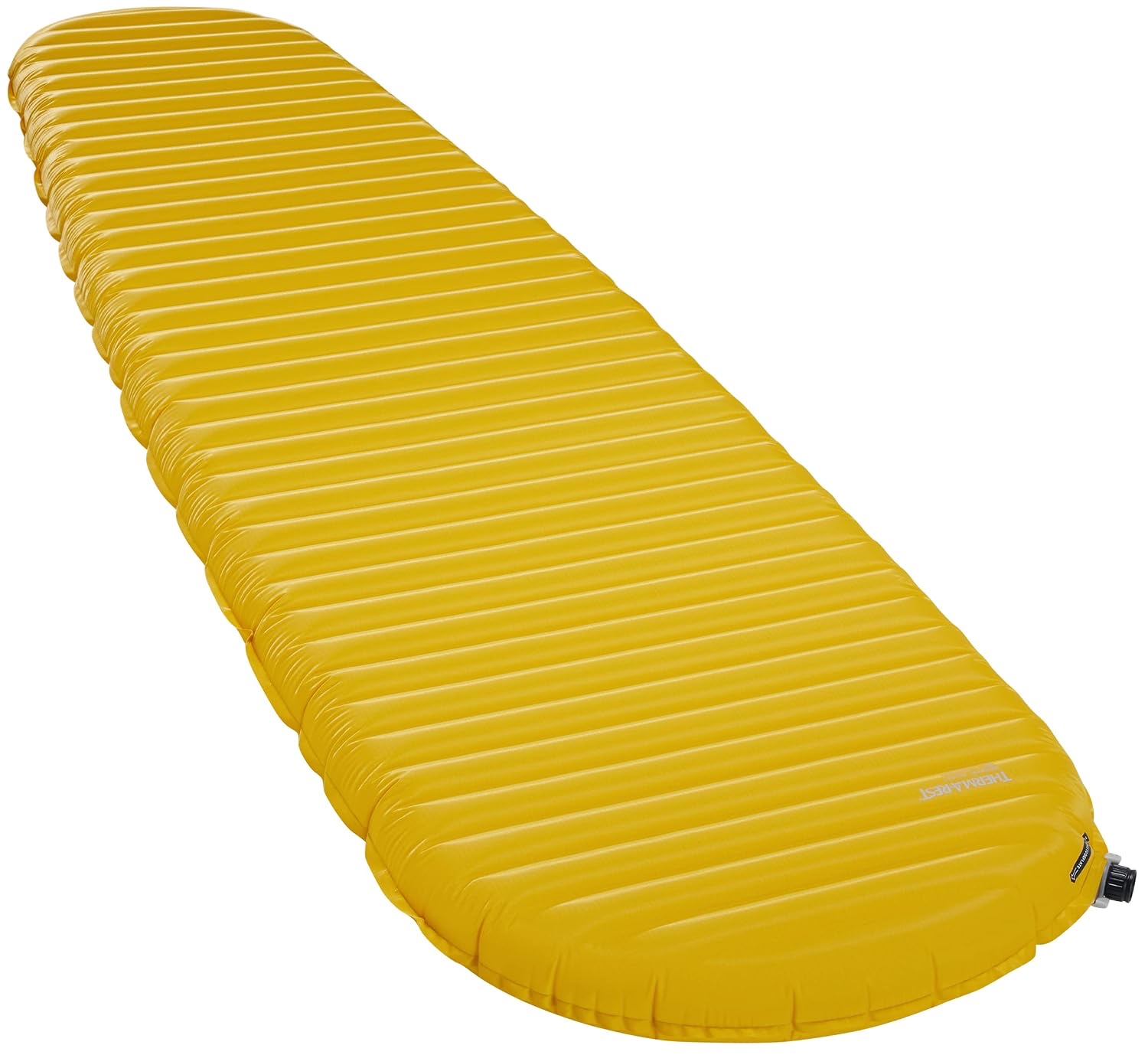
Therm-a-Rest NeoAir XLite NXT
Best for: Backpackers who want an insulated pad that packs small and weighs little.
An ultralight insulated sleeping pad for backpackers who want warmth and comfort without the weight.
Shelter and sleep: the overnight half of the kit
- Ultralight without giving up insulation
- Packs small in a loaded pack
- Warmth for backpacking nights
- You need maximum cushion for side sleeping, or the cheapest possible pad.
Hydration: carry less, treat more
Water is the heaviest thing you carry, so a treatment system earns its place fast: it lets you refill from streams instead of hauling a full day's water from the trailhead. Squeeze filters are the simplest starting point — fill a pouch or bottle, squeeze, and drink — and they pack small enough to carry on every hike, not just the long ones.
Practise the filter at home before the trail, and always carry a backup way to drink: a second bottle, or enough water to reach the next source. Check water sources on your route plan before you set out, and remember that filters handle bacteria and sediment but not every contaminant, so very silty or suspect water needs a different answer. Never let a single filter be the only plan on a remote route.
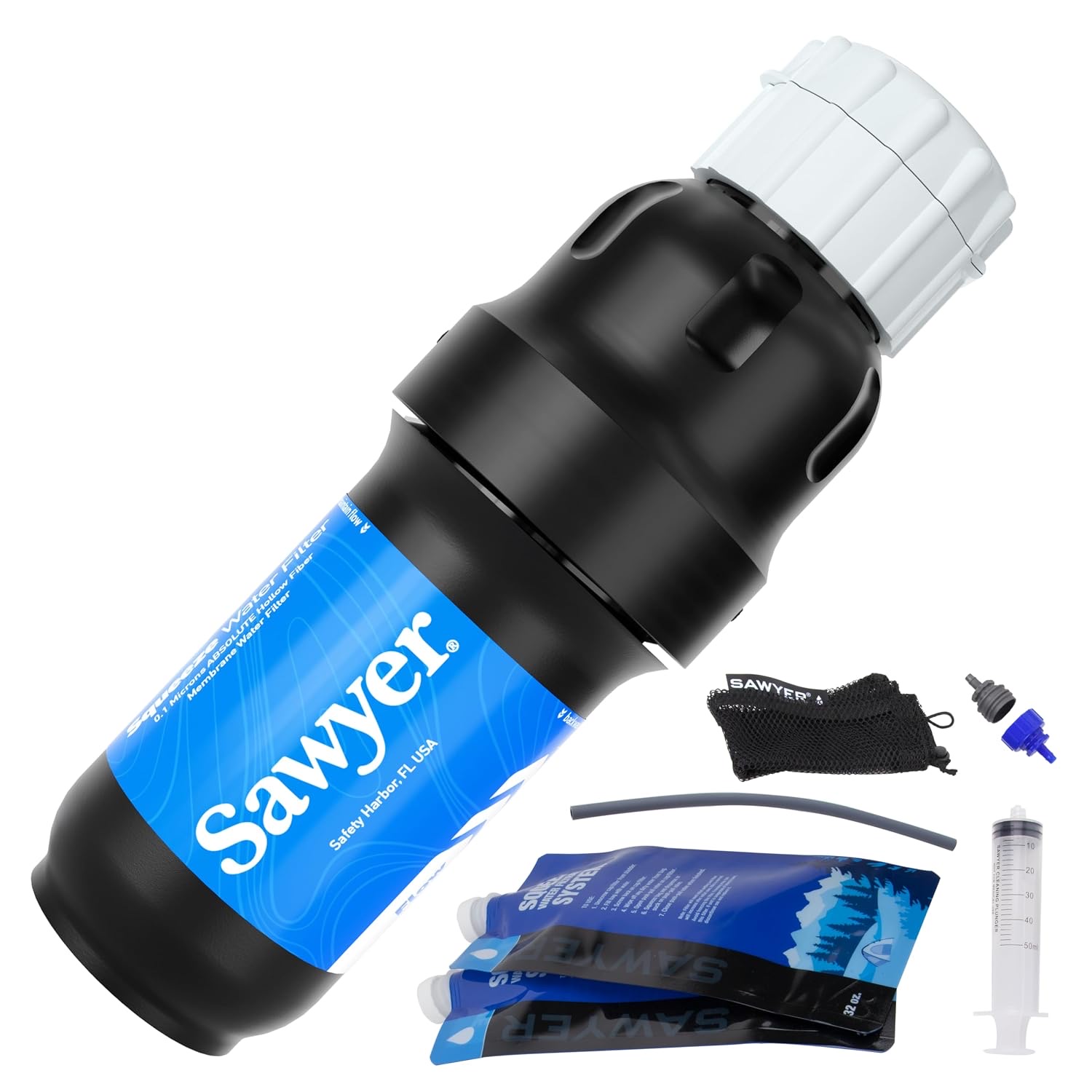
Sawyer Squeeze
Best for: Hikers who want a proven modular filter for weekend trips and longer routes.
A widely used squeeze-filter system for hikers who want flexible bottle and pouch compatibility.
Hydration: carry less, treat more
- Works with bottles and pouches
- Modular setup for different trips
- Widely used on weekend and longer routes
- You want instant gravity filtration or do not want to backflush and maintain a filter.
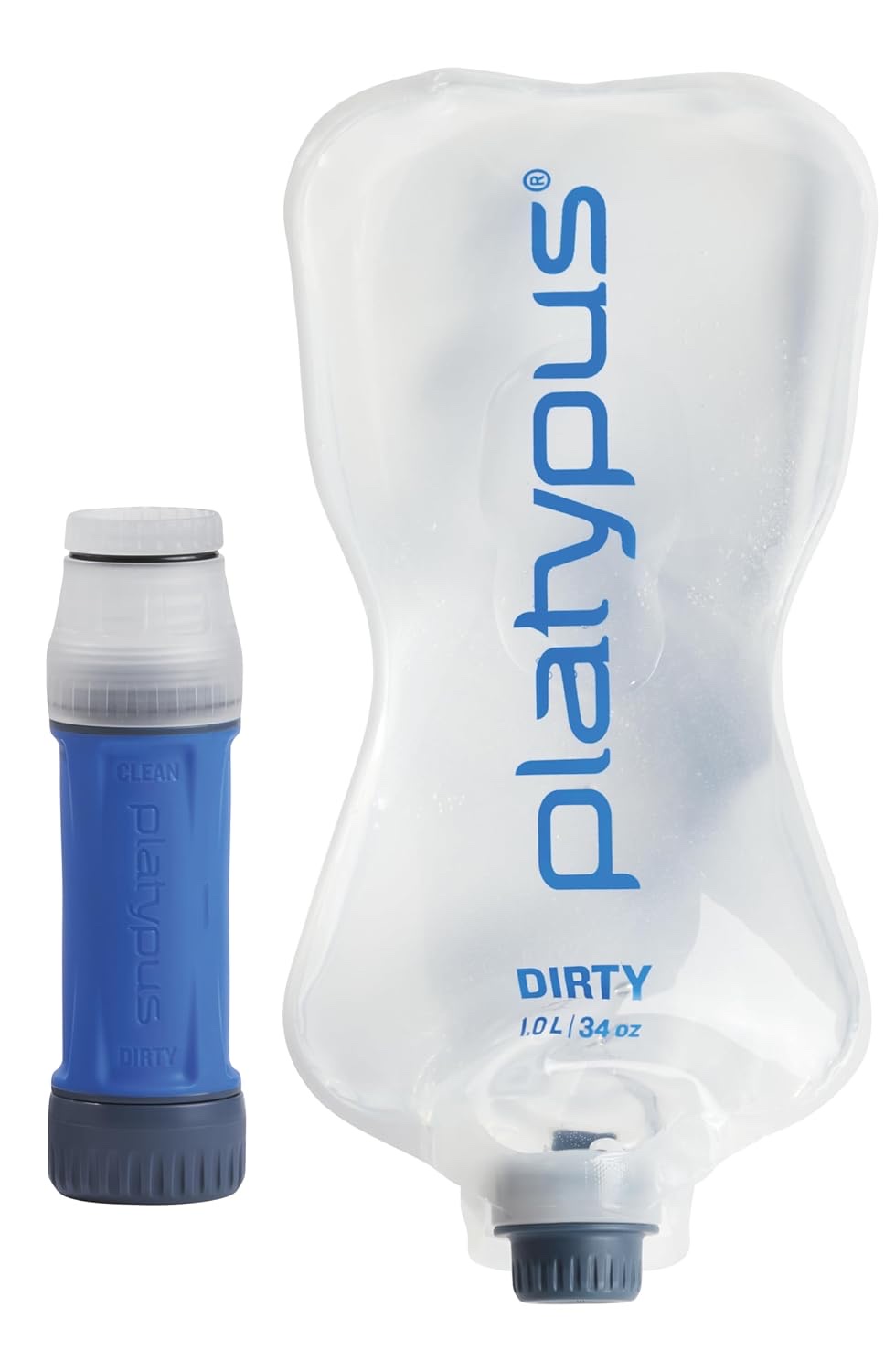
Platypus QuickDraw 1 Liter Water Filter System
Best for: Backpackers who refill from clear streams and want a small, simple treatment system.
A compact squeeze filter for hikers who want a fast way to treat water on day hikes and overnights.
Hydration: carry less, treat more
- Compact and simple to use
- Fast treatment from clear streams
- Small footprint in the pack
- You need virus protection, expect silty water, or do not want a manual squeeze setup.
Navigation and safety: light first, then a plan
A headlamp belongs in every pack, even on a short day hike: days run long, shade arrives early in valleys, and a phone torch drains the battery you may need for navigation. Choose a compact lamp you will actually carry, keep spare batteries or a charged cell, and test it before the trip rather than discovering a dead lamp at dusk.
Beyond the headlamp, safety is a plan more than a purchase: tell someone your route and return time, carry a map or an offline route, and know your turnaround point before you start. On routes beyond reliable phone coverage, a satellite communicator adds check-ins and an emergency channel — worth its subscription on remote trips, and unnecessary weight on busy local trails.
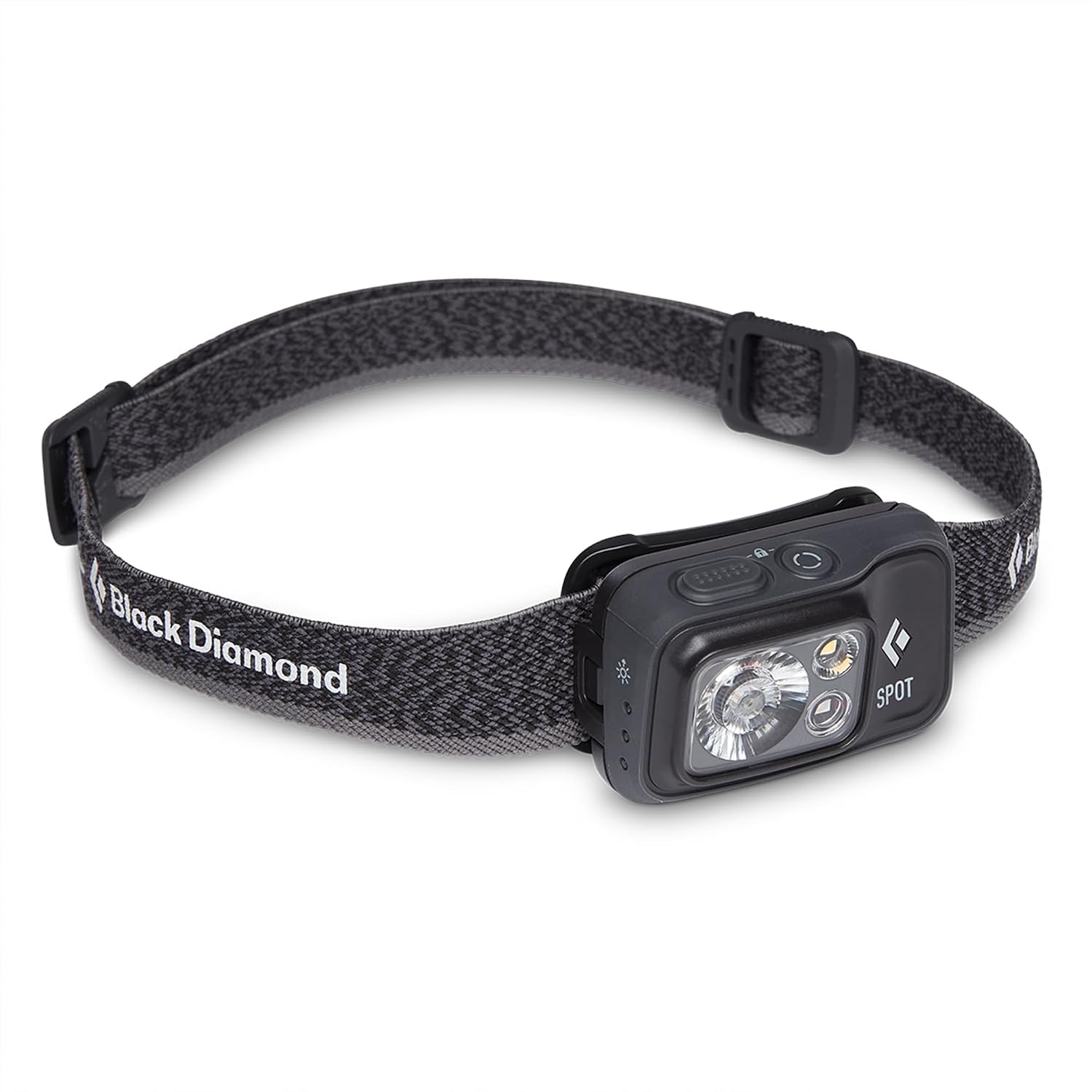
Black Diamond Spot 400
Best for: Every hiker who wants a reliable light with useful brightness and a small pack footprint.
A compact headlamp for early starts, late finishes, camp chores, and emergency visibility.
Navigation and safety: light first, then a plan
- Compact with a small pack footprint
- Useful brightness for trail and camp
- Covers early starts and late finishes
- You need a high-output expedition light or a rechargeable-only system.
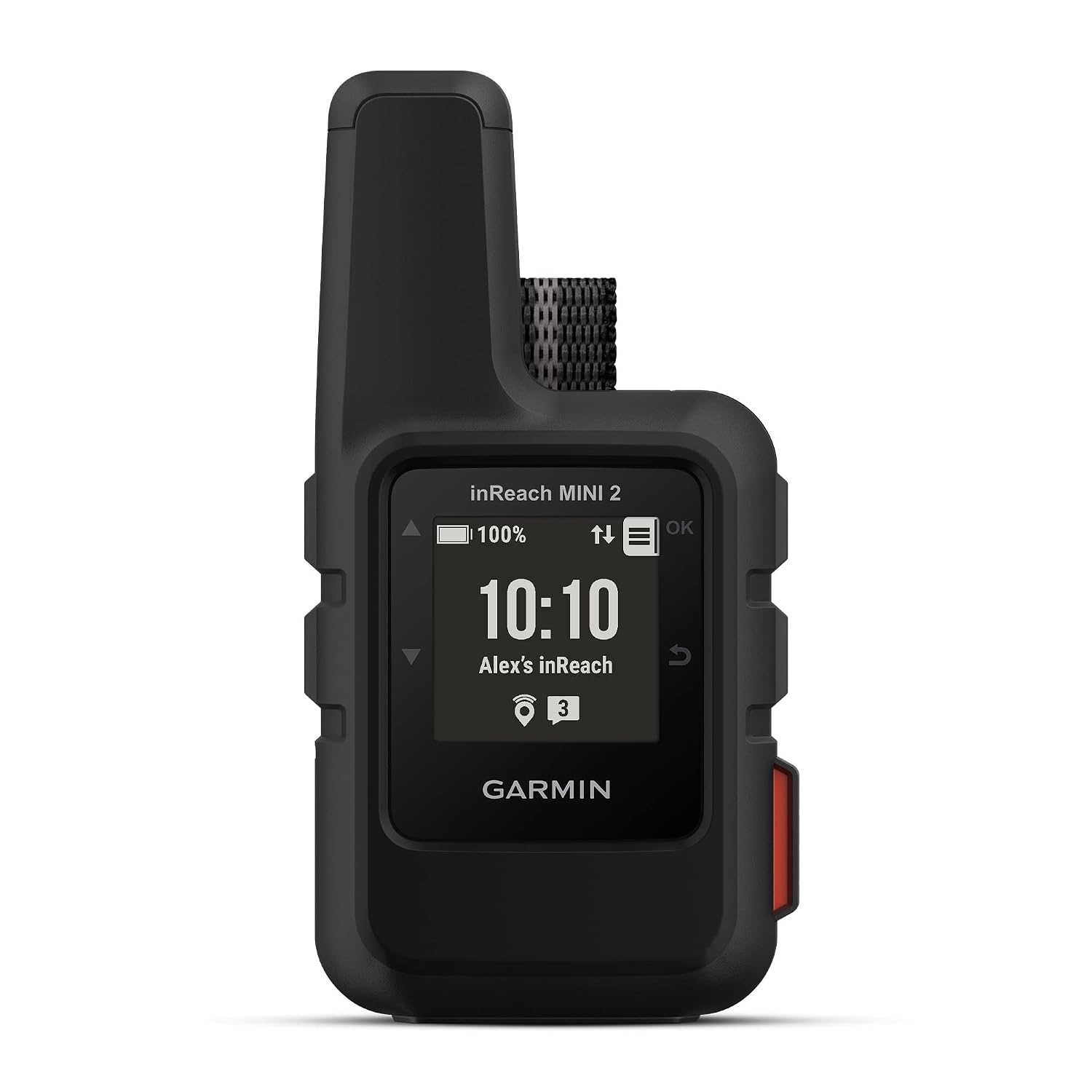
Garmin inReach Mini 2
Best for: Remote hikers who travel beyond reliable cell coverage and carry a clear communication plan.
A satellite communicator for trips where an emergency plan and off-grid check-ins matter.
Navigation and safety: light first, then a plan
- Messaging beyond cell coverage
- Emergency plan for remote trips
- Check-ins that reassure people at home
- You stay on busy local trails with coverage or do not want a subscription device.
Layers: the rain shell comes first
Layers beat a single heavy jacket: a base layer that moves sweat away, insulation for stops, and a shell for wind and rain let you adjust as the day changes. The rain shell is the first layer to buy, because wet and cold end more hikes than any other weather — and a shell that packs small gets carried, while a bulky one gets left behind.
A three-layer shell suits wet climates and multi-day trips, where sustained rain is likely; a featherweight emergency shell suits day hikes with changeable forecasts. Either way, check the fit over your other layers, confirm the hood moves with your head, and remember that no shell breathes well enough to keep you dry from the inside on a hard climb — pace and ventilation matter as much as the jacket.
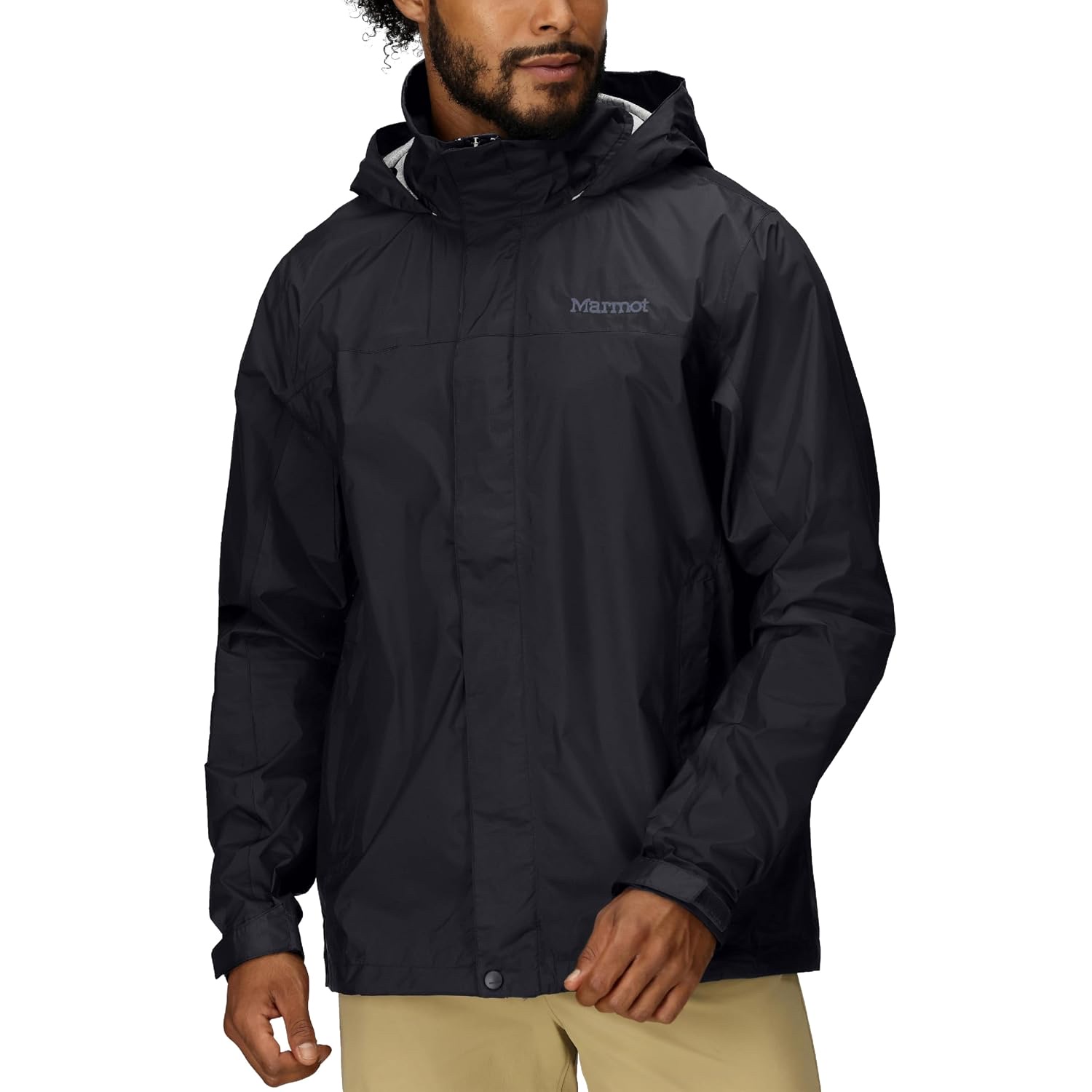
Marmot Men's PreCip Eco Rain Jacket
Best for: Hikers who want a dependable three-layer rain shell for wet weather and multi-day trips.
A three-layer rain shell for hikers who want reliable waterproof protection from a recycled fabric.
Layers: the rain shell comes first
- Three-layer waterproof protection
- Recycled fabric construction
- Dependable shell for multi-day rain
- You need a featherweight emergency shell, or a heavy winter mountaineering jacket.
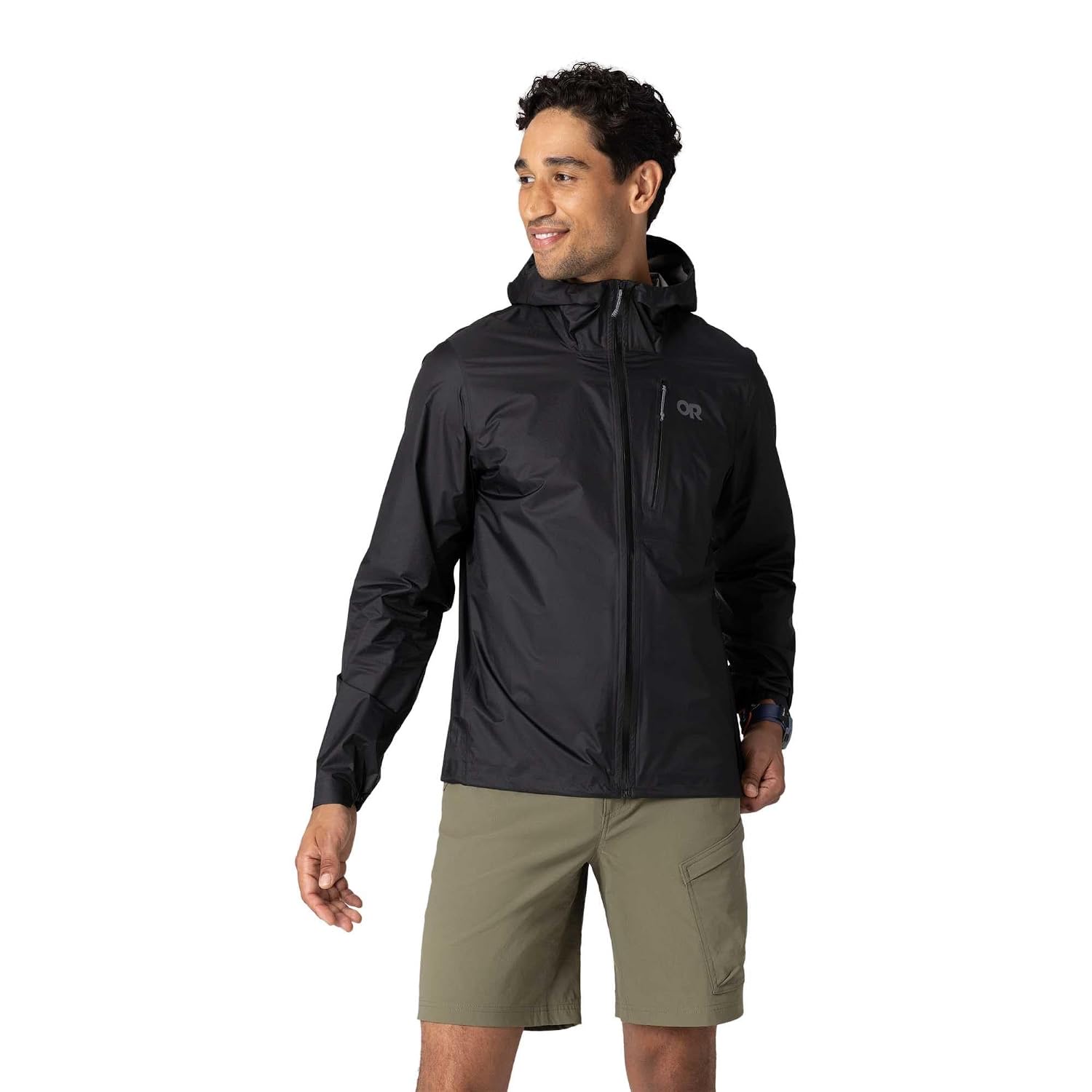
Outdoor Research Men's Helium UL Jacket
Best for: Day hikers and backpackers who want a dependable emergency layer for changing forecasts.
A lightweight rain shell for hikers who need packable weather protection without carrying a bulky hard shell.
Layers: the rain shell comes first
- Packs small as an emergency layer
- Lightweight weather protection
- Covers changing forecasts without bulk
- You need a heavy winter shell, maximum abrasion resistance, or a soft casual jacket.
Accessories: poles and a stove, when the trip asks
Trekking poles are the accessory most beginners underestimate: they share the load with your arms, steady you on uneven ground and stream crossings, and take real strain off your knees on descents. Start with an adjustable aluminium pair, learn the planting rhythm on easy ground, and shorten the poles for climbs and lengthen them for descents.
A stove enters the kit with the first overnight, and a compact canister-top stove is the simplest start: it boils water fast for meals and hot drinks and packs down to almost nothing. Practice lighting and packing it at home, carry enough fuel for the trip plus a margin, and skip elaborate cooking kit until you know you enjoy camp cooking — a pot, a spoon, and a windbreak cover most first trips.
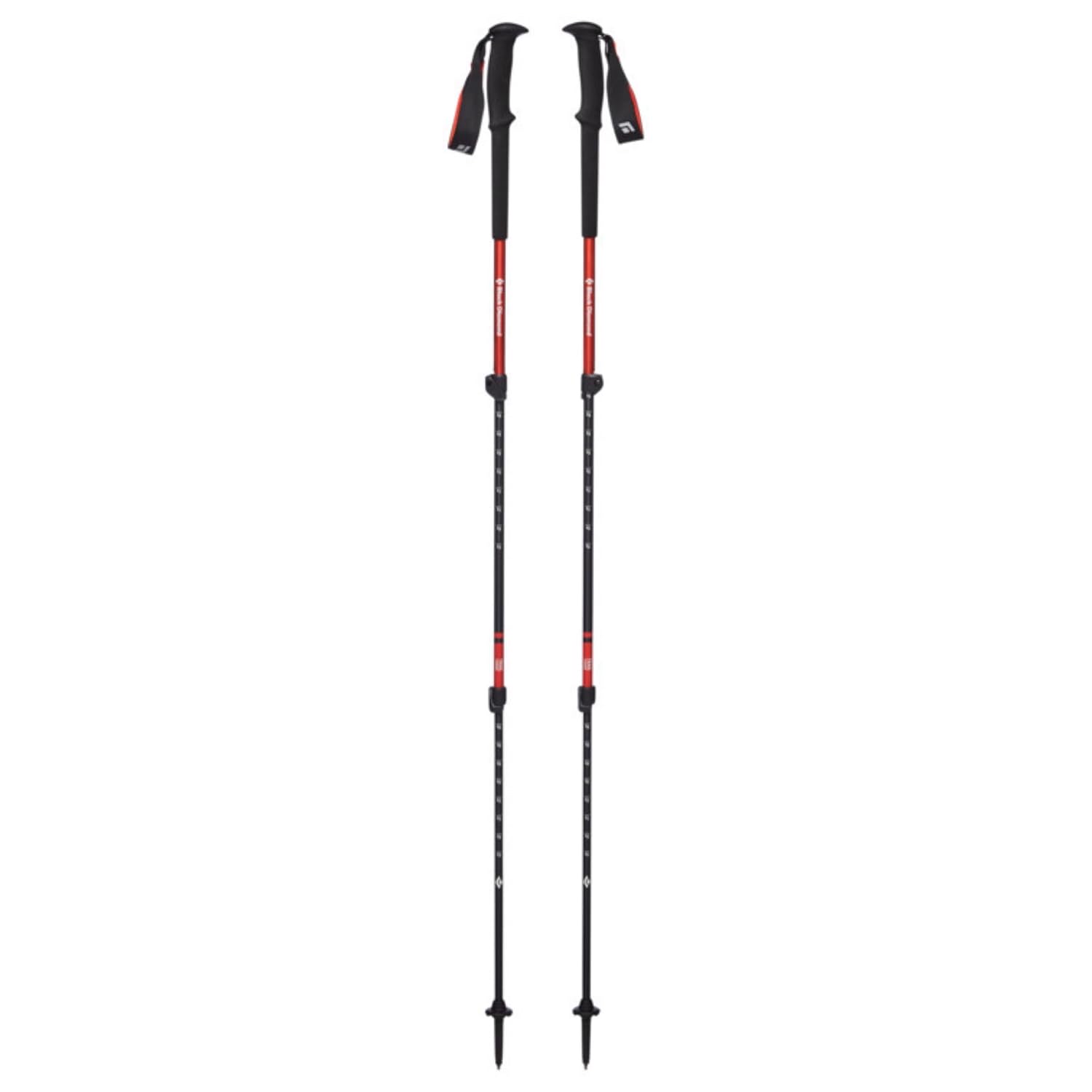
BLACK DIAMOND Trail Trekking Poles
Best for: Hikers who want a dependable two-pole setup for rocky or steep routes.
Adjustable trekking poles for stability on descents, uneven ground, and long days when your knees need help.
Accessories: poles and a stove, when the trip asks
- Adjustable aluminum construction
- Comfort-focused grips
- Useful for climbs, descents, and balance
- You only need an ultralight single pole or dislike carrying poles between obstacles.
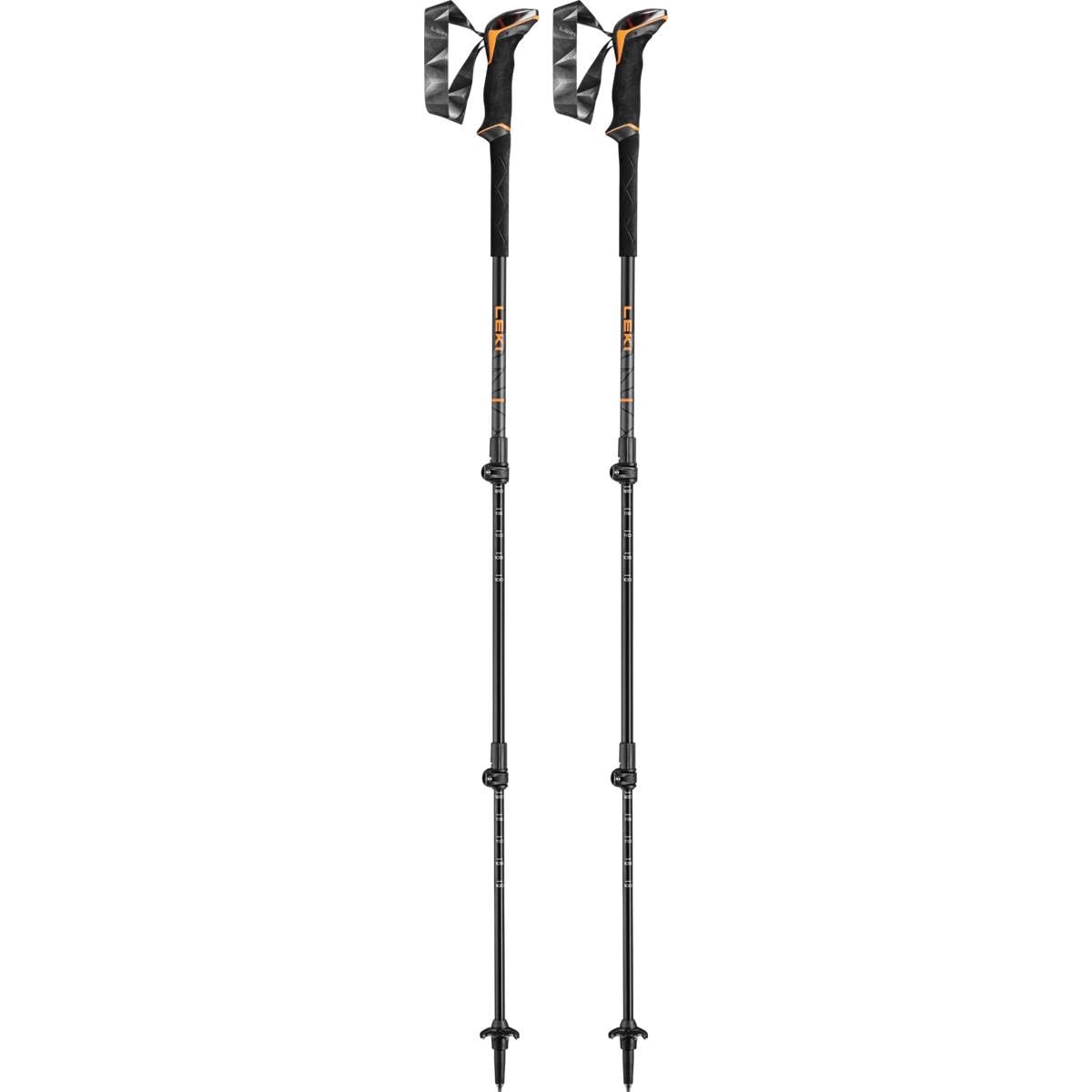
LEKI Makalu Lite
Best for: Long-distance hikers who use poles consistently and care about swing weight.
A lighter trekking-pole option for hikers who want dependable adjustment without carrying expedition-grade weight.
Accessories: poles and a stove, when the trip asks
- Lightweight adjustable design
- Extended grip for changing hand positions
- Trail-focused durability
- You need the cheapest starter pair or a compact carbon race pole.
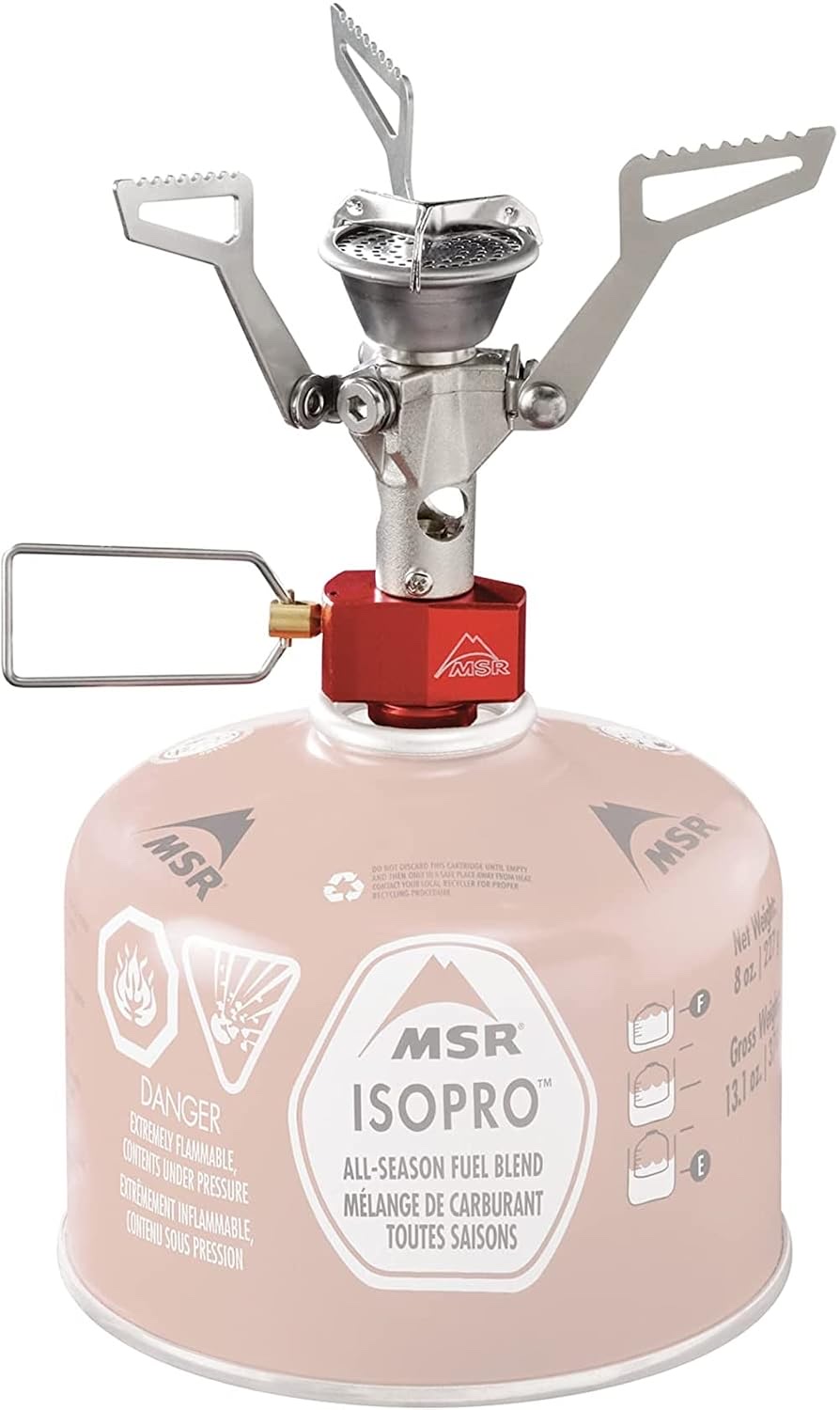
MSR PocketRocket 2
Best for: Backpackers who boil water for meals and want a stove that packs tiny.
A compact canister-top stove for backpackers who want fast boils and a tiny packed size on multi-day trips.
Accessories: poles and a stove, when the trip asks
- Fast boils for trail meals
- Tiny packed size
- Simple canister-top design
- You cook elaborate meals, need to simmer precisely, or hike in very cold conditions.
A practical decision table
| Decision point | What to check | Why it matters |
|---|---|---|
| Buying order | Footwear, pack, rain shell first; shelter, sleep, and stove with the first overnight | Keeps spending on the items that change every hike |
| Fit before brand | Shoe fit with hiking socks, pack torso length, shell fit over layers | A well-fitting mid-range item beats a poor-fitting premium one |
| Weight vs comfort | Packed size and weight against cushion, room, and warmth | The lightest option is not the best if it leaves you cold or sore |
| Verify before buying | Current variant, size, price, availability, warranty, and returns | Listings change, and the exact variant decides the fit |
Frequently asked questions
What hiking gear should a beginner buy first?
Footwear, a pack, and a rain shell, in that order. Shoes decide comfort, the pack carries everything else, and the shell keeps a change in the weather from ending the day. Add shelter, sleep, and water treatment when you plan your first overnight.
Do beginners need expensive hiking gear?
No. Fit and function matter far more than price, and a well-fitting mid-range item usually serves a beginner better than a premium one that fits badly. Spend first where comfort is decided — shoes, socks, and pack — and upgrade later, once you know what you actually need.
Should a beginner buy a daypack or a backpacking pack?
A daypack, unless you already have overnight trips planned. A ventilated daypack covers full days on the trail, while a large overnight pack encourages overpacking on short routes. Buy the overnight pack when the first multi-day trip is on the calendar.
How do I choose between a tent and a lighter shelter?
Start with a freestanding two-person tent: it pitches easily, handles bad weather, and gives a solo hiker room for gear. Lighter shelters such as tarps save weight but demand more skill and a good pitch, so they suit experienced hikers better than a first overnight.
Do I need a water filter for day hikes?
A compact squeeze filter is worth carrying on most hikes, because it lets you refill from streams instead of carrying a full day's water. Always check your route's water sources in advance, and carry enough water to reach the next source in case a stream is dry.
Are trekking poles worth it for beginners?
Yes, especially on steep or uneven routes. Poles share the load with your arms, steady your balance, and reduce knee strain on descents. Start with an adjustable aluminium pair and practise the rhythm on easy ground before a long route.
What should I skip as a beginner?
Specialist and duplicate gear: heavy leather boots for easy trails, a second pack before you need one, elaborate cooking kit, and anything bought for a trip you have not planned yet. Buy for the routes you actually hike, and let real trips tell you what is missing.
Useful Sources and Verification
Use these source types to verify current details before buying or publishing a recommendation.
- Current official manufacturer documentation for the exact models named in this guide, including sizing, materials, and care instructions
- Current retailer listing details for the exact variant, price, availability, returns, and included components
- Independent review patterns used as context and clearly separated from firsthand testing