
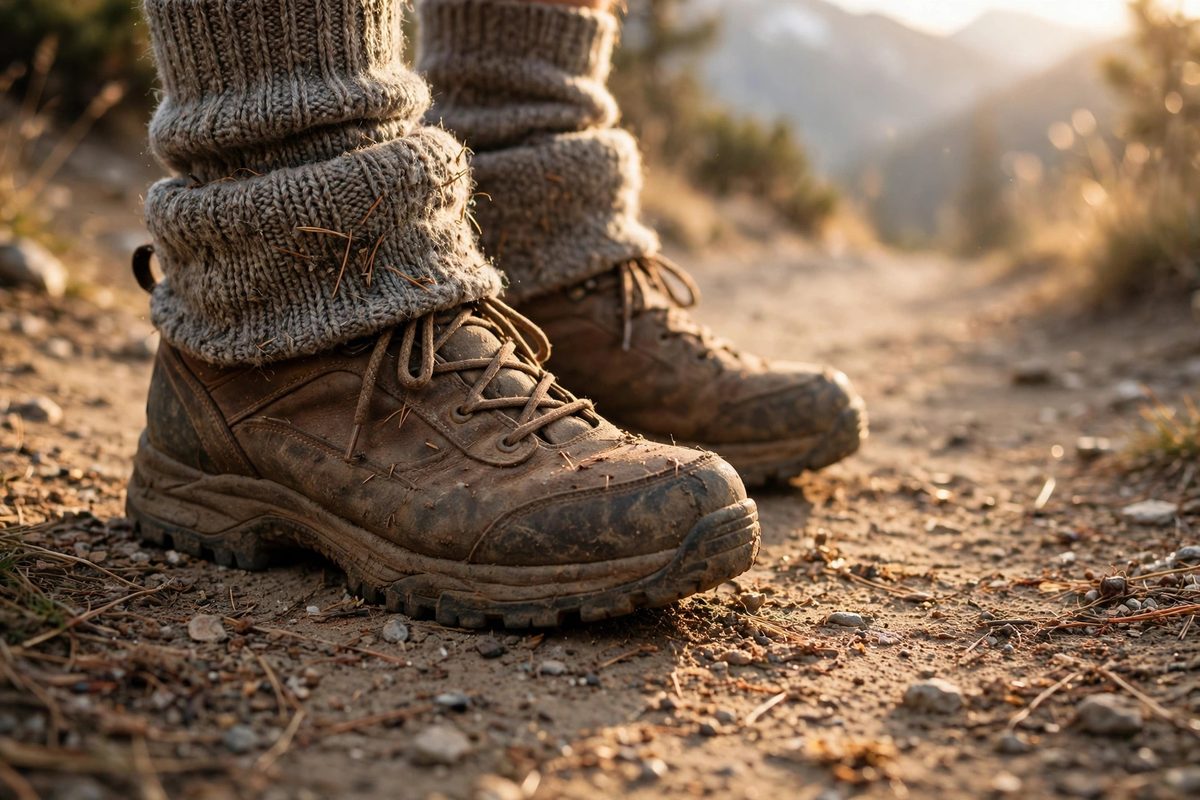
 Featured imageHiking boots and trail shoes side by side on the trail
Boots or shoes? It is the first gear question most hikers ask, and the honest answer is that both are right — on different trails. This guide compares boots and shoes on weight, ankle support, waterproofing, blisters and fit, so you can pick the pair your hike actually needs.
Choose boots for rough, wet or off-trail hiking with a heavy pack, and shoes for smooth, dry trails with a light pack. Boots protect ankles and soles on rocky ground but weigh more and dry slowly; shoes are lighter and faster but offer less protection. Fit matters more than the label — try both on the terrain you hike most.
Position and Plan
Position: A practical boots-versus-shoes guide for day hikers and backpackers: what actually differs, when each wins, and how to test the choice on your own trails.
Plan: Work through the real differences, the terrain and weight trade-offs, the ankle-support question, waterproofing, blisters and fit — then take the five-question test at the end to pick your pair.
Hiking boots vs shoes at a glance
| Topic | What to do |
|---|---|
| Weight | Boots are heavier; shoes save energy on every step. |
| Ankle support | Boots limit ankle roll; shoes rely on your own strength. |
| Protection | Boots shield feet from rocks and roots; shoes less so. |
| Waterproofing | Boots keep water out longer; shoes let it in fast. |
| Drying speed | Shoes drain and dry fast; wet boots stay wet for hours. |
| Blisters | Shoes need little break-in; stiff boots can rub at first. |
| Break-in | Shoes are ready almost at once; boots need short walks first. |
| Best terrain | Boots for rough, steep, wet ground; shoes for smooth trails. |
| Best for | Boots for heavy packs and multi-day trips; shoes for fast day hikes. |
1. What is the real difference between boots and shoes?
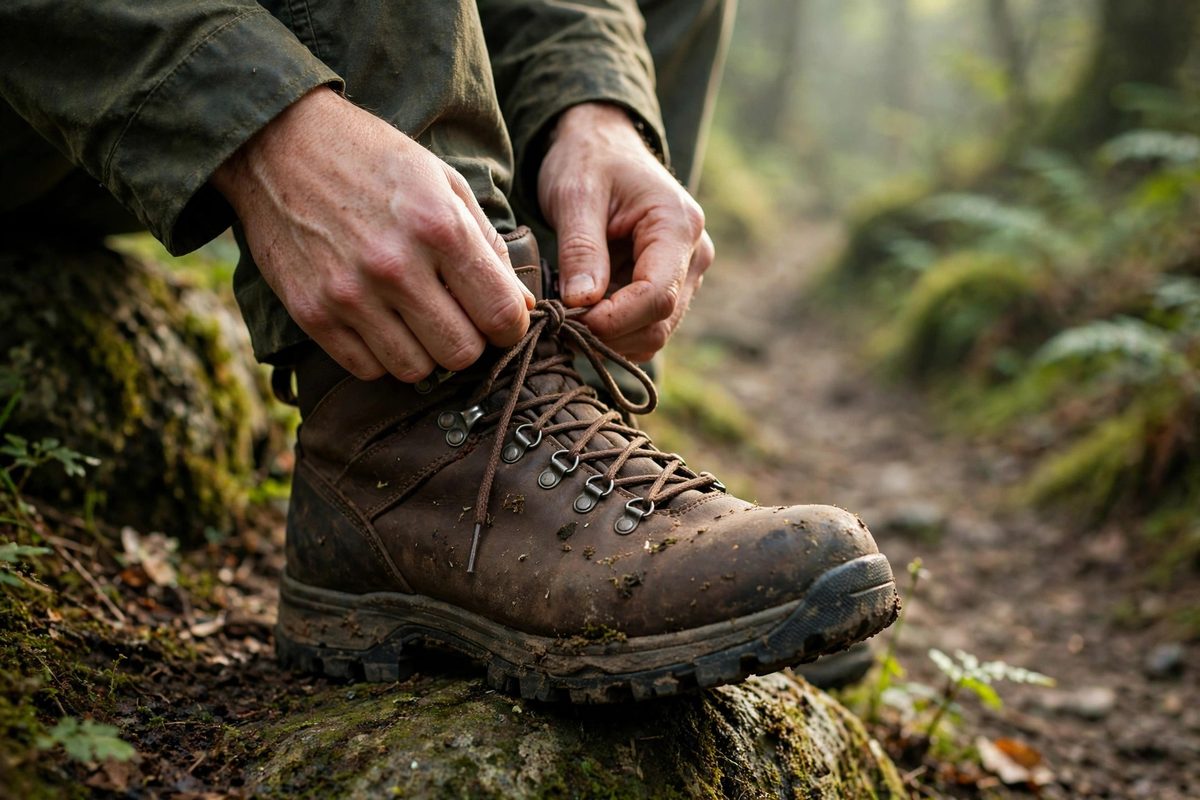
The real difference is height, stiffness and weight: boots rise above the ankle with a stiffer sole and a heavier build, while shoes sit below the ankle with a softer, lighter, more flexible sole. That is the whole divide — same brands, same materials, same laces — and everything else follows from those three facts.
Mid-height boots blur the line on purpose: they give some ankle coverage and a stiffer sole without the full weight of a tall boot. The label matters less than the build, so judge a pair by how it feels on your foot and on rough ground, not by what the box calls it. See how hiking boots should fit before you buy either.
2. When do boots win?
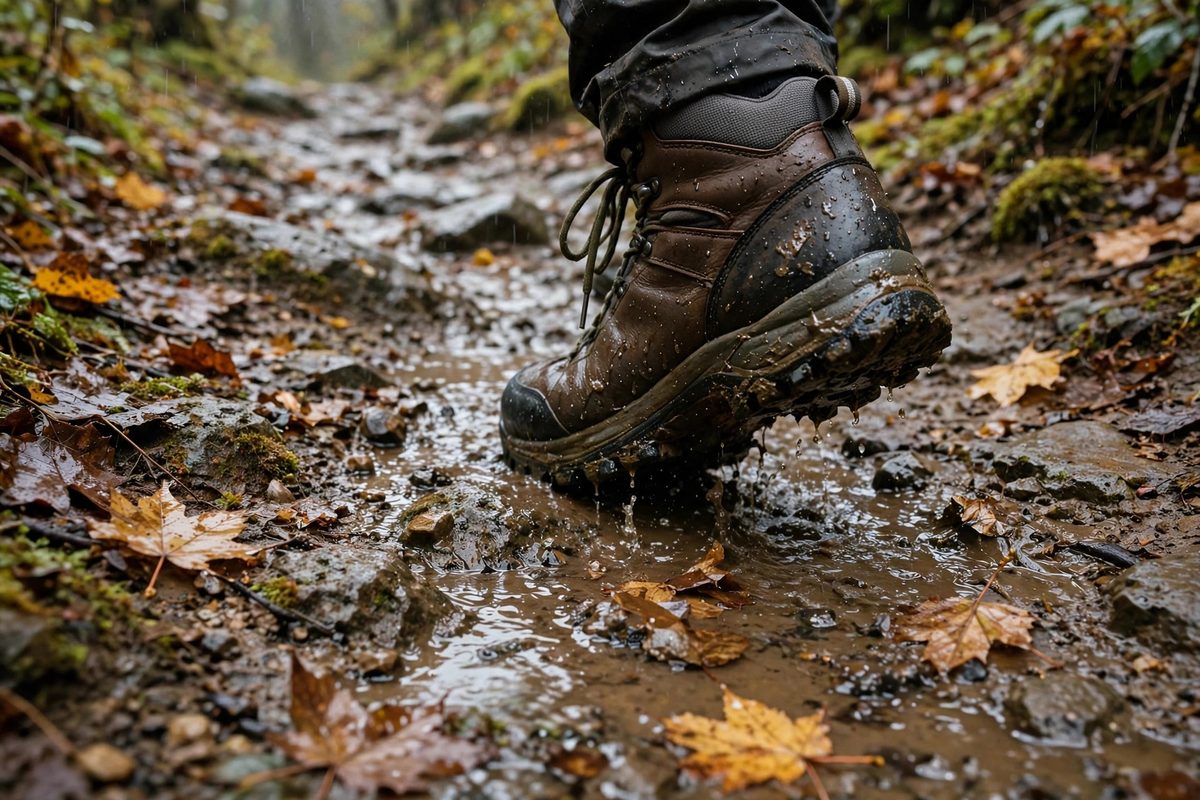
Boots win on rough, steep, wet or off-trail ground and under a heavy pack, where their stiff soles, deep lugs and ankle-height uppers protect your feet. On scree, mud, snow and stream crossings, a boot keeps your foot stable and dry in a way no low shoe can match.
Choose boots when the trail is unmaintained, the pack is heavy, or the weather is cold and wet: the extra weight buys protection and grip exactly where a twisted ankle or a soaked foot would end your day. Our hiking in the rain guide covers wet-trail footing, and the best gear for multi-day trips explains why boots still rule on long carries.
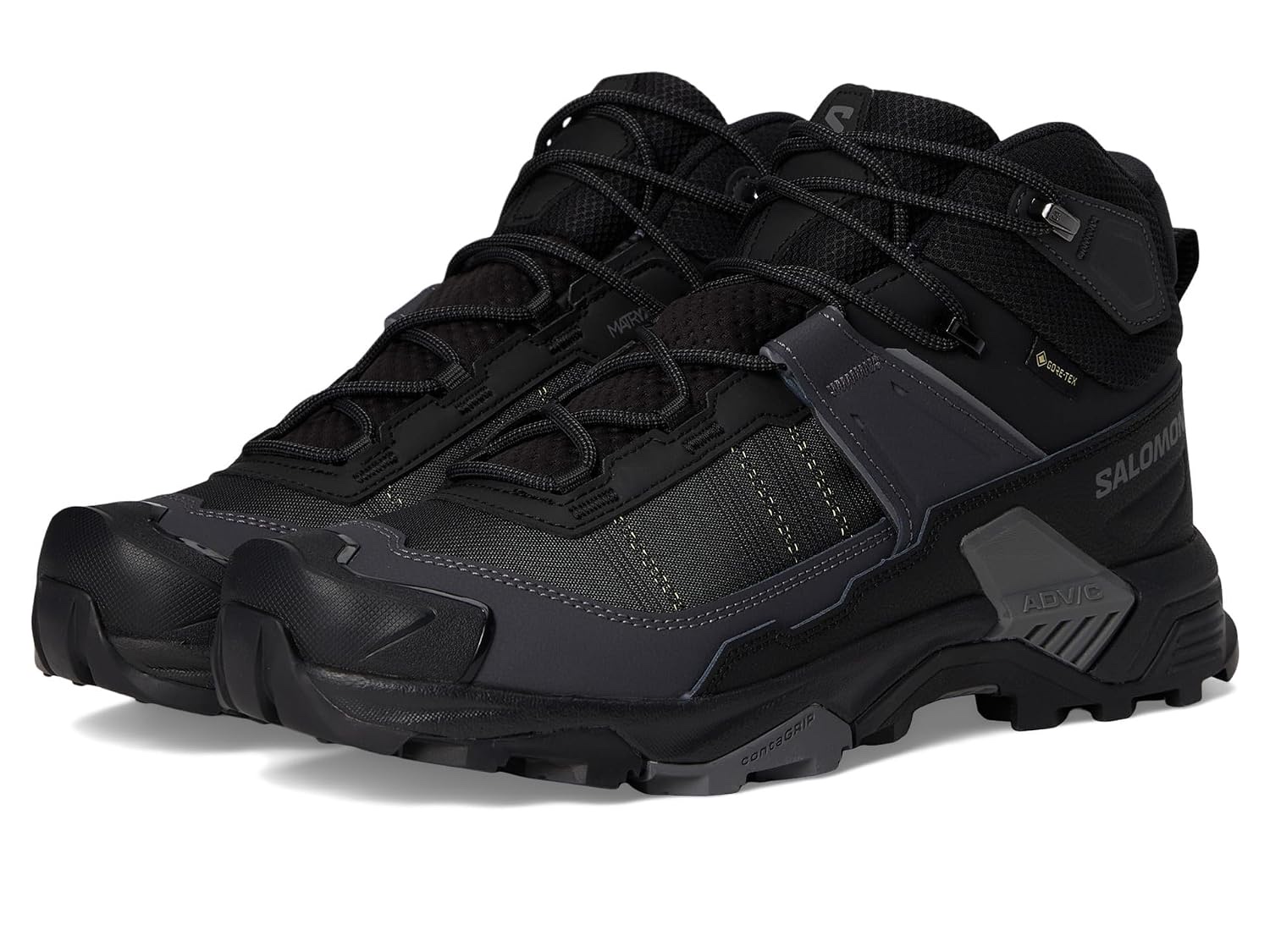
Salomon X Ultra 5 Mid GTX
Best for: Day hikers needing wet-weather protection and a secure foothold on uneven trails.
A supportive waterproof hiking shoe for mixed terrain, wet mornings, and hikers who prefer agility over a heavy boot.
Boots win: a mid-height waterproof boot for rough, wet trails
- Waterproof protection for wet mornings
- Supportive mid-cut fit for uneven ground
- Agile feel without a heavy boot
- You want a soft road-running feel, wide unstructured toe space, or a non-waterproof summer shoe.
3. When do shoes win?
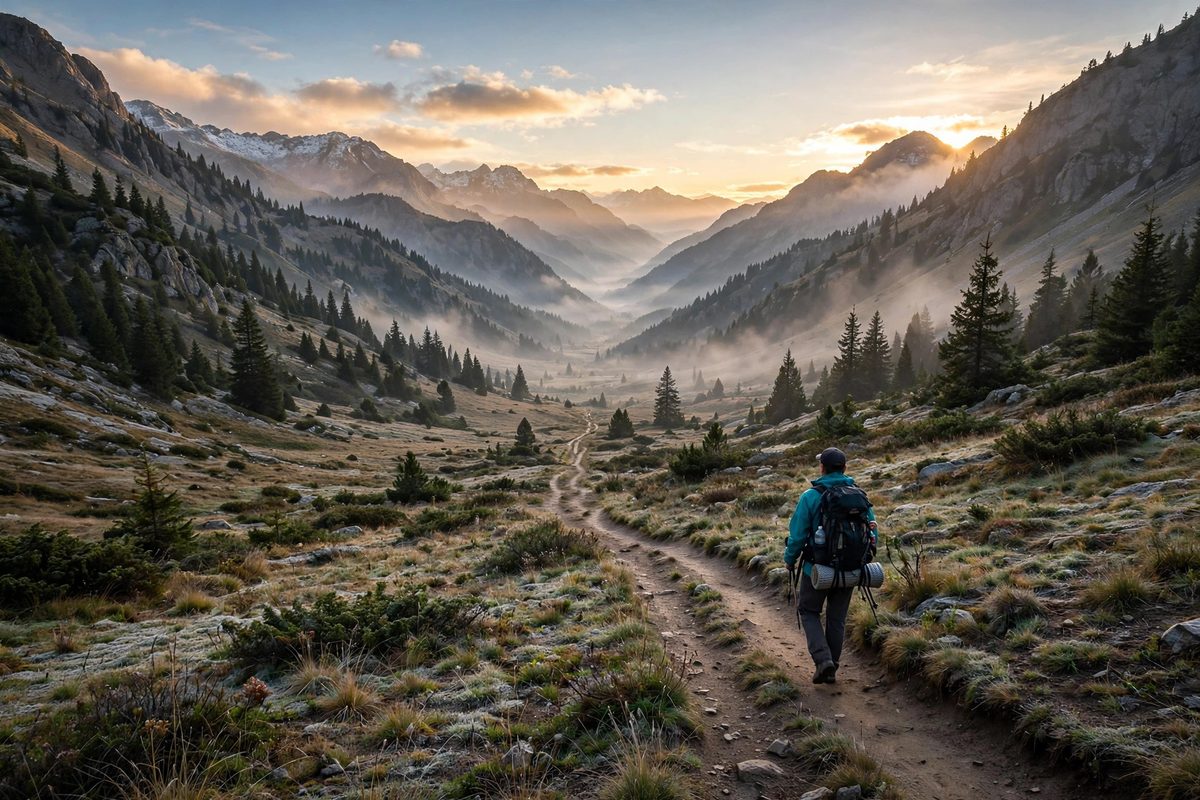
Shoes win on smooth, dry, well-maintained trails with a light pack, where their low weight and flexibility let you walk faster and farther with less fatigue. On a graded path in good weather, a shoe does everything a boot does — and your legs notice the difference by mile ten.
That is why many long-distance hikers now walk in trail shoes: fewer blisters from stiff leather, feet that dry fast after a stream, and a pair you can wear straight out of the box. Keep the pack light — a well-chosen daypack helps — and start with the best hiking gear for beginners if you are building your kit from scratch.
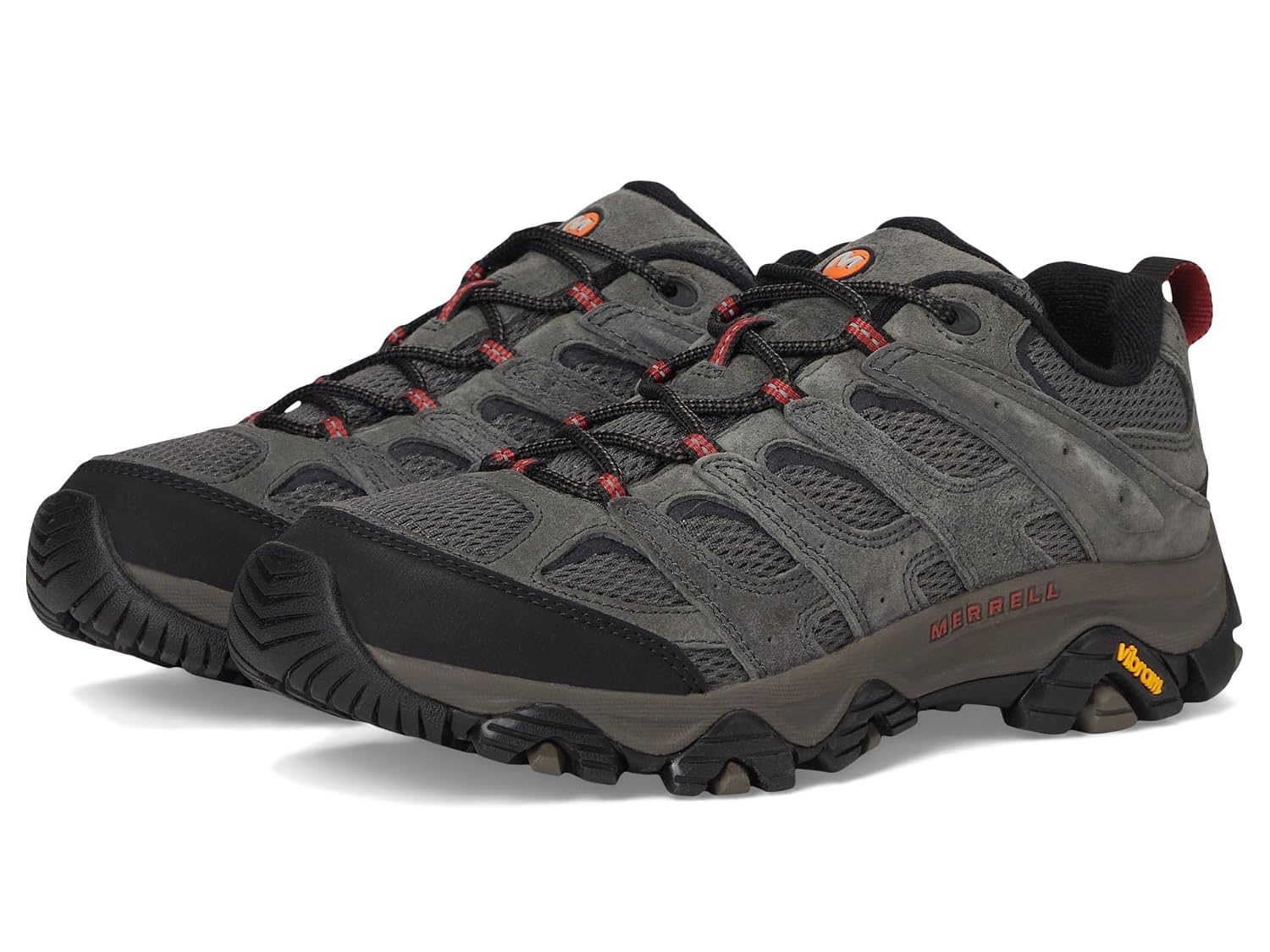
Merrell Moab 3
Best for: Hikers who want a forgiving, comfortable shoe that breaks in easily and works on most trails.
A familiar leather-and-mesh hiking shoe for buyers who value comfort, durability, and an easy break-in curve.
Shoes win: a light, breathable trail shoe for fast, dry miles
- Forgiving fit that suits real hiking socks
- Easy break-in curve for new hikers
- Leather-and-mesh upper for durability
- You need a very light fast-hiking shoe or a narrow technical fit.
4. Does weight on your feet really matter?
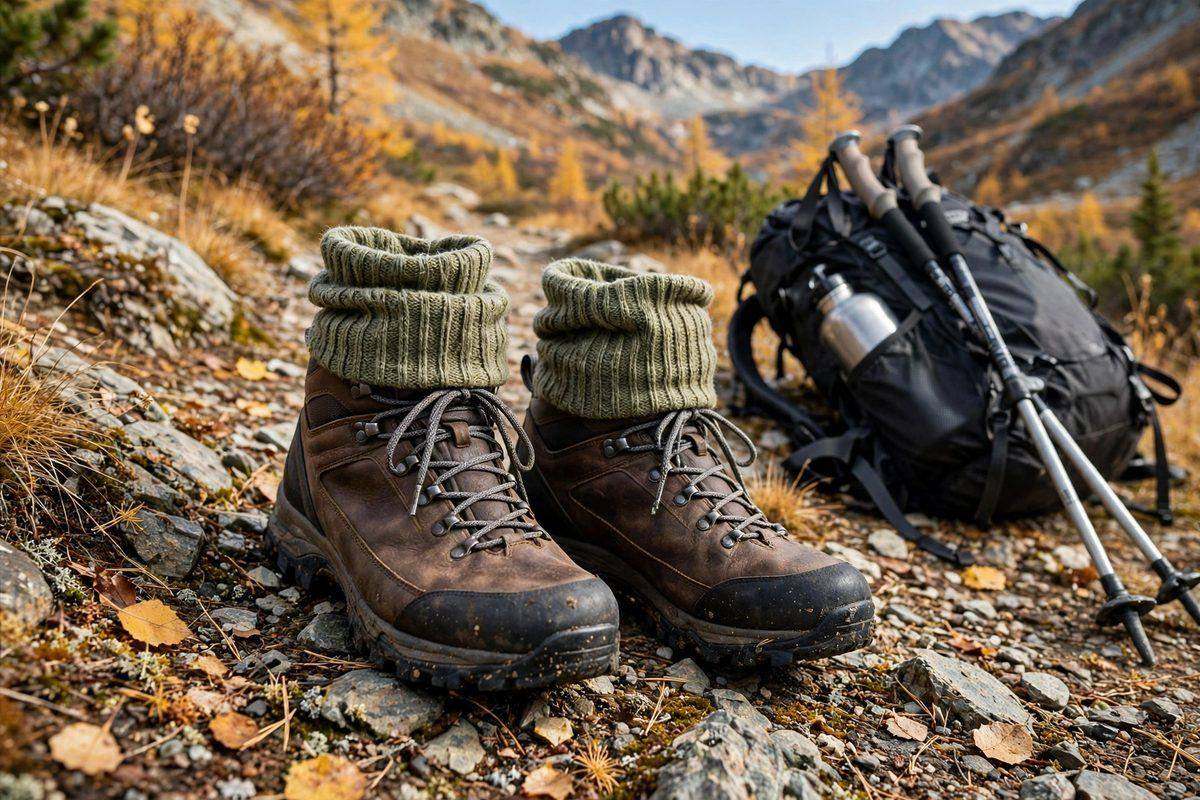
Yes — weight on your feet costs more energy than the same weight on your back, and the old rule of thumb says a pound on the feet feels like about five on the back. It is only a rule of thumb, not a measured fact, but every hiker who has swapped heavy boots for light shoes has felt the direction of it.
Over a long day the difference adds up: heavier footwear means more effort with every step, and tired legs make more mistakes. That does not mean always choosing the lightest pair — protection is worth weight on rough ground — but it does mean weighing the trade-off honestly. The best lightweight hiking gear guide shows where grams are worth saving and where they are not.
5. Is ankle support real — or a myth?
Ankle support is partly real and partly myth: a stiff, high boot can limit how far your ankle rolls, but no boot prevents a sprain, and strong ankles matter more than tall uppers. A boot helps most on uneven ground where your foot lands at odd angles; it cannot save an ankle that lands badly with full body weight behind it.
The honest picture is mixed: some hikers with weak or previously injured ankles do feel steadier in boots, while others find that boots make their ankles lazy over time. Some hikers also tape their ankles for extra confidence on rough ground — tape and a good boot both help a little, neither is a guarantee. Strengthen your ankles with balance work, watch your footing, and use poles on rough descents. Our hiking safety checklist covers the rest of the preparation.
6. Waterproof boots or quick-dry shoes?
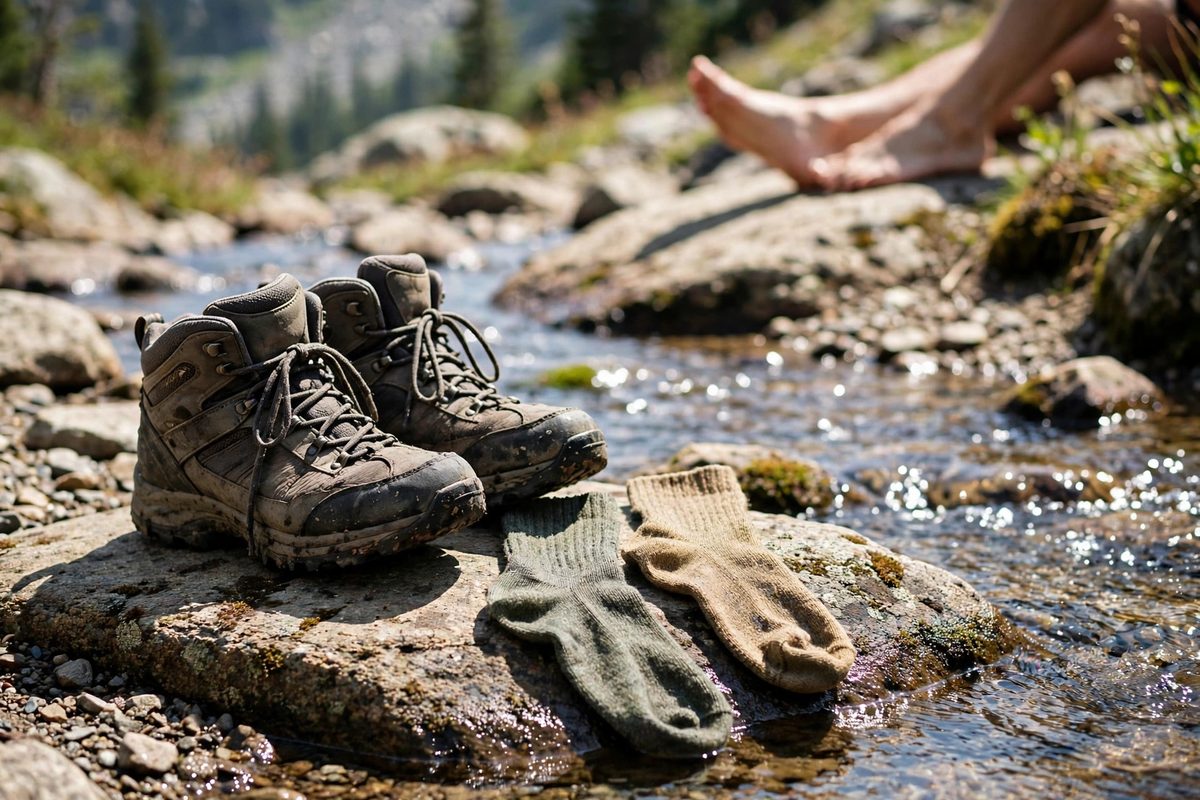
Waterproof boots keep water out in mud, snow and shallow crossings, but once water gets in over the collar they stay wet for hours — while quick-dry shoes drain and dry fast. So the question is not which is better, but which kind of wet you expect.
In cold, wet weather a waterproof boot with gaiters keeps your feet warm and dry all day; in warm rain, a mesh shoe that soaks and then dries in an hour is often more comfortable than a boot full of trapped sweat and water. Match the footwear to the season: waterproof for cold and snow — see winter hiking safety — quick-dry for warm, wet trails.
7. Blisters and break-in: boots vs shoes
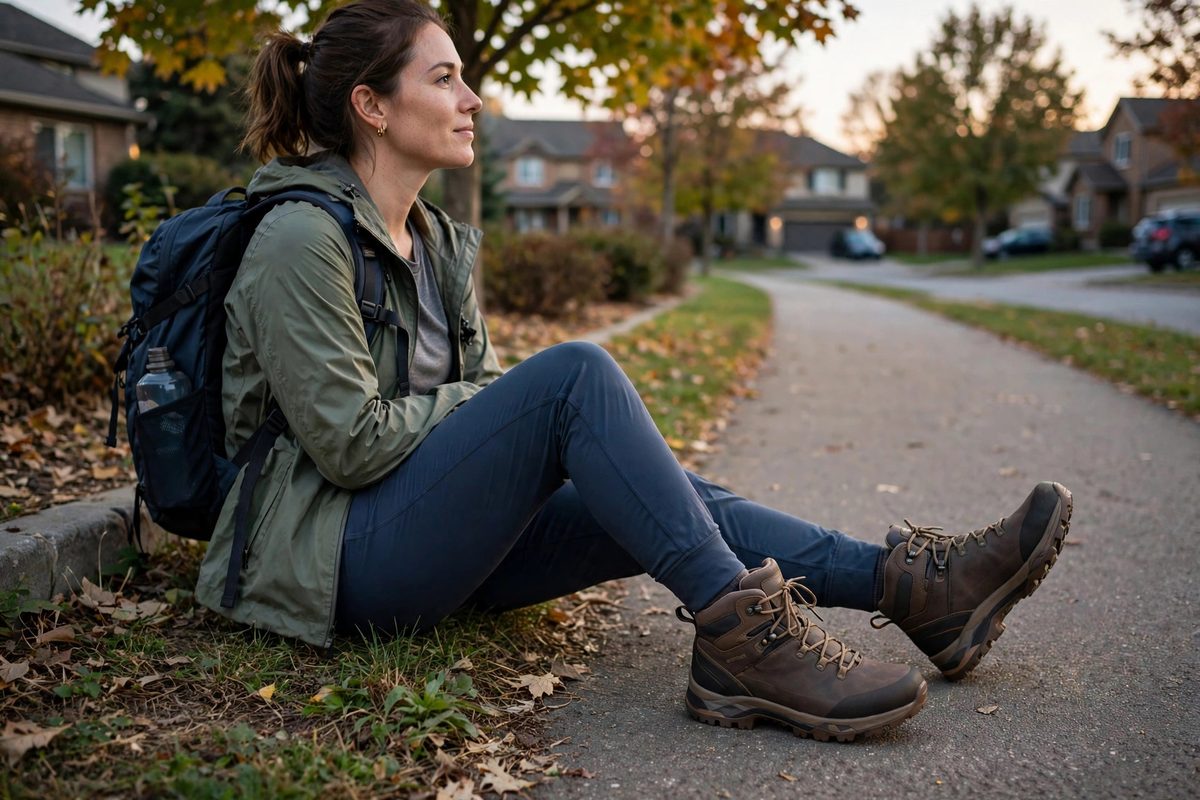
Shoes usually blister less at first because they need almost no break-in, while stiff boots can rub until they soften — but a well-fitted boot that is broken in is no more blister-prone than a shoe. The first miles are where the difference lives, not the hundredth.
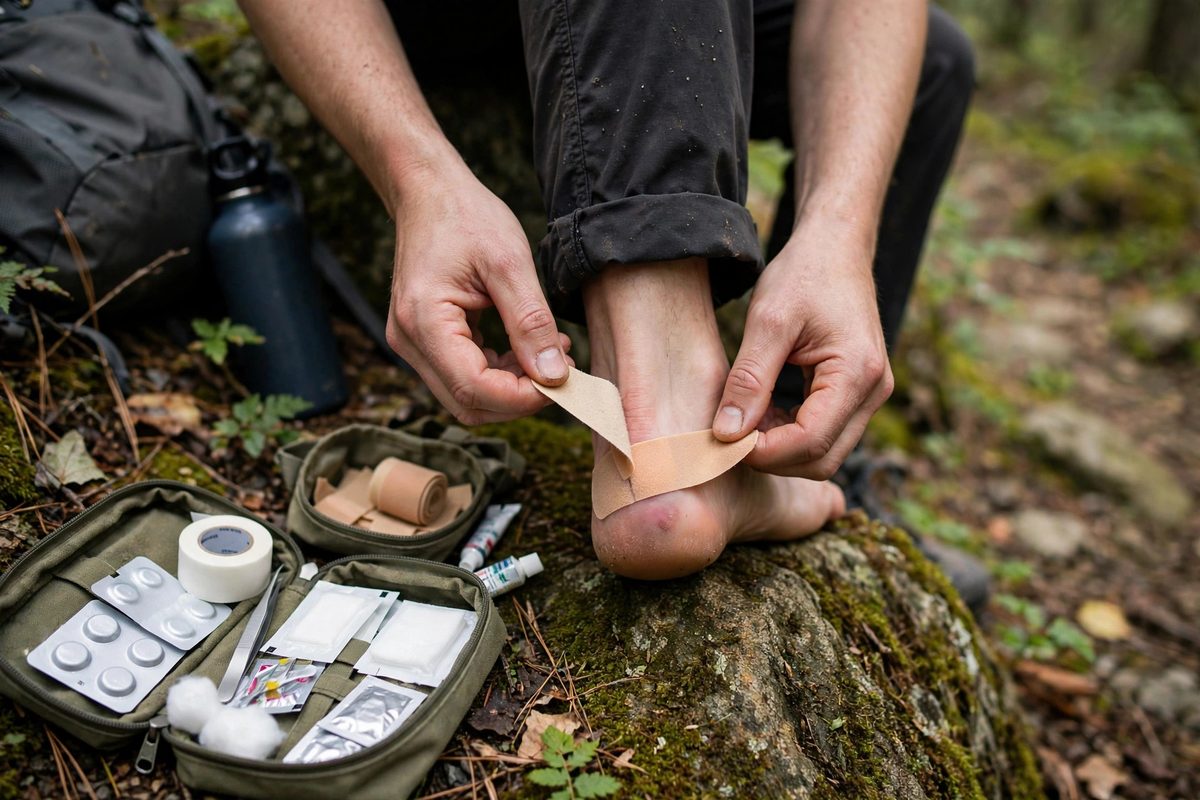
Break boots in with short walks that grow longer, and stop at the first hot spot: tape it, adjust the lacing, or change socks before it becomes a blister. Shoes skip most of this, which is why they suit hikers who want to walk far on day one. Our guide to preventing blisters on long hikes covers taping, lacing and sock choices in detail.
8. Socks and fit: what changes with each?
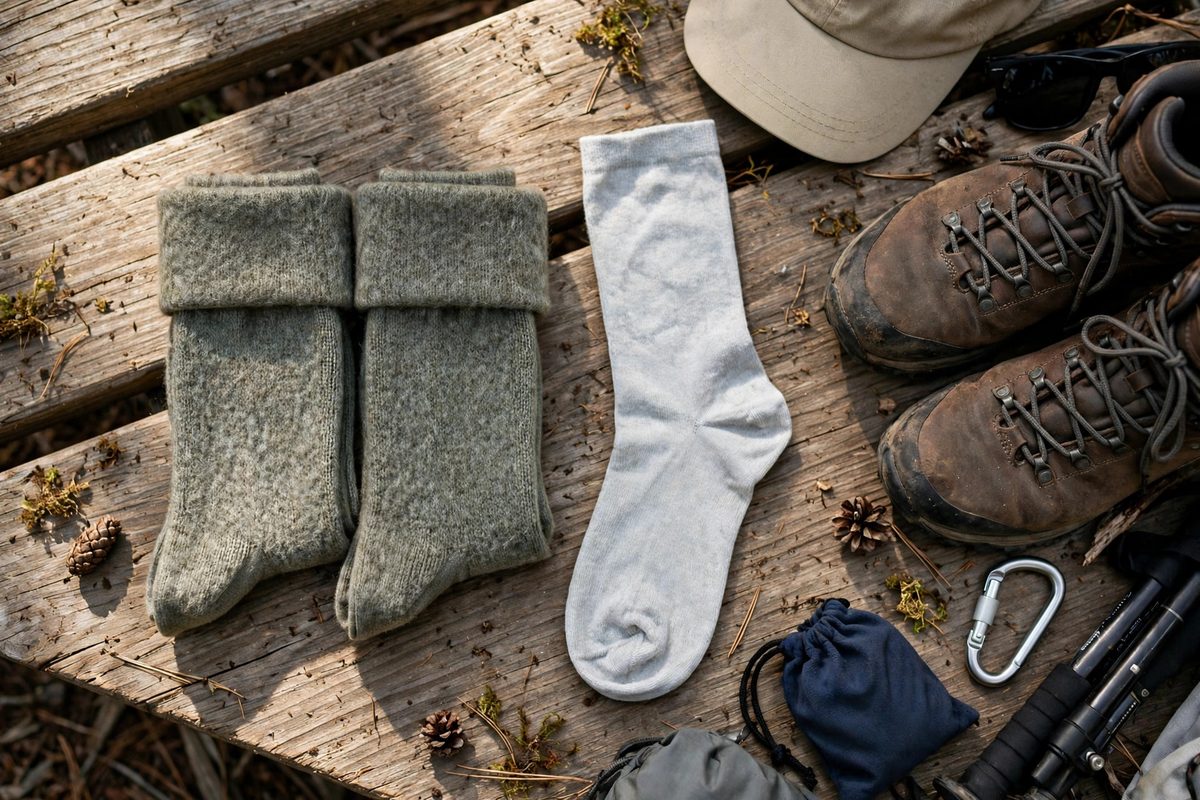
Fit rules are the same for boots and shoes — a thumb's width at the toe, no heel lift, no pressure points — but boots demand thicker socks and more break-in time, while shoes fit closer to your everyday size. The sock is part of the fit, not an afterthought.
Always try footwear on with the socks you will hike in, late in the day when your feet are slightly swollen, and walk uphill and downhill in the shop: toes should not hit the front on the way down, and heels should not lift on the way up. Lacing fixes a lot — heel-lock lacing stops heel slip in both boots and shoes. See how hiking boots should fit for the full fitting check.
9. How to decide: a five-question test
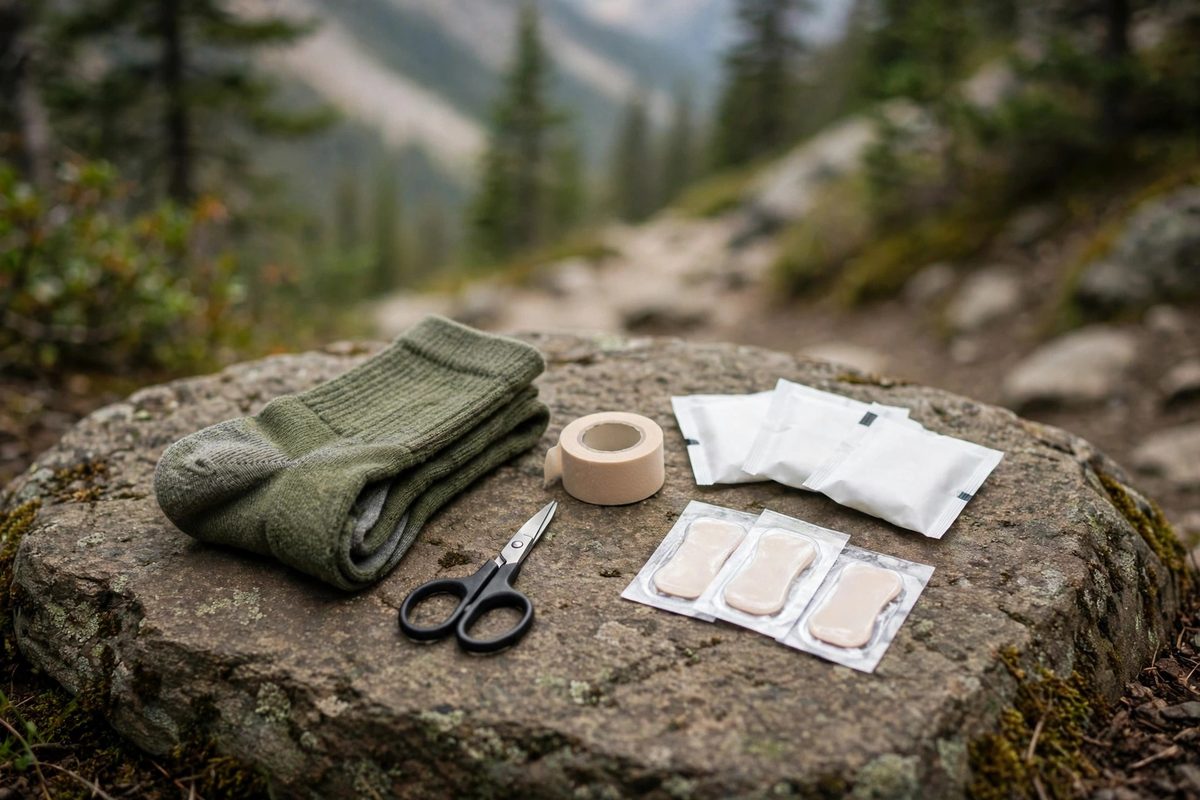
Answer five questions — terrain, pack weight, weather, distance and your ankles — and the winner is usually obvious: rough or heavy means boots, smooth and light means shoes. Score each one honestly and the pair picks itself.
Is the trail rough, steep or off-trail? Is your pack heavy? Is it cold, wet or snowy? Are you walking long days? Do your ankles need help? Three or more yes answers point to boots; mostly no answers point to shoes. If you are still torn, buy for the trails you hike most, not the hardest trail you might hike one day — and check the best hiking gear for beginners before you spend.
Frequently asked questions
Should beginners hike in boots or shoes?
Start with whichever fits best on the trails near you. For easy, well-marked paths in good weather, light trail shoes are the friendlier first pair — no break-in and less fatigue. If your local trails are rocky, steep or wet, start with mid-height boots instead.
Are hiking shoes OK for mountain trails?
Yes, on maintained mountain trails in dry weather with a light pack. Shoes struggle where the trail turns to scree, mud or snow, or where a heavy pack needs a stiff sole — that is boot country. Check the trail conditions before you choose.
Do I need waterproof hiking boots?
Only if you hike in cold, wet or snowy conditions, or cross streams often. In warm weather, waterproof boots trap sweat and stay wet once water gets in; a quick-dry shoe is often more comfortable. Gaiters help either way.
Can I hike in running shoes?
On easy, dry, smooth trails, yes — many hikers do. Running shoes lack the grip, rock protection and durability of trail shoes, so avoid them on steep, rocky or muddy ground, and expect them to wear out faster.
How much heavier are boots than shoes?
Typically a pair of boots weighs about a pound or more than a comparable pair of trail shoes — sometimes double. The gap matters most on long days, which is why fast hikers and long-distance walkers usually choose shoes.
Do boots really prevent twisted ankles?
No boot prevents a twisted ankle. A stiff, high boot can limit how far the ankle rolls and feels steadier on uneven ground, but strong ankles, good balance and careful footing matter more. If your ankles are weak or injured, boots plus poles are the safer combination.
How do I break in new hiking boots?
Wear them around the house first, then take short walks that grow longer over one to two weeks, in the socks you will hike in. Stop at the first hot spot and tape it. Never take brand-new boots on a long hike — blisters on day one can end the trip.
Useful Sources and Verification
Use these source types to check current details for the area you plan to visit.
- Current weather, river-level and trail-condition information from the land manager or park authority for the area you plan to visit
- Manufacturer guidance for the exact rain gear named in this guide, including waterproof ratings, care and reproofing
- Hypothermia and lightning safety guidance from national outdoor and mountain safety organisations
Affiliate disclosure: Hiking Gear Shop participates in the Amazon Associates program. If you buy through a link on this page, we may earn a commission at no extra cost to you. Prices and availability can change — check the listing before you buy.