Backpack size is measured in liters, but the right number depends on your trip, your gear and your body — not on the biggest pack you can afford. This guide matches liters to trip length, explains why torso size matters as much as volume, and shows when a bigger pack quietly makes your hike worse.
Choose 15–25 liters for day hikes, 35–45 liters for one night, 45–55 liters for a weekend and 55–65 liters for multiday trips, adding about 10 liters for winter gear. Then match the pack's torso size to your measured torso length — volume gets your gear in, but torso fit decides whether you can carry it comfortably.
Position and Plan
Position: A sizing guide that matches backpack volume in liters to trip length, season and gear bulk, and explains how torso size and volume work together.
Plan: Work from day hikes to week-long trips, adjust for winter and bulky gear, account for food and water volume, and learn the signs that a pack is too big before you buy.
Backpack size by trip length
| Topic | What to do |
|---|---|
| Day hike (2–5 hours) | 15–25 liters — water, snacks, a layer and the essentials. |
| Long day hike / cold weather | 25–35 liters — room for extra layers, food and safety gear. |
| One night (overnight) | 35–45 liters — sleep kit, shelter and one day of food. |
| Weekend (2–3 days) | 45–55 liters — two to three days of food and warmer layers. |
| Multiday (3–5 days) | 55–65 liters — the classic backpacking size for most trips. |
| Week or longer | 65–75 liters — a week of food, or bulky winter and group gear. |
| Winter trips | Add about 10 liters to the summer size for insulated gear. |
| Ultralight gear | Compact modern gear can drop you one size below these ranges. |
| Torso size | Always match the pack's torso range to your measured torso length. |
1. What size hiking backpack do I need?
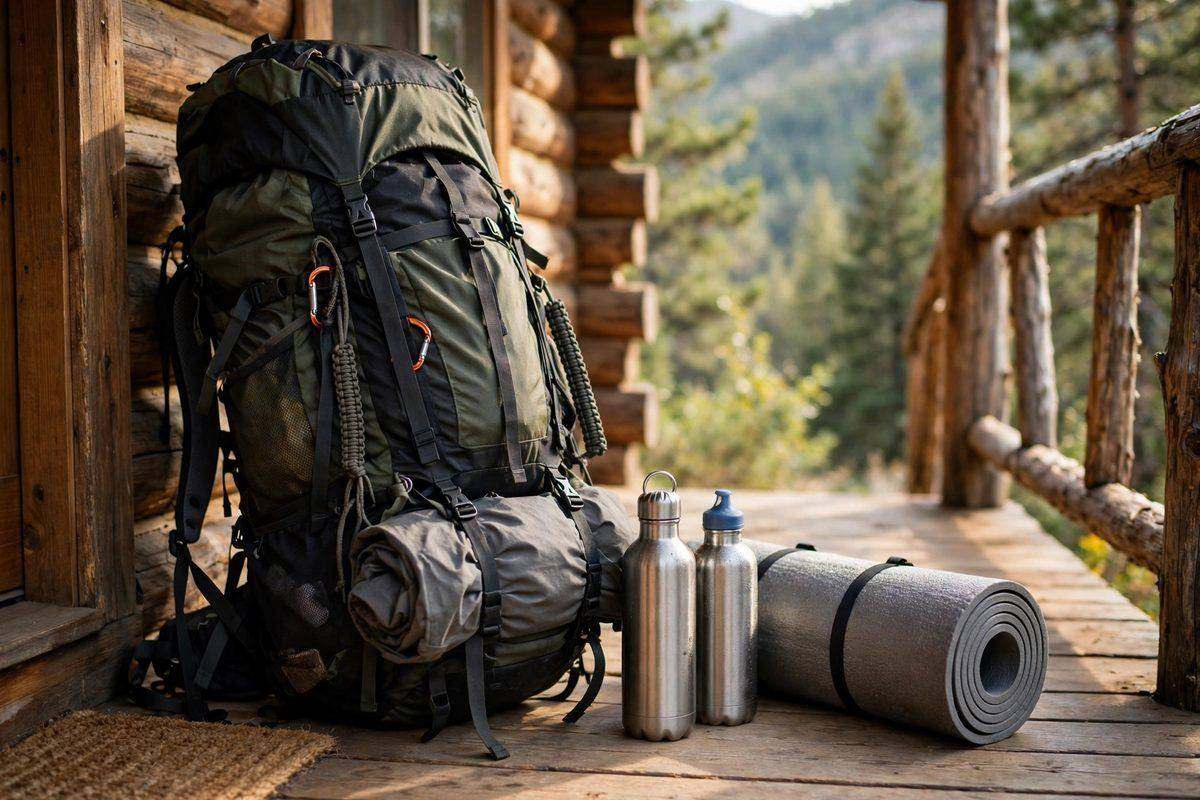
Match the liters to your longest regular trip: 15–25 liters for day hikes, 35–45 liters for one night, 45–55 liters for a weekend and 55–65 liters for multiday trips of three to five days. Those ranges assume typical modern gear; bulky older gear and winter insulation push you up a size, while compact ultralight gear can drop you one. Buy for the trips you actually take, not the expedition you might take one day.
Volume is only half of sizing. The other half is torso length: a 65-liter pack in the wrong torso size will hurt no matter how well your gear fits inside it. Measure your torso and fit the pack properly using our guide to fitting a hiking backpack, then use this guide to pick the volume. Right volume plus right torso is the whole formula.
2. How many liters do I need for a day hike?
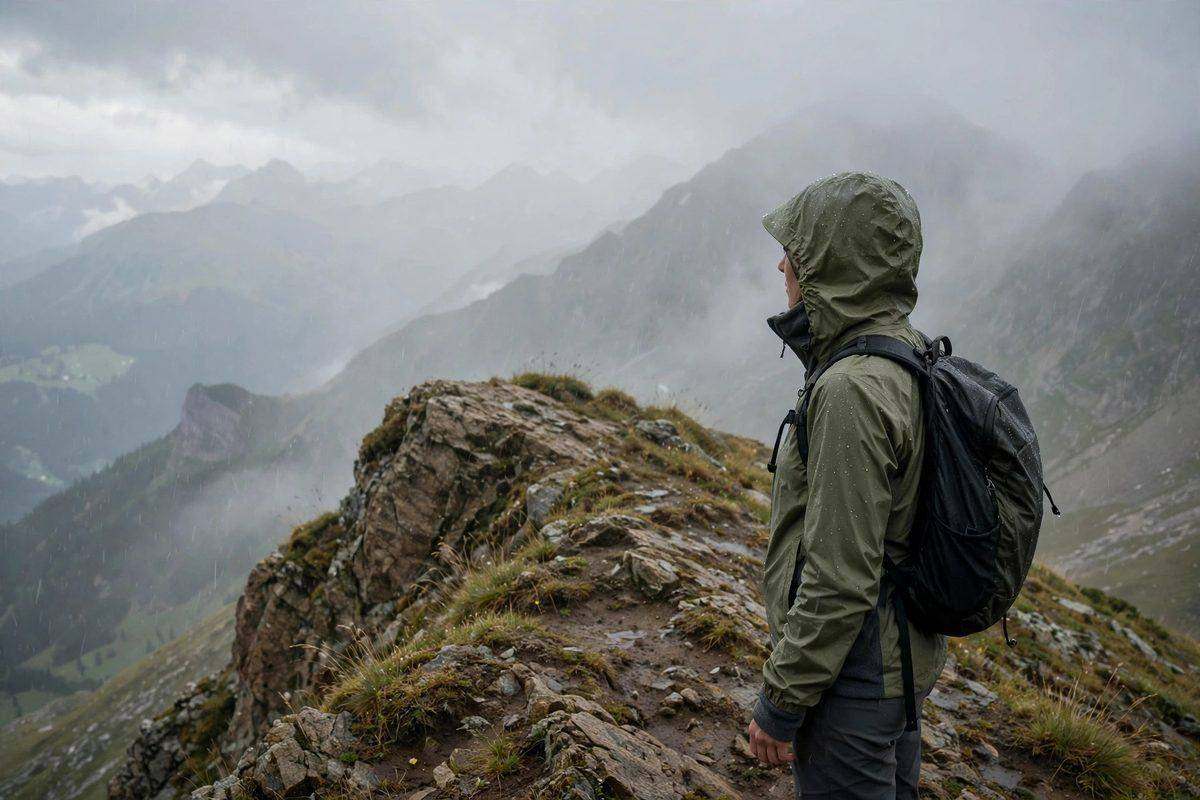
Most day hikers need 15–25 liters: enough for water, snacks, a warm layer, rain gear, a first-aid kit and the small essentials, with a little room to spare. A 22-liter pack is the sweet spot for most people — big enough for a full day out, small enough that you will not fill it with things you do not need. In cold weather or on long days, step up to 25–35 liters for the extra layers and food.
A daypack that is too big is a quiet trap: empty space invites extra weight, and a half-empty large pack carries badly unless it has good compression straps. Choose the smaller size that still fits your kit with the lid closed properly. Our daypack guide walks through features, fit and volume for day hikes in detail.
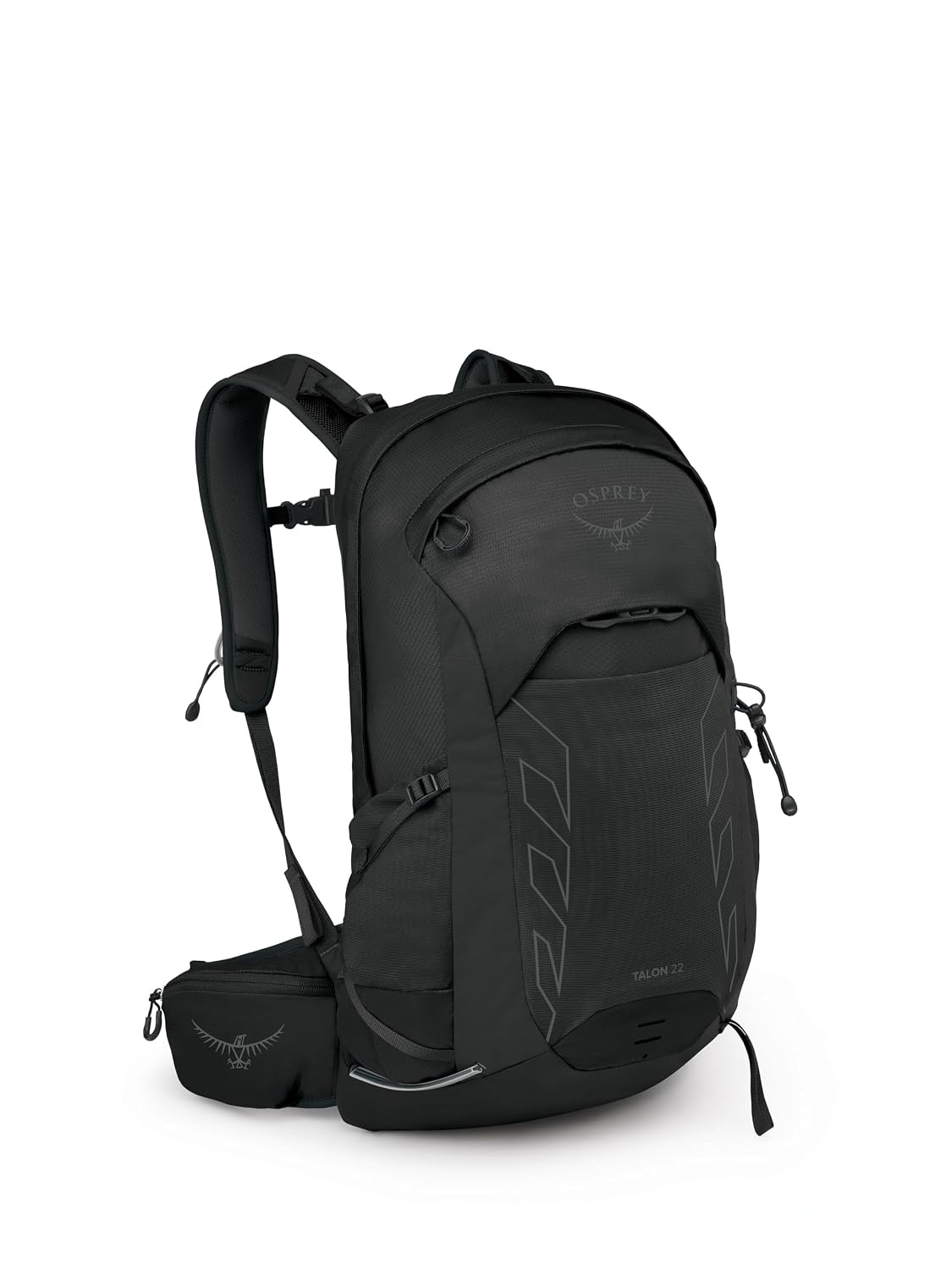
Osprey Talon 22
Best for: Day hikers and fast packers who want a ventilated pack that carries close to the body.
A lightweight day pack with a stable, breathable carry for long days on the trail.
A 22-liter daypack sized for day hikes with water, layers and essentials
- Ventilated back panel for hot days
- Stable fit that moves with you
- Room for layers, food and water
- You need a full overnight load or a bigger main compartment.
3. How many liters do I need for one night?
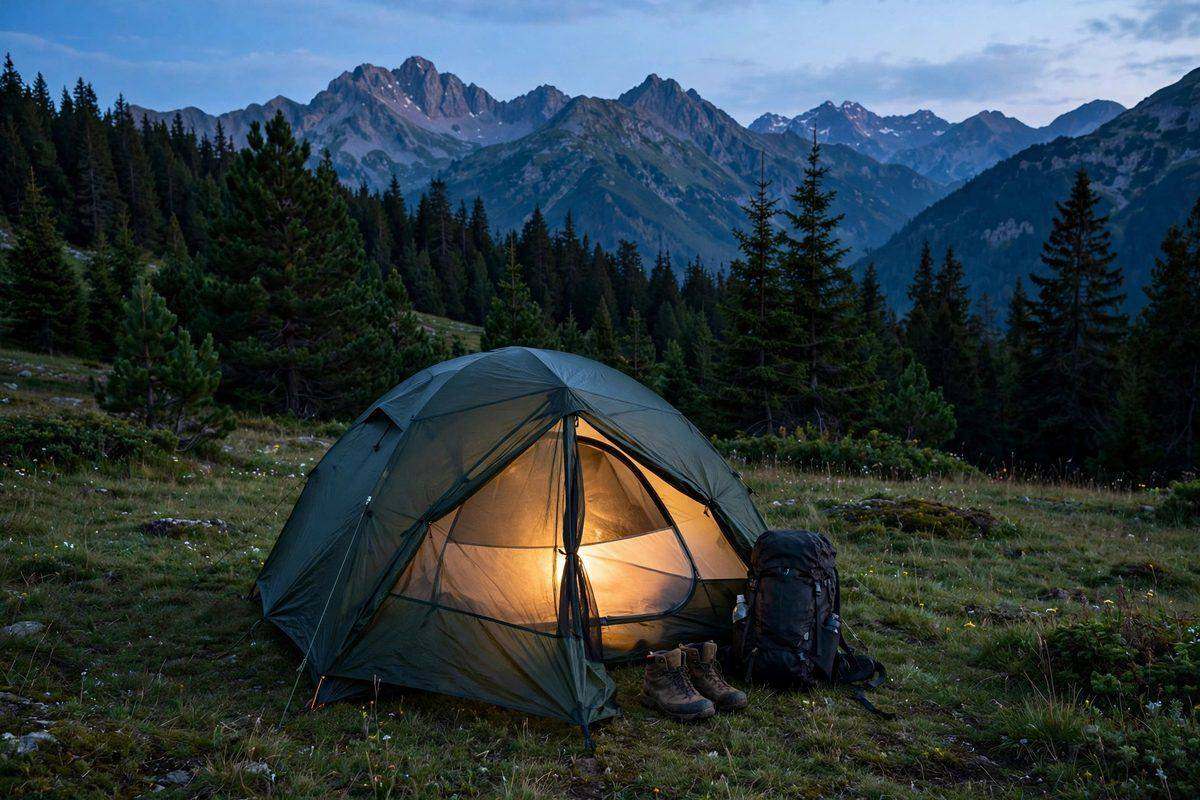
One night out needs 35–45 liters for most hikers: a sleeping bag and pad, a tent or shelter share, one day of food, water and a warm layer fill a pack in that range comfortably. With compact modern gear — a down sleeping bag, an inflatable pad and a light tent — many hikers manage a summer overnight in 30–35 liters, but 35–45 liters is the safe, comfortable range for a first overnight pack.
The jump from daypack to overnight pack is mostly the sleep kit and shelter, which are bulky even when they are light. Lay your overnight gear out before you buy and check it against our first overnight packing list — if your pile matches that list, a 40-liter pack will swallow it without a fight. Food for one night adds surprisingly little volume; it is the sleeping bag that decides.
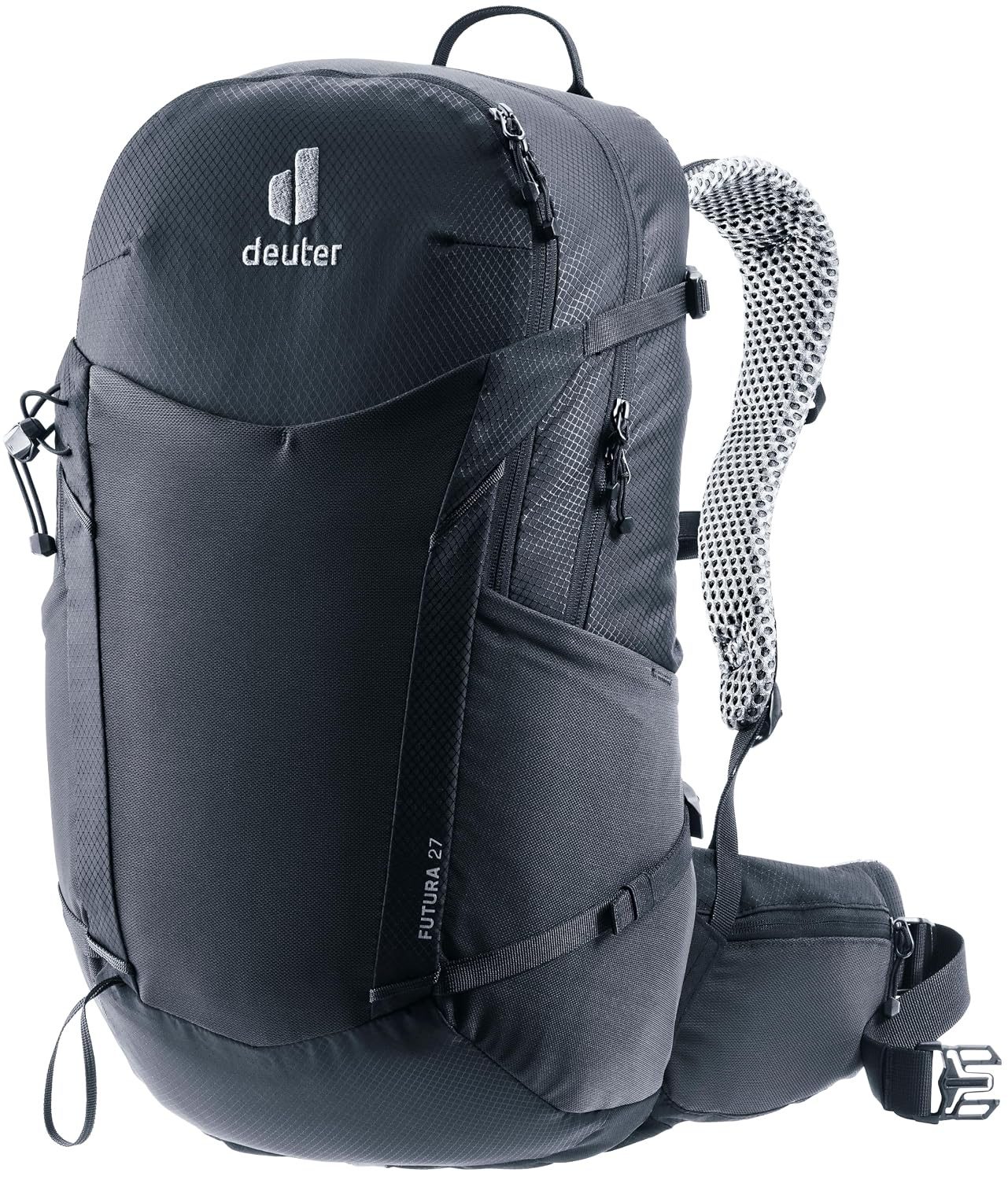
Deuter Futura 27
Best for: Day hikers who want airflow and easy access on longer day routes.
A ventilated day pack with a comfortable carry for all-day hikes in warm weather.
A 27-liter ventilated pack that suits fast overnight trips with compact gear
- Strong back ventilation
- Comfortable carry for a full day
- Easy access to the main compartment
- You want the smallest, simplest summit pack.
4. How many liters do I need for a multiday trip?
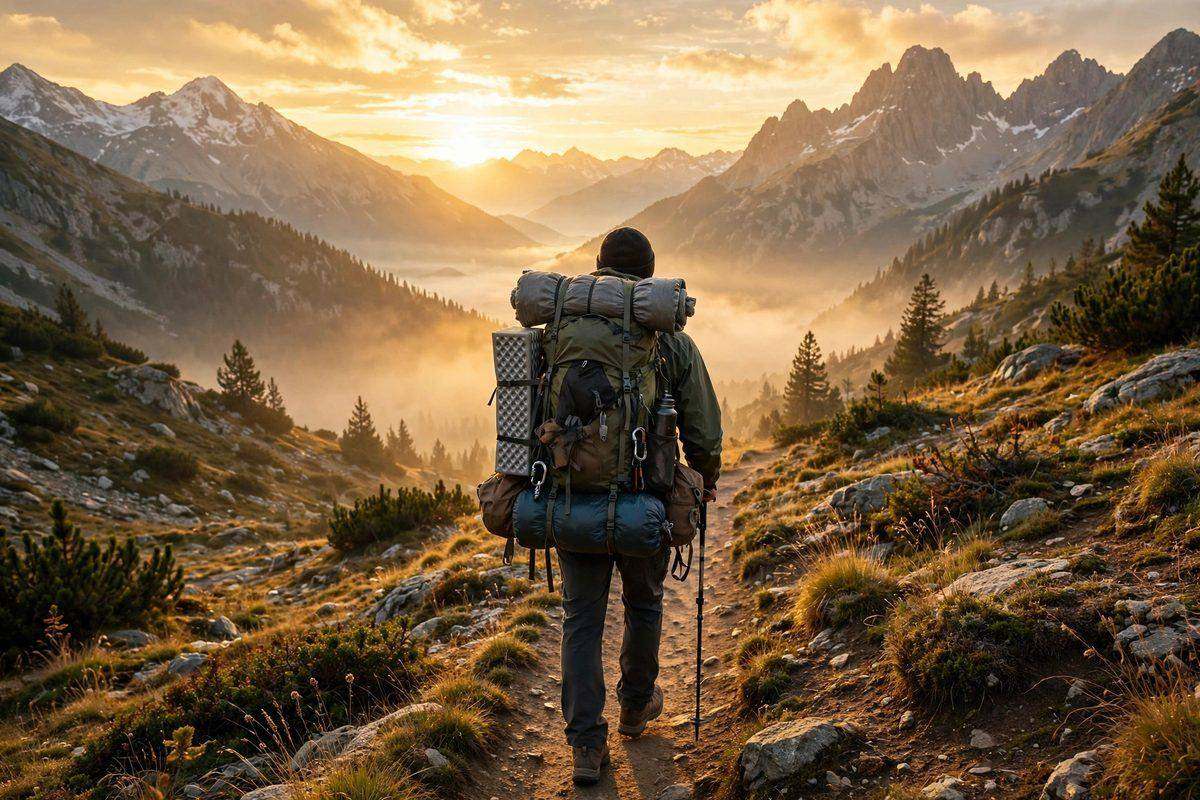
For three to five days, 55–65 liters is the classic backpacking size — it is the range most multiday packs are built around, including 65-liter models that have carried generations of hikers. A weekend of two to three days fits in 45–55 liters, while a week or longer, or trips where you carry group gear, call for 65–75 liters. Food is the main driver: each extra day adds roughly a day of meals to the volume.
Resupply changes the maths: if you can buy food every two or three days, you never carry more than that, and a 50-liter pack can walk a long trail happily. Without resupply, count your food days honestly and size up. Our packing guide shows how to make a given volume carry well once you have chosen it.
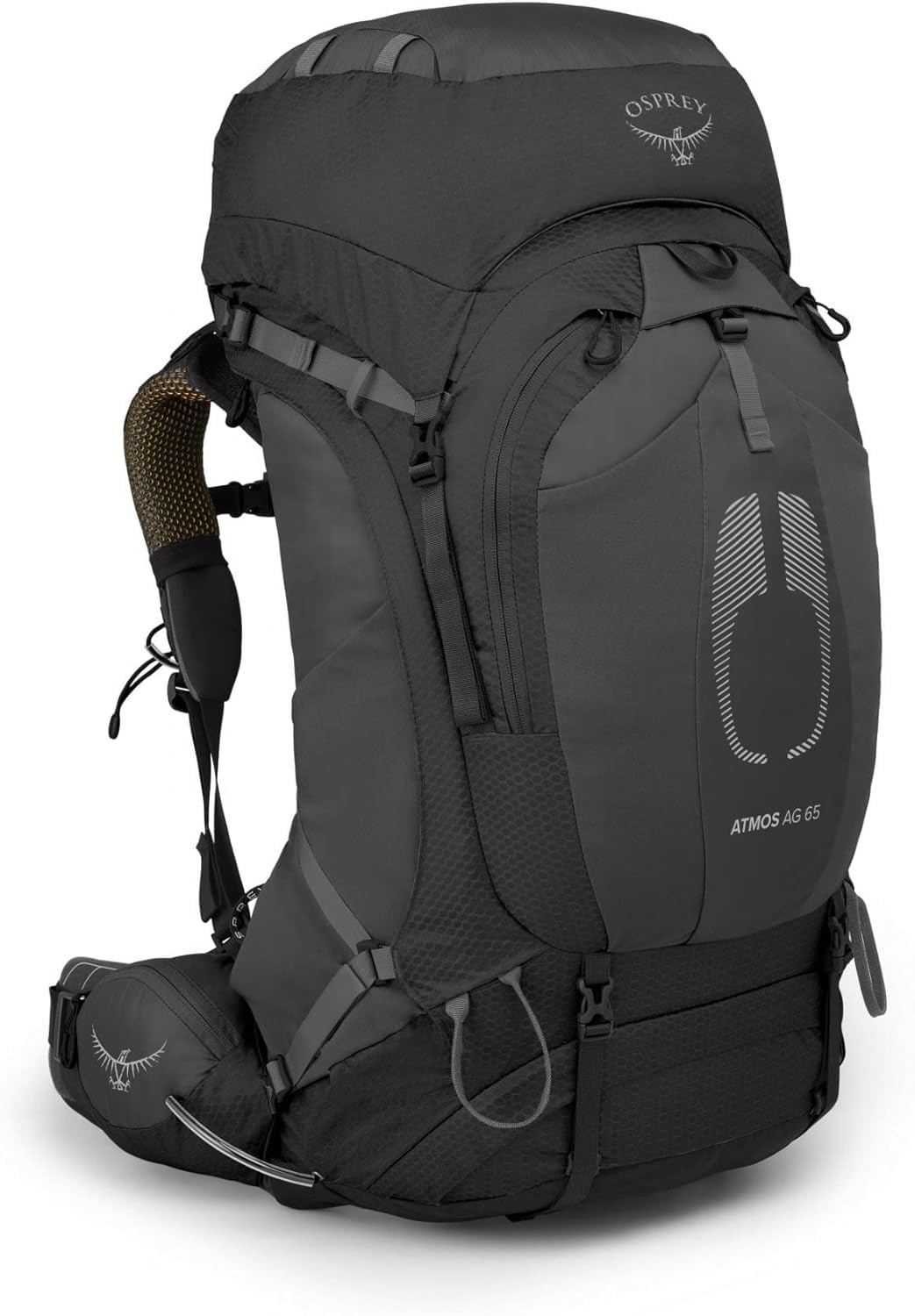
Osprey Atmos AG 65
Best for: Backpackers who carry multi-day loads and want the weight to sit comfortably.
A ventilated multi-day backpack with a load-carrying suspension for longer trips.
A 65-liter multiday pack sized for three to five days with food and shelter
- Ventilated suspension for heavy loads
- Comfortable fit across long days
- Good organisation for multi-day trips
- You want a frameless pack or the lightest possible base weight.
5. Does torso size matter more than liters?
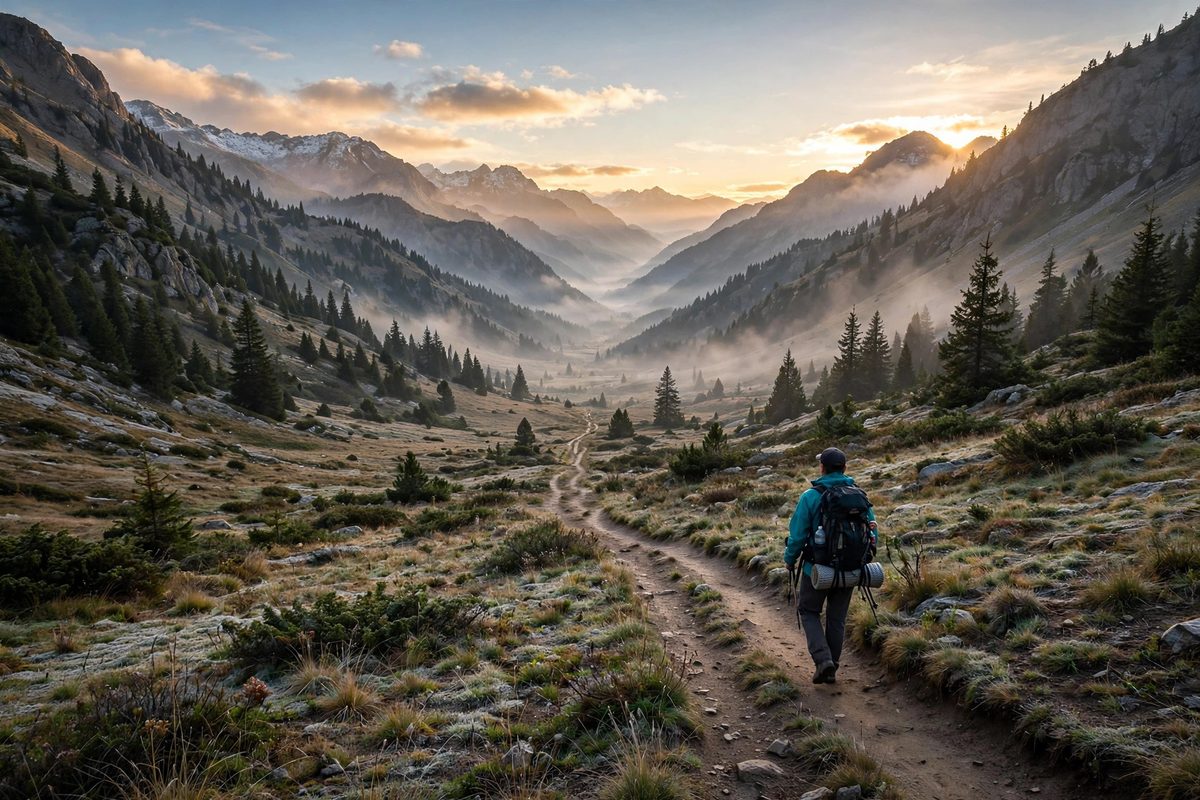
They matter equally, but they fail differently: too few liters means gear strapped outside and a lid that will not close, while the wrong torso size means pain no matter how neatly everything packs. Torso size is measured from the base of your neck to the top of your hip bones, and every pack size covers a torso range — your measurement should sit in the middle of that range, not at its edge.
This is why two packs with identical liters can fit completely differently, and why trying a pack loaded matters more than reading its volume. Measure first, shortlist packs whose torso range fits you, then choose among them by liters. Our backpack fitting guide covers the measurement and the strap order step by step.
6. How does bulky gear change the size I need?
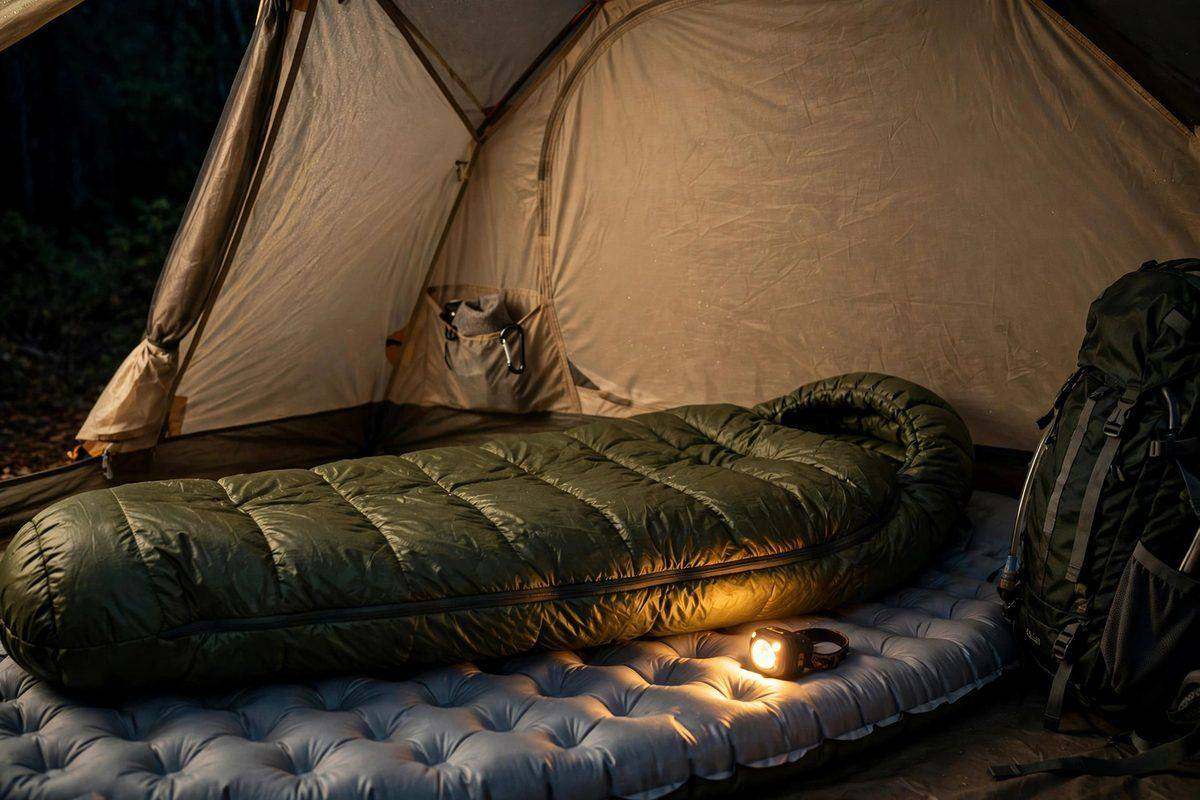
Bulk, not weight, fills a pack. A synthetic sleeping bag, a foam pad and a bulky fleece can add a full size to the pack you need, while a down bag, an inflatable pad and compressible layers can drop you a size. Winter gear is the extreme case: insulated jackets, a warmer sleeping bag and extra layers are why winter trips usually need about 10 liters more than the same trip in summer.
Before buying, pile up the actual gear for your longest trip and estimate its packed volume honestly — or take it to a shop and pack the candidate packs. Compression sacks help, but crushing insulation flat every night shortens its life, so leave the sleeping bag its reasonable space. If your pile only fits by sitting on the lid, the pack is a size too small.
7. How much room do food and water take?
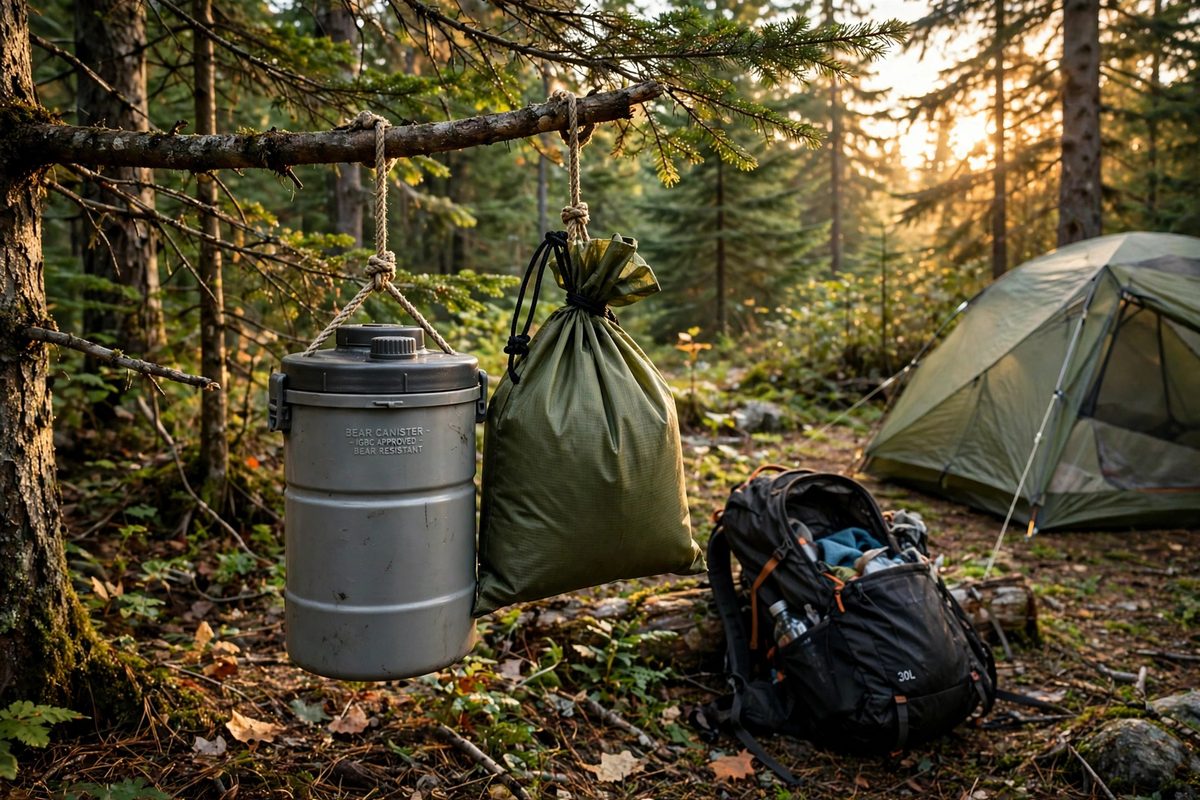
Food takes roughly 1–2 liters of pack volume per day once it is repackaged out of boxes, and a bear canister — required in some areas — takes several liters more and cannot be compressed at all. Water is heavy rather than bulky: a liter of water weighs a kilogram, and most packs carry it in side pockets or a reservoir sleeve that sits outside the main volume count.
Count food days, not trip days: a five-day trip with a resupply on day three only ever carries three days of food. Where a canister is required, check it fits inside the pack body before buying — it is the single most common reason a pack that should fit does not. See what to eat on a hike for food that packs small.
8. When is a backpack too big?
A pack is too big when it is regularly half-empty, when you catch yourself adding weight just because there is room, or when the load shifts and sags because compression straps cannot take up the slack. Extra liters do not just invite extra gear — they move the load away from your back and make the carry worse. A pack filled to about 80–90% of its volume, with the lid closing cleanly, carries best.
The honest test is your real kit list: pack your longest trip's gear and see how the candidate pack handles it. If everything fits with the lid floating high and straps dangling, go a size down. Smaller and full beats bigger and half-empty on every trail. Our lightweight gear guide shows how lighter kit shrinks the pack you need.
9. How do I choose between two sizes?
If your gear fits the smaller size with the lid closing cleanly and nothing strapped outside, choose the smaller size — it will carry closer to your back and stop you overpacking. Choose the larger size only if you regularly carry winter gear, group equipment, or a bear canister, or if your longest trips have no resupply. When in doubt, pack both sizes with your real gear in the shop and walk around loaded.
Also weigh the torso ranges: if your torso measurement sits at the top of the smaller pack's range and the middle of the larger pack's range, fit wins over volume — take the larger. A pack that fits your torso and is slightly roomy beats a perfectly sized volume that hurts. Finish with the loaded fit test in our fitting guide before you pay.
Frequently asked questions
What size backpack do I need for hiking?
15–25 liters for day hikes, 35–45 liters for one night, 45–55 liters for a weekend and 55–65 liters for multiday trips of three to five days. Add about 10 liters for winter gear, and always match the pack's torso range to your measured torso length.
Is a 65-liter backpack too big?
Not for multiday trips — 65 liters is the classic backpacking size for three to five days with food and shelter. It is too big if you mostly do day hikes or overnights, because a half-empty pack carries badly and invites extra weight. Size the pack to your longest regular trip.
How many liters is a good daypack?
15–25 liters covers most day hikes: water, snacks, a warm layer, rain gear and the essentials. Choose 25–35 liters for long days or cold weather when extra layers and food need room. A 22-liter pack is the sweet spot for most day hikers.
How do I know my backpack torso size?
Measure from the C7 vertebra at the base of your neck to the level of the top of your hip bones, following the curve of your spine. Compare that measurement with the pack maker's torso range and pick the size where it sits in the middle of the range.
Should I buy a bigger backpack for future trips?
Only if those trips are realistic and soon. A pack bought for a hypothetical expedition will be half-empty and carry badly on the trips you actually take. Buy for your longest regular trip; you can rent or borrow a bigger pack for a rare long trip.
How much bigger should a winter backpack be?
About 10 liters bigger than your summer size for the same trip length. Insulated jackets, a warmer sleeping bag and extra layers are bulky, and winter safety gear adds volume too. A 55-liter summer pack often becomes a 65-liter winter pack.
Does a bear canister fit in a 55-liter pack?
Usually yes, but check before buying: a canister takes several liters and cannot be compressed, so it must fit inside the pack body with the lid closing cleanly. It is the most common reason a pack that should fit a trip does not.
Useful Sources and Verification
Use these source types to check current details for the area you plan to visit.
- Current weather, river-level and trail-condition information from the land manager or park authority for the area you plan to visit
- Manufacturer guidance for the exact rain gear named in this guide, including waterproof ratings, care and reproofing
- Hypothermia and lightning safety guidance from national outdoor and mountain safety organisations
Affiliate disclosure: Hiking Gear Shop participates in the Amazon Associates program. If you buy through a link on this page, we may earn a commission at no extra cost to you. Prices and availability can change — check the listing before you buy.