
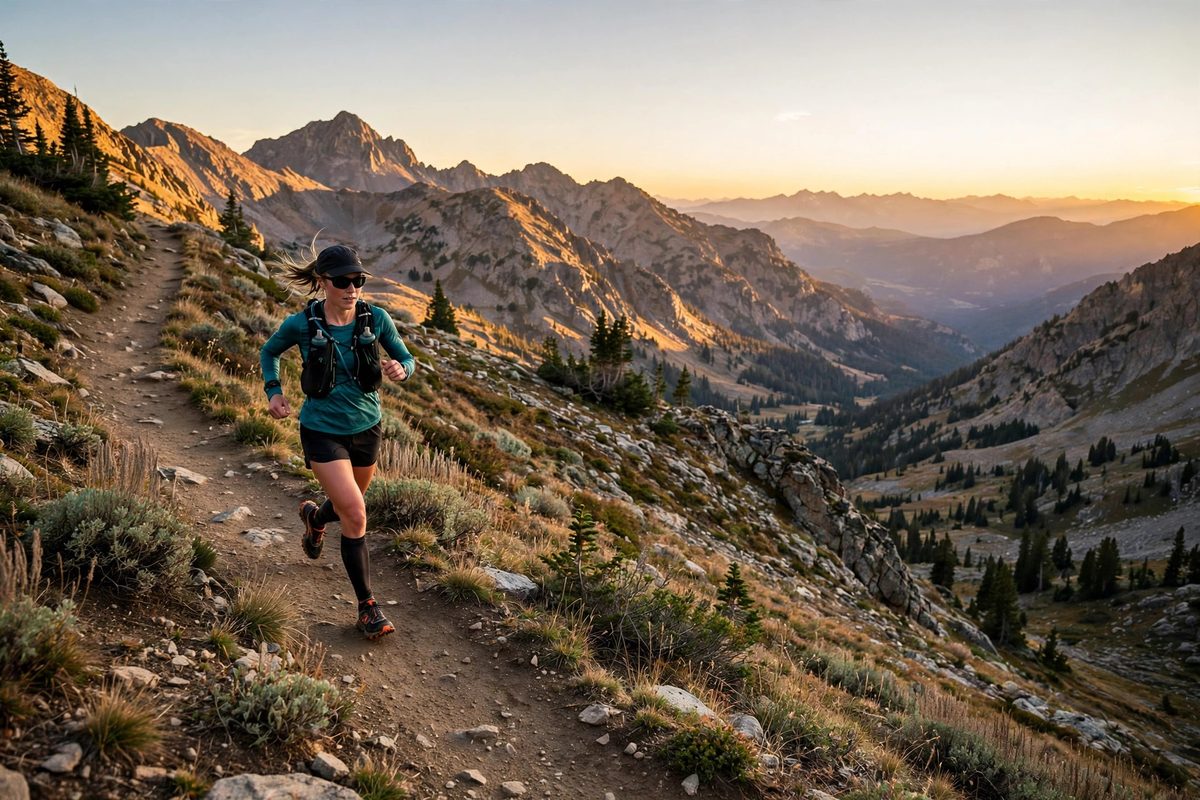
 Featured imageStart trail running the safe, enjoyable way
Trail running for beginners starts on easy, well-marked trails with short walk-run sessions, not steep mountain routes. This guide explains how trail running differs from road running, how to build fitness safely, and how to handle hills, pacing, water, and fueling. With patient progression and the right shoes, your first trails can feel enjoyable instead of overwhelming.
Start trail running on easy, well-marked trails with 20 to 30 minute walk-run sessions, running the flat and gentle sections and walking the hills. Wear trail shoes with good grip, carry water, and add distance slowly over several weeks. Easy effort and patience matter more than speed at first.
Position and Plan
Position: A beginner guide to trail running: what it is, how to start with walk-run sessions, how to choose first shoes, how to climb and descend hills, how to pace effort, what to carry, how to fuel, and how to build distance safely.
Plan: Start with easy trails and short sessions, then add hills and distance gradually. Read the sections in order the first time, then use the summary table as a quick checklist before each run.
Trail running for beginners at a glance
| Topic | What to do |
|---|---|
| Start easy | Begin on wide, well-marked trails with gentle hills, not technical routes. |
| Walk-run | Run flat sections, walk hills, and keep early sessions to 20–30 minutes. |
| Shoes | Choose trail shoes with grip and toe room; test fit before long runs. |
| Uphill | Shorten your stride, lean slightly forward, and walk steep climbs. |
| Downhill | Stay relaxed, look ahead, and take short, quick steps on descents. |
| Pacing | Run by effort, not pace; hills make pace slower even at easy effort. |
| Carry | Take water, a phone, and basic safety items on every trail run. |
| Fueling | Eat a normal meal before; carry a small snack for runs over an hour. |
| Progress | Add distance slowly and take rest days to avoid injury. |
1. What is trail running, and how is it different from road running?
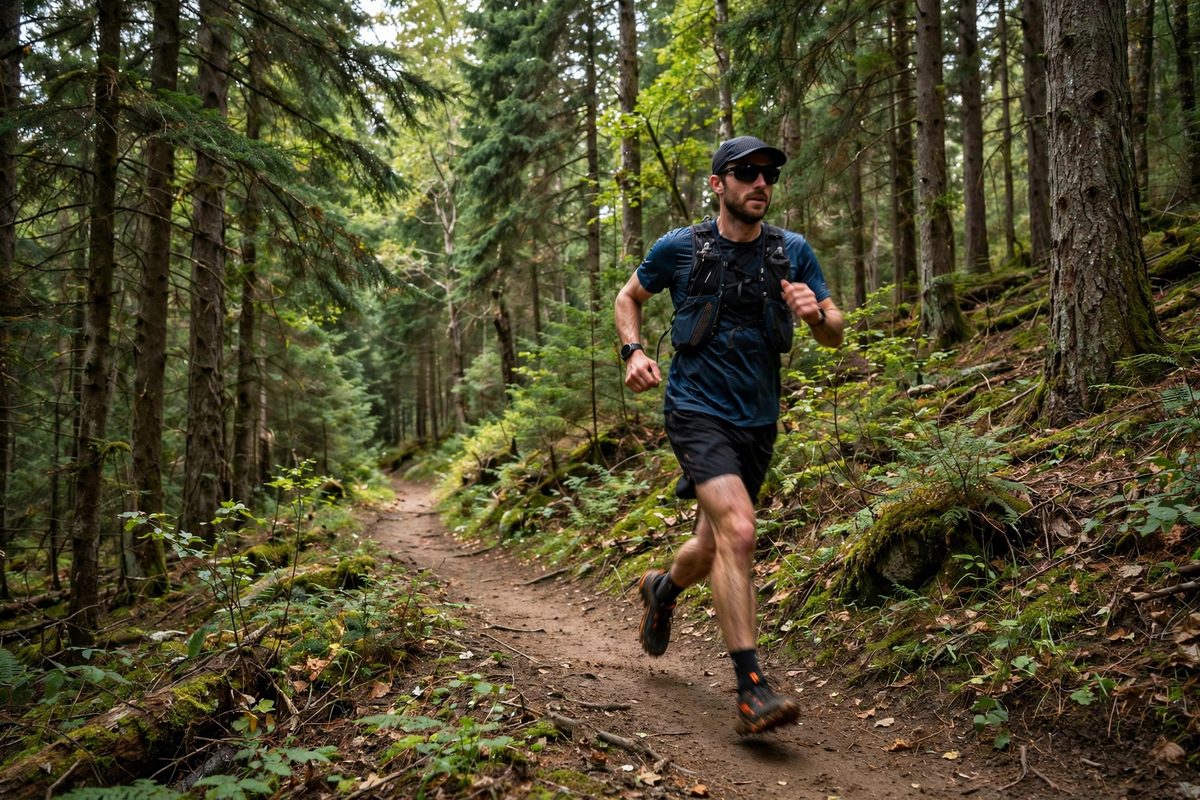
Trail running is running on unpaved paths such as forest trails, dirt tracks, and mountain paths, where the surface changes under every step. Unlike road running, where pace stays fairly even on smooth pavement, trail running constantly asks you to adjust for roots, rocks, mud, and hills. Speed matters less than balance, foot placement, and attention. That variety is the appeal: softer ground, quieter routes, and changing views. It also means a trail kilometre usually takes longer than a road kilometre at the same effort, so beginners should judge runs by time and effort rather than pace alone.
Road running builds basic fitness that transfers well to trails, but trails add skills roads do not teach. You learn to scan the ground a few steps ahead, place feet on stable spots, and stay relaxed when the path tilts or narrows. Ankles and lower legs work harder on uneven ground, which is why starting gently matters. Weather also changes trails quickly: rain can turn firm dirt into slippery mud within an hour. Choosing easy, familiar trails first lets you learn these skills without adding navigation stress or steep drops. Trail running rewards patience and observation as much as fitness.
2. How should beginners start trail running safely?
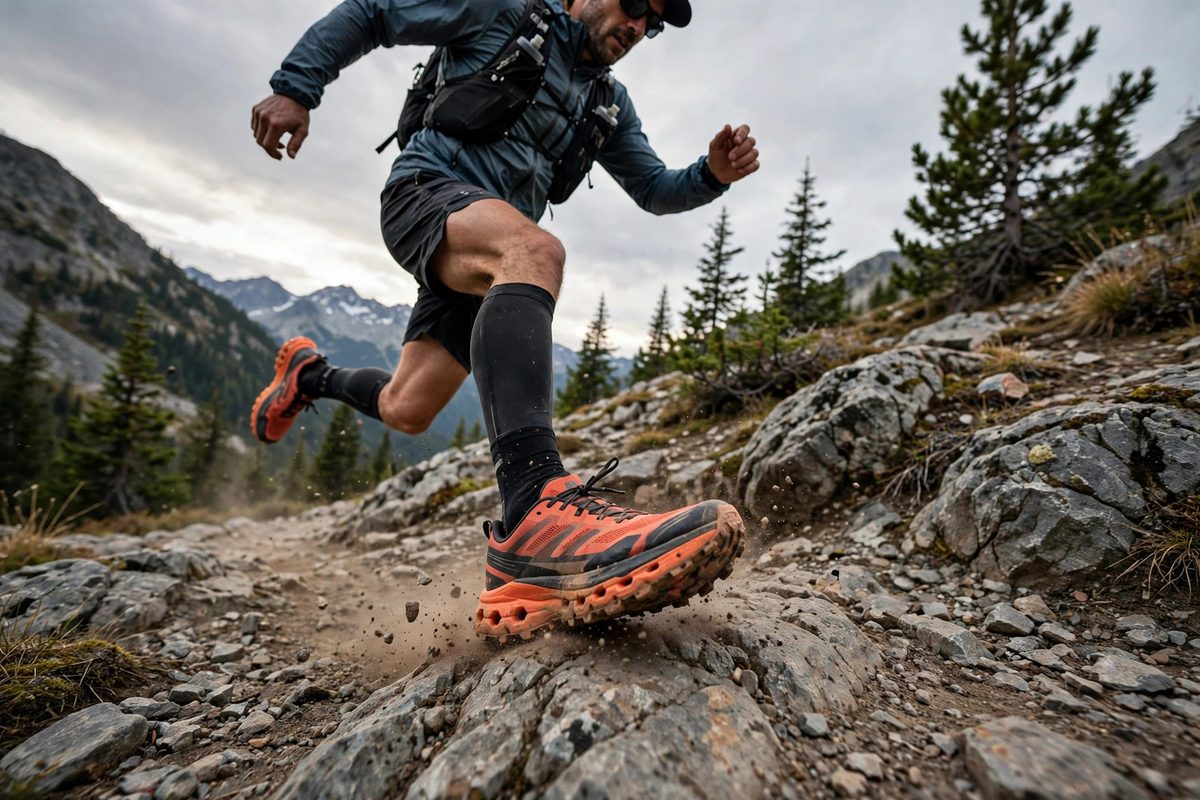
Beginners should start with short walk-run sessions of 20 to 30 minutes on easy, well-marked trails, running the flat and gentle sections and walking whenever the path climbs or gets rough. This approach builds trail skills and leg strength without overloading joints, tendons, and ankles all at once. Two or three sessions a week with rest days between them is plenty at first. Choose loops or out-and-back routes you already know from walking, so navigation never becomes a problem. Finishing each session feeling you could do a little more is exactly right for the first weeks.
A simple first session might alternate two minutes of easy running with one minute of walking, repeated until your planned time ends. Keep the running truly easy: you should be able to speak in full sentences. Walk hills without guilt, because even experienced trail runners walk steep climbs. Progress by adding a few minutes each week or making the run intervals slightly longer, not both at once. If soreness lasts more than a day or two, repeat the same session instead of increasing. Consistency over several weeks builds more fitness than one heroic long run followed by a week of recovery.
3. What shoes do beginners need for trail running?
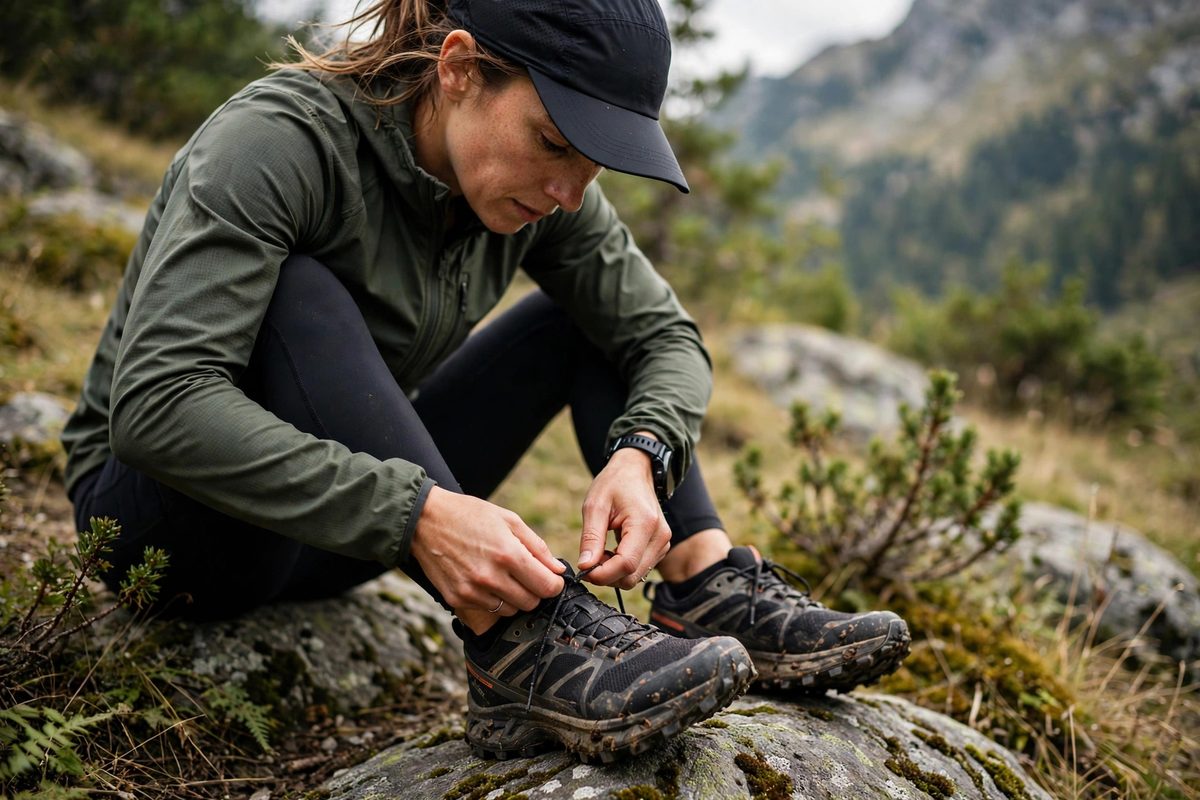
Beginners need trail running shoes with grippy soles, a secure heel, and about a thumb's width of space in front of the toes. Road shoes can work on very smooth, dry paths, but their flat soles slip easily on mud, wet rock, and loose dirt. Trail shoes add lugs that bite into soft ground and uppers that hold the foot steady on side slopes. Fit matters more than brand or price: toes should never press the front on descents, and the heel should not lift with each step. Try shoes late in the day with your running socks.
For a deeper explanation of terrain, cushioning, and grip, read our guide on how to choose trail running shoes before buying your first pair. Most beginners do best with a versatile shoe for mixed trails rather than an extreme mud or rock specialist. Test new shoes on short, easy runs first and check for hot spots before attempting anything long. Comfortable socks reduce friction and blister risk, especially in wet conditions. Good shoes will not make a hard trail easy, but poor grip or a bad fit can turn a simple trail unpleasant very quickly.
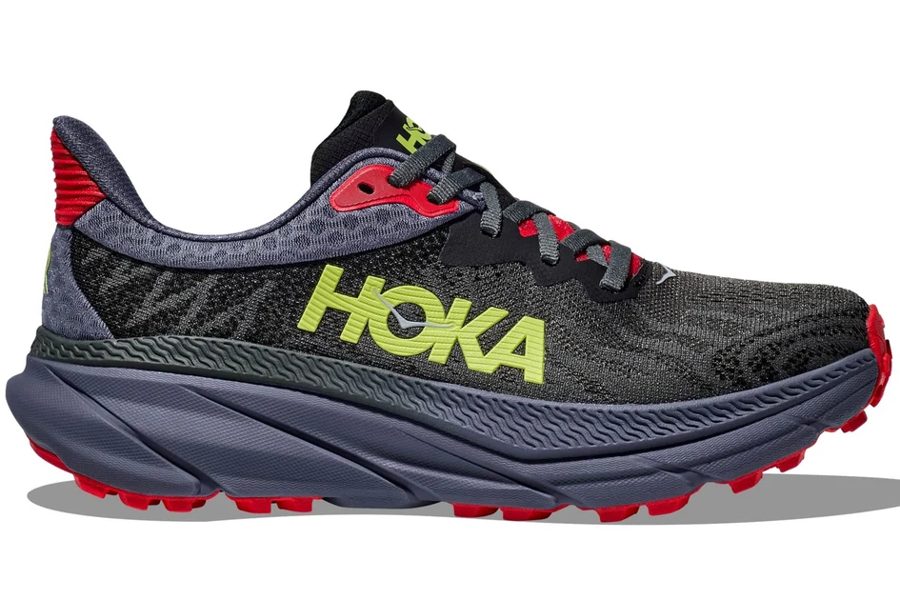
Hoka Challenger 7
Best for: Hikers who mix pavement, gravel and smooth trails in one shoe.
A road-to-trail shoe with a simplified mesh upper, a soft high-stack foam and a gravel-tire-inspired outsole with smaller lugs in the centre and larger lugs at the edge. Made for smooth mixed routes.
A versatile cushioned trail shoe is a forgiving first pair for beginners on mixed, runnable trails.
- Plush cushioning for road-to-trail days
- Comfortable on gravel and smooth paths
- Versatile all-terrain ride
- Less precise on technical terrain
- Thick midsole reduces ground feel
- Not waterproof
4. How do you run uphill on trails without exhausting yourself?
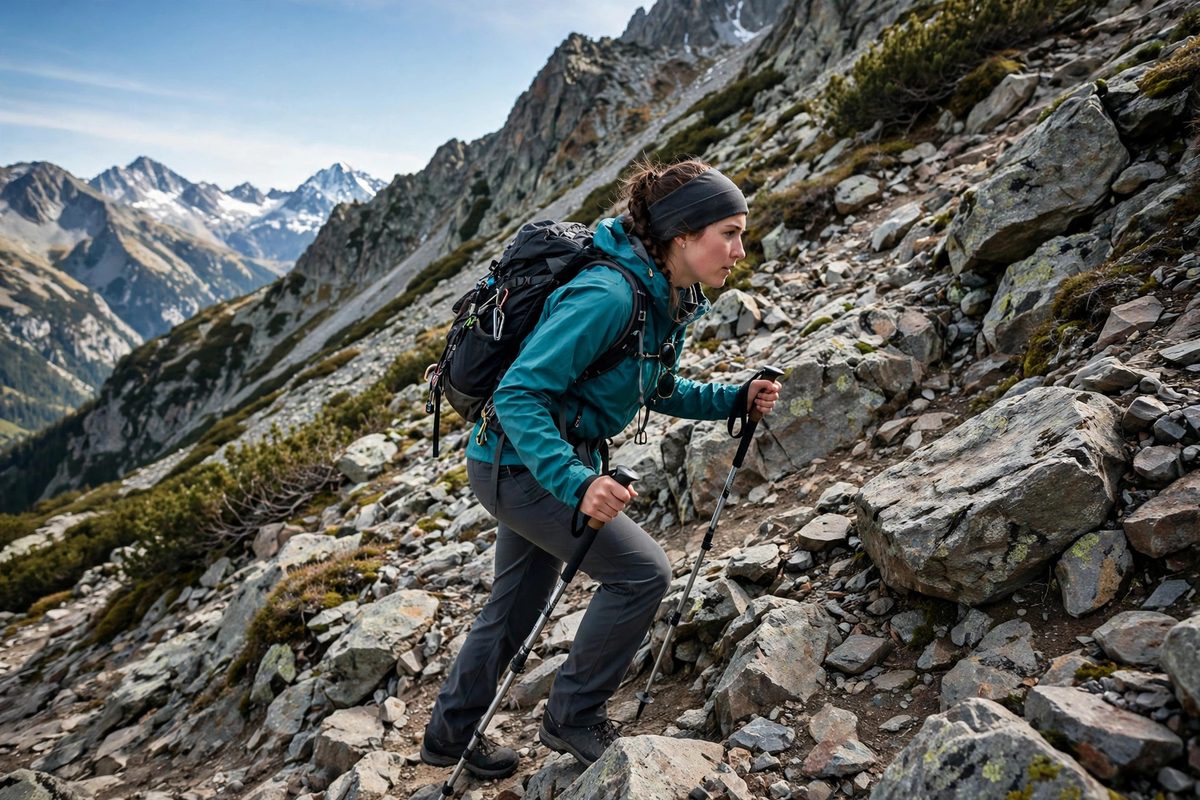
Run uphill by shortening your stride, leaning slightly forward from the ankles, and keeping effort steady instead of forcing your road pace onto the climb. Small, quick steps cost less energy than long strides that push you backward on steep ground. Use your arms to help rhythm, and look a few steps ahead rather than down at your feet. When the slope gets steep enough that running feels like jumping in place, walk with purpose: walking steep hills is normal trail running, not failure. Keeping effort even saves your legs for the rest of the route.
Hills teach effort control quickly because heart rate rises fast on climbs even at slow speeds. A useful beginner rule is to climb at an effort where you can still speak a few words at a time. On long climbs, alternate short run and walk segments before you are forced to stop completely. Trekking poles can help on steep or slippery climbs by sharing work with your arms, though many beginners prefer free hands at first. Descending well also starts uphill: arriving at the top exhausted makes careful footwork on the way down much harder. Patient climbing keeps the whole run enjoyable.
5. How do you run downhill on trails safely?
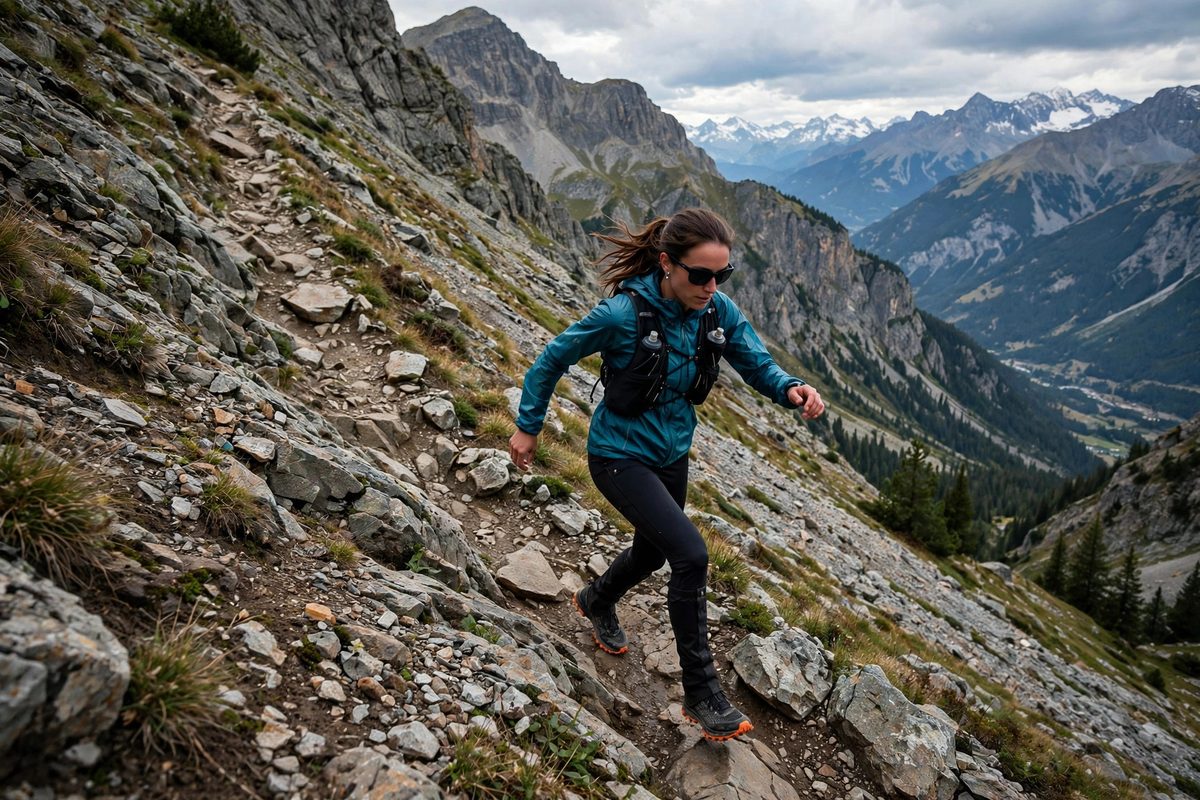
Run downhill safely by staying relaxed, looking several steps ahead, and taking short, quick steps that land under your body instead of braking with straight legs. Leaning back and planting your heels forces your legs to absorb every impact and often leads to slipping on loose ground. A slight forward posture with bent knees lets your legs act like springs. Keep arms slightly out for balance on rough sections. On very steep, rocky, or slippery descents, slowing to a careful walk is the smart choice, especially while you are still learning trail skills.
Downhill running feels risky to beginners because speed builds quickly and tired legs react slowly. Start on gentle descents with good footing and practise controlled steps before trying steep or technical slopes. Choose the smoothest line through rocks and roots rather than the shortest one, and avoid wet roots and polished stone where grip disappears. If your toes repeatedly hit the front of your shoes, check your lacing and fit before longer descents. Confidence grows with repetition on easy ground, and that confidence transfers to harder trails later. Control always matters more than speed on descents.
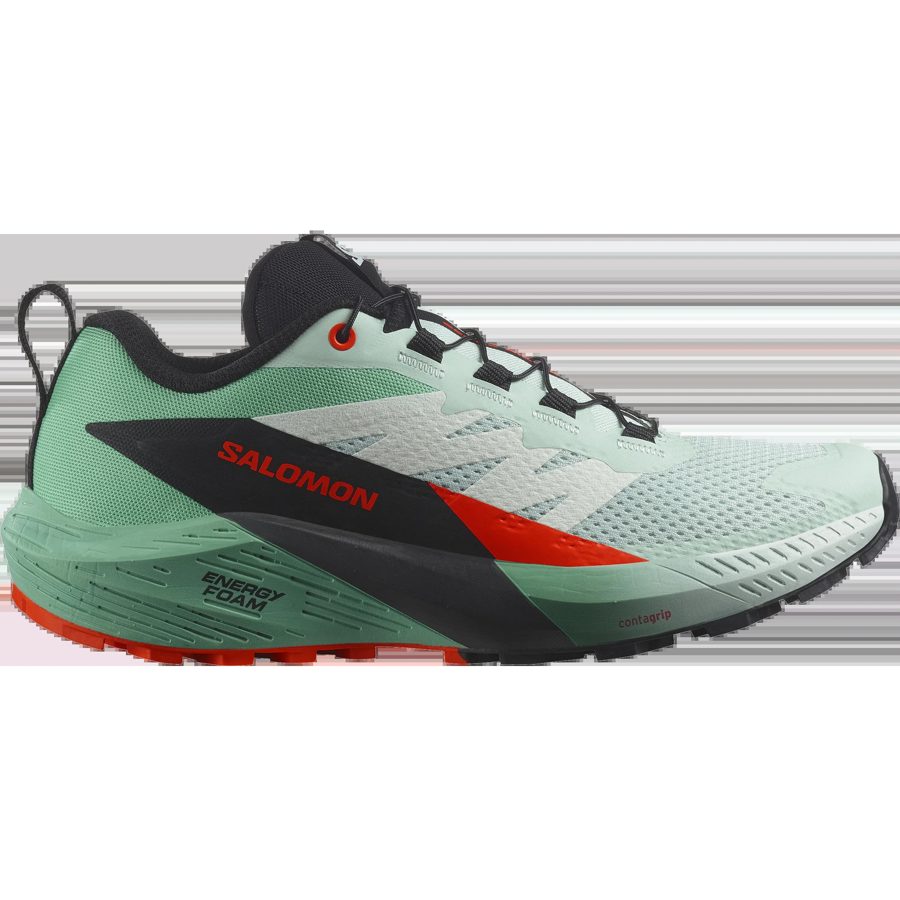
Salomon Sense Ride 5
Best for: Women who want one versatile shoe for mixed trails of every kind.
A versatile trail shoe with an EnergyFoam midsole, an All Terrain Contagrip outsole and an engineered mesh upper with SensiFit hold. Equally at home on short fast outings and long mixed-terrain days.
A grippy, secure trail shoe helps beginners stay controlled on descents.
- Comfortable all-around trail performance
- Tacky grip on scree and steep paths
- Secure, precise fit
- Lets in dust and debris
- Quicklace is less ideal for wide feet
- Not waterproof
6. How should beginners pace effort on hilly trails?

Beginners should pace trail runs by effort rather than pace, because hills, mud, and rough ground make speed vary wildly even when effort stays easy. A practical test is conversation: if you can speak in full sentences, the effort is right for building base fitness. Expect your trail pace to be much slower than your road pace, and do not chase road numbers on climbs. Starting deliberately slowly for the first ten minutes lets legs warm up and prevents the early surge that ruins the second half of a run. Even effort from start to finish is the goal.
Effort-based pacing also protects you on hot days, windy ridges, and technical sections where concentration itself is tiring. Walk breaks are part of pacing, not interruptions: planned walking on climbs keeps average effort steady and legs fresher. If you use a watch, treat pace as information rather than a target, and pay more attention to time on feet. A run that feels controlled throughout builds fitness better than a fast start followed by a long, exhausted walk home. Learning your own effort signals is one of the most useful skills a new trail runner can develop.
7. What should beginners carry on a trail run?
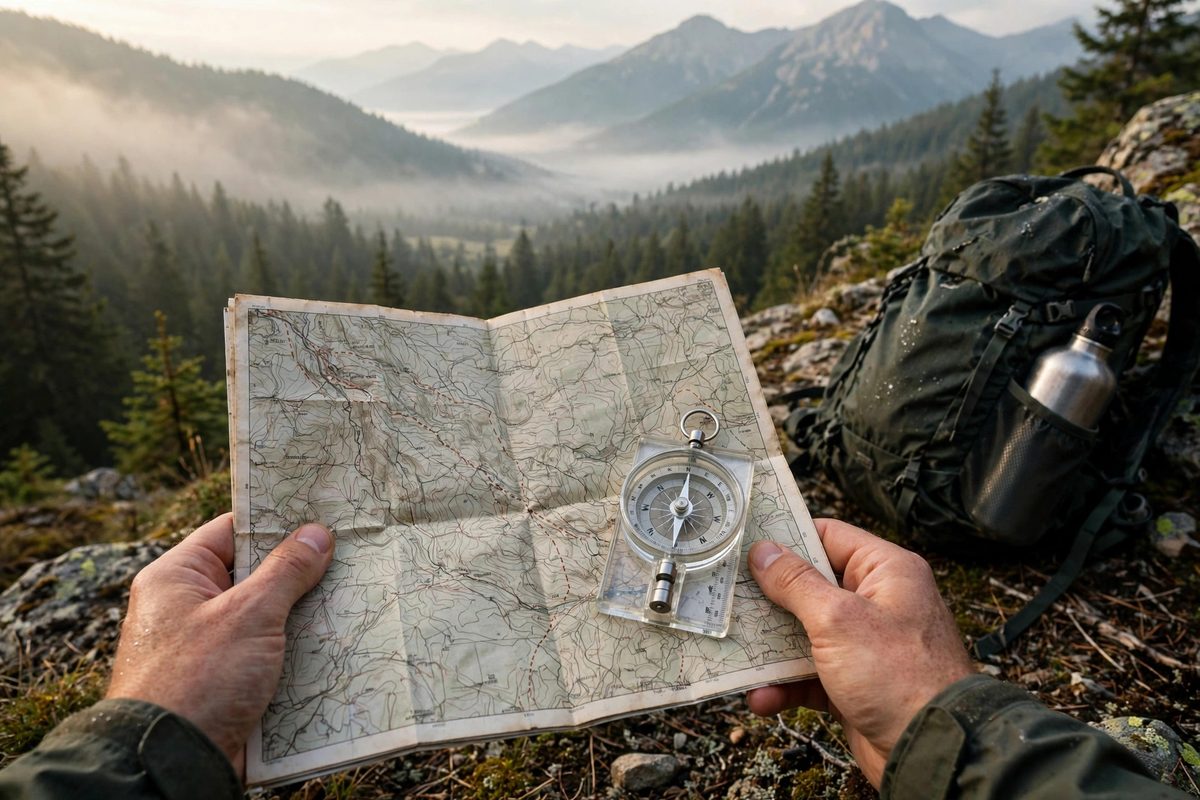
Beginners should carry water, a charged phone, and basic safety items on every trail run, even short ones close to home. A small handheld bottle or waist belt covers runs under an hour in mild weather; longer or hotter runs need more. Tell someone your route and expected return time, and check the weather before leaving. Carry identification and a small amount of money or a card in case plans change. On unfamiliar trails, know your route in advance and turn around early if you are unsure, rather than hoping the path becomes clear later.
Our hiking safety checklist covers planning habits that apply equally to trail running, including weather checks and turnaround decisions. Learning basic navigation helps too: our guide on how to read a trail map and use a compass explains skills that keep you oriented when phone signal fails. For longer outings, add a light layer, a whistle, and basic first aid for blisters and small cuts. Carrying slightly more than you expect to need is wise while you learn how trails and weather behave. Preparation turns small problems into minor inconveniences.
8. What should beginners eat and drink for trail running?
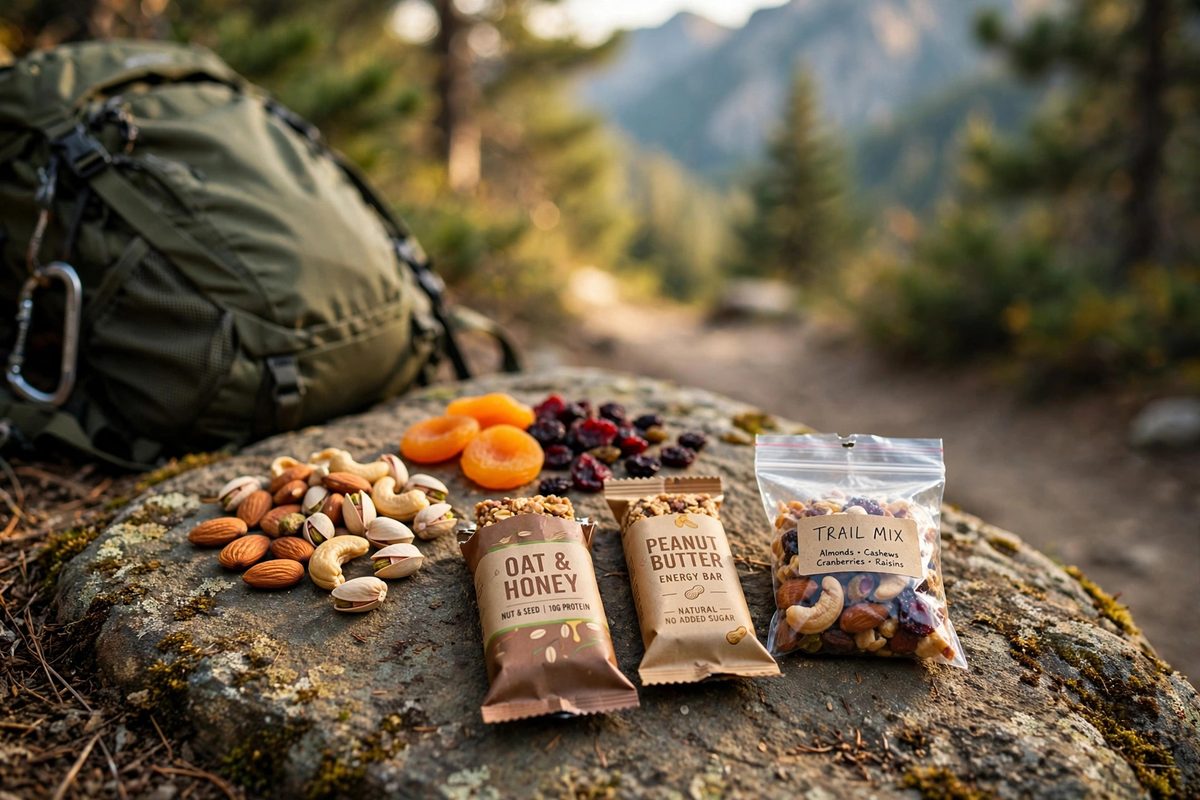
Beginners should eat a normal meal a couple of hours before running, drink water regularly, and carry a small snack for runs lasting longer than about an hour. Short, easy runs need no special fueling: water before and after is enough for most people. As runs grow toward ninety minutes and beyond, small amounts of easily digested food during the run help maintain energy. Drink to thirst in mild conditions and more deliberately in heat, because thirst can lag behind losses on hot, exposed trails. Practise eating and drinking on easy runs first.
Simple snacks work well: dried fruit, a banana, an energy bar, or a handful of nuts and raisins. Our guide on what to eat on a hike: trail food and nutrition explains food choices for longer days outdoors in more detail. After longer runs, a normal meal with carbohydrate and protein supports recovery, and replacing fluids matters more than any special product. Avoid trying new foods on your longest run, because stomachs dislike surprises. Steady habits with ordinary food and water serve beginners better than complicated fueling products and schedules.
9. How can beginners build distance without getting injured?
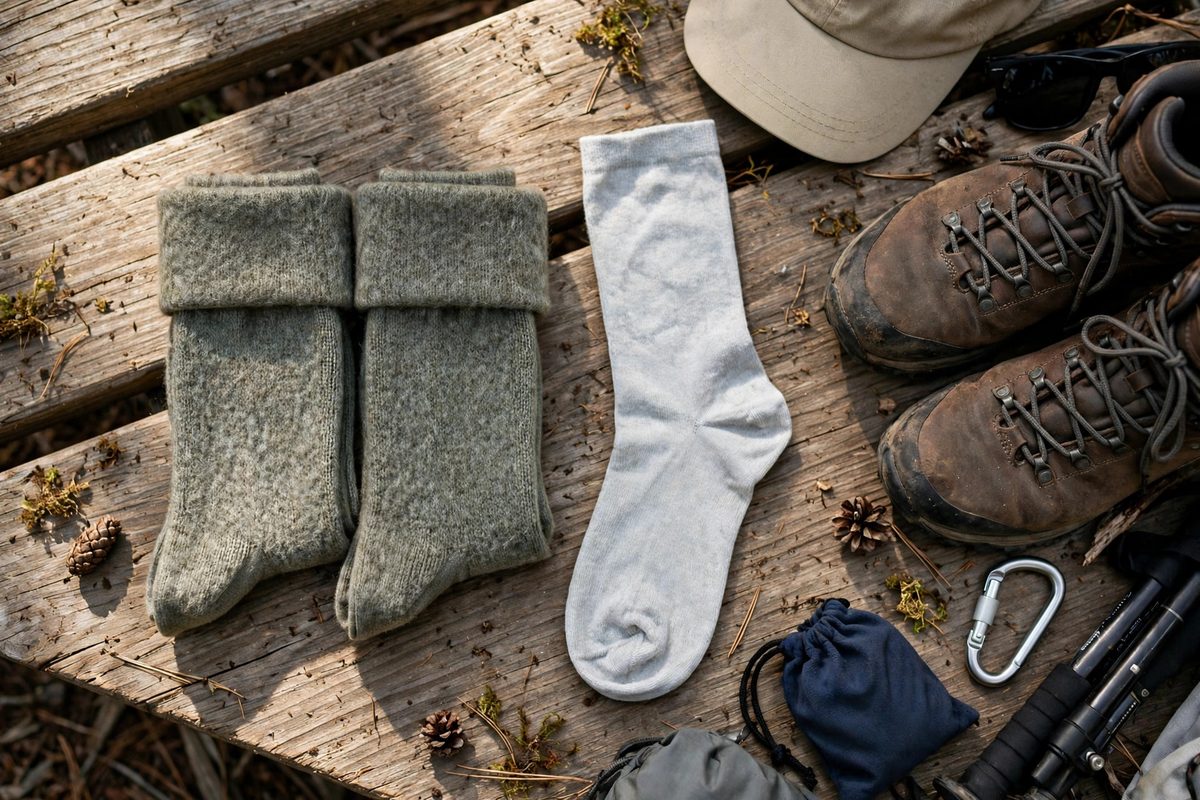
Beginners build distance safely by increasing total running time gradually, keeping most runs easy, and taking rest days so legs, tendons, and joints can adapt. A common general guideline is to increase weekly time by roughly ten percent, but your body's response matters more than any number. Add time to one run at a time rather than making every run longer. Keep at least one or two full rest days each week at first. Persistent pain that changes how you run is a signal to back off, not something to push through repeatedly.
Foot care prevents the small problems that end runs early: our guide on how to prevent blisters on long hikes covers socks, fit, and hot-spot care that runners need too. Strength work for calves, ankles, and hips supports trail running well, and walking hills is useful training rather than wasted time. Sleep and regular meals matter as much as any training detail. Progress in trail running is rarely linear: some weeks simply repeat the previous week. Patient, consistent training over months builds durable fitness far better than rapid increases followed by forced breaks.
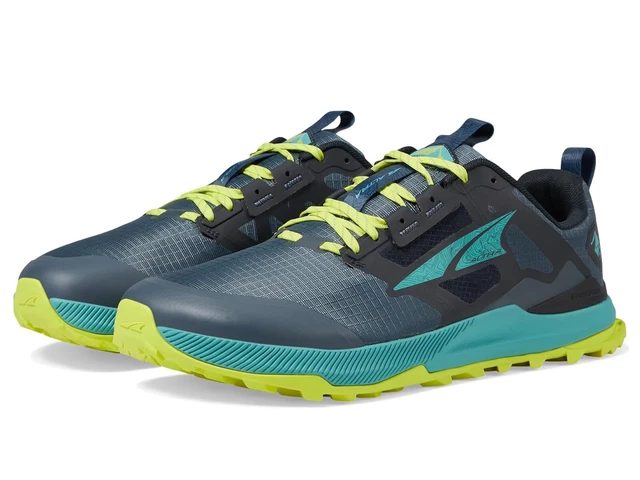
Altra Lone Peak 8
Best for: Hikers with wide feet who want room for toes on long days.
A roomy, zero-drop trail shoe widely used for hiking and thru-hiking, with a wide FootShape toe box, moderate Altra EGO cushioning and a StoneGuard rock plate for long-day comfort.
A roomy, comfortable trail shoe helps as beginners gradually build distance.
- Roomy toe box lets toes spread
- Rock plate adds underfoot protection
- Breathable upper for dry trails
- Zero drop loads calves and Achilles
- Care needed on slick wet rock
- Not waterproof
Frequently asked questions
Is trail running harder than road running?
Trail running usually feels harder at the same pace because hills, uneven ground, and constant foot placement demand more effort and attention. Judged by effort rather than pace, easy trail running is accessible to beginners who start on gentle, well-marked trails.
How long should a beginner's first trail run be?
A first trail run of 20 to 30 minutes using walk-run intervals on an easy trail is a sensible start for most beginners. Finishing feeling you could do slightly more means the dose was right; add a few minutes each week as your legs adapt.
Can I trail run in road running shoes?
Road shoes can handle smooth, dry, gentle paths for short outings, but they slip easily on mud, wet rock, and loose dirt. Trail shoes with lugs and a secure fit make most trails safer and more comfortable, so they are worth buying early.
Is it normal to walk during trail runs?
Yes. Walking steep climbs is normal trail running at every level, including among experienced mountain runners. Planned walking keeps effort steady, saves your legs, and often covers steep ground nearly as fast as struggling to run.
How many times a week should beginners trail run?
Two or three trail sessions a week with rest days between them suits most beginners. Rest days let muscles, tendons, and joints adapt to uneven ground, which reduces injury risk while fitness builds steadily over several weeks.
What should I do if I get lost on a trail?
Stop, stay calm, and retrace your steps to the last point you recognise rather than pushing deeper into unfamiliar ground. Carrying a charged phone, telling someone your route, and learning basic map skills before longer outings prevent most problems.
Do I need special food or drinks for short trail runs?
No. For easy runs under about an hour, a normal meal beforehand and water before and after are enough for most beginners. Carry a small snack and drink more deliberately as runs grow longer or weather gets hotter.
Useful Sources and Verification
Use these source types to check current details for the area you plan to visit.
- Current weather, river-level and trail-condition information from the land manager or park authority for the area you plan to visit
- Manufacturer guidance for the exact rain gear named in this guide, including waterproof ratings, care and reproofing
- Hypothermia and lightning safety guidance from national outdoor and mountain safety organisations
Affiliate disclosure: Hiking Gear Shop participates in the Amazon Associates program. If you buy through a link on this page, we may earn a commission at no extra cost to you. Prices and availability can change — check the listing before you buy.