
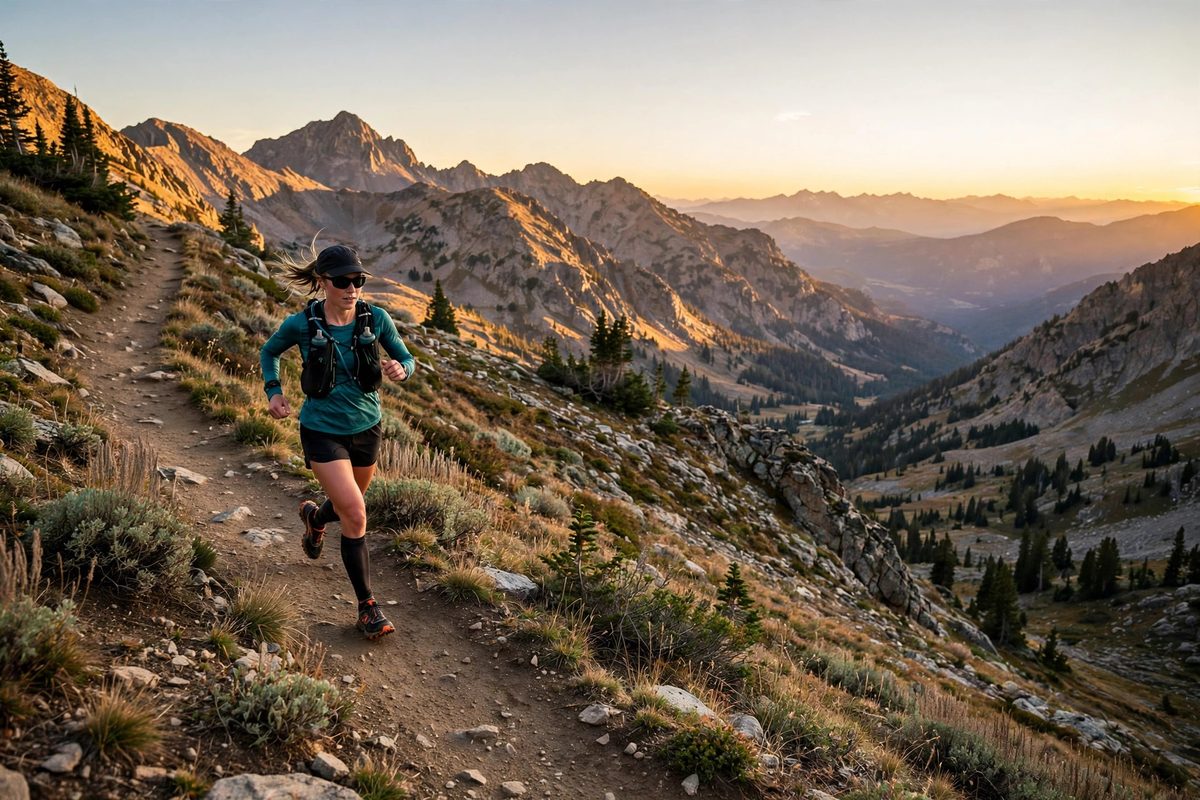
 Featured imageChoose trail running shoes with confidence
Trail running shoes differ from road shoes and hiking boots in grip, protection, and how they handle mud, rock, and uneven ground. This guide explains how to match a pair to your terrain, fit your feet correctly, and choose cushioning, drop, and drainage without guesswork. With the right choices, your shoes stay comfortable on short forest loops and long mountain days alike.
Choose trail running shoes by terrain first, then fit: match the outsole and protection to your usual trails, leave about a thumb's width in front of your toes, and pick cushioning and heel-to-toe drop that suit your distance and running style. Try shoes late in the day and test them downhill before deciding.
Position and Plan
Position: An informative chooser guide to trail running shoes: how terrain, fit, cushioning, grip, heel-to-toe drop, wet-weather design, downhill control, long-distance comfort, and replacement timing should guide your choice.
Plan: Start with the terrain you run most, then check fit and toe room, then compare cushioning, grip, and drop. Read the sections in order the first time, then use the summary table as a quick checklist before you buy.
Choosing trail running shoes at a glance
| Topic | What to do |
|---|---|
| Terrain | Match grip and protection to the trails you run most often. |
| Fit | Leave about a thumb's width ahead of your toes; heel stays secure. |
| Cushioning | More cushion for long and rocky runs; less for ground feel. |
| Grip | Deep, spaced lugs for mud; flatter, sticky rubber for rock. |
| Drop | Higher drop eases calves; lower drop suits natural midfoot running. |
| Wet trails | Draining, breathable shoes dry fast; membranes keep light rain out. |
| Downhill | Secure heel, roomy toes, and a toe guard protect on descents. |
| Long runs | Comfort, cushioning, and toe room matter more as distance grows. |
| Replacement | Replace when lugs wear smooth, cushioning feels flat, or grip fades. |
1. How does terrain decide which trail running shoes you need?
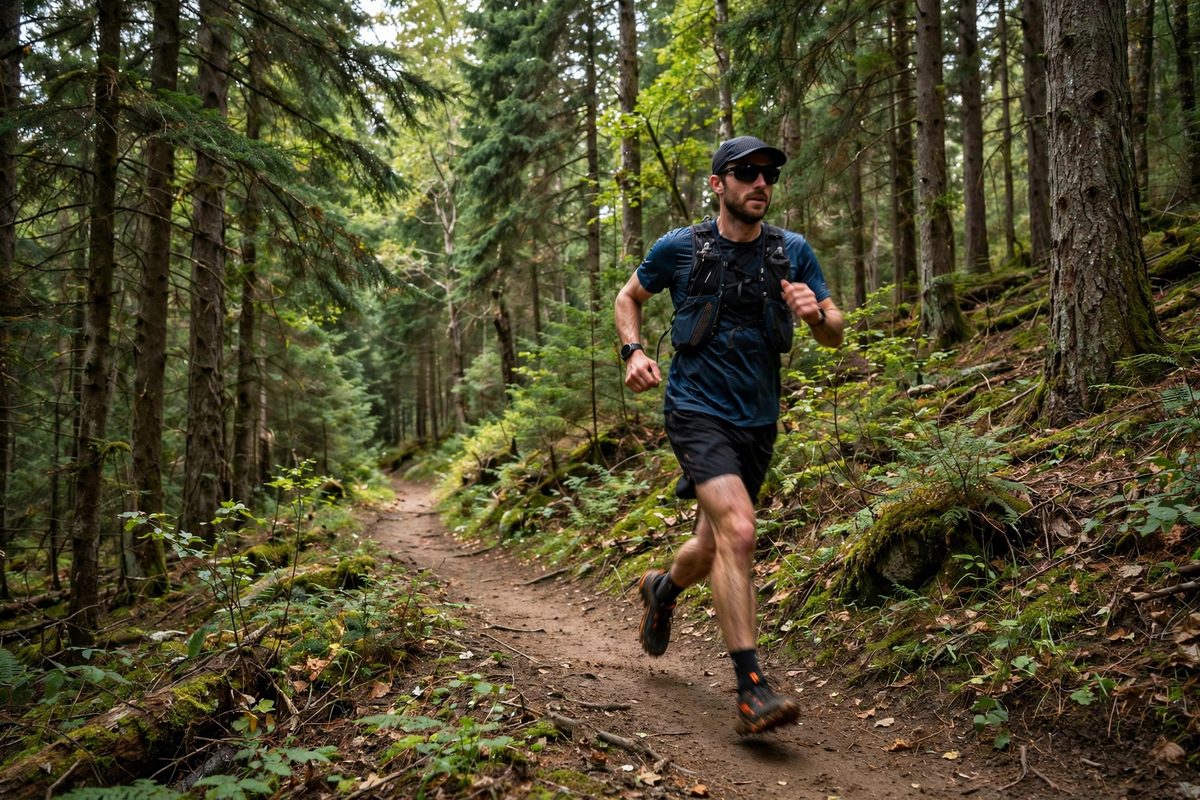
Terrain decides the shoe because grip, protection, and cushioning needs change completely between smooth forest paths and steep, rocky mountain trails. On gentle dirt and gravel, a lighter shoe with moderate lugs and flexible cushioning feels fast and comfortable. On technical ground with loose stones, roots, and sharp rock, you need a more protective sole, stronger toe guard, and secure fit so your foot does not slide inside. Muddy trails call for deeper, widely spaced lugs that shed mud instead of clogging. Choosing for your most common terrain, not your hardest imagined run, gives the best everyday match.
Start by honestly describing where you run most weeks: packed paths, forest singletrack, alpine rock, or wet coastal trails. Mixed routes favour a versatile shoe that balances grip, cushioning, and protection rather than excelling at only one thing. If you also walk rough routes with a pack, compare our guide to the best hiking shoes, because hiking footwear adds ankle support and durability that runners usually trade for lightness. Trail shoes are built for running movement, quick foot placement, and repeated impact, so match them to running terrain first. That simple order prevents most buying mistakes.
2. How should trail running shoes fit?
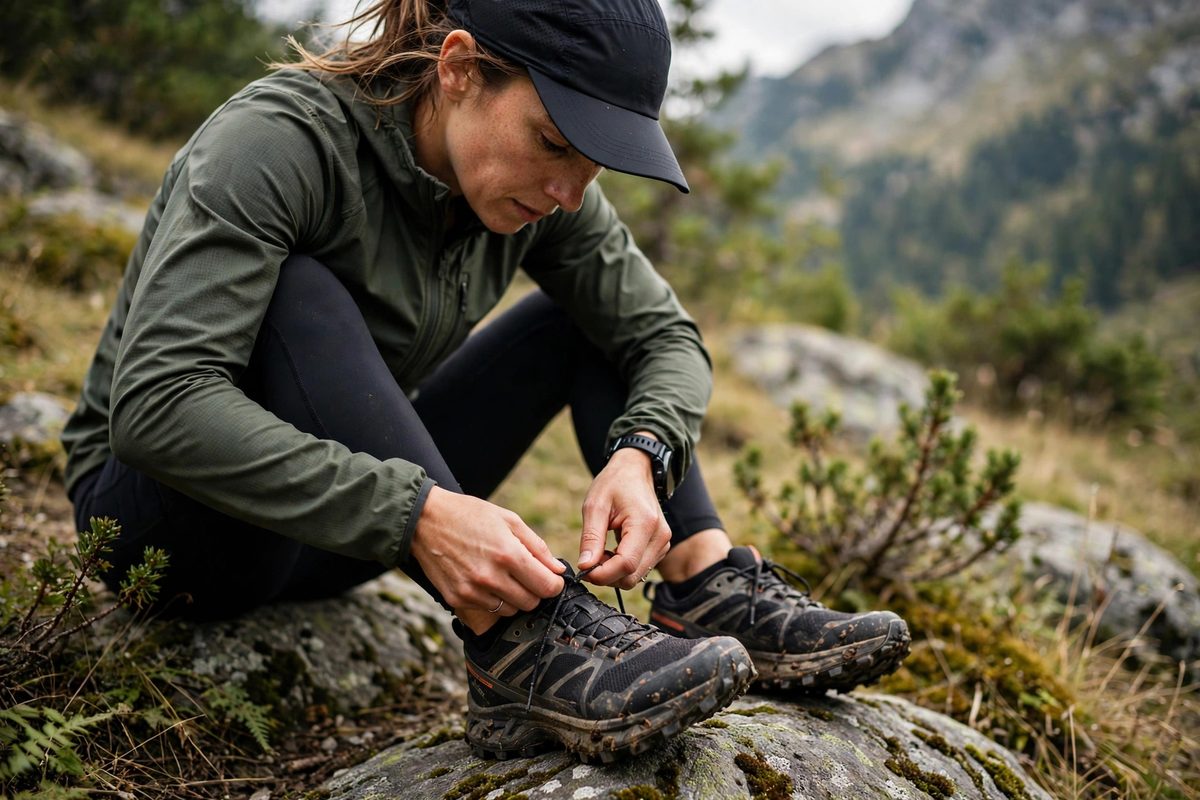
Trail running shoes should fit snugly through the heel and midfoot with about a thumb's width of space in front of your longest toe. Your heel should stay in place without lifting as you run, while your toes can spread naturally and never press the front on descents. Feet swell during runs and heat, so try shoes later in the day with your running socks. Walk, jog, and simulate a downhill step if possible: toes touching the end is a warning sign. A secure midfoot matters more than squeezing the toes, because control comes from the middle of the shoe.
Fit problems cause most blisters, black toenails, and downhill pain, so take sizing seriously. If one foot is larger, fit the larger foot and use lacing or a thicker sock on the smaller side. Our guide on hiking boot fit explains toe room and heel hold in detail, and the same principles apply here. If your heels slip, try a runner's loop lacing to lock the ankle without tightening the toes. Feet that slide forward inside the shoe will suffer on long descents. A careful fit test in the shop saves painful lessons later.
3. How much cushioning do you need in trail running shoes?
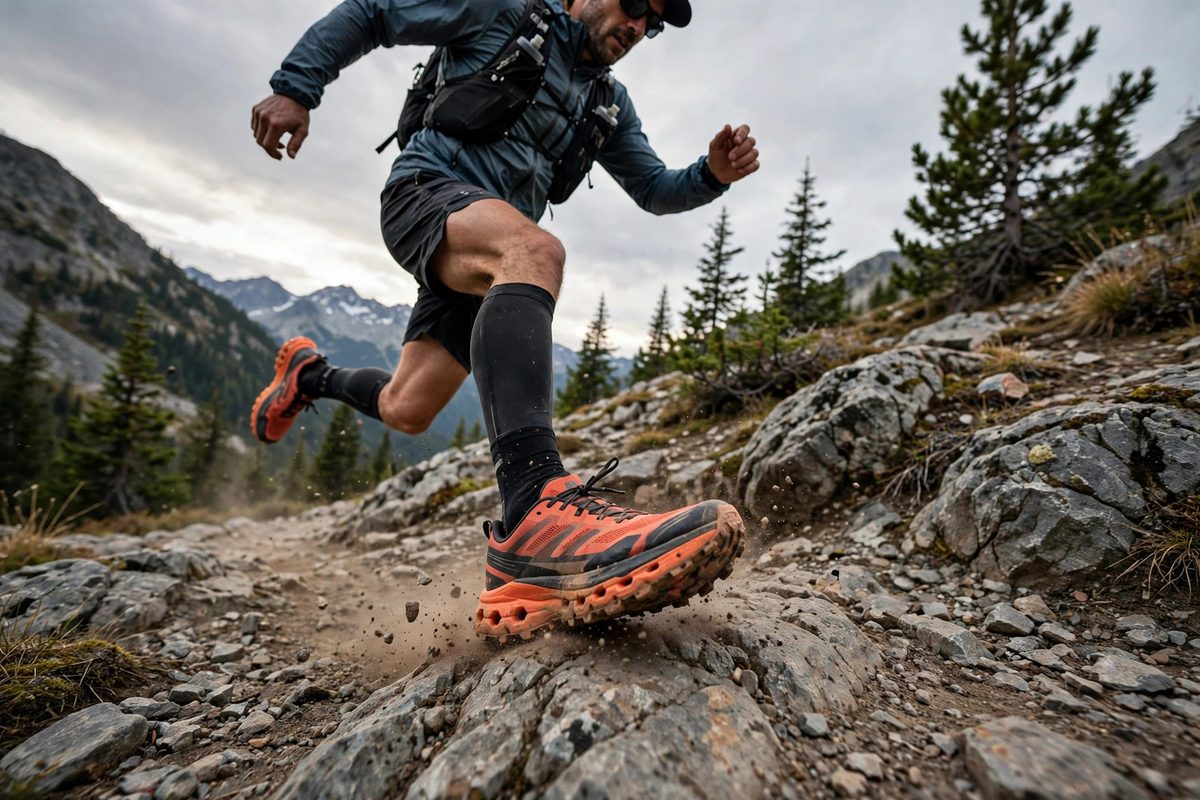
You need enough cushioning to stay comfortable for your longest typical run without losing stability on uneven ground. More cushioning softens landings on rock, hard-packed dirt, and long descents, which helps when legs tire and foot placement gets sloppy. Less cushioning gives closer ground feel and quicker, more precise steps on technical terrain, but it demands stronger feet and shorter distances for many runners. There is no single right amount: beginners, heavier runners, and ultra-distance runners often prefer more protection, while experienced runners on short, technical routes may prefer a firmer, lower shoe.
Think about distance and surface together rather than cushioning alone. A shoe that feels plush for an hour may feel unstable on off-camber rock, while a firm shoe that feels precise early can become harsh after several hours. Test cushioning by running, not just standing, because foam compresses under repeated impact. If your feet ache after every long run, more cushioning or a protective rock plate may help. If you feel wobbly on side slopes, a lower, firmer shoe may suit you better. Comfort late in the run matters more than first-step softness.
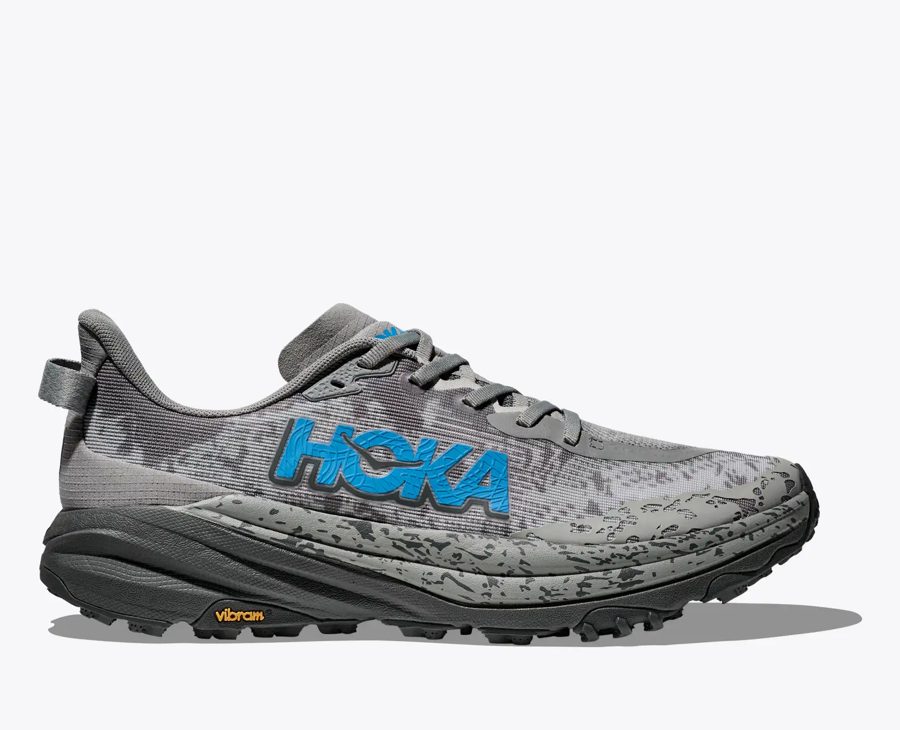
Hoka Speedgoat 6
Best for: Hikers who want maximum cushioning and grip for long, technical days.
A cushioned trail shoe with a Vibram Megagrip outsole, 5 mm lugs and a high CMEVA stack that softens long miles on technical terrain. Built for covering big distances without beating up your legs.
A well-cushioned trail shoe suits long, rocky runs where softer landings help reduce fatigue.
- Excellent grip on wet rock and loose terrain
- Cushioned yet light for its stack height
- Protective on technical trails
- Snug midfoot for wide feet
- Firmer ride than the previous version
- Standard version is not waterproof
4. What grip and lugs do you need for mud and rock?
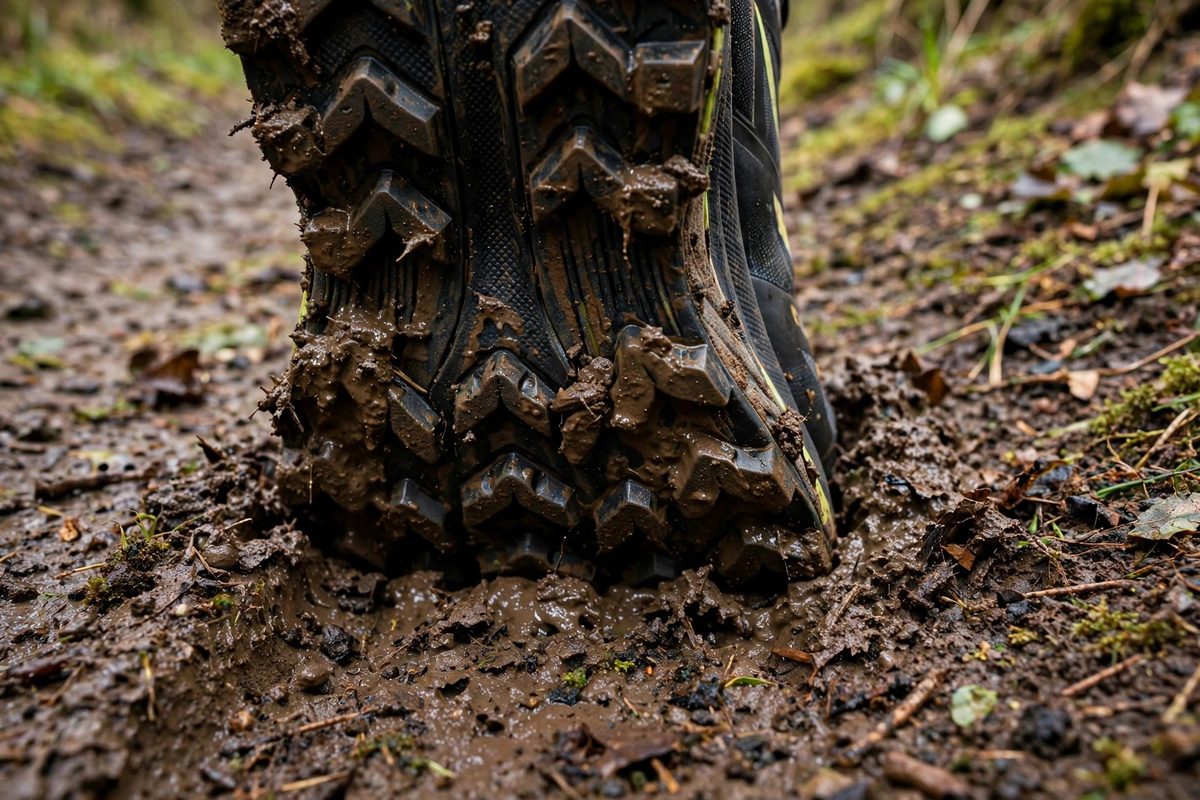
For mud you need deep, widely spaced lugs that bite into soft ground and shed mud as you run, while rock needs flatter lugs and grippy rubber that maximize contact. Deep lugs act like cleats on wet grass, mud, and loose soil, but they can feel unstable and wear faster on hard rock and pavement. Shallower, broader lugs grip slabs and dry trails well but may skate on mud. Lug depth is usually measured in millimetres, and deeper designs are aimed at soft ground. Match the outsole to your wettest and loosest regular terrain first.
Rubber compound matters as much as lug shape: softer, stickier rubber grips wet rock better but usually wears faster, while harder rubber lasts longer on abrasive trails. Look at the whole outsole pattern, including braking lugs at the heel for descents and edging lugs around the sides. If your routes mix mud and rock, a versatile mid-depth pattern is the safest compromise. Clean mud from lugs after wet runs so the pattern works as designed next time. Good grip also depends on careful foot placement, especially on wet roots, polished stone, and steep descents after rain.
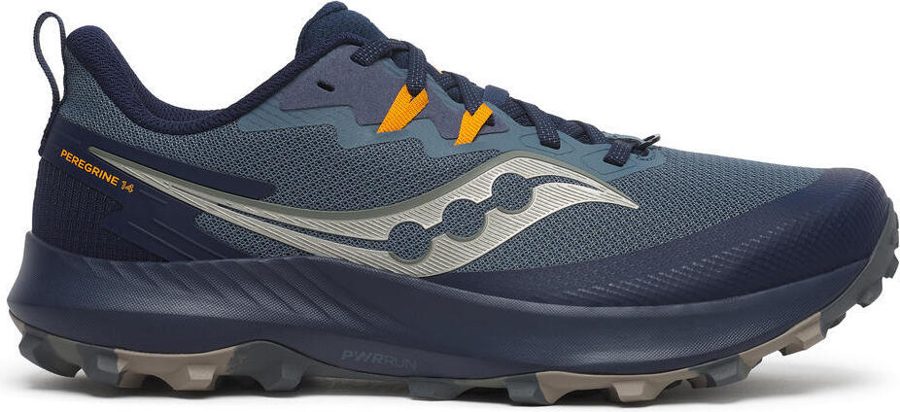
Saucony Peregrine 14
Best for: Hikers who want a light, grippy shoe with real ground feel.
An all-trail specialist with PWRRUN cushioning, a tacky PWRTRAC outsole with 5 mm lugs and a debris-resistant build. Light, responsive and confident on dirt, rock and roots.
An aggressive-lugged trail shoe suits muddy, loose terrain where biting grip matters most.
- Strong grip on dirt, rock and roots
- Good ground feel for technical trails
- Light and responsive
- Firm ride, less cushion for ultras
- Not waterproof
- Low 4 mm drop suits adapted runners
5. What heel-to-toe drop should you choose?
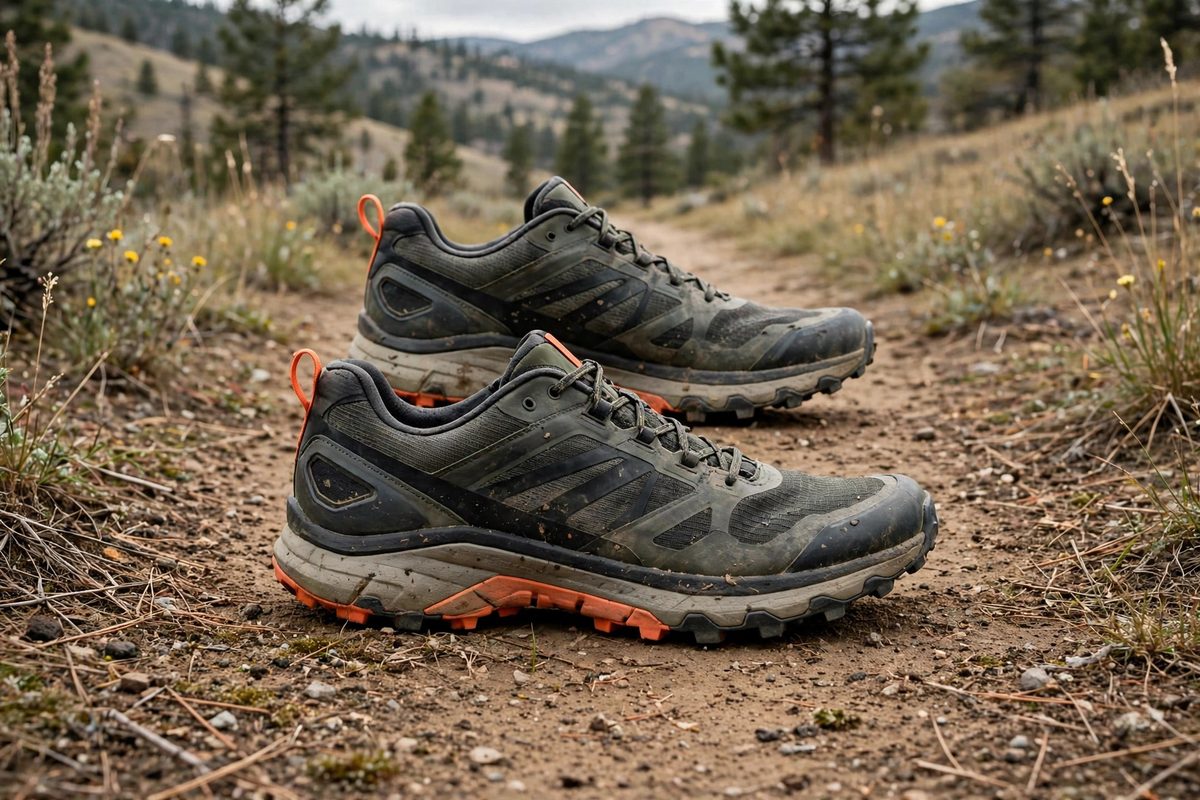
Choose a heel-to-toe drop that matches your running style and calf strength: higher drops generally ease the load on calves and Achilles tendons, while lower drops encourage a more midfoot landing. Drop is the height difference between heel and forefoot, measured in millimetres, and trail shoes range from flat, zero-drop designs to clearly raised heels. Runners switching to a much lower drop should transition gradually, because calves and feet need time to adapt. If you heel-strike on roads and run mostly runnable trails, a moderate drop often feels familiar and comfortable from the first run.
Drop works together with cushioning and stack height, so judge the whole shoe rather than one number. A low-drop shoe with generous cushioning can still feel protective, while a higher-drop shoe may feel tippy on technical side slopes. If your calves or Achilles tendons complain after runs, a higher drop or gradual strengthening may help; if you prefer feeling the trail and landing midfoot, a lower drop may suit you. Change drop in small steps and build mileage slowly after switching. Listening to your legs over several runs gives better evidence than any single specification on paper.
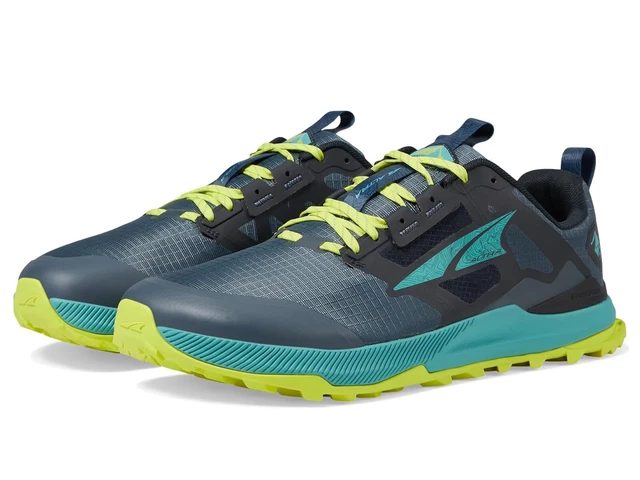
Altra Lone Peak 8
Best for: Hikers with wide feet who want room for toes on long days.
A roomy, zero-drop trail shoe widely used for hiking and thru-hiking, with a wide FootShape toe box, moderate Altra EGO cushioning and a StoneGuard rock plate for long-day comfort.
A low-drop trail shoe suits runners who prefer a flatter heel-to-toe profile and natural foot movement.
- Roomy toe box lets toes spread
- Rock plate adds underfoot protection
- Breathable upper for dry trails
- Zero drop loads calves and Achilles
- Care needed on slick wet rock
- Not waterproof
6. Should you choose waterproof or breathable trail running shoes?
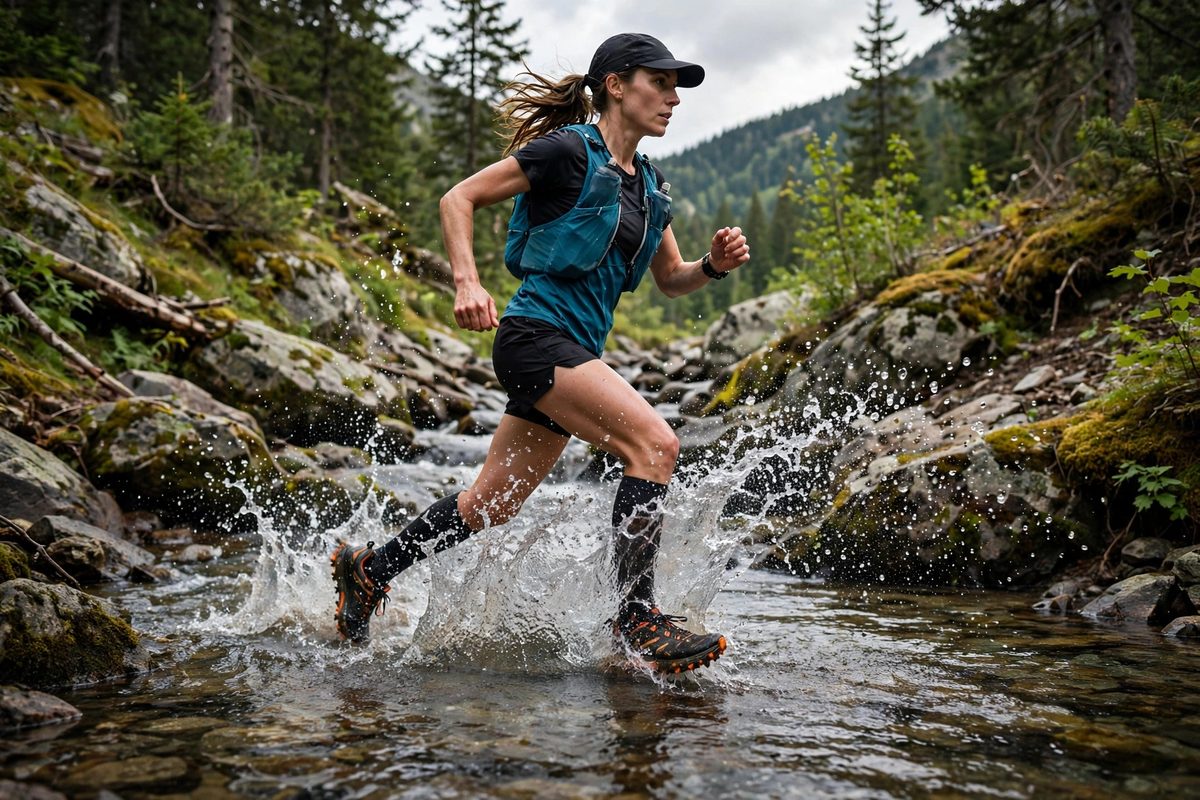
For most trail running, breathable shoes that drain and dry quickly beat waterproof shoes, because water usually enters over the ankle in streams, puddles, and heavy rain. A waterproof membrane keeps light rain and wet grass out for a while, which helps on cold, damp days, but once water gets inside it drains slowly and feet stay wet longer. Breathable mesh shoes let water out through drainage paths and dry faster while running. In warm conditions, wet feet in draining shoes are usually more comfortable than hot, sweaty feet trapped inside a membrane on long runs.
Choose waterproof shoes mainly for cold, wet conditions where runs are shorter and you can avoid deep crossings, such as winter paths with steady drizzle. For stream crossings, summer storms, and long wet races, quick-draining shoes and good socks are the practical choice. Wet feet raise blister risk either way, so our guide on how to prevent blisters on long hikes is worth reading before wet-season running. Drain shoes after runs, remove insoles, and dry them away from direct heat. Comfort in wet conditions comes from the whole system: shoe, socks, fit, and foot care together.
7. What makes trail running shoes good for downhill control?
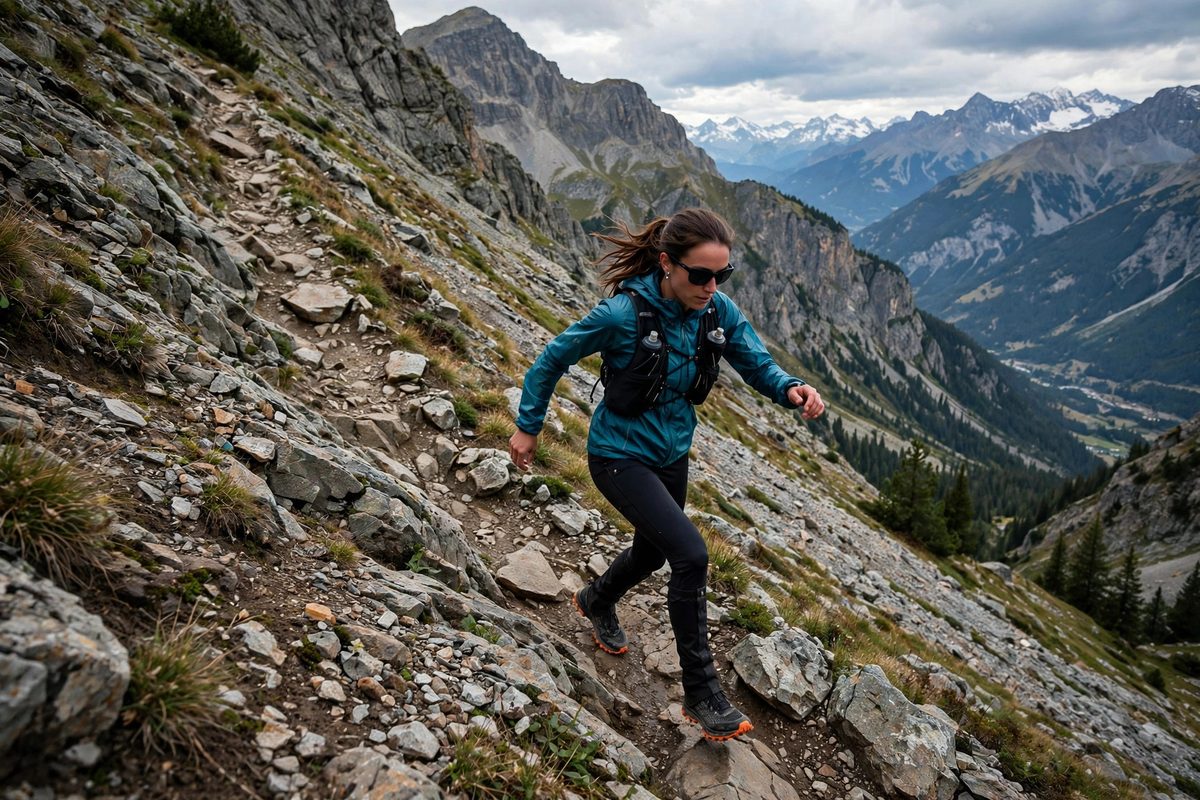
Good downhill shoes combine a secure heel and midfoot, enough toe room, reliable braking grip, and a protective toe guard. On descents your foot slides forward, so the fit must hold the heel back without crushing the toes against the front. Heel lugs angled for braking help control speed on loose ground, while a rubber toe cap protects against kicked rocks and roots. A slightly firmer, stable platform gives confidence when tired legs land imprecisely. If your toes repeatedly hit the front, the shoe is too small, too loose in the midfoot, or laced too loosely.
Test downhill fit before long mountain runs: find a slope, jog down it, and notice whether toes touch or heels lift. A runner's loop lacing can improve heel hold without overtightening the forefoot. Strong, controlled running still matters: shorten your stride, land under your body, and avoid braking with straight legs on every step. If descents regularly overwhelm your shoes and ankles, read hiking boots vs shoes: how to choose to judge when sturdier footwear fits the route. Shoes support technique, but they cannot replace careful footwork on steep, loose, or wet descents.
8. What should you look for in shoes for long distances?

For long distances, prioritize lasting comfort: generous cushioning, a roomy toe box, secure fit that survives foot swelling, and protection against repeated rock strikes. Feet swell over hours, so shoes that feel perfect for thirty minutes may pinch by hour three; extra toe room prevents black toenails and hot spots. A rock plate or firmer midsole layer can reduce bruising from sharp stones on tired legs. Breathability matters on warm ultras, while reliable grip matters when weather changes late in the day. Long-run shoes should disappear on your feet, not demand constant attention.
Build long-run confidence gradually: test shoes on progressively longer runs and note where hot spots appear before race day or a big mountain loop. Socks, lacing, and foot care matter as much as the shoe itself over many hours. Carry basic foot care and know when to stop and fix a hot spot early, because small rubs become blisters that end runs. Our hiking safety checklist helps plan food, water, and turnaround decisions for long days out. Comfort, preparation, and honest pacing together decide whether long distances feel enjoyable or punishing.
9. When should you replace trail running shoes?
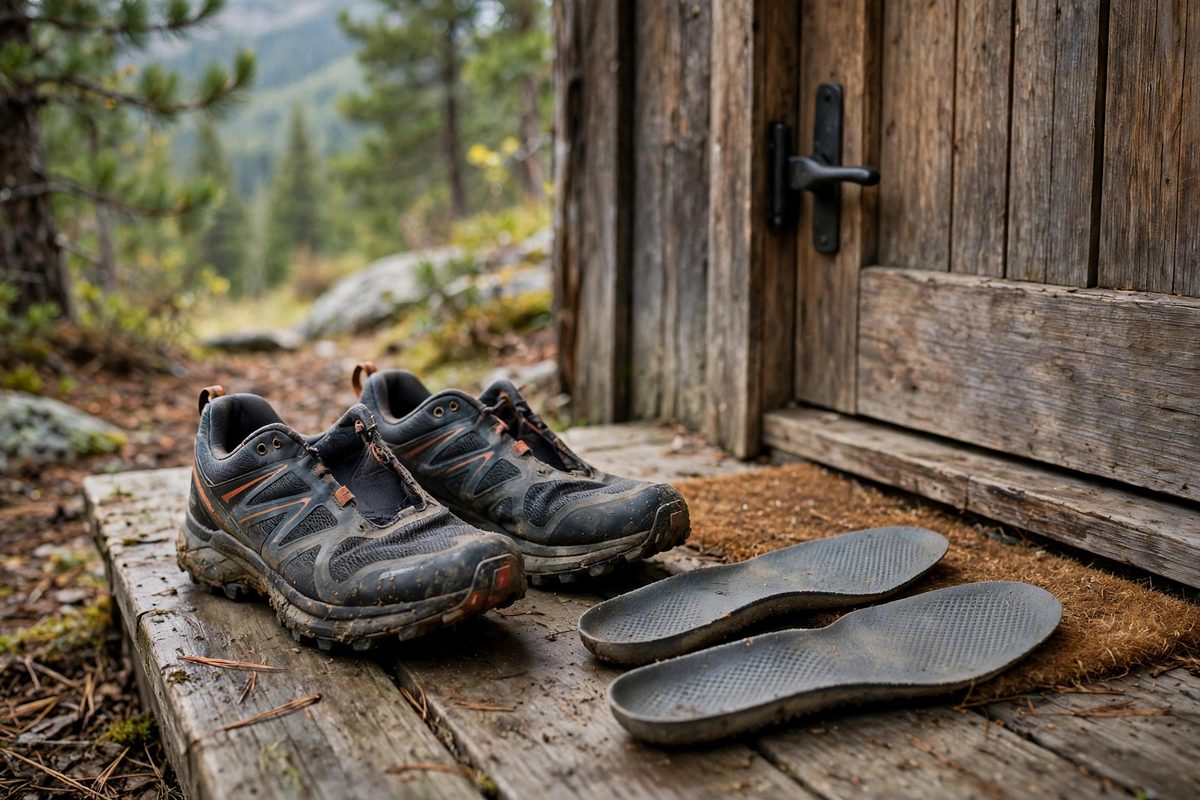
Replace trail running shoes when the lugs wear smooth, the cushioning feels flat or uneven, or the upper tears and no longer holds your foot securely. Worn lugs lose grip first on wet rock and mud, which raises slip risk before the shoe looks destroyed. Midsole foam also compresses over time, so shoes that once felt protective may start leaving your feet and legs sore after familiar runs. Check the outsole, press the midsole for dead spots, and inspect stitching and toe guards after muddy outings. Performance loss, not appearance alone, is the right replacement signal.
Good care extends shoe life: rinse off mud, remove insoles, stuff shoes loosely with paper, and dry them at room temperature away from radiators and direct sun. Heat can damage foams and glues, while leaving shoes wet in a bag invites odour and material breakdown. Rotate two pairs if you run often, giving foam time to recover between outings. If your routes shift toward walking with a heavy pack, compare the best hiking boots for sturdier support. Replacing shoes before grip and cushioning fail keeps runs safer, more comfortable, and more enjoyable on every kind of trail.
Frequently asked questions
Are trail running shoes good for hiking?
Trail running shoes work well for fast, light hiking on moderate trails because they are light, grippy, and comfortable. For heavy packs, rough off-trail routes, or ankle problems, sturdier hiking shoes or boots usually give better support and durability.
Should trail running shoes be bigger than road shoes?
Many runners choose trail shoes with a little more toe room than road shoes because feet swell and slide forward on descents. Aim for about a thumb's width ahead of your toes with a secure heel, and fit the larger foot if your feet differ.
Do I need waterproof trail running shoes?
Most runners do not: breathable, quick-draining shoes handle streams and heavy rain better because water escapes and dries faster. Waterproof shoes suit cold, damp conditions with light rain and no deep crossings, where keeping feet dry for a while helps comfort.
What is heel-to-toe drop in trail running shoes?
Drop is the height difference between the heel and forefoot, measured in millimetres. Higher drops generally ease calf and Achilles load, while lower drops encourage a more midfoot landing; switch gradually so your legs can adapt.
How long do trail running shoes last?
Trail shoes last until grip, cushioning, or the upper noticeably degrades, which depends on terrain, mileage, and runner weight. Rocky trails wear lugs and uppers faster than soft forest paths, so judge by performance loss rather than a fixed distance.
Can I run on roads in trail running shoes?
Short road sections are fine, but pavement wears soft trail lugs quickly and deep lugs can feel unstable on hard surfaces. If most of your running is on roads, road shoes will last longer and feel smoother; save trail shoes for trails.
When should I choose boots instead of trail running shoes?
Choose boots for heavy packs, very rough or off-trail terrain, deep snow, or when you need ankle support and durability more than lightness. Trail running shoes suit running and fast, light movement on established trails.
Useful Sources and Verification
Use these source types to check current details for the area you plan to visit.
- Current weather, river-level and trail-condition information from the land manager or park authority for the area you plan to visit
- Manufacturer guidance for the exact rain gear named in this guide, including waterproof ratings, care and reproofing
- Hypothermia and lightning safety guidance from national outdoor and mountain safety organisations
Affiliate disclosure: Hiking Gear Shop participates in the Amazon Associates program. If you buy through a link on this page, we may earn a commission at no extra cost to you. Prices and availability can change — check the listing before you buy.