
A problem-solving hiking layer planning tool for hikers who want a clearer decision before the trailhead. Enter honest inputs, read the result as a range, and turn it into one practical action.
Use this planner to turn temperature, wind and rain risk, effort, and stop time into a practical base, insulation, shell, and backup plan. Enter the route-specific numbers you can defend, review the assumptions, and adjust the plan for weather, fit, and access.
Affiliate disclosure: some retailer links may earn a commission. The tool result is independent of retailer relationships and does not replace current route, weather, manufacturer, medical, or local safety guidance.
Temperature, wind, and the feels-like question
The forecast temperature is only part of the story. Wind chill can make a mild day feel cold on an exposed ridge, and humidity can make a warm day feel oppressive in a valley. The planner uses temperature and wind together to estimate how the day will actually feel, which is what your layers need to handle.
Think about the coldest moment of the day, not the average. A rest stop on a windy summit, a shaded descent, or a long lunch break will be colder than the climb, and your layers need to cover that moment. Plan for the coldest part, not the warmest.
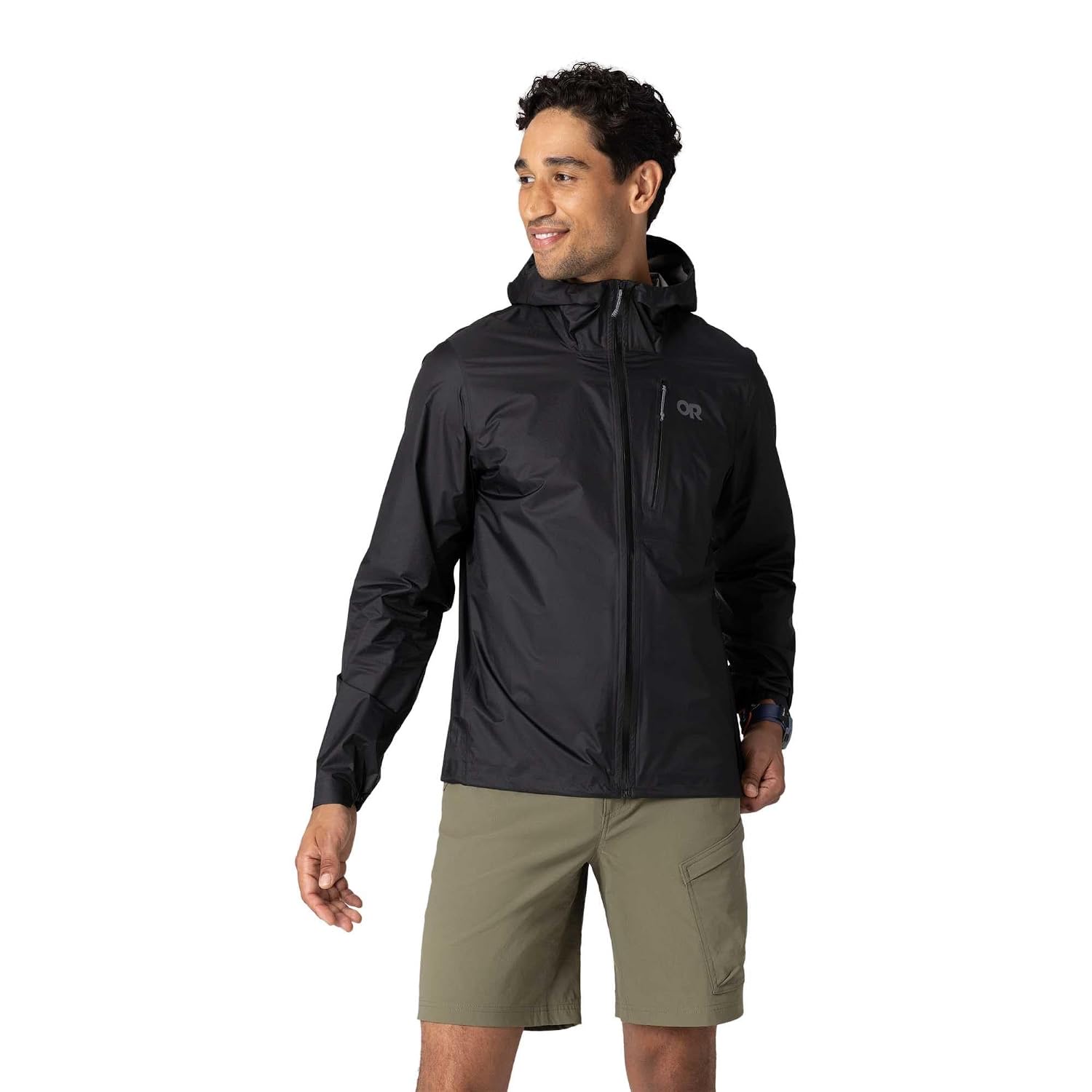 Product photoOutdoor Research Men's Helium UL Jacket
Outdoor Research Men's Helium UL Jacket
Temperature, wind, and the feels-like question: A lightweight rain shell for hikers who need packable weather protection without carrying a bulky hard shell.
Effort and stop time: the two variables that matter
Effort and stop time pull your temperature in opposite directions. Hard climbing generates heat, while stopping lets it fade quickly. A day with long climbs and short stops needs fewer layers than a day with gentle walking and long breaks, even at the same temperature.
Be honest about your pace and your stops. If you stop often for photos, rests, or navigation, you will need more insulation than a hiker who walks steadily. The planner accounts for stop time, but only if you enter it honestly.
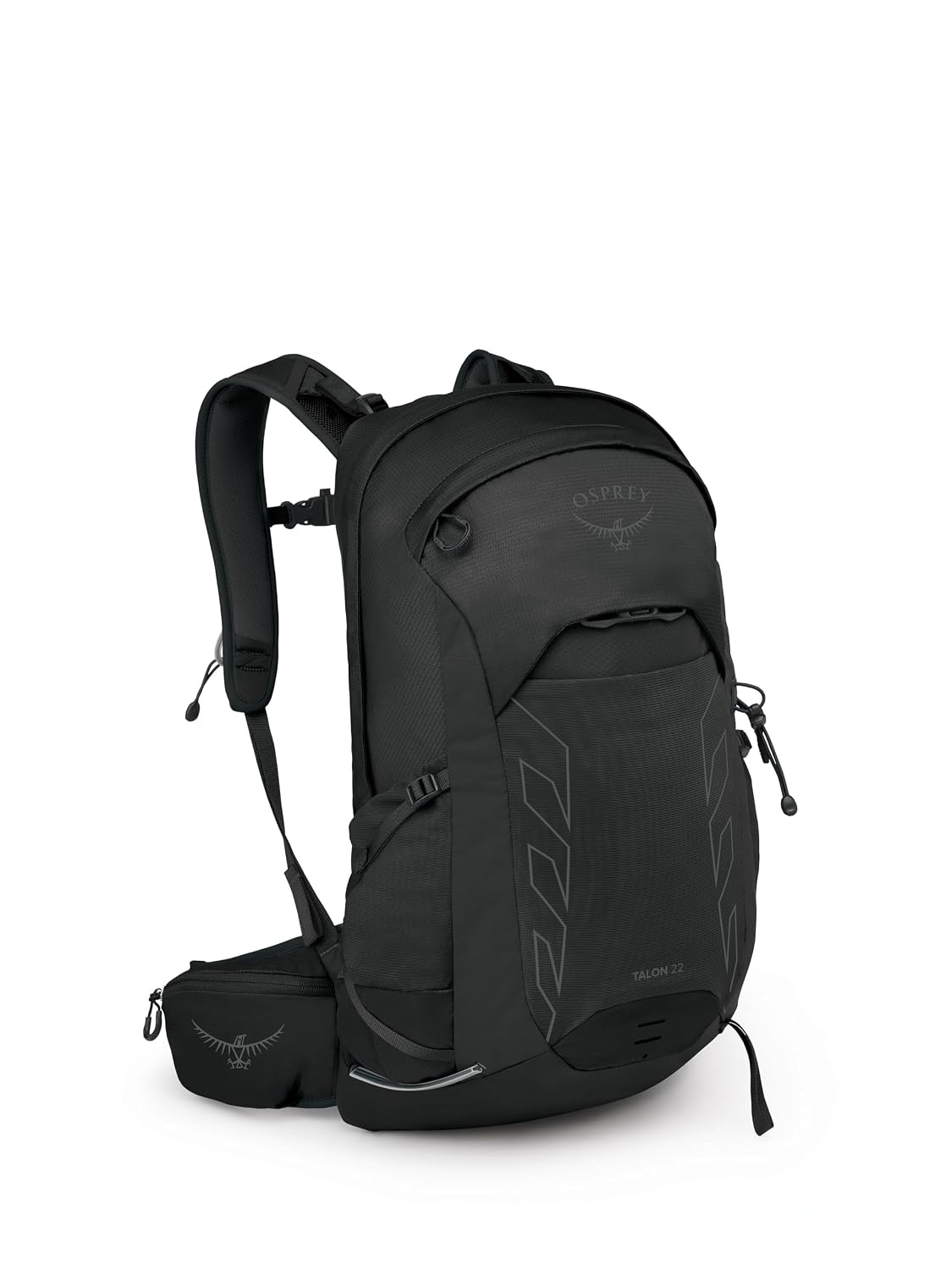 Product photoOsprey Talon 22
Osprey Talon 22
Effort and stop time: the two variables that matter: A ventilated daypack for hikers who want a stable carry without turning a short route into an expedition.
Rain risk and the shell decision
Rain risk determines whether you carry a shell, and how substantial it needs to be. A low risk on a short hike might mean a featherweight emergency shell, while a high risk on a long day calls for a more durable jacket with better ventilation. The planner weighs the risk against the weight.
Remember that a shell also blocks wind, which makes it useful even on a dry but windy day. A shell that is carried for rain can be worn for wind, which means it earns its place in more conditions than the forecast suggests. Pack it where you can reach it quickly.
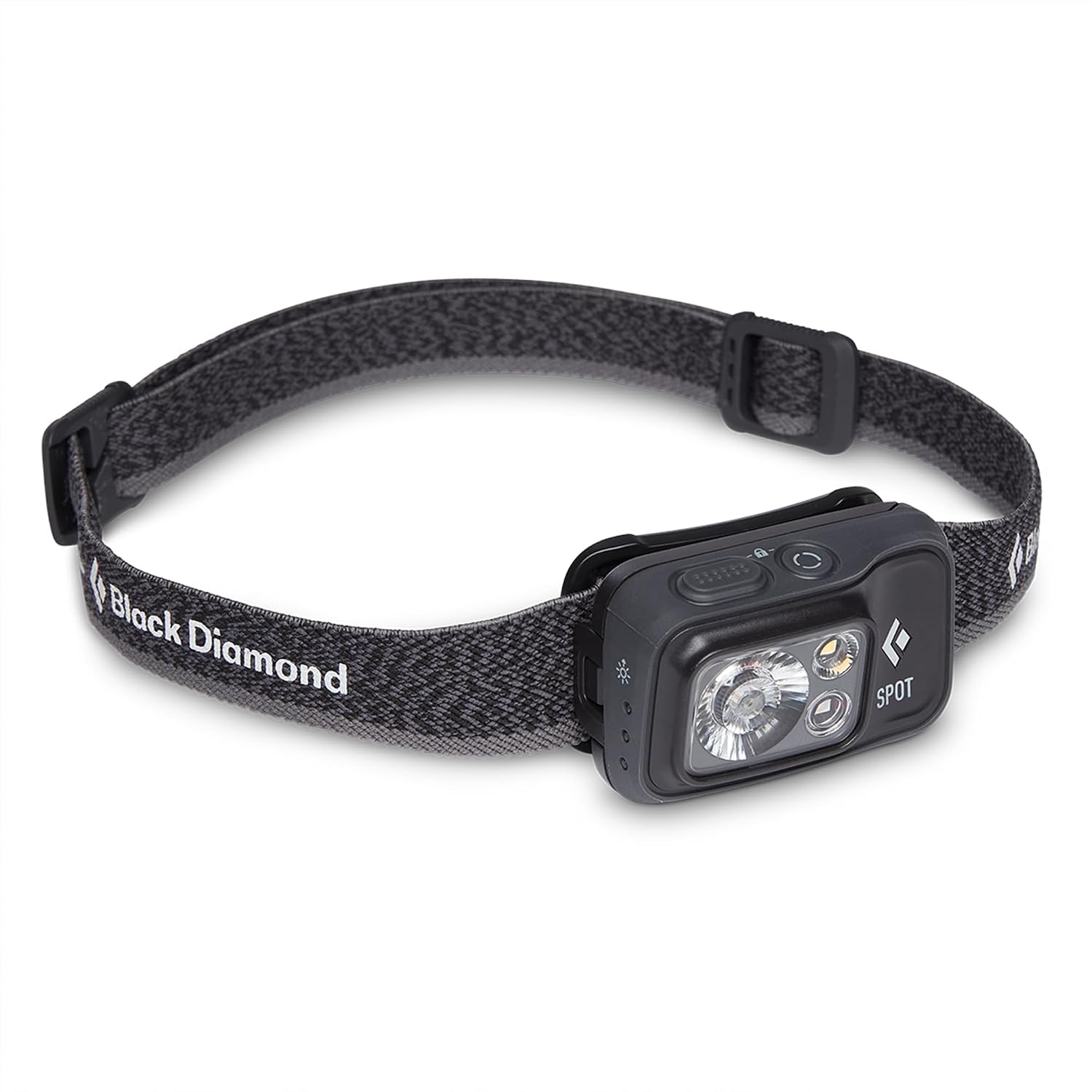 Product photoBlack Diamond Spot 400
Black Diamond Spot 400
Rain risk and the shell decision: A compact headlamp for early starts, late finishes, camp chores, and emergency visibility.
The backup layer: insurance against a wrong forecast
A backup layer is a dry, warm item kept in reserve for the moment the forecast proves wrong. It might be an extra insulation piece, a dry base layer, or a warm hat and gloves, kept in a waterproof bag and never worn unless needed. The backup layer is the difference between an uncomfortable surprise and a miserable one.
The backup layer is most valuable on multi-day trips and in mountain weather, where forecasts change quickly. It weighs little and costs nothing to carry, and the day you need it, you will be glad it is there. Protect the backup layer from damp, and keep it accessible.
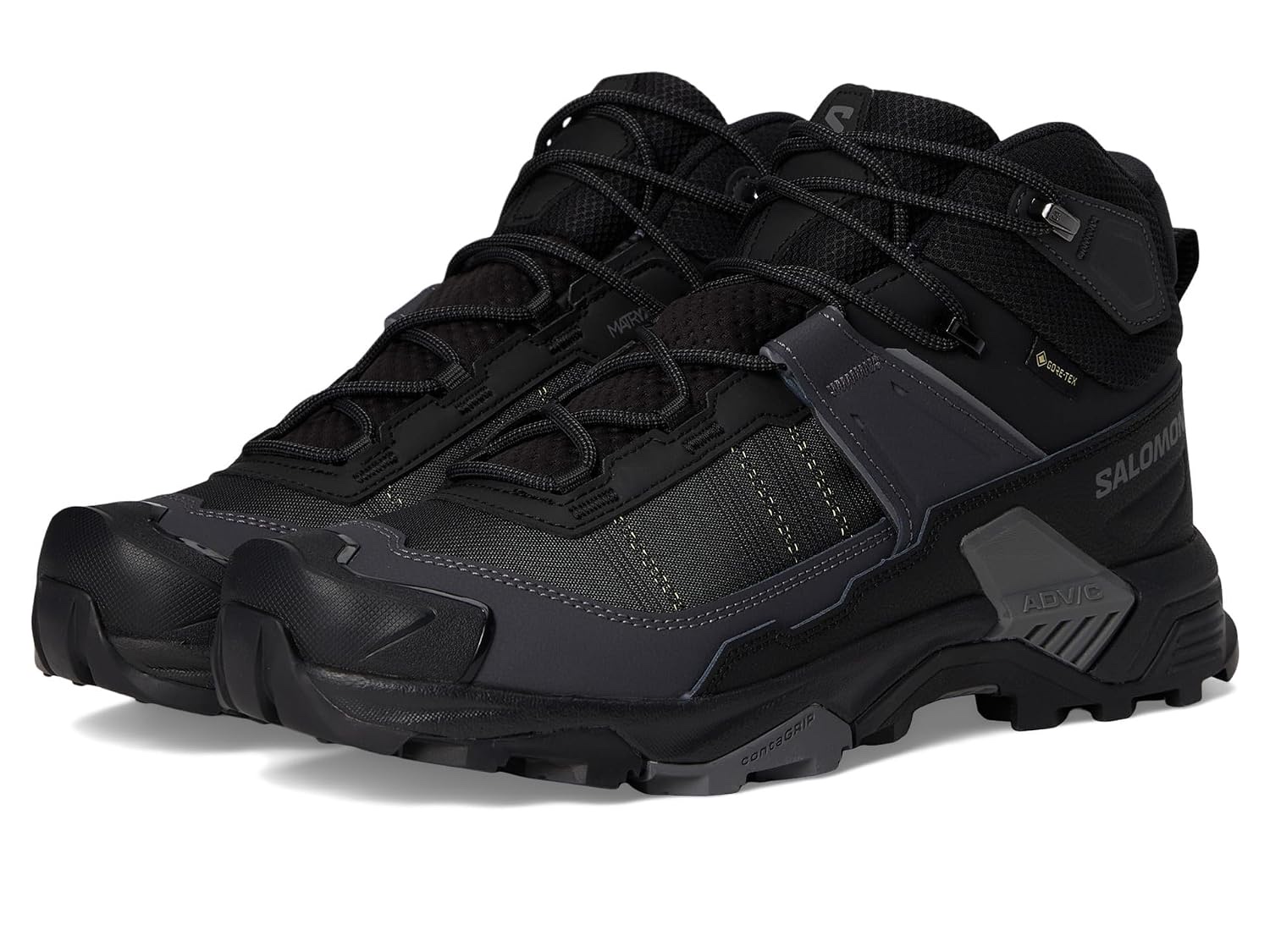 Product photoSalomon X Ultra 5 Mid GTX
Salomon X Ultra 5 Mid GTX
The backup layer: insurance against a wrong forecast: A supportive waterproof hiking shoe for mixed terrain, wet mornings, and hikers who prefer agility over a heavy boot.
From plan to pack: laying out the layers
The planner's output should change what you pack and how you pack it. Lay out the layers the plan suggests, check that they fit together without binding, and pack them in the order the day will ask for them. The shell goes where you can grab it, the insulation goes near the top, and the backup layer goes in a dry bag.
Test the system on a short walk before a long day. Wear the layers, adjust them, and notice what works and what does not. A layering plan that has been tested on a familiar route is far more reliable than one that exists only on paper.
A practical decision table
| Planning output | What it means | What to do next |
|---|---|---|
| Base layer | Next-to-skin comfort during movement | Choose a fabric and fit you can keep comfortable |
| Insulation | Warmth when effort drops | Pack it where it stays dry and accessible |
| Shell | Wind and rain protection | Confirm ventilation, hood, cuffs, and pack access |
| Backup plan | Response when the forecast is wrong | Carry a dry layer and a clear stop or turnaround rule |
Frequently asked questions
What layers do I need for a day hike?
A base layer, an insulation layer for stops, and a packable shell cover most day hikes. Add a warm hat and gloves for cold or windy conditions, and a backup layer for mountain weather.
How does wind affect what I should wear?
Wind chill makes a mild day feel cold, especially on exposed ridges. A shell that blocks wind is as important as insulation on a windy day. Plan for the coldest, windiest moment, not the average.
Should I carry a rain shell if the forecast is dry?
Yes, if it packs small. Forecasts change, especially in the mountains, and a shell also blocks wind. The best shell is the one in your pack when the weather turns.
What is a backup layer?
A dry, warm item kept in reserve for the moment the forecast proves wrong: an extra insulation piece, a dry base layer, or warm hat and gloves, kept in a waterproof bag.
How do I stop overheating on climbs?
Ventilate early: open zips, push back your hood, and remove a layer before you start sweating. Adjusting before you overheat is easier than recovering after you have sweated through your base layer.
Is the planner result exact?
No, it is a planning estimate from the numbers you entered. Your pace, your metabolism, and the real weather all affect how the plan feels, so use it to choose layers and try the combination on a familiar route first.
Useful Sources and Verification
Use these source types to verify current details before buying or publishing a recommendation.
- Current official manufacturer documentation for technical limits, care, compatibility, and safety instructions
- Current route, weather, water-source, retailer, or service information relevant to the decision
- Independent review patterns used as context, not as a substitute for personal fit or field testing