A route-first guide to tents, sleeping pads, warmth, space, packed size, and the recovery decisions that shape an overnight.
The short answerChoose shelter and sleep gear as one recovery system. First decide how many people, how much weather exposure, and how much interior space you need. Then balance tent livability, setup, packed weight, pad insulation, cushion, and sleeping-bag warmth. The lightest shelter is not automatically the best choice if it creates poor sleep or difficult setup.
Affiliate disclosure: some retailer links on this site may earn a commission. That does not change the evidence labels or the need to verify the current product, variant, price, availability, and returns.
Shelter and sleep as one recovery system
Shelter and sleep gear work as a single recovery system, and the pieces have to fit together. The tent must hold the pads, the pads must fit the tent floor, the sleeping bags must match the expected temperature, and the whole system must pack into the available space. Buying each piece in isolation produces a kit that does not work as a whole.
Start with the night, not the gear. How cold will it be, how much room do you need, how rough is the ground, and how much weight can you carry? The answers set the tent size, the pad thickness, and the bag warmth. A system built around a real night will always outperform one built around a wish list.
AFFILIATE PICK · Shelter and sleep
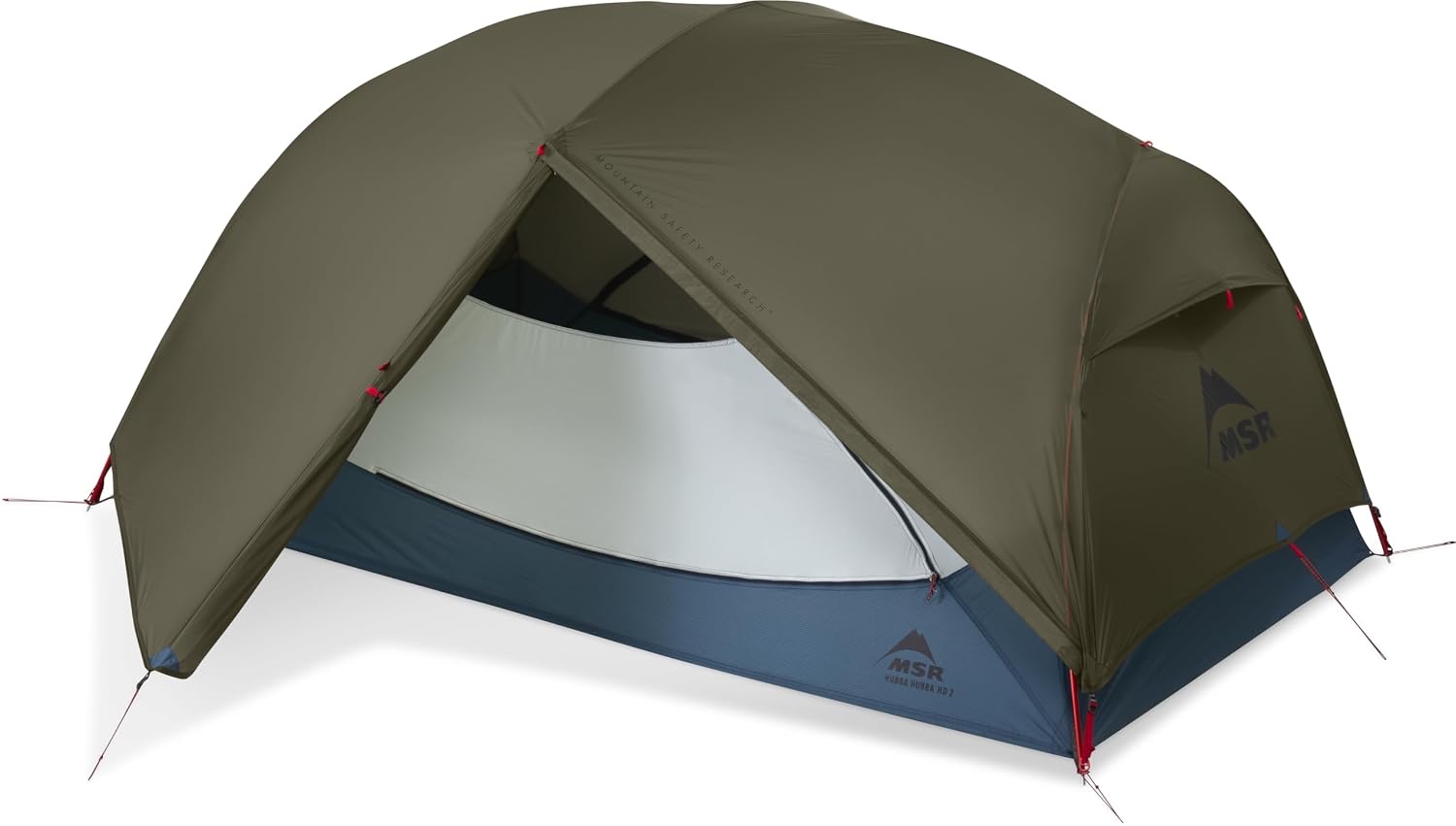
MSR Hubba Hubba HD 2-Person
Shelter and sleep as one recovery system: A roomy two-person shelter for first backpacking trips where livability matters more than the absolute lowest weight.
Best forTwo hikers sharing gear who want more usable interior space and a straightforward setup.Skip ifYou are counting every gram or normally hike solo with a tarp.
Open profile →Tent shapes: dome, tunnel, and freestanding
Dome tents are the most common shape, with crossed poles creating a stable, roomy structure that stands up without stakes. Tunnel tents offer more floor space for the same weight, but they need stakes to stand and are less stable in wind. Freestanding tents, which stand on their own, are the most forgiving for beginners and for rocky ground.
The shape affects more than stability. A dome tent sheds wind well and offers good headroom, a tunnel tent offers a long, roomy floor, and a freestanding tent can be picked up and moved to better ground. Choose the shape that matches your terrain and your experience.
Two-person tents: room vs weight
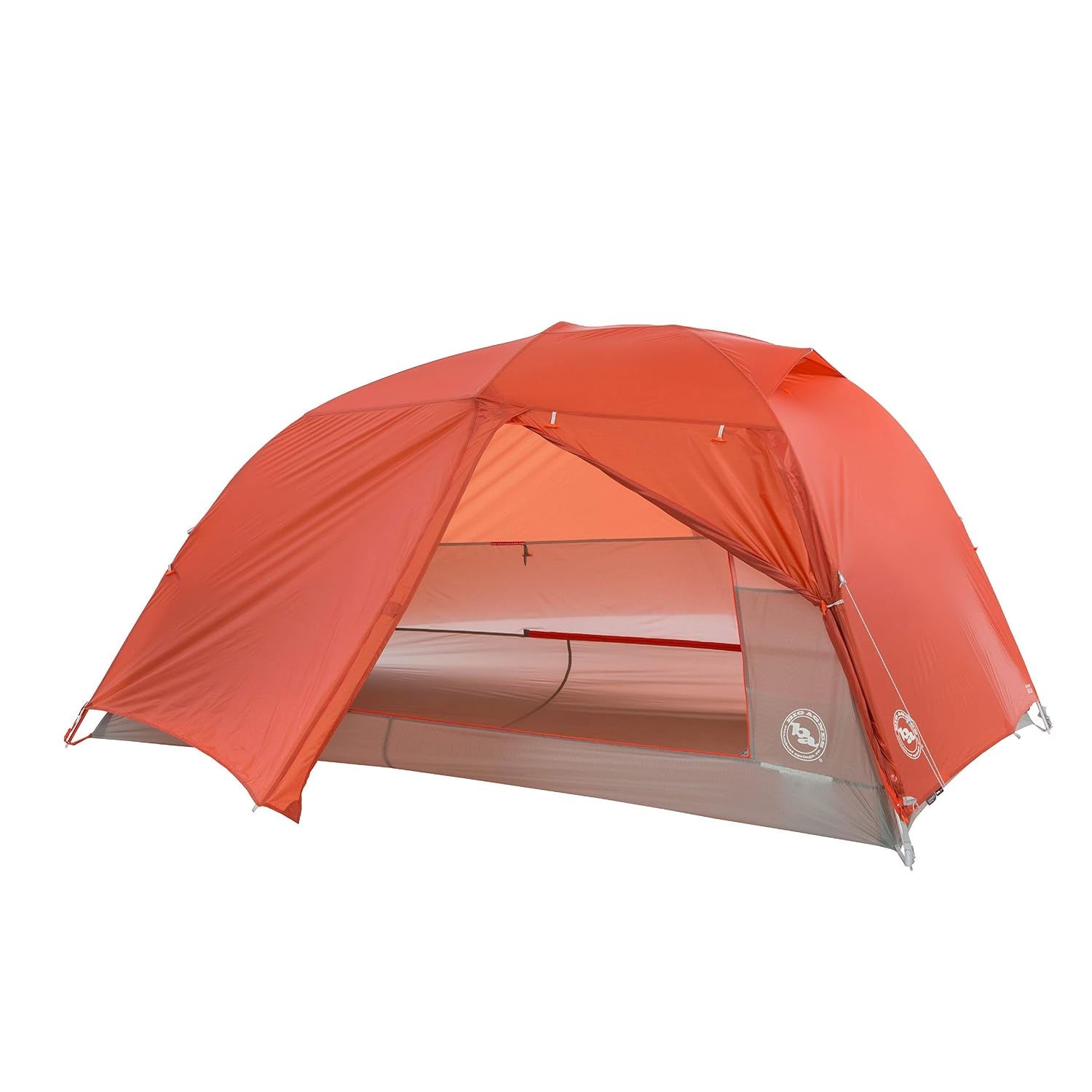
Two-person tents range from ultralight shelters that prioritise weight to roomy tents that prioritise livability. The Big Agnes Copper Spur HV UL2 balances the two, offering real room at a packable weight, while the MSR Hubba Hubba HD 2-Person leans toward room and ease of use. Both are three-season tents with two doors and two vestibules.
The choice depends on your priorities and your experience. First-time backpackers usually benefit from the roomier tent, since comfort and easy setup matter more than grams. Experienced hikers who know their needs may prefer the lighter tent. Neither choice is wrong, but they suit different trips.
Sleeping pads: cushion, insulation, and noise
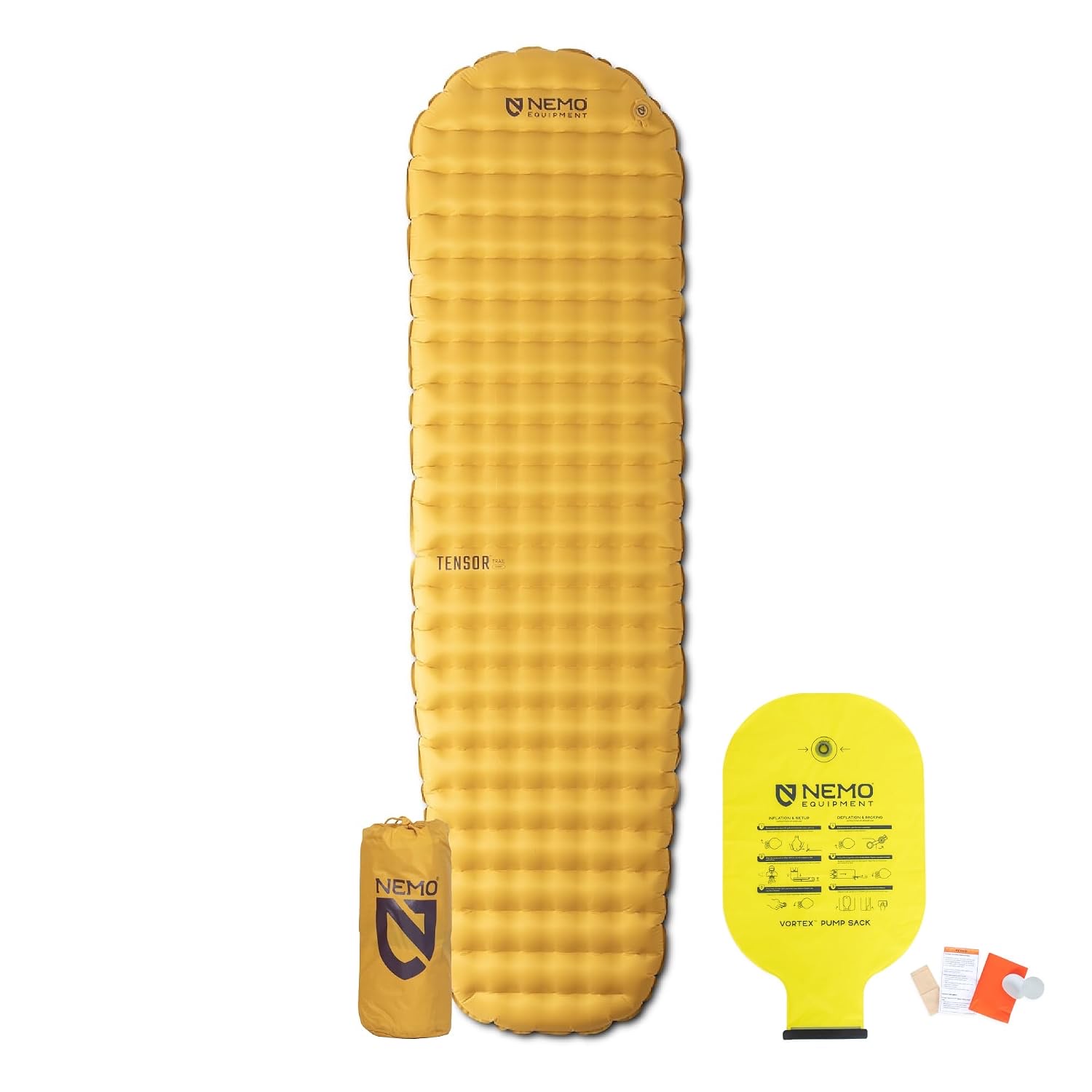
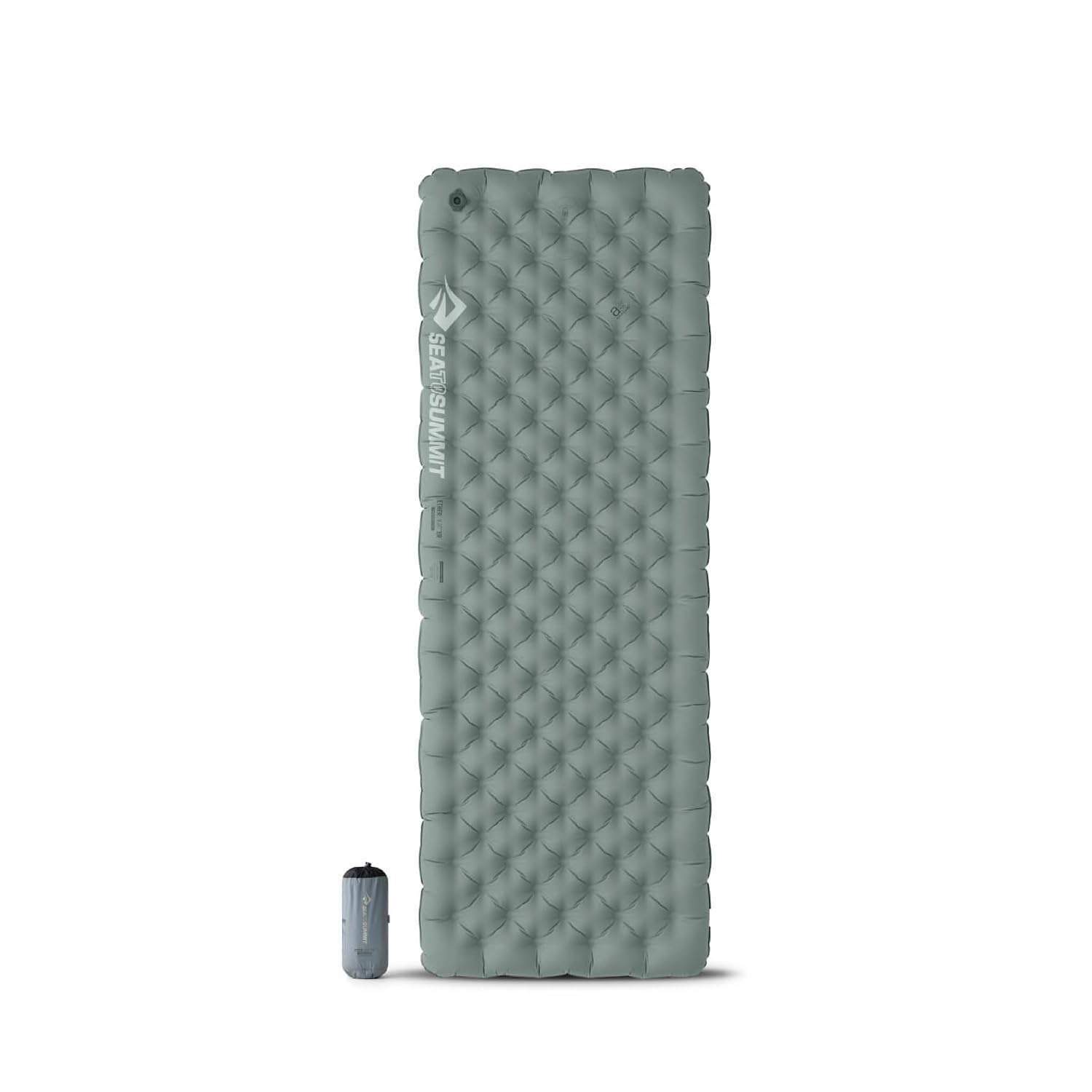
A sleeping pad has two jobs: cushion and insulation. The cushion keeps your hips and shoulders off the ground, and the insulation stops the cold ground from stealing your body heat. The NEMO Tensor Trail is a quiet, insulated option, the Sea to Summit Ether Light XR is a thick, cushioned choice for side sleepers, and the Therm-a-Rest NeoAir XLite NXT is a lightweight insulated pad for weight-conscious backpackers.
Noise matters more than it sounds: a pad that crinkles every time you roll over keeps you and your tentmate awake. Thickness matters for side sleepers, insulation matters for cold sleepers, and packed size matters for everyone. Choose the pad that matches your sleep style and your season.
R-values and ground insulation in plain terms
The R-value measures how well a pad resists heat loss to the ground, and higher numbers mean more insulation. A pad with a low R-value suits warm summer nights, a mid-range pad covers three-season use, and a high R-value pad is needed for winter. The ground is the main source of heat loss at night, so the pad's insulation matters as much as the sleeping bag's warmth.
Use the R-value as a comparison tool, not a guarantee. Your sleeping bag, the ground temperature, and whether you sleep warm or cold all affect the result. If you sleep cold, choose more insulation than the minimum, and consider layering a foam pad underneath for extra warmth.
AFFILIATE PICK · Shelter and sleep
Big Agnes Copper Spur HV UL2
R-values and ground insulation in plain terms: A lightweight two-person tent for backpackers who want a proven balance of room, weather protection, and packability.
Best forCouples and solo hikers who want comfort without moving to a heavy basecamp shelter.Skip ifYou need the lowest price, extreme winter capability, or a palace-sized interior.
Open profile →Sleeping bags and quilts: the other half of sleep
The sleeping bag or quilt keeps the air around you warm, and it works with the pad to create a complete sleep system. A bag rated for the expected temperature, used with an insulated pad, will keep you comfortable through the night. A bag that is too warm will leave you sweating, and a bag that is too cold will leave you shivering.
Quilts are lighter and more versatile than bags, since they can be opened flat in warm weather and cinched tight in cold weather. Bags are simpler and warmer for the same weight, since they enclose you fully. The choice is personal, but either way, the bag or quilt must match the pad and the expected temperature.
Pitching skills: site choice and setup
Picking a good pitch gets easier with every trip. Aim for level, dry ground with some wind shelter and water nearby, and stay clear of hollows where water pools, dead branches overhead, and delicate plants. A well-chosen pitch makes the evening pleasant and the morning straightforward.
Practice pitching your tent at home before the first trip, so the first real setup is not a puzzle in fading light. Learn the pole sequence, the stake positions, and the fly attachment, and time yourself. A tent you can pitch in five minutes at home is a tent you can pitch in ten minutes in the rain.
Condensation: the dampness you can control
Condensation is the dampness that forms inside a tent when warm, moist air from your breath meets cold tent fabric. It is unavoidable in some conditions, but it can be reduced by ventilating the tent, keeping wet gear in the vestibule, and avoiding cooking inside the tent. A well-ventilated tent will still get damp on a humid night, but far less than a sealed one.
In the morning, wipe down the inside of the tent, air out your sleeping bag, and pack the tent as dry as you can. If the tent is wet, dry it at the next opportunity, since packing a wet tent repeatedly leads to mould and odour. Condensation is a fact of camping; managing it is a skill.
Wind, rain, and storm pitching
Wind and rain test a tent's design and your pitching skills. Pitch the tent with the narrow end into the wind, stake out all guylines, and make sure the fly is taut, since a loose fly flaps and leaks. In heavy rain, check that the fly does not touch the inner tent, since contact transfers moisture inside.
Site choice matters as much as pitching. A sheltered hollow protects against wind, while a ridge top exposes you to the full force of a storm. Avoid dry stream beds that can flood, and avoid the base of steep slopes where water runs. A good site in a storm is worth more than a good tent in a bad site.
AFFILIATE PICK · Shelter and sleep
NEMO Tensor Trail
Wind, rain, and storm pitching: An insulated sleeping pad for hikers who care about quiet comfort and warmth across more than one season.
Best forBackpackers who sleep cold or want a quieter, more cushioned night on uneven ground.Skip ifYou only camp in warm weather or need the cheapest thin foam pad.
Open profile →Sleeping warm: habits that matter more than gear
Sleeping warm is as much about habits as gear. Eat a warm meal before bed, change into dry sleep clothes, and use a hot water bottle if you have one. A warm body in a dry bag on an insulated pad will sleep well, while a cold, damp body in the same gear will shiver all night.
Avoid going to bed cold, since it is hard to warm up inside a sleeping bag. Do some light exercise before bed, eat something with calories, and make sure your pad is fully inflated. Small habits like these make a larger difference than upgrading your bag.
Packing shelter and sleep gear together
Shelter and sleep gear take up the most space in a pack, so packing them efficiently matters. The tent body and fly can be packed separately, the pad can be rolled and strapped to the outside or packed inside, and the sleeping bag should be compressed in a stuff sack. Think about the order: the tent goes in last if rain is expected, so you can pitch it quickly.
Keep the sleep system dry above all else. A wet sleeping bag is a cold night, and a wet tent is a miserable morning. Use waterproof stuff sacks or a pack liner, and pack the sleep gear where it stays dry even if the pack gets wet. Dry sleep gear is non-negotiable.
Ultralight shelters: tarps and single-wall tents
Ultralight shelters, including tarps and single-wall tents, save significant weight compared to double-wall tents, but they demand more skill and tolerance. A tarp needs careful site selection and pitching, and it offers no protection from bugs or condensation. A single-wall tent is lighter than a double-wall tent but condenses more moisture inside.
These shelters suit experienced hikers who know their needs and accept the trade-offs. For beginners, a double-wall tent is the more forgiving choice, since it handles rain, bugs, and condensation without demanding expert skills. Start with a tent, and explore ultralight options after a few successful trips.
Caring for tents and pads between trips
Tent and pad care extends their life significantly. Dry the tent fully before storage, clean off mud and dirt, and store it loosely in a large bag rather than compressed in a stuff sack. Check the seams and zippers for wear, and repair small damage before it becomes a problem.
Store inflatable pads unrolled with the valve open, so the insulation keeps its loft. Rinse off dirt after trips, let the pad dry fully, and check the valve for grit. A well-cared-for tent and pad will last many seasons of regular use.
AFFILIATE PICK · Shelter and sleep
Sea to Summit Ether Light XR
Caring for tents and pads between trips: A thick, cushioned sleeping pad for side sleepers and campers who prioritize pressure relief.
Best forSide sleepers who dislike feeling the ground and want a softer camp sleep surface.Skip ifYou need the lightest possible pad or prefer a firm, low-profile feel.
Open profile →Shelter for solo hikers vs pairs
Solo hikers and pairs need different shelters. A solo hiker can use a one-person tent, a tarp, or a bivy, and the weight saving is significant. A pair needs a two-person tent with room for two pads and two packs, and the weight is shared between two people, which makes a roomier tent affordable.
The mistake is using a pair's tent solo, or a solo tent as a pair. A two-person tent carried alone is heavy and bulky, while a one-person tent shared by two is cramped and miserable. Match the shelter to the number of people, and be honest about how you actually hike.
Building your overnight kit over time
An overnight kit does not need to be bought all at once. Start with what you have, borrow or rent what you lack, and go on a few short trips. Note what actually bothered you: a cold pad, a cramped tent, a heavy pack. What you learn on real nights out will tell you far more about what to upgrade than any list you write beforehand.
Upgrade one piece per season, starting with the item that caused the most discomfort. A good pad, a reliable tent, and a warm bag, bought thoughtfully over time, will serve you better than a full kit bought in a single spending spree.
Frequently asked questions
What size tent do I need for two people?
A two-person tent with two doors and two vestibules is the standard choice. Check the floor dimensions against your pads, since pad widths vary and two wide pads can fill the floor edge to edge.
What R-value do I need for three-season camping?
A mid-range R-value covers three-season use for most sleepers. If you sleep cold, choose more insulation than the minimum. Winter camping needs a higher R-value or a layered foam-plus-inflatable system.
How do I stop condensation in my tent?
Ventilate the tent, keep wet gear in the vestibule, and avoid cooking inside. Condensation is unavoidable in some conditions, but ventilation reduces it significantly.
Is a tarp better than a tent?
For experienced hikers who accept the trade-offs, a tarp saves weight. For beginners, a double-wall tent is more forgiving: it handles rain, bugs, and condensation without demanding expert skills.
How should I store my tent and sleeping pad?
Dry the tent fully and store it loosely in a large bag. Store inflatable pads unrolled with the valve open so the insulation keeps its loft. Never store either compressed or wet.
What is the most important piece of sleep gear?
The sleeping pad. It provides both cushion and insulation from the cold ground, and a warm bag on a cold pad is a cold night. Prioritise the pad, then the bag.

 Product photoMSR Hubba Hubba HD 2-Person
 Product photoBig Agnes Copper Spur HV UL2
 Product photoNEMO Tensor Trail
 Product photoSea to Summit Ether Light XR