A field-ready guide to base layers, insulation, shells, ventilation, packability, and managing effort without overpacking.
The short answerA useful hiking layering system uses a moisture-management base, insulation for low-output moments, and a weather shell for wind or rain. Choose each layer by the forecast, effort, exposure, and how easily you can add or remove it. The goal is not maximum warmth at the trailhead; it is comfortable control as conditions and effort change.
Affiliate disclosure: some retailer links on this site may earn a commission. That does not change the evidence labels or the need to verify the current product, variant, price, availability, and returns.
The three-layer system in plain terms
A hiking layering system has three jobs: move sweat away from your skin, trap warmth when you need it, and block wind and rain. The base layer handles sweat, the insulation layer handles warmth, and the shell handles weather. Each layer does one job well, and together they cover a wide range of conditions.
The system works because you can add and remove layers as conditions and effort change. Climbing hard in the sun, you might wear only the base layer. Stopped for lunch on a windy ridge, you add insulation and the shell. Flexibility is the point: no single jacket can cover that range.
AFFILIATE PICK · Layers and weather protection
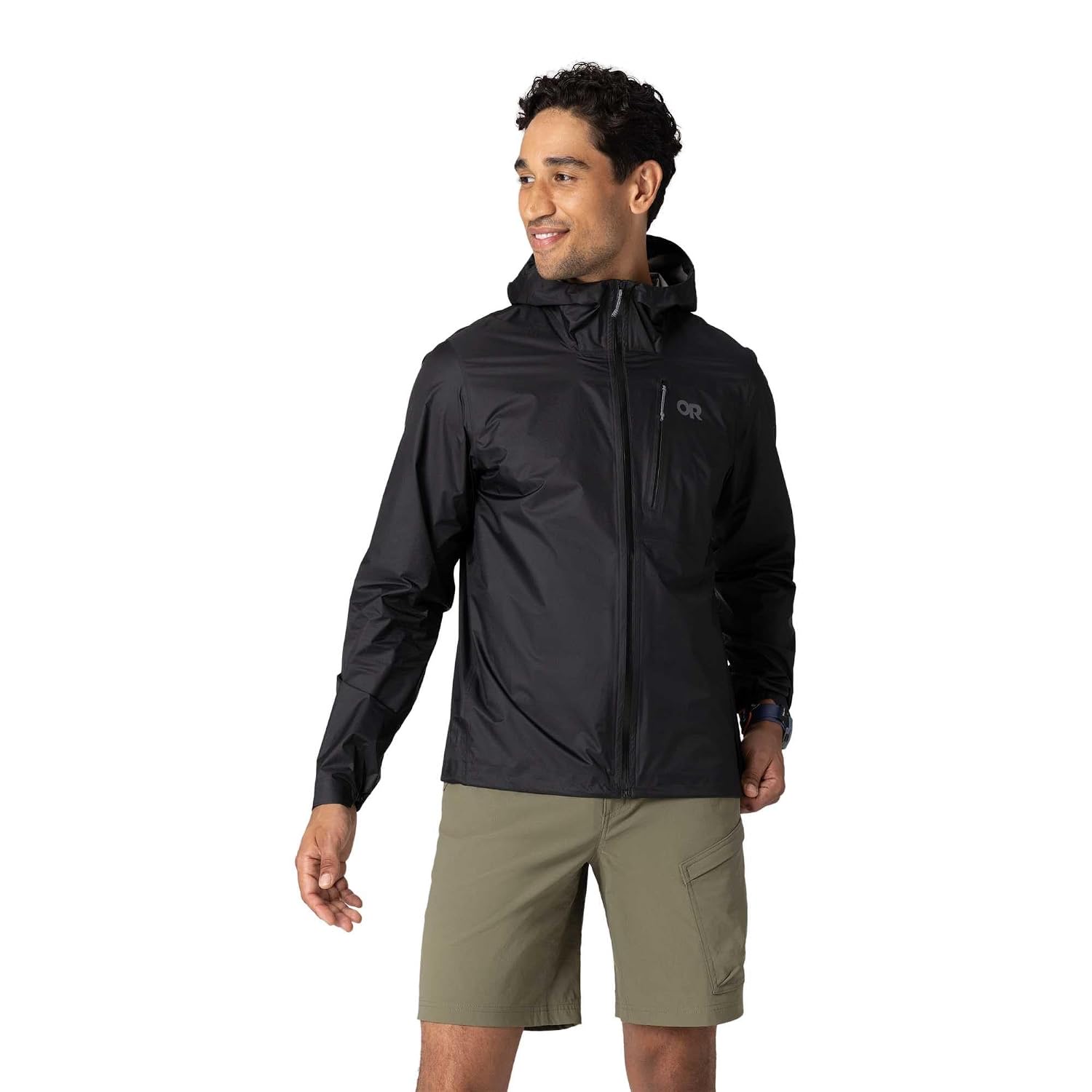
Outdoor Research Men's Helium UL Jacket
The three-layer system in plain terms: A lightweight rain shell for hikers who need packable weather protection without carrying a bulky hard shell.
Best forDay hikers and backpackers who want a dependable emergency layer for changing forecasts.Skip ifYou need a heavy winter shell, maximum abrasion resistance, or a soft casual jacket.
Open profile →Base layers: managing sweat next to skin
The base layer's job is to move sweat away from your skin so you stay dry and comfortable. Merino wool and synthetic fabrics both do this well, and the choice between them is personal: merino is softer, warmer when damp, and resists odour, while synthetics dry faster and cost less. Cotton is the one fabric to avoid, since it holds moisture and chills you.
Fit matters for a base layer. It should sit close to the skin without being tight, so it can wick moisture efficiently. A loose base layer cannot move sweat, and a tight one restricts movement. Try the base layer with the insulation you plan to wear over it.
Insulation: warmth for stops and slow sections
Insulation traps warm air around your body, and you need it most when you stop moving. On a climb, your body generates its own heat, but at a rest stop, on a descent, or in camp, that heat fades quickly. A packable insulated jacket that you can pull on in seconds is one of the most valuable items in a layering system.
Down and synthetic insulation each have strengths. Down is lighter and more compressible for the same warmth, but it loses insulation when wet. Synthetic insulation keeps working when damp and costs less, but it is bulkier. Choose based on your climate and your tolerance for damp conditions.
Shells: wind and rain protection
The shell is the outer layer that blocks wind and rain, and it is the layer you reach for when the weather turns. A good shell keeps you dry in a downpour and cuts the wind chill on an exposed ridge, and it should pack small enough to live in your pack on every hike. The Outdoor Research Helium UL Jacket is a featherweight example, while the Marmot PreCip Eco Rain Jacket offers a more substantial waterproof option.
Shell choice depends on how often you wear it. If the shell is carried more than worn, a featherweight emergency shell is the right call. If you hike in sustained rain, a more durable shell with better ventilation will serve you better. Match the shell to your climate and your habits.
Ventilation: zips, hoods, and the art of adjusting
Ventilation is how you control temperature without removing layers. A front zip opened halfway, a hood pushed back, and cuffs loosened can dump a surprising amount of heat, and they take seconds to adjust. Learning to ventilate early, before you overheat and sweat through your base layer, is a skill worth practising.
Pit zips, the zips under the arms of some shells, are the most effective ventilation feature on a rain jacket, since they let heat escape without letting rain in. If you hike hard in the rain, pit zips are worth paying for. If your shell lacks them, use the front zip and the hood to manage airflow.
Materials: wool, synthetics, and down
Merino wool is soft, warm when damp, and naturally odour-resistant, which makes it ideal for base layers and socks on multi-day trips. Synthetics dry faster, cost less, and are more durable, which makes them practical for hard use and wet conditions. Down is the warmest insulation for its weight, but it needs protection from moisture.
There is no single best material, only the best material for each job and each climate. Many experienced hikers mix materials: merino base layers, synthetic insulation for wet conditions, and down for cold, dry trips. Build your system from experience, not from a single brand's story.
Fit: layering without bulk
Layers need to fit together, not just individually. The base layer sits close to the skin, the insulation layer fits over it with room for warm air, and the shell fits over both without binding. If any layer is too tight, it compresses the insulation beneath it and reduces warmth. If any layer is too loose, it flaps in the wind and snags on branches.
Try the full system on together before buying a new piece. Raise your arms, bend, and reach, and check that nothing binds or rides up. A layering system that works as a set is worth more than three excellent layers that fight each other.
Hands, head, and the forgotten extremities
Hands and head lose heat quickly and are easy to forget in a layering plan. A warm hat, a buff or neck gaiter, and a pair of gloves weigh almost nothing and make a large difference on a cold or windy day. Gloves that allow you to use zips, adjust poles, and operate a phone are worth seeking out.
Sun protection for the head matters too. A wide-brimmed hat or a cap with a neck flap protects against sunburn on exposed trails, and sunglasses protect your eyes from glare and wind. The extremities are small, but they deserve a place in the layering system.
Rain strategies: when to put the shell on
The most common rain mistake is waiting too long to put the shell on. By the time you are wet, the shell can only keep you from getting wetter, and your base layer is already damp. The habit to build is simple: put the shell on at the first drops, or when dark clouds gather, not when you are already soaked.
The second mistake is leaving the shell on too long after the rain stops. A shell traps heat and moisture, so take it off when the rain eases and let your base layer breathe. The shell is a tool for rain, not a default outer layer. Use it when needed, pack it when not.
Cold-weather layering for winter days
Winter layering adds a fourth consideration: staying warm when you are not moving. A winter system needs a warmer base layer, thicker insulation, a windproof shell, and protection for hands, head, and feet. The key is to start cold, since you will warm up once you start moving, and to add layers at stops before you get chilled.
Avoid sweating in winter, since damp clothing loses insulation and chills you rapidly when you stop. Ventilate early, slow down if you feel yourself overheating, and change into a dry base layer if you sweat through one. In winter, dry clothing is survival clothing.
Hot-weather layering: sun and airflow
Hot-weather layering is about sun protection and airflow, not warmth. A light, long-sleeved shirt protects against sunburn better than sunscreen alone, and loose, light-coloured clothing allows air to circulate. A wide-brimmed hat and sunglasses complete the system.
Ventilation matters most in the heat. Choose clothing with vents, mesh panels, and light fabrics, and adjust layers to let air move. A wet bandana around the neck can cool you significantly on a hot climb. In hot weather, the layering system is about staying cool, not staying warm.
Packing layers for access, not just weight
Layers are useless if you cannot reach them when you need them. Pack the rain shell where you can grab it without unpacking the bag, keep the insulation layer near the top, and store a dry set of sleep clothes in a waterproof bag. Access is the difference between a layering system and a bag of clothes.
Pack with the day's order in mind. The shell goes in first if rain is expected, the insulation goes near the top for a windy summit, and the spare base layer goes in a dry bag for camp. A well-packed bag puts each layer where the day will ask for it.
Drying layers on a multi-day trip
On a multi-day trip, layers get damp from sweat, rain, and condensation, and drying them is a daily task. Hang damp items in the sun at rest stops, drape them over the tent at camp, and sleep with the dampest items in your sleeping bag, where your body heat will dry them overnight.
A dry set of sleep clothes, kept in a waterproof bag and never worn during the day, is one of the most valuable items on a multi-day trip. Sleeping in dry clothes, even if your day clothes are damp, makes the night comfortable and the morning bearable. Protect that dry set fiercely.
Caring for waterproof and insulated layers
Waterproof jackets need occasional washing and reproofing to keep working. Dirt clogs the fabric's pores and reduces breathability, and the water-repellent finish wears off with use. Wash with a technical wash, reproof when water stops beading, and never use fabric softener.
Down insulation needs careful washing and thorough drying, since wet down clumps and loses its loft. Synthetic insulation is more forgiving, but it still benefits from proper washing. Store insulated jackets uncompressed, hanging or in a large stuff sack, so the insulation keeps its loft between trips.
Building your system one season at a time
A layering system does not need to be bought all at once. Start with what you have, go hiking, and note what actually bothered you: cold hands, a sweaty back, a shell that did not keep you dry. What you learn on real trips will tell you far more about what to upgrade than any list you write before your first walk in the rain.
Upgrade one layer per season, starting with the piece that caused the most discomfort. The list of upgrades that comes out of real trips will be far more accurate than anything you could write at home. A good base layer, a reliable shell, and a warm insulation piece, bought thoughtfully over time, will serve you better than a full system bought in a single spending spree.
Frequently asked questions
What are the three layers for hiking?
A base layer that moves sweat away from skin, an insulation layer that traps warmth, and a shell that blocks wind and rain. Each layer does one job, and together they cover a wide range of conditions.
Should I choose merino wool or synthetic base layers?
Merino is softer, warmer when damp, and resists odour, which suits multi-day trips. Synthetics dry faster and cost less. Avoid cotton, which holds moisture and chills you.
When should I put my rain shell on?
At the first drops, or when dark clouds gather, not when you are already wet. Take it off when the rain eases, since a shell traps heat and moisture once the rain stops.
Is down or synthetic insulation better?
Down is lighter and more compressible for the same warmth, but it loses insulation when wet. Synthetic insulation keeps working when damp and costs less. Choose based on your climate.
How do I stop sweating in my rain jacket?
Ventilate early: open the front zip, push back the hood, and use pit zips if your jacket has them. Slow down on climbs, and use the shell for exposed sections rather than the whole climb.
How should I store insulated jackets?
Store them uncompressed, hanging or in a large stuff sack, so the insulation keeps its loft. Storing a down or synthetic jacket compressed for months reduces its warmth.

 Product photoOutdoor Research Men's Helium UL Jacket